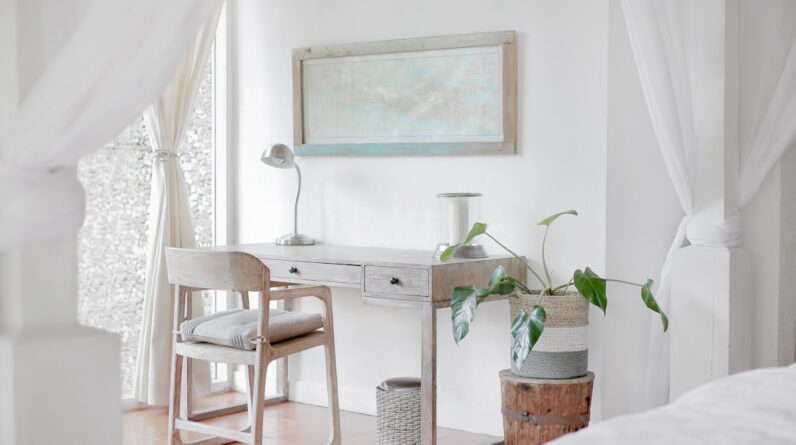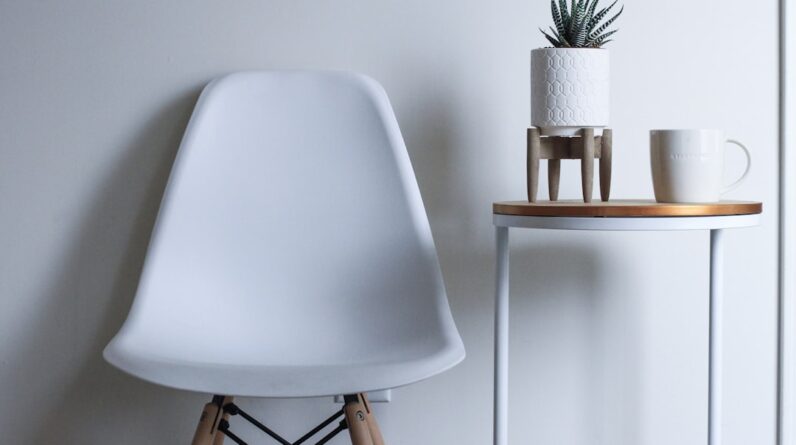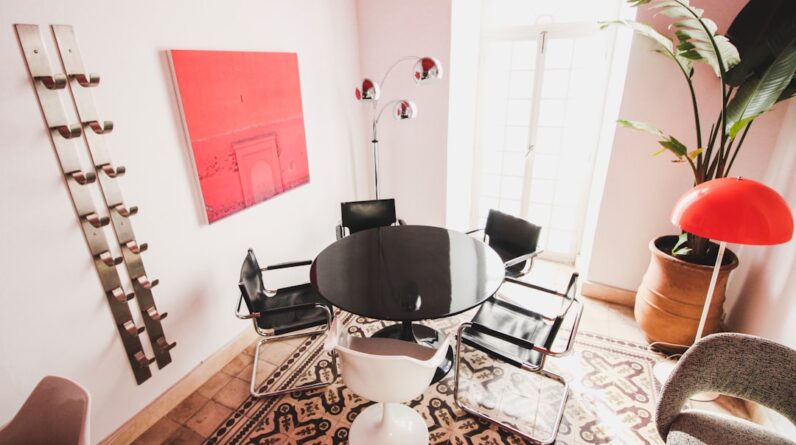
In the world of interior design, the fusion of vintage and contemporary elements has become a popular trend that captivates many homeowners and designers alike. You may find yourself drawn to the charm of vintage pieces, with their rich histories and unique character, while also appreciating the sleek lines and functionality of contemporary designs. This blend not only allows you to express your personal style but also creates a space that feels both timeless and fresh.
By understanding how to effectively mix these two styles, you can create an environment that reflects your individuality and tells a story. As you embark on this journey of mixing vintage and contemporary elements, it’s essential to recognize that this approach is not merely about throwing together old and new items. Instead, it requires a thoughtful consideration of how these pieces interact with one another.
The goal is to create a harmonious balance that enhances the overall aesthetic of your space. Whether you are redecorating a single room or an entire home, the art of mixing these styles can lead to stunning results that are both visually appealing and deeply personal.
Key Takeaways
- Mixing vintage and contemporary elements in interior design adds character and personality to a space.
- Vintage style is characterized by ornate details and antique finishes, while contemporary style features clean lines and minimalistic designs.
- When incorporating vintage pieces into a contemporary space, consider mixing textures and layering different time periods for a cohesive look.
- To incorporate contemporary pieces into a vintage space, focus on creating contrast and balance by using modern accents and furniture.
- Finding the right balance between vintage and contemporary elements is key to creating a harmonious and visually appealing interior design.
Understanding the Differences Between Vintage and Contemporary Styles
To successfully blend vintage and contemporary elements, you first need to grasp the fundamental differences between these two styles. Vintage design typically refers to items that are at least 20 years old, often characterized by intricate details, rich textures, and a sense of nostalgia. These pieces often carry stories from the past, whether they are mid-century furniture, antique decor, or retro accessories.
When you incorporate vintage items into your space, you invite a sense of history and warmth that can make your home feel inviting and lived-in. On the other hand, contemporary design is defined by its current trends and innovations. It emphasizes clean lines, minimalism, and functionality.
Contemporary pieces often feature neutral color palettes, open spaces, and a focus on sustainability. When you choose contemporary elements for your home, you are embracing a modern aesthetic that prioritizes simplicity and practicality. Understanding these distinctions will help you make informed choices as you curate your space, ensuring that each piece contributes to the overall vision you have in mind.
Tips for Incorporating Vintage Pieces into a Contemporary Space
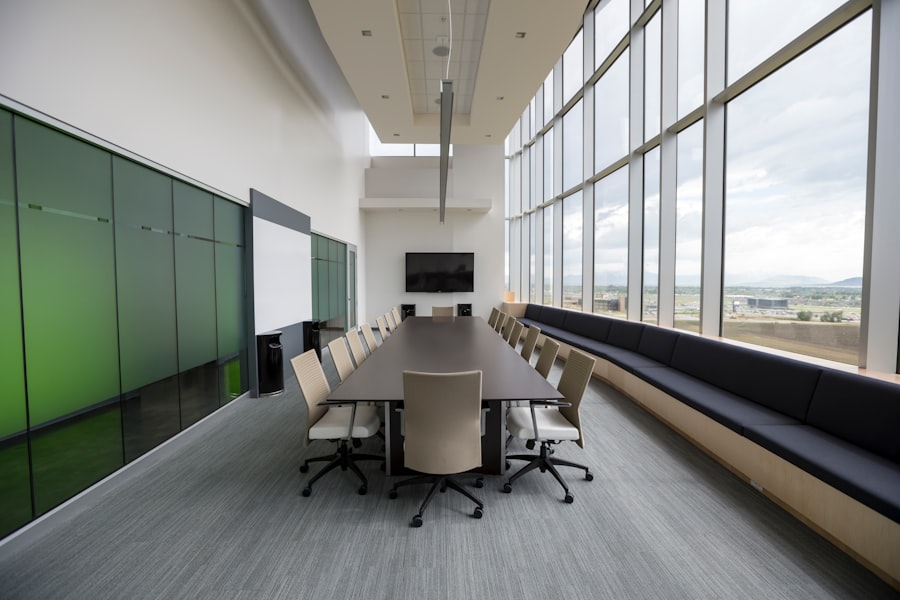
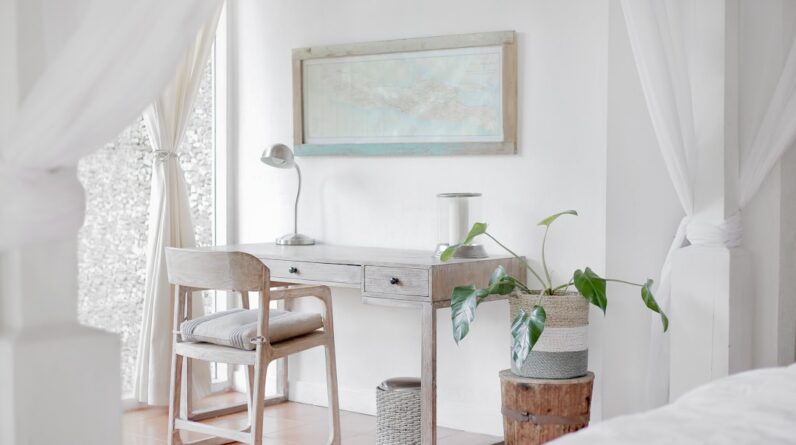
When you decide to incorporate vintage pieces into a contemporary space, there are several strategies you can employ to ensure a seamless integration. One effective approach is to select a few standout vintage items that can serve as focal points within the room. For instance, a beautifully restored mid-century armchair can add character to an otherwise minimalist living room.
By placing this chair in a prominent position, you create a conversation starter that draws attention while still allowing the contemporary elements to shine. Another tip is to use vintage accessories to soften the starkness of contemporary design. Items such as vintage vases, artwork, or textiles can introduce warmth and texture to your space.
Consider layering these accessories on shelves or tables alongside modern decor to create visual interest. The key is to strike a balance where the vintage pieces complement rather than overwhelm the contemporary elements. By thoughtfully curating your selections, you can create a cohesive look that feels both inviting and stylish.
Tips for Incorporating Contemporary Pieces into a Vintage Space
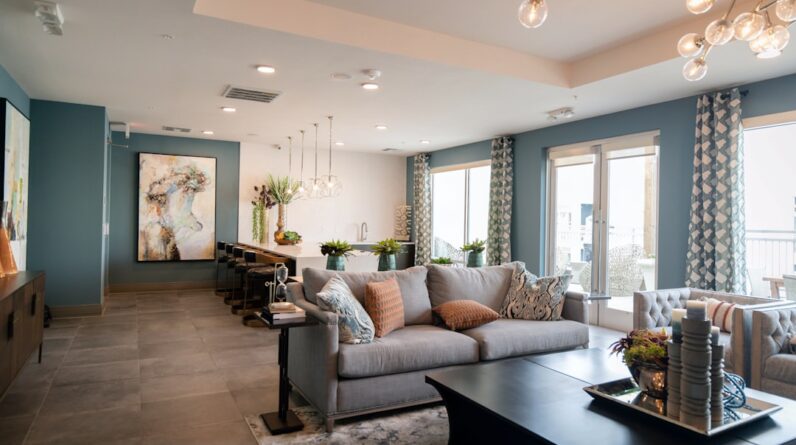
If your home is predominantly vintage in style, introducing contemporary pieces can breathe new life into your space while maintaining its character. One effective method is to choose contemporary furniture that features clean lines and neutral colors. For example, a sleek coffee table or a modern sofa can provide a striking contrast against ornate vintage furnishings.
This juxtaposition not only highlights the beauty of both styles but also creates a dynamic visual experience. Additionally, consider using contemporary art or decor to refresh your vintage space. A bold abstract painting or a modern sculpture can serve as an eye-catching centerpiece that draws the eye and adds a touch of modernity.
When selecting contemporary pieces for your vintage home, aim for items that resonate with the overall color scheme and aesthetic of your space. This thoughtful approach will ensure that the new additions feel intentional rather than out of place.
Finding the Right Balance Between Vintage and Contemporary Elements
Achieving the right balance between vintage and contemporary elements is crucial for creating a harmonious interior design. One effective strategy is to establish a unifying theme or color palette that ties both styles together. For instance, if your vintage pieces feature warm wood tones, consider incorporating contemporary items in similar hues or complementary colors.
This cohesive approach will help create a sense of flow throughout your space. Another important aspect of balance is scale and proportion. When mixing styles, be mindful of the size and shape of each piece.
A large vintage armoire may require smaller contemporary accents to avoid overwhelming the room. Conversely, if you have several small vintage items, consider pairing them with larger contemporary furniture to create visual interest without cluttering the space. By paying attention to scale and proportion, you can achieve a well-balanced design that feels intentional and curated.
Examples of Successful Vintage and Contemporary Mixes in Interior Design
There are countless examples of successful blends of vintage and contemporary styles in interior design that can inspire your own efforts. One notable example is the use of vintage lighting fixtures in modern kitchens. A classic chandelier or retro pendant lights can add an unexpected touch of elegance to sleek cabinetry and stainless-steel appliances, creating a striking contrast that elevates the overall design.
Another inspiring example is the combination of vintage rugs with contemporary furniture arrangements. A beautifully patterned Persian rug can anchor a modern living room filled with minimalist furniture, adding warmth and texture while grounding the space in history. This juxtaposition not only enhances the aesthetic appeal but also creates an inviting atmosphere where both styles coexist harmoniously.
Common Mistakes to Avoid When Mixing Vintage and Contemporary Elements
While mixing vintage and contemporary elements can yield stunning results, there are common pitfalls you should be aware of to ensure your design remains cohesive. One frequent mistake is overloading your space with too many contrasting styles or colors. When you introduce both vintage and contemporary pieces, it’s essential to maintain a sense of balance; otherwise, your space may feel chaotic rather than harmonious.
Another mistake is neglecting scale and proportion when selecting items from both styles. As mentioned earlier, pairing oversized vintage furniture with small contemporary accents can lead to an unbalanced look. Instead, strive for a thoughtful arrangement where each piece complements one another in size and shape.
By avoiding these common missteps, you can create an interior design that feels intentional and well-curated.
Conclusion and Final Thoughts on Mixing Vintage and Contemporary Elements in Interior Design
In conclusion, mixing vintage and contemporary elements in interior design offers an exciting opportunity for self-expression and creativity. By understanding the differences between these styles and employing thoughtful strategies for integration, you can create a space that reflects your unique personality while remaining visually appealing. Remember to focus on balance, cohesion, and intentionality as you curate your selections.
As you embark on this design journey, don’t be afraid to experiment with different combinations until you find what resonates with you. The beauty of mixing styles lies in its ability to tell a story—your story—through the pieces you choose to incorporate into your home. Embrace the charm of vintage alongside the sleekness of contemporary design, and watch as your space transforms into a beautiful reflection of who you are.
FAQs
What is vintage interior design?
Vintage interior design refers to decorating a space with items and elements from a previous era, typically from the 1920s to 1960s. It often includes antique furniture, retro decor, and nostalgic accents.
What is contemporary interior design?
Contemporary interior design is characterized by clean lines, minimalism, and a focus on function. It often incorporates modern furniture, sleek finishes, and a neutral color palette.
How can vintage and contemporary elements be mixed in interior design?
Vintage and contemporary elements can be mixed in interior design by combining antique furniture with modern decor, blending retro patterns with minimalist design, and incorporating nostalgic accents into a contemporary space.
What are some tips for mixing vintage and contemporary elements in interior design?
Some tips for mixing vintage and contemporary elements in interior design include choosing a cohesive color scheme, balancing old and new pieces throughout the space, and using vintage items as focal points in a modern room.
What are some examples of vintage and contemporary elements in interior design?
Examples of vintage and contemporary elements in interior design include pairing a mid-century modern sofa with sleek, modern lighting, mixing antique rugs with minimalist furniture, and incorporating retro artwork into a contemporary gallery wall.