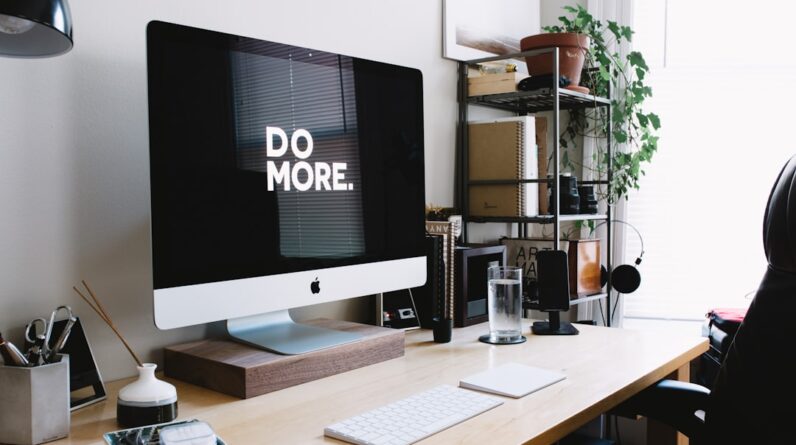
In recent years, the concept of the home office has undergone a significant transformation, largely driven by advancements in technology. As remote work becomes increasingly prevalent, you may find yourself adapting your living space to accommodate a more efficient and productive work environment. The rise of technology-driven home offices is not merely a trend; it reflects a fundamental shift in how we perceive work and productivity.
With the advent of high-speed internet, cloud computing, and collaboration tools, the barriers that once confined you to a traditional office setting have all but disappeared. You might recall a time when working from home was seen as a luxury or an occasional perk. However, the global pandemic accelerated this shift, forcing many to reevaluate their workspaces.
As you navigate this new landscape, you may discover that your home office is not just a place to complete tasks but a hub of creativity and innovation. The integration of technology into your workspace allows for greater flexibility and efficiency, enabling you to tailor your environment to suit your unique needs and preferences.
Key Takeaways
- The rise of technology-driven home offices has been accelerated by the increasing availability and affordability of advanced tech tools and devices.
- Integrating technology into home office design is essential for creating a modern and efficient workspace that supports productivity and collaboration.
- Smart furniture and devices, such as adjustable standing desks and smart lighting, can enhance productivity and comfort in a home office environment.
- Creating a seamless and connected home office environment involves integrating various tech tools and devices to streamline workflows and communication.
- Virtual reality and augmented reality have the potential to revolutionize home office design by offering immersive and interactive workspaces.
- Sustainable and eco-friendly technology solutions are becoming increasingly important in home office design to minimize environmental impact.
- Security and privacy are critical considerations in technology-driven home offices, requiring robust measures to protect sensitive data and information.
- The future of technology-driven home offices is likely to see further advancements in automation, AI integration, and remote collaboration tools to enhance efficiency and flexibility.
Integrating Technology into Home Office Design
When designing your home office, the integration of technology plays a crucial role in enhancing both functionality and aesthetics. You may want to start by considering the layout of your space. A well-thought-out design can help you maximize productivity while minimizing distractions.
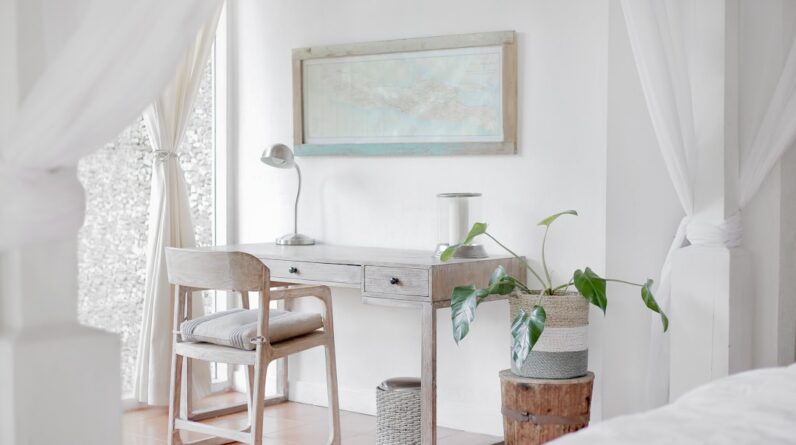
For instance, positioning your desk near a window can provide natural light, which has been shown to improve mood and focus. Additionally, incorporating ergonomic furniture can help you maintain comfort during long working hours. As you explore various technological tools, think about how they can complement your workspace.
High-quality monitors, noise-canceling headphones, and adjustable standing desks are just a few examples of how technology can enhance your home office experience. You might also consider investing in smart lighting systems that can be adjusted based on the time of day or your specific tasks. By thoughtfully integrating these elements into your design, you create an environment that not only looks appealing but also supports your productivity.
Smart Furniture and Devices for Home Office Productivity

In the quest for an efficient home office, smart furniture and devices have emerged as game-changers. You may find that investing in smart desks or chairs equipped with sensors can significantly enhance your work experience. These pieces of furniture can remind you to take breaks or adjust their height based on your preferences, promoting better posture and overall well-being.
Imagine having a desk that automatically raises or lowers at the touch of a button, allowing you to switch between sitting and standing with ease. Moreover, smart devices such as voice-activated assistants can streamline your daily tasks. You might use them to set reminders, manage your calendar, or even control other smart devices in your office.
The convenience of having technology at your fingertips can free up mental space, allowing you to focus on more critical aspects of your work. As you explore these innovations, consider how they can be tailored to fit your specific workflow and enhance your overall productivity.
Creating a Seamless and Connected Home Office Environment
A seamless and connected home office environment is essential for maintaining productivity and fostering creativity. You may want to prioritize connectivity by ensuring that all your devices are integrated and easily accessible. This could involve setting up a robust Wi-Fi network that supports multiple devices simultaneously or utilizing cloud-based applications that allow for real-time collaboration with colleagues.
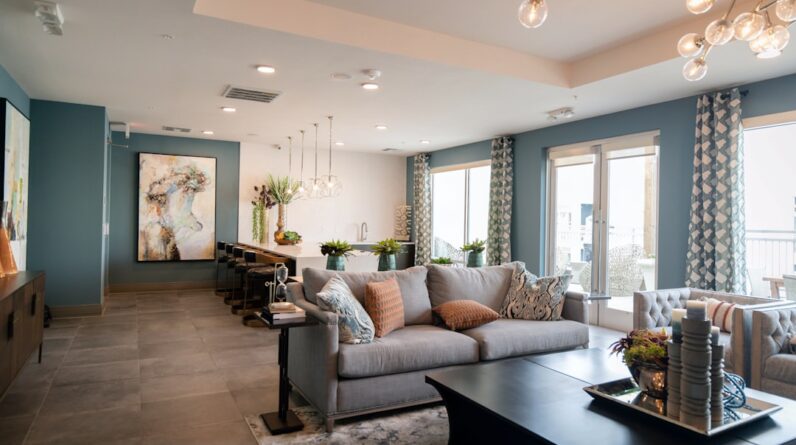
Additionally, consider how you can create an atmosphere that inspires focus and creativity. This might involve curating a selection of artwork or personal items that resonate with you, as well as incorporating plants or natural elements that promote well-being. By blending technology with thoughtful design choices, you can create a workspace that feels cohesive and inviting.
The goal is to establish an environment where you feel motivated to tackle challenges and produce your best work.
The Role of Virtual Reality and Augmented Reality in Home Office Design
As technology continues to evolve, virtual reality (VR) and augmented reality (AR) are beginning to play significant roles in home office design. You may find that these immersive technologies offer unique opportunities for enhancing collaboration and creativity in your workspace. For instance, VR can transport you into a virtual meeting room where you can interact with colleagues as if you were in the same physical space.
This can be particularly beneficial for remote teams looking to foster a sense of connection despite geographical barriers. AR, on the other hand, can enhance your design process by allowing you to visualize how different elements will look in your space before making any purchases. Imagine being able to project virtual furniture into your room to see how it fits with your existing decor.
This capability not only saves time but also helps you make more informed decisions about your home office setup. As these technologies become more accessible, you may find yourself leveraging them to create a more dynamic and engaging work environment.
Sustainable and Eco-friendly Technology in Home Office Design
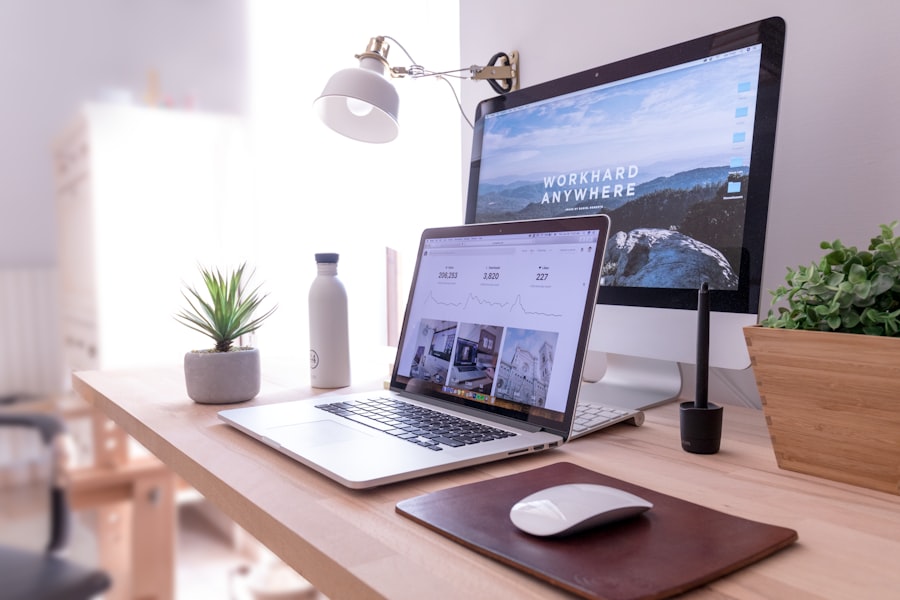
Eco-Friendly Technology for a Smaller Carbon Footprint
In today’s world, sustainability is more important than ever, and this extends to your home office design as well. You may want to consider incorporating eco-friendly technology into your workspace to reduce your carbon footprint while still enjoying the benefits of modern advancements. This could involve selecting energy-efficient devices that consume less power or opting for furniture made from sustainable materials.
Minimizing Waste in Your Home Office
Additionally, think about how you can minimize waste in your home office. Digital tools can help you reduce paper usage by allowing you to store documents electronically and collaborate online. You might also explore options for recycling old electronics or donating unused equipment to local organizations.
Aligning Your Workspace with Your Values
By prioritizing sustainability in your home office design, you not only contribute to a healthier planet but also create a workspace that aligns with your values.
Security and Privacy in Technology-driven Home Offices
As you embrace technology in your home office, it’s crucial to prioritize security and privacy. With the rise of remote work comes an increased risk of cyber threats, making it essential for you to implement robust security measures. Start by ensuring that your Wi-Fi network is secure with strong passwords and encryption protocols.
You may also want to invest in a virtual private network (VPN) to protect your online activities from prying eyes. Furthermore, consider the importance of data privacy when using cloud-based applications or collaboration tools. Familiarize yourself with the privacy policies of the platforms you use and take steps to safeguard sensitive information.
Regularly updating software and using antivirus programs can also help protect against potential threats. By being proactive about security and privacy, you can create a safe environment for both yourself and any sensitive information related to your work.
The Future of Technology-driven Home Offices
Looking ahead, the future of technology-driven home offices appears bright and full of possibilities. As advancements continue to reshape our understanding of workspaces, you may find yourself at the forefront of this evolution. The integration of artificial intelligence (AI) into everyday tasks could streamline workflows even further, allowing you to focus on higher-level responsibilities while routine tasks are handled automatically.
Moreover, as remote work becomes more normalized, the concept of hybrid workspaces may gain traction. You might envision a future where home offices are designed not just for individual productivity but also for collaborative efforts with teams spread across different locations. This could lead to innovative designs that prioritize flexibility and adaptability, allowing you to easily transition between focused work and collaborative brainstorming sessions.
In conclusion, the rise of technology-driven home offices has transformed how we approach work and productivity. By thoughtfully integrating technology into your workspace design, embracing smart furniture and devices, creating a connected environment, and prioritizing sustainability and security, you can craft an office that not only meets your professional needs but also reflects your personal style and values. As we look toward the future, it’s clear that the evolution of home offices will continue to shape our work lives in exciting ways.
FAQs
What is a technology-driven home office?
A technology-driven home office is a workspace within a residential setting that is equipped with modern technological tools and devices to facilitate remote work and productivity.
What are some common features of technology-driven home offices?
Common features of technology-driven home offices include high-speed internet access, ergonomic furniture, smart lighting, video conferencing equipment, and integrated storage solutions for electronic devices.
How does technology impact contemporary home office design?
Technology has a significant impact on contemporary home office design by enabling the integration of smart devices, wireless connectivity, and multifunctional workstations to create efficient and flexible work environments.
What are the benefits of a technology-driven home office?
The benefits of a technology-driven home office include increased productivity, flexibility in work schedules, cost savings on commuting, and the ability to leverage advanced communication and collaboration tools for remote work.
What are some popular design trends for technology-driven home offices?
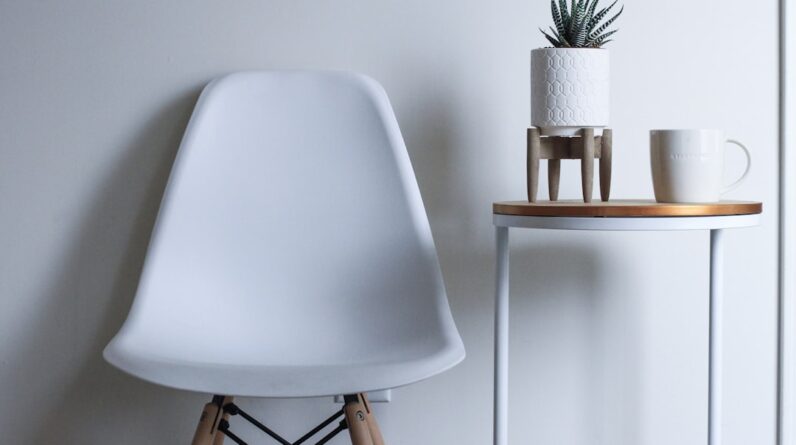
Popular design trends for technology-driven home offices include minimalist and clutter-free workspaces, incorporation of natural elements, use of sustainable materials, and the integration of smart home automation systems for enhanced efficiency and comfort.