Multigenerational living is a concept that has gained significant traction in recent years, reflecting a shift in how families choose to cohabitate. You may find yourself living under one roof with parents, grandparents, children, or even siblings, creating a dynamic household that blends various generations. This arrangement can stem from various factors, including economic considerations, cultural traditions, or the desire for stronger family bonds.
As you navigate this living situation, it’s essential to understand the nuances and implications of sharing your home with multiple generations. In many cultures, multigenerational living is not just a trend but a way of life. You might appreciate the wisdom and experience that older family members bring to the table while also enjoying the energy and creativity of younger generations.
This unique blend can foster a sense of community and support that is often missing in more traditional living arrangements. However, it also requires careful consideration of each family member’s needs and preferences to ensure harmony and cooperation within the household.
Key Takeaways
- Multigenerational living refers to multiple generations living under one roof, such as grandparents, parents, and children.
- The benefits of multigenerational living include shared expenses, emotional support, and the ability to provide care for aging family members.
- Design considerations for multigenerational homes include creating separate living spaces, incorporating flexible layouts, and ensuring accessibility for all family members.
- Flexible spaces in multigenerational homes can include convertible rooms, separate entrances, and shared common areas for family gatherings.
- Incorporating universal design principles in multigenerational homes ensures that the space is accessible and functional for people of all ages and abilities.
The Benefits of Multigenerational Living
Financial Benefits
By sharing resources, expenses such as housing costs, utilities, and groceries become more manageable, alleviating stress and allowing for allocation of funds towards education or savings.
Emotional Support and Stronger Family Connections
Living together can lead to increased emotional support during challenging times, creating a safety net that enhances overall well-being. Spending more time with loved ones leads to deeper relationships and a greater understanding of each other’s lives.
A Lasting Legacy for Children
This close-knit environment is particularly valuable for kids, who gain valuable life lessons from their grandparents and other relatives. Shared experiences and stories passed down through generations enrich the family’s history and lasting memories that will be cherished for years to come.
Design Considerations for Multigenerational Homes

When designing a multigenerational home, it’s crucial to consider the diverse needs of all family members. You may want to start by assessing the space available and determining how best to utilize it for maximum comfort and functionality. This could involve creating separate living areas or private suites that allow for both communal and individual experiences.
By thoughtfully planning the layout, you can ensure that everyone has their own space while still fostering togetherness. Another important aspect to consider is accessibility. As you design your home, think about the varying mobility levels of family members.
Incorporating features such as wider doorways, ramps, and single-level living can make a significant difference in ensuring that everyone feels comfortable and safe within the space. Additionally, consider how natural light and ventilation can enhance the overall atmosphere of your home, creating an inviting environment for all generations.
Flexible Spaces for Multigenerational Living
Flexibility is key when it comes to designing spaces for multigenerational living. You may want to create multifunctional areas that can adapt to different needs throughout the day. For instance, a room that serves as a play area for children during the day could easily transform into a quiet study or guest room at night.
By incorporating movable furniture or modular designs, you can maximize the utility of each space while accommodating the changing dynamics of your household. Another approach is to consider outdoor spaces as extensions of your home. You might find that a well-designed patio or garden area can serve as a gathering place for family activities or provide a peaceful retreat for those seeking solitude.
By blending indoor and outdoor living spaces, you can create an environment that encourages interaction while also allowing for personal reflection and relaxation.
Incorporating Universal Design Principles
Universal design principles focus on creating spaces that are accessible and usable by everyone, regardless of age or ability. As you embark on designing your multigenerational home, consider how these principles can enhance the overall functionality of your space. Features such as lever-style door handles, non-slip flooring, and adjustable countertops can make daily tasks easier for all family members, promoting independence and reducing frustration.
Incorporating universal design not only benefits those with mobility challenges but also enhances the overall aesthetic of your home. You may find that these thoughtful design choices create a more cohesive and inviting environment that appeals to everyone in your family. By prioritizing accessibility from the outset, you can ensure that your home remains comfortable and functional for years to come.
Creating Private Retreats within Multigenerational Homes

While multigenerational living promotes togetherness, it’s equally important to create private retreats where family members can recharge and enjoy solitude. You might consider designing individual bedrooms or cozy nooks that provide a sense of personal space amidst the communal areas of your home. These retreats can serve as sanctuaries where family members can unwind after a long day or engage in hobbies without interruption.
In addition to private bedrooms, think about incorporating quiet zones throughout your home. A reading corner by a window or a small meditation space in the garden can offer moments of peace and reflection for everyone in the household. By intentionally designing these retreats, you foster an environment where each family member feels valued and respected, ultimately enhancing the overall harmony of your multigenerational living experience.
Designing for Accessibility and Safety
Safety should be a top priority when designing a multigenerational home. You may want to assess potential hazards and implement features that promote security for all family members. For instance, installing grab bars in bathrooms or ensuring that staircases have sturdy handrails can significantly reduce the risk of accidents for older adults or young children alike.
Additionally, consider how lighting plays a role in safety within your home. Adequate illumination in hallways, staircases, and entryways can help prevent falls and create a welcoming atmosphere. Motion-sensor lights can be particularly useful in areas where family members may navigate during the night.
By prioritizing safety in your design choices, you create an environment where everyone feels secure and at ease.
Embracing Modern Aesthetics in Multigenerational Design
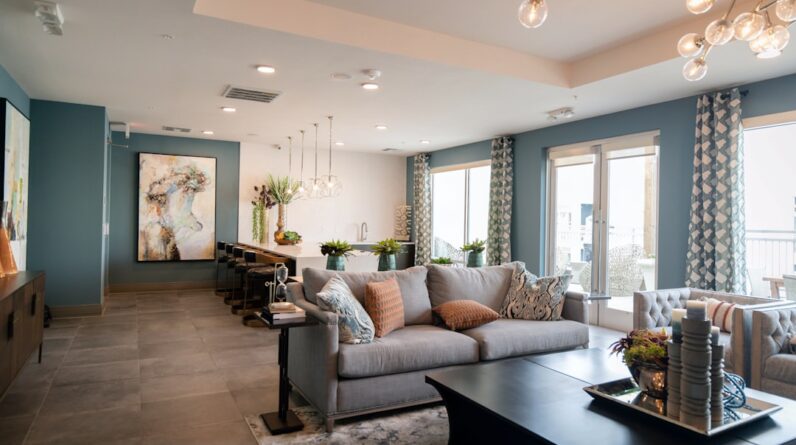
As you design your multigenerational home, don’t shy away from embracing modern aesthetics that reflect your family’s unique style. You might find inspiration in contemporary design trends that prioritize open spaces, clean lines, and minimalism while still accommodating the diverse needs of your household. By blending modern elements with functional design features, you can create an inviting atmosphere that resonates with all generations.
Incorporating technology into your home design can also enhance both aesthetics and functionality. Smart home systems allow you to control lighting, temperature, and security features with ease, making daily life more convenient for everyone in your household. By thoughtfully integrating modern technology into your multigenerational home, you not only elevate its design but also improve the overall quality of life for all family members.
In conclusion, multigenerational living presents both challenges and opportunities for families seeking to strengthen their bonds while navigating shared spaces. By understanding the dynamics at play and thoughtfully considering design elements such as flexibility, accessibility, and aesthetics, you can create a harmonious environment that caters to the needs of every generation under one roof. Embracing this lifestyle allows you to cultivate deeper connections with your loved ones while enjoying the many benefits that come from sharing your home with multiple generations.
FAQs
What is contemporary design for multigenerational living?
Contemporary design for multigenerational living refers to the architectural and interior design approach that caters to the needs of multiple generations living under one roof. It focuses on creating spaces that are functional, accessible, and aesthetically pleasing for people of all ages.
What are the key features of contemporary design for multigenerational living?
Key features of contemporary design for multigenerational living include flexible floor plans, separate living areas for privacy, universal design elements for accessibility, and shared communal spaces for family gatherings.
How does contemporary design for multigenerational living address the needs of different generations?
Contemporary design for multigenerational living addresses the needs of different generations by incorporating features such as accessible bathrooms, wider doorways, open floor plans, and private living spaces to accommodate the varying needs and preferences of each generation.
What are the benefits of contemporary design for multigenerational living?
The benefits of contemporary design for multigenerational living include fostering closer family relationships, providing support for aging parents, sharing household expenses, and creating a sense of community and togetherness within the family.
How can contemporary design for multigenerational living be implemented in a home?
Contemporary design for multigenerational living can be implemented in a home by working with architects and interior designers to create adaptable living spaces, incorporating universal design principles, and considering the specific needs and preferences of each generation living in the home.