When you delve into the world of design, one of the fundamental principles you encounter is contrast. At its core, contrast refers to the juxtaposition of differing elements to create visual interest and highlight specific features. This principle can manifest in various forms, such as color, shape, size, and texture.
By understanding how contrast works, you can enhance your design projects, making them more engaging and dynamic. It’s not just about placing two opposing elements side by side; it’s about creating a dialogue between them that draws the viewer’s eye and evokes emotion. In your design journey, you may find that contrast serves as a powerful tool for storytelling.
For instance, a bright color against a muted background can evoke feelings of excitement or urgency, while soft textures paired with hard surfaces can create a sense of balance and harmony. By thoughtfully incorporating contrast into your designs, you can guide the viewer’s attention and create focal points that resonate with your intended message. This understanding of contrast will empower you to make informed decisions that elevate your work and captivate your audience.
Key Takeaways
- Contrast in design refers to the use of opposing elements such as color, texture, and shape to create visual interest and impact.
- Mixing different styles in design can result in a dynamic and visually appealing aesthetic, adding depth and character to a space.
- Contrasting materials in design, such as combining wood and metal or glass and concrete, can create a striking and unique look.
- Using contrast effectively can help create visual interest and draw attention to specific elements in a design, enhancing the overall impact.
- Balancing contrast is important for creating a cohesive design, ensuring that the opposing elements work together harmoniously.
Mixing Styles for a Dynamic Aesthetic
As you explore the realm of design, you might discover the beauty of mixing styles to achieve a dynamic aesthetic. Combining different design styles—such as modern with vintage or minimalist with bohemian—can create a rich tapestry of visual experiences. This approach allows you to express your unique personality while also appealing to a broader audience.
The key is to find a balance between the contrasting styles, ensuring that they complement rather than clash with one another. When you mix styles, consider how each element interacts with the others. For example, a sleek, contemporary sofa can be beautifully offset by an ornate, antique coffee table.
This juxtaposition not only adds depth to your space but also invites conversation and curiosity. By embracing the contrasts inherent in different styles, you can create an environment that feels both cohesive and eclectic, reflecting your personal taste while also showcasing the beauty of diversity in design.
The Impact of Contrasting Materials in Design
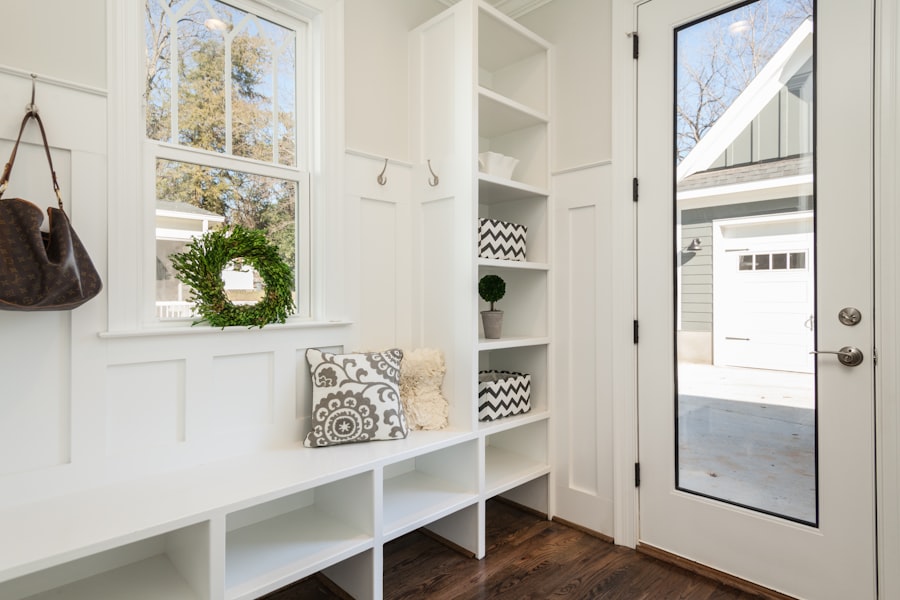
The choice of materials plays a crucial role in establishing contrast within your designs. Different materials possess unique qualities that can evoke various emotions and sensations. For instance, pairing smooth glass with rough wood can create a striking visual contrast that draws attention and adds depth to your space.
As you experiment with contrasting materials, consider how they interact not only visually but also texturally. The tactile experience can significantly enhance the overall impact of your design. Incorporating contrasting materials can also serve functional purposes.
For example, using durable metals alongside soft fabrics can create a balance between comfort and resilience. This thoughtful combination ensures that your design is not only aesthetically pleasing but also practical for everyday use. As you navigate through material choices, remember that the contrasts you create can transform an ordinary space into an extraordinary one, inviting exploration and engagement from those who experience it.
Using Contrast to Create Visual Interest
Visual interest is essential in any design project, and contrast is one of the most effective ways to achieve it. By strategically placing contrasting elements within your design, you can guide the viewer’s eye and create a sense of movement throughout the space. For instance, using bold patterns alongside solid colors can create a dynamic interplay that keeps the viewer engaged.
This technique encourages exploration and invites individuals to discover the nuances within your design. As you work with contrast to enhance visual interest, consider the scale and proportion of the elements involved. Large, bold shapes can be balanced with smaller, intricate details to create a harmonious composition.
Additionally, varying the intensity of colors can further amplify the impact of your design. By thoughtfully incorporating these contrasting elements, you can craft a visually stimulating environment that captivates and inspires those who encounter it.
Balancing Contrast for Cohesive Design
While contrast is essential for creating visual interest, achieving balance is equally important for maintaining a cohesive design. You may find that too much contrast can lead to chaos rather than harmony. Striking the right balance involves carefully considering how contrasting elements interact with one another and ensuring that they work together to support your overall vision.
This delicate dance between contrast and cohesion is what elevates your design from ordinary to extraordinary. To achieve this balance, start by establishing a unifying theme or color palette that ties your contrasting elements together. This could be a specific color that appears in both contrasting pieces or a shared texture that creates continuity throughout the space.
By grounding your design in these unifying elements, you can allow for contrast without sacrificing cohesion. This approach will enable you to create a space that feels intentional and thoughtfully curated while still embracing the beauty of contrast.
Incorporating Contrast in Furniture and Décor
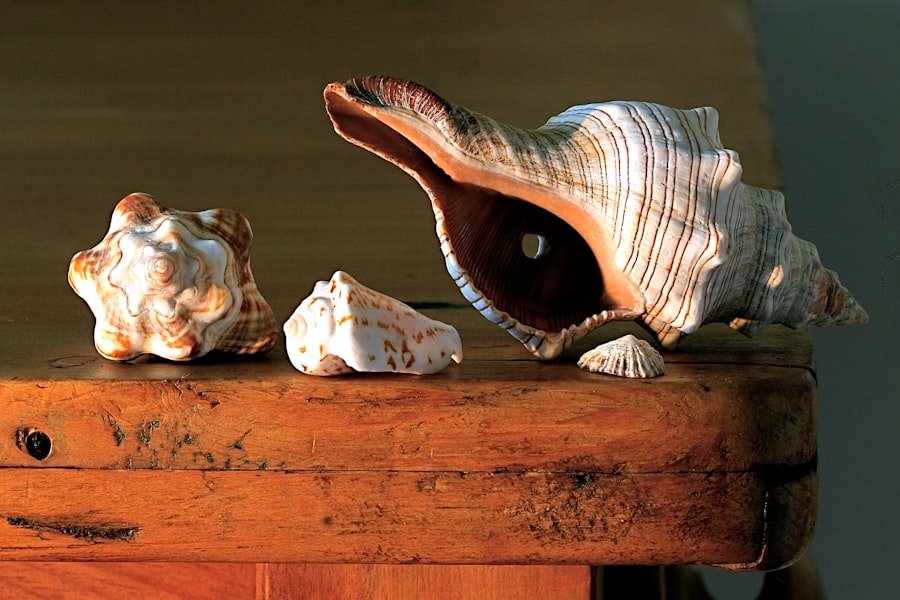
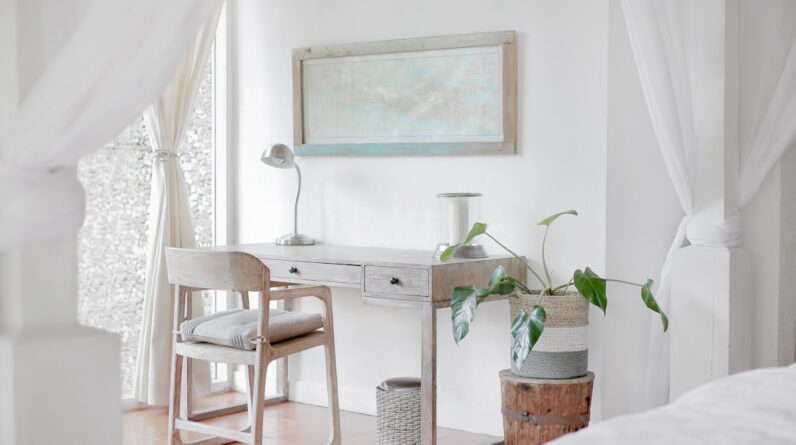
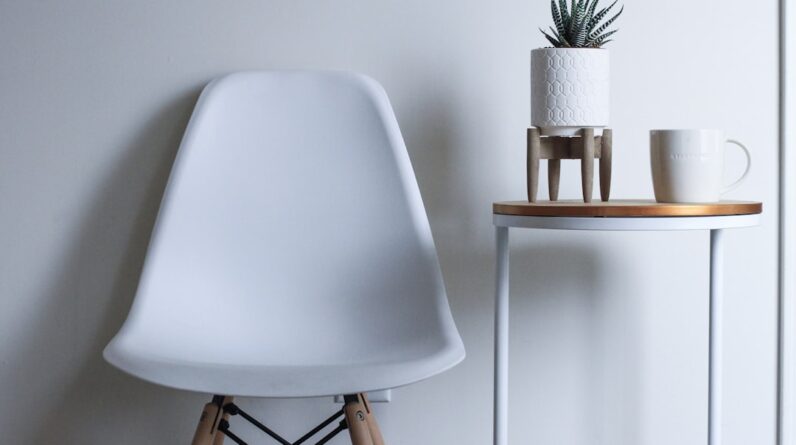
When it comes to furniture and décor, incorporating contrast can significantly enhance the overall aesthetic of your space. You might consider selecting pieces that embody contrasting styles or materials to create visual intrigue. For example, pairing a sleek modern chair with a rustic wooden table can create an engaging focal point that draws attention and sparks conversation.
This thoughtful combination not only adds depth to your design but also reflects your personal style. In addition to style contrasts, think about how color and texture play into your furniture choices. A plush velvet sofa can be beautifully complemented by a sleek metal coffee table, creating a striking juxtaposition that invites comfort while maintaining sophistication.
As you curate your furniture and décor selections, remember that each piece contributes to the overall narrative of your space. By embracing contrast in these elements, you can craft an environment that feels both inviting and visually stimulating.
The Role of Contrast in Contemporary Architecture
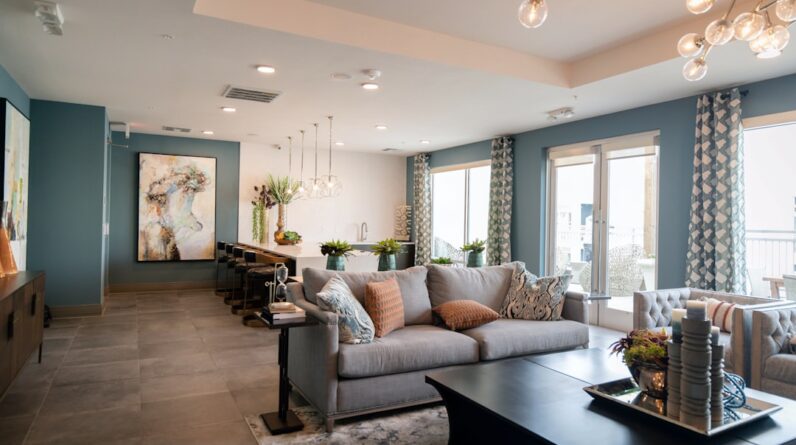
In contemporary architecture, contrast plays a pivotal role in shaping innovative designs that challenge traditional norms. As you observe modern buildings, you’ll notice how architects often employ contrasting materials and forms to create striking visual statements. For instance, the juxtaposition of glass and concrete can evoke feelings of transparency and solidity simultaneously, inviting viewers to engage with the structure on multiple levels.
Moreover, contrast in architecture extends beyond materials; it encompasses spatial relationships as well. Open floor plans contrasted with intimate nooks can create dynamic experiences within a single structure. As you explore contemporary architectural designs, consider how these contrasts contribute to functionality and aesthetics alike.
By embracing contrast in architecture, designers are able to push boundaries and redefine what is possible in built environments.
Embracing Contrast in Design for Personal Expression
Ultimately, embracing contrast in design allows for personal expression and creativity to flourish. As you navigate through various design choices, consider how contrasting elements reflect your individuality and unique perspective. Whether it’s through bold color choices or unexpected material combinations, each decision contributes to a narrative that is distinctly yours.
By allowing yourself to experiment with contrast, you open up new avenues for self-expression within your designs. This exploration not only enhances your creative process but also invites others to connect with your work on a deeper level. As you embrace contrast in your designs, remember that it is not merely about aesthetics; it is about telling your story through the interplay of differing elements that come together to form something beautiful and meaningful.
FAQs
What is contrast in contemporary design?
Contrast in contemporary design refers to the use of different elements such as styles, materials, colors, and textures to create visual interest and impact in a space.
How is contrast used in mixing styles in contemporary design?
In contemporary design, contrast is used to mix different styles such as modern and traditional, creating a dynamic and eclectic look that adds depth and character to a space.
What role does contrast play in mixing materials in contemporary design?
Contrast in mixing materials is used to create visual tension and balance in contemporary design. It involves combining different textures and finishes to add depth and richness to a space.
What are some examples of using contrast in contemporary design?
Examples of using contrast in contemporary design include pairing sleek, modern furniture with rustic, vintage accessories, combining matte and glossy finishes, and mixing bold, vibrant colors with neutral tones.
How does contrast contribute to the overall aesthetic of contemporary design?
Contrast adds visual interest, depth, and complexity to contemporary design, creating a dynamic and engaging aesthetic that reflects the diversity and eclecticism of modern living.