As you delve into the world of contemporary design, it’s essential to grasp its foundational principles. Contemporary design is not merely a style; it is a reflection of the current cultural and technological landscape. It embraces innovation while remaining rooted in functionality.
You will find that this design philosophy often prioritizes clean lines, open spaces, and a sense of fluidity. The beauty of contemporary design lies in its ability to adapt and evolve, making it a dynamic choice for any space. In your exploration, you may notice that contemporary design often blurs the lines between indoor and outdoor environments.
This seamless integration creates a sense of continuity and connection with nature. You might also appreciate how contemporary design encourages the use of sustainable materials and practices, reflecting a growing awareness of environmental issues. By understanding these principles, you can begin to appreciate how contemporary design not only enhances aesthetics but also promotes a lifestyle that values simplicity, sustainability, and innovation.
Key Takeaways
- Contemporary design principles focus on clean lines, simplicity, and functionality
- Natural elements such as wood, stone, and plants can add warmth and texture to contemporary spaces
- Embracing minimalism means decluttering and focusing on essential elements for a clean and uncluttered look
- Soft and neutral color palettes create a calming and soothing atmosphere in contemporary design
- Creating balance and harmony through symmetry and proportion is key in contemporary design
- Functional and streamlined furniture with clean lines and simple forms complement contemporary design
- Soft lighting and textures add depth and warmth to contemporary spaces
- Mindful and intentional design choices contribute to a cohesive and harmonious contemporary design aesthetic
Incorporating Natural Elements
Creating a Sense of Tranquility and Connection
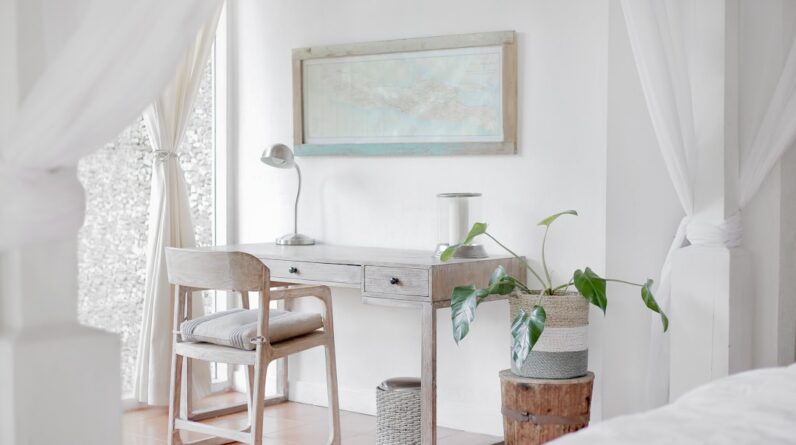
These elements can create a sense of tranquility and connection to the earth, making your space feel more inviting and alive. Additionally, you can introduce greenery into your design through houseplants or vertical gardens. Plants not only purify the air but also add a vibrant touch of color and life to your surroundings.
Bringing in Natural Light
You may find that incorporating natural light through large windows or skylights can further enhance this connection to nature. The interplay of light and shadow can create dynamic visual interest while promoting a sense of well-being.
Cultivating a Refreshing and Rejuvenating Space
By thoughtfully integrating these natural elements, you can cultivate an environment that feels both refreshing and rejuvenating.
Embracing Minimalism

Minimalism is a cornerstone of contemporary design, emphasizing the idea that less is more. As you embrace this philosophy, you will discover the beauty in simplicity and the power of decluttering. By removing unnecessary items from your space, you create an environment that feels open and airy.
This approach not only enhances visual appeal but also promotes mental clarity and focus. You may find that a minimalist approach allows you to appreciate the beauty of each piece in your space, rather than being overwhelmed by excess. In your journey toward minimalism, consider the importance of functionality in every item you choose to keep.
Each piece should serve a purpose while contributing to the overall aesthetic of your space. You might opt for multi-functional furniture that maximizes utility without compromising style. For instance, a sleek coffee table with hidden storage can help maintain a clean look while providing practical solutions for everyday living.
By embracing minimalism, you create a serene environment that encourages mindfulness and intentionality in your daily life.
Utilizing Soft and Neutral Color Palettes
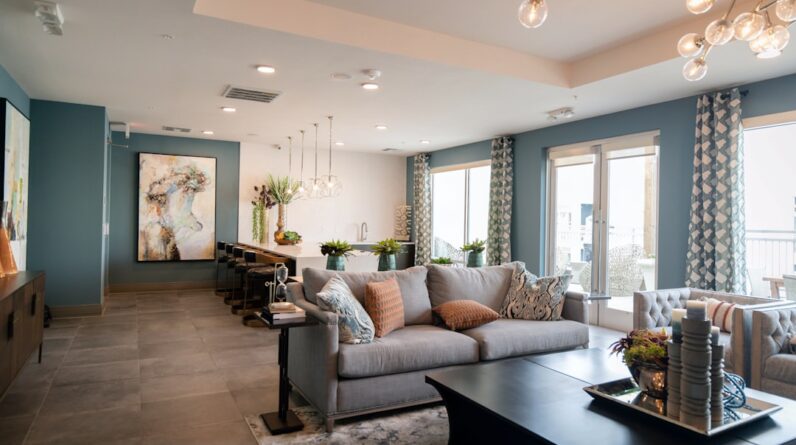
Color plays a crucial role in shaping the mood and atmosphere of your space. When you utilize soft and neutral color palettes, you create a calming backdrop that allows other design elements to shine. Shades like beige, gray, and soft pastels can evoke feelings of tranquility and comfort, making them ideal choices for contemporary spaces.
You may find that these colors provide a versatile foundation that can easily adapt to changing trends or personal preferences. In addition to creating a soothing environment, soft and neutral colors can enhance the perception of space. Lighter shades tend to reflect light, making rooms feel larger and more open.
You might consider using these colors on walls, furniture, and even textiles to create a cohesive look throughout your home. To add depth and interest, you can incorporate varying textures or subtle patterns within this palette. By thoughtfully selecting your color scheme, you can cultivate an atmosphere that feels both inviting and sophisticated.
Creating Balance and Harmony
Achieving balance and harmony in your design is essential for creating a cohesive and inviting space. As you arrange furniture and decor, consider the visual weight of each element. You may find that balancing larger pieces with smaller accents creates a sense of equilibrium that feels pleasing to the eye.
For instance, pairing a substantial sofa with delicate side tables can create an engaging contrast while maintaining harmony within the room. In addition to visual balance, think about how different elements interact with one another in terms of style and function. You might choose to mix modern pieces with vintage finds, creating an eclectic yet harmonious atmosphere.
The key is to ensure that each element complements rather than competes with others. By focusing on balance and harmony, you can create a space that feels thoughtfully curated and effortlessly stylish.
Incorporating Functional and Streamlined Furniture

Streamlined Furniture for a Cohesive Look
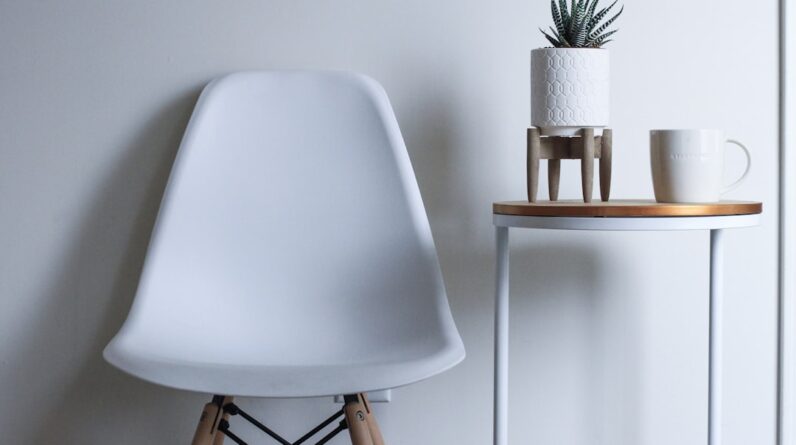
Opting for furniture with clean lines and minimal ornamentation aligns perfectly with contemporary design principles. This approach allows each piece to stand out while maintaining a cohesive appearance throughout your home.
Functional Furniture for a Practical Lifestyle
Consider investing in furniture that serves multiple purposes, such as a sofa bed or an extendable dining table. These functional pieces can adapt to your lifestyle needs while maximizing space efficiency.
Modular Furniture for Flexibility
You might also explore modular furniture options that allow for flexibility in arrangement, making it easy to reconfigure your space as needed. By incorporating functional and streamlined furniture into your design, you create an environment that is not only visually appealing but also practical for everyday living.
Using Soft Lighting and Textures
Lighting plays a pivotal role in shaping the atmosphere of your space. As you explore different lighting options, consider incorporating soft lighting to create a warm and inviting ambiance. You might choose fixtures with dimmers or opt for lamps with warm-toned bulbs to achieve this effect.
Soft lighting can enhance the overall mood of your home, making it feel cozy and welcoming. In addition to lighting, textures are essential for adding depth and interest to your design. You may want to experiment with various materials such as plush fabrics, smooth metals, or natural fibers to create a tactile experience within your space.
Layering textures through cushions, rugs, and throws can evoke warmth while adding visual intrigue. By thoughtfully combining soft lighting with rich textures, you can cultivate an environment that feels both comfortable and sophisticated.
Incorporating Mindful and Intentional Design Choices
Finally, as you embark on your design journey, consider the importance of mindful and intentional choices. Each element in your space should reflect your values and lifestyle preferences. You might take time to curate items that hold personal significance or evoke positive memories, creating an environment that resonates with who you are.
This intentionality fosters a deeper connection to your space, transforming it into a true reflection of yourself. Moreover, being mindful of sustainability in your design choices can further enhance this connection. You may choose to source furniture from local artisans or select eco-friendly materials that align with your values.
By prioritizing mindful design choices, you create not only a beautiful space but also one that contributes positively to the world around you. Ultimately, this approach allows you to cultivate an environment that feels authentic, purposeful, and deeply satisfying. In conclusion, contemporary design offers a wealth of opportunities for creating spaces that are both beautiful and functional.
By understanding its principles and incorporating natural elements, minimalism, soft color palettes, balance, functional furniture, soft lighting, textures, and mindful choices into your design process, you can craft an environment that truly reflects your personality and lifestyle. Embrace this journey as an opportunity for self-expression and creativity—your space is waiting to be transformed into something extraordinary.
FAQs
What is contemporary design?
Contemporary design refers to the style of the present moment. It is characterized by clean lines, minimalism, and a focus on function and simplicity.
How can I achieve a sense of tranquility in contemporary design?
To achieve a sense of tranquility in contemporary design, you can focus on creating a clutter-free space, using a neutral color palette, incorporating natural materials, and maximizing natural light.
What are some key elements of contemporary design that promote tranquility?
Key elements of contemporary design that promote tranquility include open floor plans, uncluttered spaces, minimalistic furniture, and the use of natural elements such as wood, stone, and plants.
How can I incorporate nature into contemporary design to create a tranquil space?
You can incorporate nature into contemporary design by using natural materials such as wood and stone, incorporating indoor plants, and maximizing natural light through large windows and skylights.
What are some tips for creating a sense of tranquility in a contemporary bedroom?
To create a sense of tranquility in a contemporary bedroom, you can use a neutral color palette, minimize clutter, choose simple and functional furniture, and incorporate soft textures and natural materials.