When you step into a historic home, you are not just entering a building; you are walking into a narrative that has been woven through time. Each creak of the floorboards and every crack in the plaster tells a story of the past, reflecting the architectural styles and cultural influences of the era in which it was built. To truly appreciate the character of your historic home, you must immerse yourself in its history.
Researching the architectural style, understanding the materials used, and recognizing the craftsmanship involved can provide you with a deeper connection to your space. This knowledge will guide your decisions as you consider updates and renovations, ensuring that you honor the home’s original charm while making it functional for modern living. As you explore the unique features of your historic home, take note of elements such as moldings, fireplaces, and window designs.
These details are not merely decorative; they are integral to the home’s identity. You might find that the intricate woodwork or the original tile flooring is worth preserving, as they contribute to the overall aesthetic and historical significance. By understanding these characteristics, you can make informed choices about what to keep and what to update, allowing you to maintain the integrity of your home while adapting it to your lifestyle.
Key Takeaways
- Understanding the historic home’s character is essential for preserving its unique charm and architectural features.
- Updating the interior design can be achieved by blending modern and traditional elements to create a cohesive and timeless look.
- Modernizing the kitchen and bathrooms can be done by incorporating contemporary fixtures and appliances while respecting the home’s original style.
- Incorporating smart home technology can enhance the functionality and convenience of a historic home without compromising its character.
- Enhancing energy efficiency through insulation, windows, and HVAC upgrades can improve the comfort and sustainability of a historic home.
Updating the Interior Design
Assessing the Existing Layout
You may want to start by assessing the existing layout and flow of your space. Often, historic homes have smaller rooms and compartmentalized layouts that may not suit contemporary living.
Opening Up Spaces
Consider how you can open up spaces while still respecting the original architecture. For instance, removing non-load-bearing walls can create a more open floor plan, allowing for better light and movement without compromising the home’s character.
Color Schemes and Furnishings
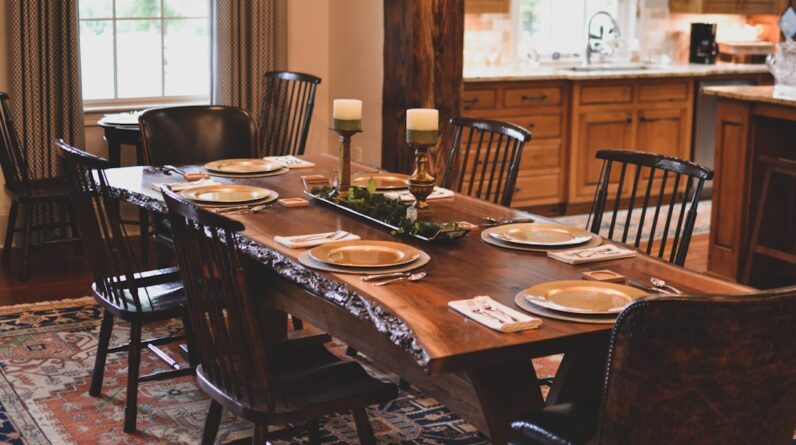
Color schemes play a crucial role in updating your interior design. While you might be tempted to go for bold, trendy colors, consider selecting a palette that complements the historic features of your home. Soft, muted tones can enhance original woodwork and architectural details, creating a harmonious blend of old and new. Additionally, incorporating vintage or antique furnishings can add depth to your design while maintaining a connection to the past. By thoughtfully curating your interior design choices, you can create a space that feels both fresh and timeless.
Modernizing the Kitchen and Bathrooms
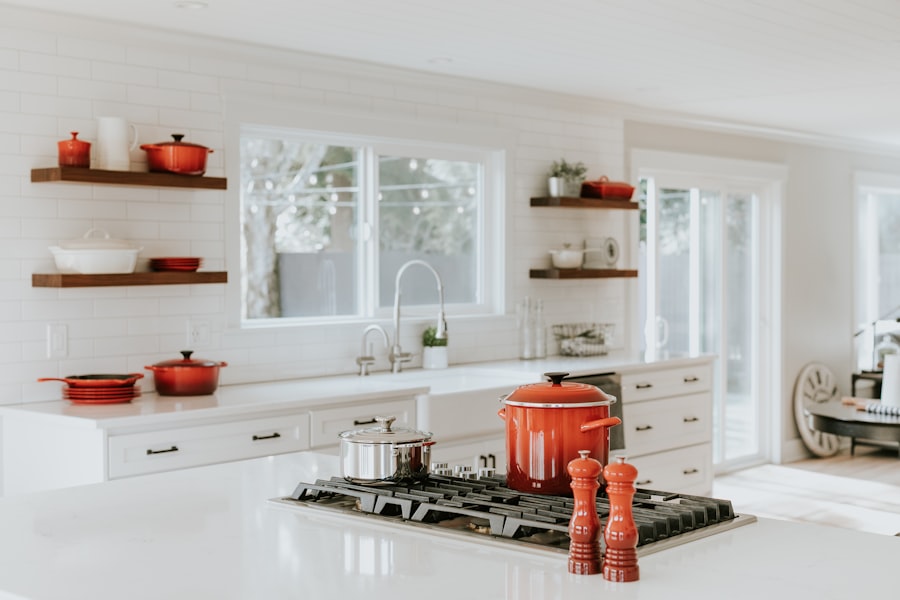
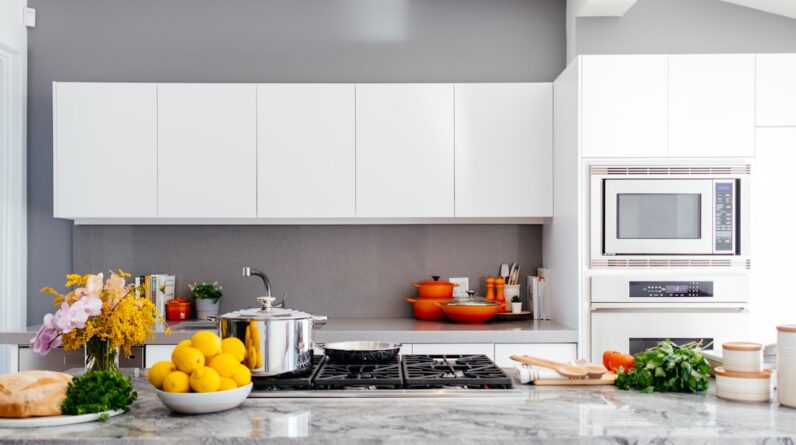
The kitchen and bathrooms are often considered the heart of a home, and modernizing these spaces can significantly enhance both functionality and comfort. In a historic home, you may face challenges such as outdated layouts or limited storage options. When modernizing these areas, focus on creating a balance between contemporary convenience and historical charm.
For example, consider installing modern appliances that blend seamlessly with vintage cabinetry or opting for fixtures that echo traditional designs. In bathrooms, you might want to retain classic elements like clawfoot tubs or pedestal sinks while incorporating modern amenities such as heated floors or water-saving fixtures. This approach allows you to enjoy the comforts of modern living without sacrificing the character that makes your historic home unique.
Additionally, consider using materials that reflect the era of your home; for instance, subway tiles or hexagonal floor tiles can evoke a sense of nostalgia while providing a fresh look.
Incorporating Smart Home Technology
In today’s digital age, incorporating smart home technology into your historic home can enhance convenience and security without detracting from its charm. You might start by evaluating which technologies would best serve your needs—smart thermostats, lighting systems, or security cameras are all excellent options. The key is to choose devices that can be integrated discreetly into your home’s existing framework.
For instance, smart lighting can be installed in existing fixtures, allowing you to control ambiance without altering the original design. When considering smart technology, think about how it can improve your daily life while respecting the aesthetic of your historic home. Wireless systems can minimize the need for invasive wiring or modifications that could compromise structural integrity.
Additionally, many smart devices now come in designs that mimic traditional styles, allowing you to maintain a cohesive look throughout your home. By thoughtfully integrating technology, you can enjoy modern conveniences while preserving the essence of your historic space.
Enhancing Energy Efficiency
Energy efficiency is an essential consideration for any homeowner, especially in historic homes where older windows and insulation may lead to higher energy costs. You may want to start by conducting an energy audit to identify areas where improvements can be made without compromising historical integrity. For example, weatherstripping windows or adding storm windows can significantly reduce drafts while preserving the original glass.
Another effective way to enhance energy efficiency is by upgrading insulation in attics and walls. While this may require some renovation work, using materials that are compatible with your home’s structure will help maintain its character. Additionally, consider installing energy-efficient appliances in kitchens and bathrooms; these upgrades not only reduce energy consumption but also align with modern standards of sustainability.
By taking these steps, you can create a more comfortable living environment while being mindful of your home’s historical significance.
Preserving the Exterior
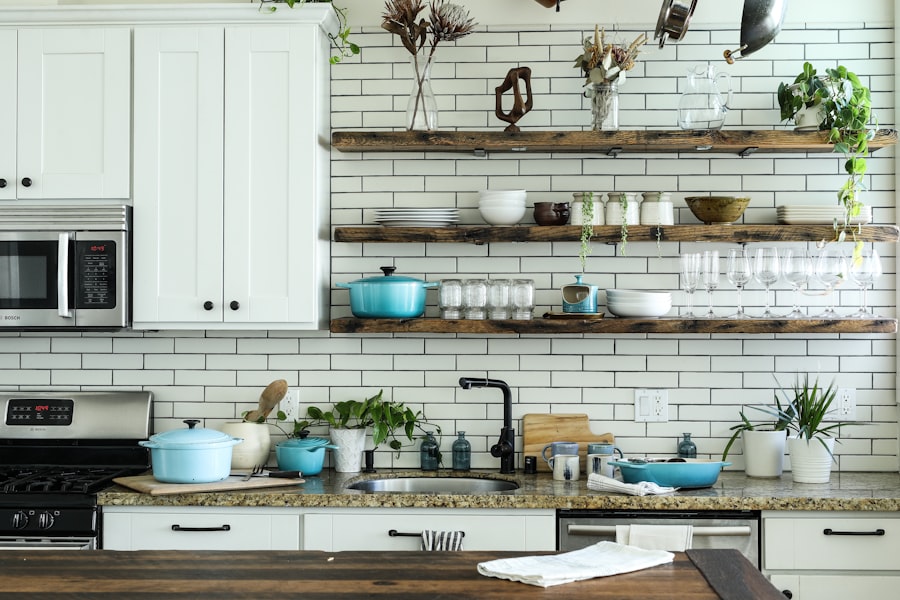
The exterior of your historic home is its first impression and plays a vital role in its overall character. Preserving this exterior is crucial not only for aesthetic reasons but also for maintaining property value. Start by assessing the condition of elements such as siding, roofing, and windows.
If repairs are needed, opt for materials that match or closely resemble the original ones to ensure continuity in appearance. Landscaping also contributes significantly to your home’s exterior charm. You might consider planting native species that reflect the historical context of your area or restoring original garden features like walkways or fences.
Maintaining these outdoor elements not only enhances curb appeal but also honors the legacy of those who lived in your home before you. By focusing on preservation efforts, you ensure that future generations can appreciate the beauty and history encapsulated in your property.
Adding Contemporary Art and Decor
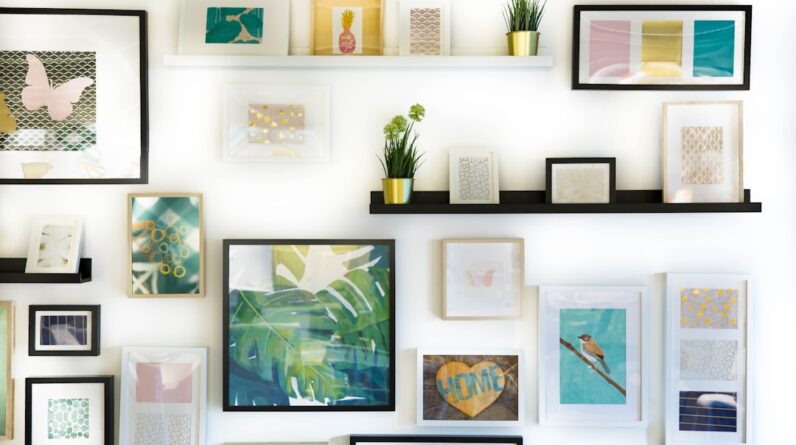
Incorporating contemporary art and decor into a historic home can create an exciting juxtaposition that breathes new life into traditional spaces. As you curate art pieces, think about how they can complement or contrast with the architectural features of your home. Large-scale modern art can serve as a striking focal point against classic moldings or vintage wallpaper, creating visual interest and sparking conversation.
When selecting decor items, consider pieces that reflect your personal style while also respecting the home’s character. Mixing modern furniture with antique finds can create an eclectic yet cohesive look that feels both curated and lived-in. Additionally, using contemporary textiles—such as bold patterns or vibrant colors—can add warmth and personality to rooms without overwhelming their historical elements.
This thoughtful integration allows you to express yourself while honoring the unique story of your historic home.
Balancing Old and New Elements
Achieving a harmonious balance between old and new elements in your historic home is an art form in itself. It requires careful consideration of how each piece contributes to the overall narrative of your space. As you make updates or renovations, always ask yourself how each decision aligns with both the history of the home and your personal style.
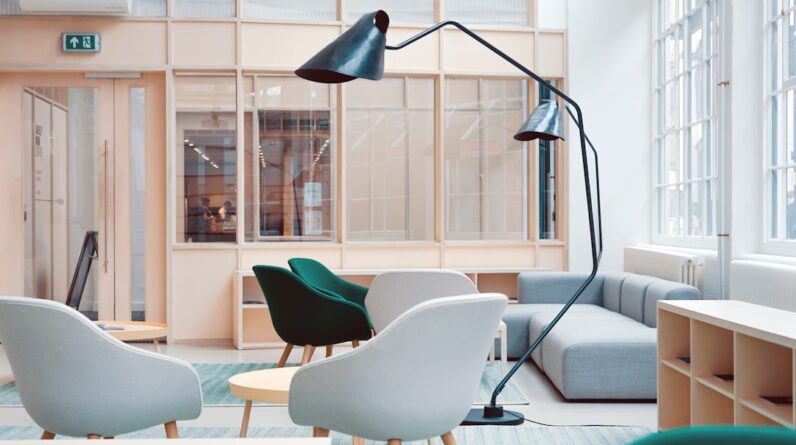
This reflective approach will help ensure that changes feel intentional rather than haphazard. One effective strategy is to create designated areas within your home where old and new elements coexist harmoniously. For instance, you might choose to keep traditional furnishings in one room while showcasing contemporary art in another.
This separation allows each style to shine without competing for attention. Ultimately, balancing old and new is about creating a cohesive environment where history is celebrated alongside modern living—an approach that honors both your home’s past and your present lifestyle. In conclusion, transforming a historic home into a modern sanctuary requires thoughtful consideration at every step.
By understanding its character, updating interiors mindfully, modernizing essential spaces like kitchens and bathrooms, incorporating smart technology discreetly, enhancing energy efficiency responsibly, preserving exterior features diligently, adding contemporary art tastefully, and balancing old with new elements skillfully, you can create a living space that respects its rich history while embracing contemporary comforts. Your journey will not only enhance your quality of life but also ensure that this cherished piece of history continues to tell its story for generations to come.
FAQs
What are the best strategies for making a historic home more contemporary without losing its character?
Some of the best strategies for making a historic home more contemporary without losing its character include preserving original architectural features, updating the interior design and decor, incorporating modern technology and amenities, and blending old and new elements seamlessly.
How can original architectural features be preserved when updating a historic home?
Original architectural features can be preserved when updating a historic home by carefully restoring and repairing them, using compatible materials and finishes, and integrating them into the new design scheme. It’s important to work with a preservation architect or specialist to ensure that the original features are respected and maintained.
What are some ways to update the interior design and decor of a historic home while preserving its character?
Updating the interior design and decor of a historic home while preserving its character can be achieved by mixing traditional and contemporary furnishings, using a neutral color palette with pops of modern colors, and incorporating vintage and modern artwork and accessories. It’s important to strike a balance between old and new to create a cohesive and harmonious look.
How can modern technology and amenities be incorporated into a historic home without compromising its character?
Modern technology and amenities can be incorporated into a historic home without compromising its character by discreetly integrating them into the existing architecture, using hidden wiring and smart home systems, and selecting fixtures and appliances that complement the historic style of the home. It’s important to prioritize functionality and convenience while respecting the original design.
What are some tips for blending old and new elements seamlessly in a historic home?
Some tips for blending old and new elements seamlessly in a historic home include maintaining a consistent design theme throughout the home, using transitional spaces to bridge the old and new areas, and paying attention to details such as moldings, trim, and hardware to create a cohesive look. It’s important to approach the renovation with sensitivity and respect for the home’s history.