


When it comes to creating a sense of spaciousness in your home, the choice of colors and materials plays a pivotal role. Light colors, such as soft whites, pale blues, and gentle pastels, can make a room feel airy and expansive. By painting your walls in these hues, you can reflect more light, which not only brightens the space but also gives the illusion of a larger area.
You might consider using light-colored furniture and decor as well; this cohesive palette can enhance the feeling of openness. For instance, opting for a light wood finish or a soft fabric for your sofa can contribute to a serene environment that feels less cramped. In addition to color, the materials you choose can significantly impact the overall ambiance of your space.
Lightweight fabrics, such as linen or cotton, can create a breezy feel, while glass and acrylic elements can add a modern touch without overwhelming the senses. You may want to incorporate these materials into your curtains, cushions, or even decorative accents. By selecting light colors and materials, you not only elevate the aesthetic appeal of your home but also foster an environment that feels more spacious and inviting.
Key Takeaways
- Light colors and materials can make a space feel more open and airy
- Mirrors can create the illusion of depth and make a space feel larger
- Sleek and streamlined furniture designs can contribute to a modern and minimalist aesthetic
- Natural light should be maximized and supplemented with artificial lighting for a well-lit space
- Open floor plans and multi-functional furniture can maximize space and functionality in a room
Incorporating Mirrors to Create Illusions of Depth
Mirrors are one of the most effective tools you can use to create an illusion of depth in your living space. By strategically placing mirrors on walls or using mirrored furniture, you can reflect light and create a sense of openness that might otherwise be lacking. For example, hanging a large mirror opposite a window can amplify natural light and make the room feel larger than it is.
You might also consider using smaller mirrors in clusters to add visual interest while still enhancing the perception of space. In addition to their practical benefits, mirrors can serve as stunning decorative elements. You can choose from various styles, shapes, and frames to complement your existing decor.
A vintage ornate mirror can add character to a traditional space, while a sleek, modern mirror can enhance a contemporary design. By incorporating mirrors thoughtfully into your home, you not only create an illusion of depth but also add layers of texture and style that enrich your overall design.
Selecting Furniture with Sleek and Streamlined Designs

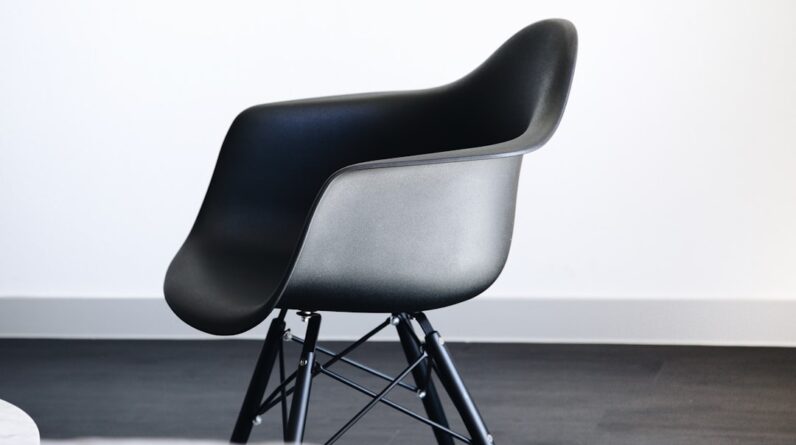
The furniture you choose can significantly influence how spacious your home feels. Opting for sleek and streamlined designs is essential in achieving an uncluttered look that promotes openness. Furniture with clean lines and minimal ornamentation tends to take up less visual space, allowing the eye to move freely throughout the room.
You might consider selecting pieces that are low-profile or have legs that elevate them off the ground; this creates a sense of airiness and prevents the room from feeling weighed down. Additionally, multifunctional furniture can be a game-changer in maximizing space. For instance, a coffee table that doubles as storage or an ottoman that can be used for seating provides practicality without sacrificing style.
When selecting furniture, think about how each piece contributes to the overall flow of the room. By choosing sleek designs that serve multiple purposes, you can maintain an open atmosphere while ensuring that your home remains functional and stylish.
Maximizing Natural Light and Utilizing Artificial Lighting
Natural light is one of the most effective ways to make any space feel larger and more inviting. To maximize natural light in your home, consider using sheer window treatments that allow sunlight to filter through while still providing privacy. You might also want to keep window sills clear of clutter to ensure that light can flow freely into the room.
If possible, arrange your furniture in a way that does not obstruct windows; this will help create an unobstructed view and enhance the overall brightness of the space. While natural light is invaluable, artificial lighting also plays a crucial role in creating an inviting atmosphere. Layering different types of lighting—ambient, task, and accent—can help you achieve a well-lit environment that feels open and welcoming.
For instance, using recessed lighting or wall sconces can provide general illumination without taking up valuable floor space. Additionally, incorporating floor lamps or table lamps with soft bulbs can create cozy nooks that invite relaxation while maintaining an airy feel throughout your home.
Implementing Open Floor Plans and Multi-functional Furniture
Open floor plans have gained popularity for their ability to create a sense of flow and connectivity between spaces. By removing unnecessary walls or barriers, you can foster an environment that feels expansive and inviting. This layout encourages interaction among family members and guests while allowing natural light to travel freely throughout the area.
If you’re considering an open floor plan, think about how each zone—such as the living room, dining area, and kitchen—can be defined through furniture arrangement rather than physical dividers. In conjunction with an open floor plan, multi-functional furniture is essential for maximizing space efficiency. Pieces like sofa beds or extendable dining tables allow you to adapt your living area to suit various needs without overcrowding it with excess furniture.
You might also explore options like nesting tables or storage ottomans that provide both functionality and style. By implementing an open layout combined with versatile furniture choices, you can create a harmonious living environment that feels spacious and accommodating.
Using Vertical Space for Storage and Decor

Optimizing Storage
When floor space is limited, utilizing vertical space becomes crucial in maintaining an organized and visually appealing home. Tall bookshelves or wall-mounted shelves can provide ample storage without taking up valuable square footage on the ground. You might consider installing floating shelves to display decorative items or books; this not only keeps surfaces clear but also draws the eye upward, creating an illusion of height in the room.
Decorative Elements
In addition to storage solutions, vertical space can be used creatively for decor purposes. Hanging artwork or decorative elements at varying heights adds visual interest while making use of otherwise neglected areas. You could also incorporate vertical gardens or wall planters to bring life into your home without sacrificing floor space.
Enhancing Functionality and Aesthetics
By thinking vertically, you can enhance both functionality and aesthetics in your living environment.
Employing Minimalist and Clutter-Free Design Principles
Embracing minimalist design principles is key to achieving a spacious feel in your home. A clutter-free environment not only looks more organized but also promotes mental clarity and relaxation. Start by decluttering each room; consider what items you truly need and love versus what may be taking up unnecessary space.
You might find it helpful to adopt a “one in, one out” rule when acquiring new items—this ensures that you maintain balance and prevent overcrowding. Incorporating minimalist design elements into your decor can further enhance this sense of openness. Choose simple yet impactful pieces that serve a purpose without overwhelming the senses.
For example, instead of filling every wall with art, select a few statement pieces that resonate with you. By focusing on quality over quantity, you create an environment that feels intentional and spacious.
Incorporating Visual Continuity and Flow through Design Elements
Creating visual continuity throughout your home is essential for fostering a cohesive design that feels spacious and harmonious. This can be achieved by using consistent color palettes, materials, and design motifs across different rooms. For instance, if you’ve chosen light colors for your living area, consider carrying those hues into adjacent spaces like the dining room or hallway.
This seamless transition helps unify the various areas of your home while enhancing the overall sense of openness. Additionally, incorporating similar design elements—such as lighting fixtures or decorative accents—can further enhance this flow. By maintaining consistency in style and theme throughout your home, you create an inviting atmosphere that feels expansive rather than disjointed.
As you curate your living space, think about how each element contributes to the overall narrative of your home; this attention to detail will help you achieve a beautifully cohesive design that feels both spacious and welcoming. In conclusion, creating a spacious atmosphere in your home involves thoughtful consideration of various design elements—from color choices to furniture selection and lighting strategies. By utilizing light colors and materials, incorporating mirrors for depth, selecting sleek furniture designs, maximizing natural light, implementing open floor plans with multifunctional pieces, utilizing vertical space effectively, embracing minimalist principles, and ensuring visual continuity throughout your spaces, you can transform your home into an inviting sanctuary that feels both expansive and harmonious.
FAQs
What are some common strategies interior designers use to make a space feel more spacious and open?
Some common strategies include using light and neutral colors, incorporating mirrors to create the illusion of depth, utilizing multi-functional furniture to maximize space, and strategically placing lighting to brighten the room.
How do light and neutral colors help to make a space feel more spacious?
Light and neutral colors reflect natural light and create an airy and open feeling. They also make the walls and ceilings appear to recede, giving the illusion of a larger space.
How do mirrors help to create the illusion of depth and make a space feel more open?
Mirrors reflect light and create the illusion of depth, making a space feel larger and more open. Placing mirrors opposite windows or light sources can also help to maximize natural light.
What is multi-functional furniture and how does it help to make a space feel more spacious?
Multi-functional furniture serves more than one purpose, such as a sofa that can also be used as a bed or a coffee table with built-in storage. This helps to maximize space and reduce clutter, making the room feel more open.
How does strategic lighting placement help to make a space feel more spacious and open?
Strategic lighting placement can help to brighten the room and create the illusion of a larger space. Using recessed lighting, floor lamps, and wall sconces can help to evenly distribute light throughout the room.


