


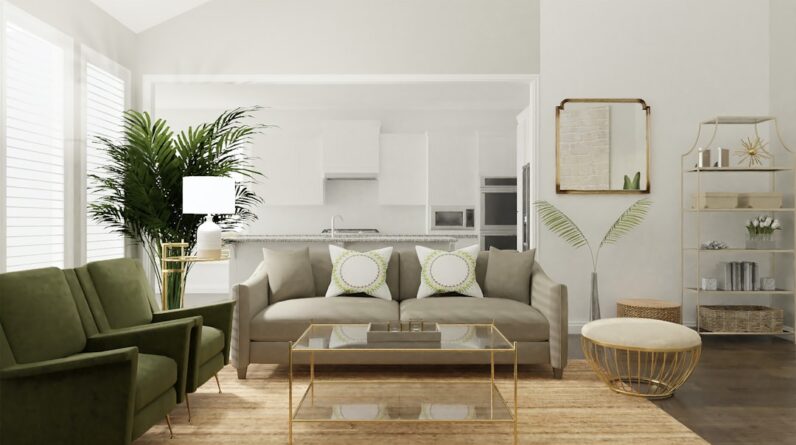
You are embarking on a journey into the heart of Agritopia, Gilbert, Arizona, a place where modern living intertwines with agricultural roots. This community, known for its commitment to sustainability and a genuine sense of place, offers a unique canvas for new construction interior design. As you consider building or renovating within this distinctive locale, understanding the design principles that resonate here is paramount. Agritopia isn’t just a postcode; it’s a philosophy, and its interior design reflects that deeply.
Agritopia’s essence is built on a foundation of community, sustainability, and a connection to the land. When approaching new construction interior design within this context, you’re not simply decorating a house; you’re crafting a dwelling that speaks the language of its environment. This means embracing a design aesthetic that acknowledges the desert landscape, the agricultural heritage, and the desire for harmonious living. Think of it as weaving a tapestry where each thread represents a conscious choice, contributing to the overall narrative of the home and its surroundings.
Sustainability as a Cornerstone
The commitment to sustainability in Agritopia is not an afterthought; it’s woven into the very fabric of its existence. For your new construction, this translates into a spectrum of design decisions.
Material Selection: A Conscious Choice
Every material you select for your interior should tell a story of intention. You’ll want to gravitate towards natural and sustainable options that minimize environmental impact. This could mean opting for reclaimed wood for flooring or accent walls, a practice that breathes new life into discarded resources. Consider bamboo, a rapidly renewable resource, for cabinets or countertops. Even the paints you choose can contribute to a healthier living space; look for low-VOC or zero-VOC options that purify the air you breathe, rather than polluting it. Sourcing materials locally whenever possible will not only reduce transportation emissions but also support regional artisans and businesses, a core tenet of the Agritopia spirit. Reflect on the provenance of your materials, as they are the building blocks of your home’s character.
Energy Efficiency: Designing for the Arizona Climate
The Arizona sun is a powerful force, and your interior design can either battle it or harness its energy. Integrating energy-efficient solutions is not merely about cost savings; it’s about responsible stewardship of resources. This includes specifying high-performance windows that minimize heat gain, ensuring your home stays cooler and requires less air conditioning. Consider the strategic placement of windows to maximize natural light, reducing the need for artificial lighting during the day. Incorporating smart home technology can further enhance energy efficiency, allowing you to control lighting, heating, and cooling systems with precision, much like a skilled farmer manages their crops for optimal yield.
Water Conservation: A Desert Imperative
Water is a precious commodity, especially in the desert. Your interior design choices can significantly impact your home’s water footprint. This might involve selecting low-flow plumbing fixtures for bathrooms and kitchens, faucets, and showerheads that deliver performance without excessive water usage. Consider incorporating greywater systems, which can repurpose water from sinks and showers for irrigation, a cyclical approach that mirrors nature’s own efficiency. Even the plants you choose for indoor spaces can be drought-tolerant, requiring minimal watering.
Embracing the Desert Palette
The colors that surround you in the Arizona desert are subtle yet profound. Your interior design should reflect this natural artistry.
Earth Tones: A Foundation of Calm
Think of the hues of sand, sun-baked earth, and distant mountains. These are your guiding principles for an Agritopia-inspired palette. Warm neutrals, such as beiges, creams, and soft browns, form a calming foundation for your interior. These colors evoke a sense of groundedness and tranquility, mirroring the vast, open landscapes outside your doors. They serve as a perfect backdrop for other design elements, allowing them to pop without overwhelming the senses.
Natural Accents: Bringing the Outdoors In
Beyond the neutral base, introduce accents that echo the desert’s vibrancy. This could be the muted greens of desert flora, the deep terracotta of clay pots, or the subtle blues of the sky on a clear day. These colors can be introduced through upholstery, artwork, or decorative accessories. The key is to use them judiciously, like splashes of color in a painting, to add visual interest and a connection to the natural world.
Textures of the Land: Tactile Richness
The desert is a land of diverse textures, from the smooth polish of river stones to the rough bark of a Joshua tree. Your interior design can mimic this tactile richness.
Wood and Stone: Enduring Elegance
Natural wood, with its inherent grain and warmth, is an obvious choice, reflecting the agricultural roots of Agritopia. Consider its use not just in furniture but also as paneling, beams, or even decorative elements. Stone, whether in polished tiles for floors or as a rugged stacked stone accent wall, introduces a sense of permanence and connection to the earth. These materials age gracefully, developing a patina that tells the story of your home over time.
Natural Fibers: Comfort and Breathability
Upholstery and textiles made from natural fibers like cotton, linen, and wool offer both comfort and breathability, a welcome feature in the Arizona climate. These materials not only feel good to the touch but also contribute to a healthier indoor environment. Think of woven rugs, textured throws, and natural fiber curtains that drape elegantly, softening the edges of the space.
Incorporating Agritopia’s Architectural Influences
Agritopia’s architecture often draws inspiration from practical, vernacular styles, adapted to the desert environment. Your new construction interior design can honor these traditions while embracing contemporary living.
The Influence of Ranch and Southwestern Styles
While Agritopia is a modern community, it acknowledges its predecessors. Understanding the core elements of ranch and Southwestern architectural styles can inform your interior choices.
Open Floor Plans: Facilitating Connection
Many homes in Agritopia feature open-concept living spaces. This design choice fosters a sense of connection and flow, allowing natural light to permeate the entire home. Your interior design can enhance this by using furniture placement to define distinct zones within the open space, without creating visual barriers. Think of a comfortable seating area that seamlessly transitions into a dining space, all bathed in the same natural light. This approach mirrors the community’s emphasis on shared experiences and communal living.
Exposed Beams and Natural Materials: An Honest Aesthetic
Exposed wooden beams, a hallmark of many Southwestern and ranch-style homes, lend a rustic charm and architectural interest to ceilings. Your interior design can complement these features by letting them be a focal point, rather than trying to conceal them. Similarly, incorporating natural materials like terracotta tiles or adobe-inspired finishes can further enhance this authentic aesthetic. These are not merely decorative elements; they are echoes of a history of building in harmony with the environment.
Modern Adaptations for Contemporary Living
While honoring tradition, Agritopia is also a forward-thinking community. Your interior design should seamlessly integrate modern conveniences and lifestyles.
Integrated Technology: Smart and Seamless
Modern living demands seamless integration of technology. Your interior design can incorporate smart home features in a way that is unobtrusive and enhances the overall aesthetic. Think of hidden charging stations, integrated sound systems, and climate control that operates intuitively. The goal is for technology to serve your needs without cluttering the visual landscape, much like a well-maintained irrigation system that works unseen to nurture growth.
Multifunctional Spaces: Adaptability and Versatility
In today’s world, flexibility is key. Your new construction interior design can embrace multifunctional spaces that adapt to your changing needs. This could involve a home office that doubles as a guest room, or a play area that can be easily transformed into an entertainment space. Consider built-in furniture or adaptable room dividers that allow you to reconfigure your living areas as required, a resourceful approach akin to crop rotation in agriculture.
Designing for Indoor-Outdoor Living in Agritopia
The desert Southwest offers a unique opportunity to blur the lines between interior and exterior spaces. Agritopia, with its focus on outdoor living, makes this an essential consideration for your new construction interior design.
Connecting to the Landscape: Seamless Transitions
Your interior design should invite the outdoors in, creating a harmonious flow between your living spaces and the natural environment.
Large Windows and Doors: Framing the Views
The strategic placement of expansive windows and sliding glass doors is crucial. These elements act as living portals, framing the stunning desert vistas and allowing natural light to flood your home. Your interior design should complement these openings, ensuring that the views are not obstructed by heavy furnishings or busy window treatments. Consider sheer, lightweight drapes or blinds that can be easily retracted to maximize the connection to the outside.
Indoor-Outdoor Furnishings: Extending Your Living Space
Think of your patio or courtyard as an extension of your living room. Your interior design choices can extend to these outdoor areas, creating a cohesive and comfortable living environment. Invest in durable, weather-resistant furniture that complements the style of your interior. Consider outdoor rugs, lighting, and even decorative elements that echo the themes and colors found within your home. This creates a unified aesthetic that celebrates the joy of outdoor living.
Creating Functional Outdoor Retreats
Agritopia residents often value their outdoor spaces for relaxation, entertainment, and connection with nature. Your interior design can facilitate this lifestyle.
Outdoor Kitchens and Dining Areas: Al Fresco Elegance
An outdoor kitchen or dining area can become a central hub for entertaining and family gatherings. Your interior design can influence the aesthetic of these spaces, ensuring a consistent style. Consider durable countertops, comfortable seating, and ambient lighting that creates an inviting atmosphere. These spaces become natural extensions of your home, perfect for enjoying the mild Arizona evenings.
Cozy Seating Nooks and Fire Features: Year-Round Enjoyment
Design inviting seating nooks in your outdoor spaces, perhaps around a fire pit or a water feature. These elements create focal points that encourage relaxation and conversation. Your interior design can inform the selection of cushions, throws, and decorative elements that enhance the comfort and ambiance of these outdoor retreats, ensuring they are an integral part of your overall living experience.
Color and Material Palettes Reflecting the Agritopia Aesthetic
The successful interior design of new construction in Agritopia hinges on a deep understanding and skillful application of its characteristic color and material palettes. Think of these palettes as the soil from which your interior design springs – without the right conditions, growth is stunted.
Embracing the Desert’s Natural Hues
The colors found in the Agritopia landscape are not merely decorative; they are deeply ingrained in the region’s identity.
Warm Neutrals as a Foundation
The bedrock of an Agritopia interior palette lies in warm neutrals. Imagine the subtle variations of sand dunes at dawn, the gentle beige of sun-baked earth, and the creamy undertones of adobe walls. These colors – think of soft taupes, sandy beiges, creamy whites, and muted greys – form a versatile and calming foundation for any space. They are the silent partners in your design, allowing other elements to take center stage without creating visual chaos. These hues possess a grounding quality, offering a sense of stability and peace, much like the enduring presence of the desert landscape.
Earthy Accents for Depth and Vibrancy
While neutrals provide the canvas, earthy accents inject life and personality into the space. Consider the rich, reddish-browns of terracotta, evoking the artisanal pottery traditions of the Southwest. The muted greens of resilient desert succulents, like sage and olive, bring a touch of organic vitality. The deep, resonant blues of the vast desert sky on a clear afternoon can be introduced through textiles or artwork, offering a refreshing contrast. These accent colors are best used strategically, as thoughtful brushstrokes that add character and depth to the overall composition. They are the spice that elevates a simple dish, adding complexity and intrigue.
The Tactile Language of Natural Materials
Agritopia’s connection to the land is palpable, and this should extend to the sensory experience of your interior. Natural materials are not just visually appealing; they engage your sense of touch, contributing to a more grounded and authentic environment.
Wood’s Warmth and Character
Wood is a quintessential element in Agritopia interiors, speaking to the region’s agricultural heritage and its innate warmth. Consider the use of reclaimed wood for feature walls, a practice that not only adds character and a story to your home but also champions sustainability. Light to medium-toned woods, such as oak, maple, or even mesquite, offer a natural elegance. Their inherent grain patterns provide a visual texture that adds depth and interest, preventing spaces from feeling sterile. Think of wooden furniture with clean lines, or perhaps exposed wooden beams that add architectural drama to the ceiling. The tactile sensation of running your hand over polished wood connects you to the material in a primal way.
Stone’s Enduring Presence
Stone offers a sense of permanence and a direct link to the earth’s geological history. Travertine, with its natural pitting and warm tones, is a popular choice for flooring and countertops, offering a rustic yet refined aesthetic. Flagstone can be used for accent walls or even interior flooring, lending an organic, textured feel. Consider granite with earthy tones, or perhaps slate for a darker, more dramatic effect. The cool, smooth surface of stone underfoot or against your fingertips provides a constant reminder of the natural world’s enduring strength.
Natural Fibers for Comfort and Authenticity
Beyond wood and stone, natural fibers play a crucial role in creating a comfortable and authentic Agritopia interior. Linen, with its slightly textured weave and breathable quality, is ideal for upholstery, drapes, and bedding, offering a relaxed elegance. Cotton provides a soft, everyday comfort, suitable for a variety of applications. Wool, especially in rugs and throws, adds warmth, texture, and a sense of cozy luxury. These fibers contribute to a healthier indoor environment by being hypoallergenic and reducing the reliance on synthetic materials. Their subtle variations in texture and color add a handmade, artisanal feel to the space.
Functional and Aesthetically Pleasing Design Solutions
| Metric | Details |
|---|---|
| Location | Agritopia, Gilbert, AZ |
| Project Type | New Construction Interior Design |
| Average Home Size | 2,500 – 3,500 sq ft |
| Design Style | Modern Farmhouse / Contemporary |
| Key Features | Open floor plans, natural materials, sustainable finishes |
| Typical Room Count | 4 Bedrooms, 3 Bathrooms, Kitchen, Living Room, Office |
| Average Project Duration | 4 – 6 months |
| Interior Design Budget Range | 15,000 – 40,000 |
| Popular Materials | Reclaimed wood, quartz countertops, ceramic tile |
| Energy Efficiency | High-performance windows, LED lighting, smart thermostats |
Beyond the overarching themes, specific functional and aesthetically pleasing design solutions are key to creating a successful new construction interior in Agritopia. This is where the practicalities of daily living meet the aspirations of design.
Smart Storage Solutions: Decluttering for Serenity
In any home, effective storage is paramount to maintaining a sense of order and tranquility. For Agritopia, this means integrating storage solutions that are both functional and aesthetically aligned with the design ethos.
Built-in Cabinetry and Shelving: Seamless Integration
Custom-built cabinetry and shelving offer a streamlined look, appearing as integral parts of the architecture rather than add-ons. In kitchens, this could mean clean-lined, handle-less cabinets that blend seamlessly with the wall. In living areas, consider built-in bookshelves that house both literature and decorative objects, creating a curated display. These solutions maximize space and minimize visual clutter, contributing to a serene atmosphere. Think of them as well-tended rows in a garden, organized and purposeful.
Concealed Storage: Hiding the Mundane
For items that are used regularly but not always aesthetically pleasing, concealed storage is invaluable. This could include cleverly designed pantry systems, hidden utility closets, or even storage benches that double as seating. By keeping these items out of sight, you maintain the design integrity of your spaces and create a more polished finish. It’s about ensuring that the functional aspects of your home do not detract from its beauty.
Lighting Design: Enhancing Ambiance and Functionality
Lighting is a powerful tool in interior design, capable of transforming the mood and functionality of a space. In Agritopia, thoughtful lighting design plays a crucial role in highlighting natural beauty and creating inviting atmospheres.
Layered Lighting for Versatility
A well-designed lighting scheme utilizes multiple layers of light to create depth and versatility. This includes ambient lighting for general illumination, task lighting for specific activities like cooking or reading, and accent lighting to highlight architectural features or artwork. By incorporating dimmers on all your light sources, you gain granular control over the mood of your home, transitioning seamlessly from bright and functional to soft and intimate.
Natural Light Maximization: Embracing the Sun
As previously discussed, maximizing natural light is a priority. However, complement this by selecting interior lighting fixtures that enhance and extend the natural light. Consider warm-toned bulbs that mimic the glow of the setting sun, adding a cozy ambiance to your evenings. Wall sconces can softly illuminate hallways and entryways, providing guidance without being overpowering, much like the gentle glow of fireflies guiding your way on a summer night. Pendant lights can serve as both functional illumination and decorative focal points in kitchens and dining areas.
Feature Walls and Architectural Details: Adding Personality and Depth
Beyond the foundational elements, deliberate incorporation of feature walls and architectural details can elevate a new construction interior from ordinary to exceptional in the Agritopia setting.
Statement Walls: Visual Interest and Focal Points
A statement wall can introduce texture, color, or pattern to a room, creating a focal point and adding visual interest. This could be a wall clad in natural stone, exposing its raw beauty. Alternatively, consider a wood-paneled wall using reclaimed lumber for a rustic charm. Even a carefully chosen wallpaper with a subtle organic pattern can serve as a sophisticated statement. These walls act as conversation starters, anchoring the room and drawing the eye.
Architectural Niches and Recesses: Subtle Elegance
Architectural niches and recesses offer opportunities for subtle elegance and functional display. These can be used to showcase artwork, pottery, or plant life, adding a curated touch to your interiors. They provide a sense of depth and dimension to the walls, preventing them from appearing flat or monotonous. Imagine these as carefully crafted alcoves that highlight treasured objects, much like a botanist meticulously displays their specimens.
By thoughtfully integrating these design elements, you can ensure your new construction interior design in Agritopia is not just a beautiful space, but a functional, sustainable, and resonant dwelling that truly embodies the spirit of this unique community. You are not just building a house; you are cultivating a home.
FAQs
What is Agritopia in Gilbert, AZ?
Agritopia is a master-planned community in Gilbert, Arizona, known for its focus on sustainable living, community farming, and a small-town atmosphere. It features a mix of residential homes, including new construction properties, with an emphasis on walkability and community engagement.
What are the key features of new construction interior design in Agritopia?
New construction interior design in Agritopia typically emphasizes open floor plans, natural light, energy-efficient materials, and modern finishes. Designs often incorporate sustainable and eco-friendly elements to align with the community’s focus on environmental responsibility.
How does the interior design in Agritopia homes reflect the community’s values?
Interior designs in Agritopia homes often reflect the community’s values by using natural materials, incorporating indoor-outdoor living spaces, and promoting functionality and comfort. Many homes include features that support sustainable living, such as energy-efficient appliances and smart home technology.
Are there customization options available for new construction homes in Agritopia?
Yes, many builders in Agritopia offer customization options for new construction homes. Buyers can often select interior finishes, layouts, and design features to tailor their homes to their personal preferences while maintaining the community’s aesthetic standards.
What should buyers consider when designing the interior of a new home in Agritopia?
Buyers should consider the community’s emphasis on sustainability, natural aesthetics, and functionality. It’s important to choose materials and designs that complement the outdoor environment, maximize natural light, and support energy efficiency. Additionally, incorporating flexible spaces for work or hobbies can enhance the home’s livability.


