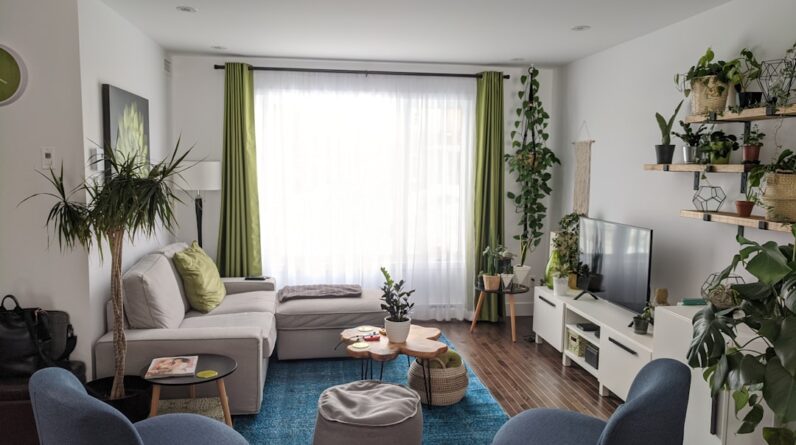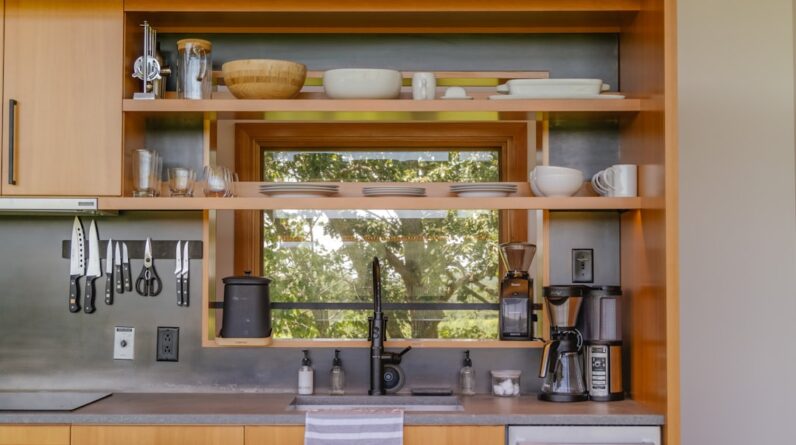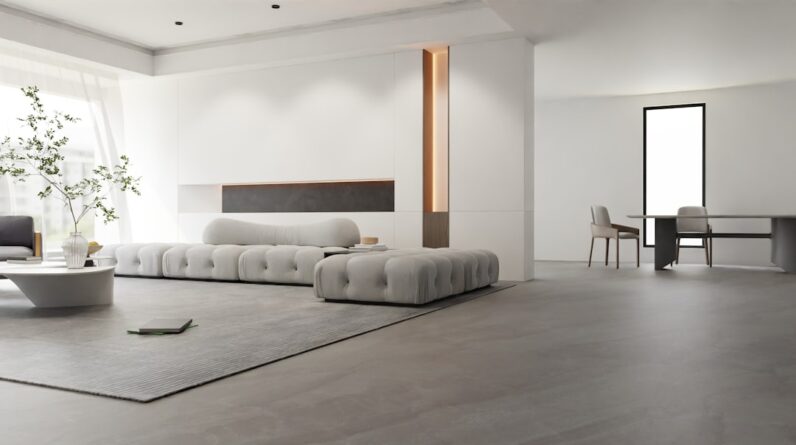
You are considering the stylistic evolution of your living space in Hardin Village, Texas, and the term “contemporary interior design” has surfaced. This approach to design is not a monolithic entity but rather a dynamic and evolving spectrum of aesthetic choices that reflect present-day sensibilities and functional demands. Hardin Village, with its unique historical context and projected growth, offers a fertile ground for exploring how contemporary design can manifest in a tangible, livable way. This article will guide you through the core principles and practical applications of contemporary interior design as it pertains to your home in this Texan locale.
Before diving into the specifics of Hardin Village, it is crucial to grasp the fundamental tenets of contemporary interior design. Think of contemporary design as a mirror held up to the current moment; it’s about what is relevant, functional, and aesthetically pleasing now. It’s not about slavishly following fleeting trends but about incorporating principles that resonate with modern life.
The Emphasis on Form and Functionality
At its heart, contemporary design prioritizes a marriage of beauty and utility. Every element, from a structural beam to a decorative accent, serves a purpose and contributes to the overall aesthetic. This is in contrast to earlier design movements that might have prioritized ornamentation over practicality.
Clean Lines and Geometric Shapes
You will notice a ubiquitous presence of straight lines and crisp angles within contemporary interiors. This is a deliberate choice to create a sense of order and sophistication. Think of the minimalist elegance of a perfectly squared sofa or the sharp edges of a polished concrete countertop. This is not to say curves are entirely absent, but when they appear, they are often carefully considered and integrated, not overly ornate.
Spatial Awareness and Openness
Contemporary design often champions open-plan living. Walls are often removed to create a sense of spaciousness and to facilitate the flow of natural light and social interaction. This is particularly relevant in a region like Texas, where ample natural light is a considerable asset.
Materiality and Texture: A Tactile Experience
The choice of materials is a cornerstone of contemporary interior design. It’s not just about what looks good, but also about what feels good and contributes to the overall sensory experience of a space. You are encouraged to engage with a variety of textures.
Natural Materials and Their Unadorned Beauty
Wood, stone, metal, and glass are frequently employed in their most natural forms. The grain of wood might be left prominent, the texture of stone unpolished, and the sheen of metal unblemished. This allows the inherent beauty of these materials to shine through, creating a grounded and authentic atmosphere.
Industrial Influences and Raw Finishes
In some contemporary applications, you’ll observe a nod to industrial aesthetics. Exposed brick, concrete floors, and raw metal accents can lend a sense of authenticity and a slightly rugged charm. This is not an invitation for a messy construction site, but rather a deliberate use of materials that speak to their origin and construction process.
The Role of Fabric and Upholstery
While the structural elements might lean towards the hard-edged, upholstery and textiles offer an opportunity to introduce softness and warmth. High-quality natural fabrics like linen, wool, and cotton are favored for their tactile appeal and breathability. You might find these used in sleek, low-profile sofas and chairs.
Contemporary Manifestations in Hardin Village Homes
Now, let’s translate these general principles into the specific context of your home in Hardin Village, Texas. The unique character of this locality can serve as a springboard for a personalized contemporary design approach.
Harmonizing with Hardin Village’s Existing Fabric
Hardin Village, like many Texan communities, possesses a historical undercurrent. Contemporary design does not demand a complete erasure of this past but rather an intelligent integration.
Respecting Local Architectural Heritage
You are not obligated to build a spaceship in a historical town. Observe the prevailing architectural styles and materials prevalent in Hardin Village. Are there vernacular elements that can be subtly referenced? Perhaps the color palette of your exterior can subtly echo the earth tones of the region, or the proportions of your new window installations can be inspired by existing structures.
Adapting to the Texan Climate
The Texas climate is a significant factor. Contemporary design’s emphasis on natural light and ventilation can be amplified to suit the local conditions. Large windows, strategically placed for optimal sunlight and cross-breezes, are not just aesthetically pleasing but also functionally beneficial, potentially reducing reliance on artificial cooling and lighting.
Interior Aesthetics: A Palette for Your Hardin Village Dwelling
When you step inside a contemporary Hardin Village home, you will encounter a deliberate and uncluttered aesthetic. This is a space designed for living, not for display in the traditional sense.
The Dominance of Neutrals and Earth Tones
A foundational element of contemporary interiors is a neutral color palette. Whites, grays, beiges, and earthy browns form the backdrop against which other elements are layered. This creates a sense of calm and allows for greater flexibility in introducing accent colors.
Sophisticated Whites and Off-Whites
You can think of whites as more than just a single shade. Contemporary design utilizes a spectrum of whites, from crisp, cool tones to warm, creamy off-whites, each offering a subtly different mood. They act as a canvas, allowing furniture and artwork to pop.
Earthy Browns and Greys for Grounding
Incorporating shades of brown and gray provides a sense of grounding and natural warmth. These tones can be found in wood finishes, stone elements, and even upholstery, connecting your interior back to the Texan landscape.
Strategic Use of Accent Colors
While neutrals form the base, you are not confined to a monochromatic existence. Accent colors are introduced sparingly and deliberately, often through art, cushions, or a single statement piece of furniture. These colors can inject personality and vibrancy into the space.
Bold Hues in Controlled Doses
A vibrant teal sofa, a crimson rug, or a collection of emerald green ceramic vases can provide pops of color that energize a room without overwhelming it. The key is proportion and placement.
Muted and Sophisticated Tints
Alternatively, you can opt for more muted and sophisticated accent colors like deep blues, forest greens, or sophisticated terracottas. These can add depth and nuance to your interior design.
Furniture Selection: Form Meets Comfort
The furniture in a contemporary home is a significant contributor to its overall character. It is a carefully curated collection, favoring longevity and style over disposable trendy items.
Streamlined Silhouettes and Low Profiles
You will notice a prevalence of furniture with clean lines and low profiles. This contributes to the sense of spaciousness and visual calm. Think of a deep-seated sofa with a simple rectangular form or low-slung armchairs that hug the floor.
The Appeal of Modular Furniture
In many contemporary interiors, modular furniture plays a key role. This allows for flexibility and adaptability, enabling you to reconfigure your living space to suit different needs and occasions. A sectional sofa that can be rearranged is a prime example.
Upholstery: Quality Over Quantity
The choice of upholstery is crucial. Durable, high-quality fabrics in solid colors or subtle textures are favored. Leather, often in a natural or distressed finish, can also add a touch of sophisticated ruggedness.
Integrated Storage Solutions
Contemporary design acknowledges the need for order. You will often find furniture that cleverly incorporates storage. This could be a coffee table with hidden drawers, a media unit with ample shelving, or bespoke built-in cabinetry that seamlessly blends into the wall.
Lighting Design: Illuminating Your Space
The way you illuminate your Hardin Village home is a critical component of your contemporary design. It is not an afterthought but an integral part of the architectural and aesthetic vision.
Layered Lighting for Ambiance and Functionality
Contemporary interiors typically employ a layered approach to lighting. This involves a combination of ambient, task, and accent lighting to create a desired mood and ensure functionality.
Ambient Lighting: The Foundation of Illumination
Ambient lighting provides the general illumination for a room. Think of recessed ceiling lights, stylish floor lamps that diffuse light softly, or wall sconces that cast a warm glow.
Task Lighting: For Focused Activities
Task lighting is essential for areas where specific activities take place, such as reading or working. Under-cabinet lighting in the kitchen, a desk lamp in your study, or pendant lights over a kitchen island fall into this category.
Accent Lighting: Highlighting Key Features
Accent lighting is used to draw attention to specific elements within your space, such as artwork, architectural features, or decorative objects. This could involve spotlights or wall-mounted fixtures.
The Statement of a Pendant Light
A well-chosen pendant light can serve as a sculptural element and a focal point within a room. In a contemporary setting, you might find geometric designs, minimalist metallic fixtures, or even organic, nature-inspired forms.
Embracing Technology and Sustainability
Contemporary interior design is inextricably linked to modern advancements, including technological integration and a growing emphasis on sustainable practices.
Smart Home Integration and Seamless Functionality
The modern home is increasingly connected. Contemporary design embraces technology that enhances comfort, convenience, and efficiency.
Discreet Technology Integration
You don’t want your technology to scream “technology!” In contemporary design, smart home features are often integrated discreetly. Think of smart thermostats that are minimalist in design, speakers that blend into the architecture, or smart lighting systems controlled by an app.
Enhanced Entertainment and Comfort
Smart lighting systems that can adjust color temperature and brightness based on the time of day, automated blinds that respond to sunlight, or integrated sound systems that fill your home with music are all elements that contribute to a contemporary lifestyle.
Sustainable Materials and Eco-Conscious Choices
As awareness of environmental impact grows, so too does the importance of sustainability in interior design. Contemporary design seeks to minimize its footprint.
Renewable and Recycled Materials
You can opt for materials that are renewable, such as bamboo or cork, or those made from recycled content, like furniture crafted from reclaimed wood or countertops made from recycled glass.
Energy-Efficient Appliances and Lighting
When selecting appliances and lighting, prioritize energy efficiency. Look for ENERGY STAR certified products that will not only benefit the environment but also reduce your utility bills.
Indoor Air Quality and Well-being
Contemporary design also considers the health and well-being of its inhabitants. The use of low-VOC (volatile organic compound) paints and finishes, natural ventilation, and the incorporation of indoor plants contribute to a healthier living environment.
Bringing Contemporary Design to Life in Your Hardin Village Home
The journey to a contemporary interior is an ongoing process of curation and refinement. It’s about creating a space that reflects your personality and enhances your daily life.
The Role of Art and Accessories
Even in a minimalist setting, art and accessories play a vital role in personalization. They are the brushstrokes that complete your canvas.
Abstract and Modern Artistry
Abstract and modern art pieces often complement contemporary interiors beautifully. Their non-representational forms and bold use of color can add visual interest and a conversational element to a room.
Sculptural Objects and Personal Collections
Think beyond framed artwork. Sculptural objects, carefully chosen ceramics, or even thoughtfully displayed personal collections can add character and a unique touch to your contemporary space.
The Importance of Decluttering and Organization
Contemporary design thrives on a sense of order. A cluttered space detracts from the aesthetic and the functionality.
The “Less is More” Philosophy
Embrace the philosophy of “less is more.” Regularly evaluate your belongings and aim to keep only those items that are functional, beautiful, or hold significant personal meaning.
Strategic Display and Hidden Storage
When you do display items, do so strategically. Arrange them with intention, creating pleasing compositions. And for everything else, ensure you have efficient and aesthetically pleasing storage solutions.
Professional Guidance and Personal Vision
While this article provides a framework, the most successful contemporary interiors are those that are infused with your personal vision, potentially guided by professional expertise.
Collaborating with Interior Designers
If you feel overwhelmed, consider consulting with an interior designer specializing in contemporary styles. They can help you navigate material choices, space planning, and the overall aesthetic, ensuring your vision is realized effectively.
Trusting Your Intuition and Making it Yours
Ultimately, this is your home. While understanding the principles of contemporary design is valuable, don’t be afraid to trust your intuition and adapt the ideas to your unique tastes and needs. Your Hardin Village home is a canvas for your contemporary expression.
FAQs
What defines contemporary interior design in Hardin Village, Texas?
Contemporary interior design in Hardin Village, Texas, is characterized by clean lines, open spaces, and a blend of modern and natural elements. It often incorporates neutral color palettes, minimalist furniture, and large windows to maximize natural light, reflecting both current trends and the local environment.
What materials are commonly used in contemporary interiors in Hardin Village?
Common materials include natural wood, metal, glass, and stone. These materials are chosen for their durability and aesthetic appeal, often combined to create a balanced and inviting atmosphere that complements the Texas landscape.
How does the climate of Hardin Village influence interior design choices?
The warm climate of Hardin Village encourages the use of light, breathable fabrics, and materials that help regulate indoor temperature. Designers often incorporate features like ceiling fans, large windows for ventilation, and shaded outdoor living spaces to enhance comfort.
Are there any local design trends unique to Hardin Village?
Yes, local trends often include incorporating rustic elements such as reclaimed wood and Texas-inspired artwork. There is also a focus on blending indoor and outdoor living spaces to take advantage of the region’s natural beauty.
Where can one find contemporary interior design services in Hardin Village, Texas?
Several local design firms and independent interior designers specialize in contemporary styles in Hardin Village. Additionally, many professionals collaborate with regional artisans and suppliers to provide customized and locally inspired design solutions.