


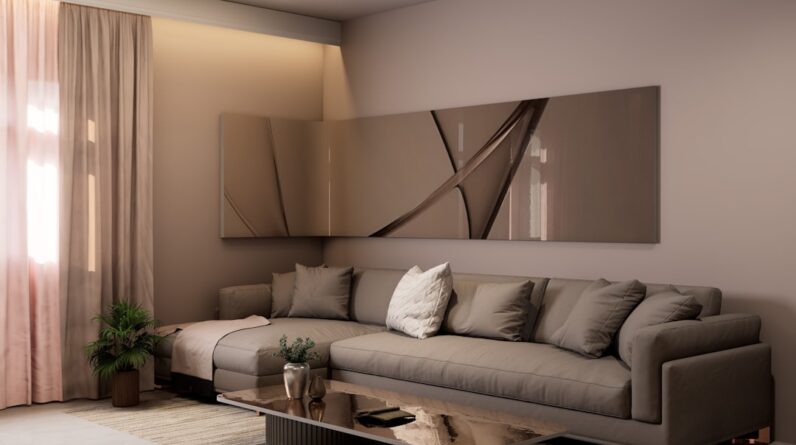
You’ve decided your living room, the very heart of your McKinney home on Tucker Hill, is due for an overhaul. It’s more than just aesthetics; it’s about creating a space that reflects your evolving needs and lifestyle. This guide will walk you through the process, from initial conceptualization to the final touches, ensuring your living room redesign on Tucker Hill transforms from a mere room into a functional and visually appealing sanctuary.
Before you even think about paint swatches or furniture placement, you must delve into the core of your living room’s purpose. This initial phase is akin to laying the foundation of a house; without a solid understanding of your requirements, the entire structure of your redesign can crumble.
Identifying Current Functionality and Pain Points
Take a critical look at your existing living room. What works? What doesn’t? Is it a place for lively family gatherings, quiet evenings with a book, or a combination of both?
Evaluating Existing Furniture and Layout
Consider your current furniture. Is it serving its purpose? Is it too large, too small, or simply outdated? Perhaps the current layout creates awkward traffic flow or leaves certain areas feeling underutilized. For instance, a bulky sectional might dominate the space, hindering movement, while a lack of sufficient seating can make entertaining guests a logistical challenge.
Assessing Storage Needs
Storage is often a hidden beast in living room redesigns. Are you accumulating clutter, or do you have designated places for items? Think about what you need to store: electronics, books, games, blankets, or perhaps display items. The absence of adequate storage can turn your once-serene space into a chaotic landscape.
Considering Your Lifestyle and Activities
Your lifestyle dictates the functionality of your living room. If you’re an avid reader, ample lighting and comfortable seating are paramount. If you frequently entertain, you’ll need flexible seating arrangements and perhaps a dedicated area for serving food and drinks. If children are part of your household, durability and ease of cleaning become significant factors.
Defining Your Aesthetic and Style
Your living room should be a visual extension of your personality. This is where you translate your inner world into tangible elements within your home.
Exploring Different Design Styles
The spectrum of interior design is vast. Are you drawn to the clean lines and neutral palettes of Modern design, the rustic charm of Farmhouse, or the eclectic vibrancy of Bohemian? Researching different styles can help you articulate your preferences. Websites, magazines, and even social media platforms like Pinterest can serve as invaluable mood boards.
Creating a Mood Board or Vision Board
A mood board is a collection of images, textures, and colors that represent the desired aesthetic for your living room. It’s a visual story that communicates your vision to yourself and potential designers or contractors. This tangible representation acts as a compass, guiding your decisions throughout the renovation process.
Considering Color Palettes and Materials
Color is a powerful tool. A cool palette can evoke a sense of calm, while warm tones can create a cozy and inviting atmosphere. Similarly, the choice of materials – from upholstery fabrics to flooring – significantly impacts the room’s overall feel and durability. Think about how different textures, like a plush velvet sofa against a sleek, polished concrete floor, can create visual interest.
Planning Your Living Room Redesign: The Blueprint for Success
With your needs and vision clearly defined, it’s time to move onto the practicalities of planning. This stage is about constructing the roadmap for your renovation, ensuring a smooth and efficient execution.
Setting a Realistic Budget
Renovations can be a financial journey, and establishing a clear budget is essential. It’s the invisible fence that keeps your project grounded in financial reality.
Researching Costs of Materials and Labor
Obtain estimates for everything from flooring and paint to furniture and professional services. This research will provide a baseline for your budget allocation. Don’t forget to factor in unforeseen expenses; a contingency fund is like a lifeboat for unexpected costs.
Prioritizing Features and Fixtures
You may not be able to have everything. Prioritize the elements that are most important to your vision and budget. Perhaps a high-quality sofa is a non-negotiable, while smaller decorative items can be acquired over time.
Considering the Return on Investment
While not always the primary driver, consider how your redesign might enhance your home’s value, especially if you plan to sell in the future. Certain upgrades, like updated lighting or improved flooring, can offer a good return.
Developing a Detailed Layout and Floor Plan
A well-thought-out layout is the invisible scaffolding that supports your redesign. It ensures functionality and flow within the space.
Measuring Your Space Accurately
Precise measurements are non-negotiable. Use a reliable tape measure and document all dimensions, including windows, doors, and any architectural features. Errors here can lead to costly mistakes down the line.
Experimenting with Furniture Placement Options
Use online tools, graph paper, or even masking tape on your floor to visualize different furniture arrangements. This trial-and-error phase can prevent you from making costly mistakes with large furniture purchases.
Optimizing Traffic Flow and Creating Zones
Ensure that pathways are clear and unobstructed. Consider creating distinct zones within your living room, such as a reading nook, a conversation area, or a more formal seating arrangement. This compartmentalization can enhance the room’s versatility.
Selecting Materials and Finishes
The materials you choose are the building blocks of your living room’s aesthetic and longevity.
Choosing Flooring Options
From hardwood and laminate to tile and carpet, each flooring option has its own pros and cons regarding durability, maintenance, and cost. Consider the wear and tear your living room experiences. For a high-traffic area on Tucker Hill, durable options like engineered wood or high-quality laminate might be preferable to delicate natural stone.
Selecting Paint Colors and Wall Treatments
Paint is one of the most impactful and cost-effective ways to transform a room. Consider the psychological effects of color. Wallpapers, wood paneling, or textured finishes can add depth and character.
Sourcing Furniture, Lighting, and Decor
This is where your vision truly comes to life. Whether you’re purchasing new pieces or planning to reupholster existing ones, choose items that align with your style and functional needs. Lighting is not just about illumination; it’s about setting the mood. A mix of ambient, task, and accent lighting can dramatically alter the atmosphere of your living room.
Executing Your Living Room Redesign: Bringing the Vision to Life
This is the phase where your plans begin to materialize, and your living room starts its transformation. It requires meticulous execution and a keen eye for detail.
Preparing the Space for Renovation
Before any dust flies, proper preparation is crucial for a smooth process.
Protecting Existing Elements
Cover furniture, floors, and any items you wish to keep. This might involve drop cloths, plastic sheeting, or temporary barriers. Think of this as wrapping your treasures in protective cocoons.
Demolition and Removal (if applicable)
If your redesign involves removing old flooring, built-in shelves, or non-load-bearing walls, ensure this is done safely and efficiently. Hiring professionals for these tasks is often advisable.
Cleaning and Surface Preparation
Surfaces need to be clean and ready for new finishes. This might involve sanding, priming, or patching any imperfections. A clean canvas is essential for a flawless outcome.
The Installation and Construction Phase
This is the core of your renovation, where the physical changes take place.
Flooring Installation
Whether you’re laying hardwood, tile, or carpet, proper installation ensures longevity and a professional finish. Follow manufacturer guidelines diligently.
Painting and Wall Finishes
Applying paint or wall coverings requires precision. Multiple coats are often necessary for a rich, even color. Careful cutting in around trim and fixtures is vital for a polished look.
Furniture Assembly and Placement
Once the structural elements are in place, the furniture can be introduced. Assemble pieces carefully and position them according to your finalized layout.
Installation of Lighting and Electrical Fixtures
Lighting is the jewelry of your living room, so its installation requires careful consideration.
Upgrading Existing Fixtures
Replacing outdated ceiling lights with modern pendants or chandeliers can instantly elevate the space.
Adding New Lighting Solutions
Consider installing wall sconces for ambient light, floor lamps for reading nooks, and recessed lighting for task illumination. A well-lit room is a welcoming room.
Ensuring Proper Electrical Connections
If you’re adding new outlets or swapping out light fixtures, ensure all electrical work is performed by a qualified electrician to guarantee safety and compliance with building codes.
The Finishing Touches: Injecting Personality and Comfort
This final stage is where your living room truly transforms from a decorated space into a cherished home. It’s about adding the layers that make it uniquely yours.
Accessorizing and Decorating
Accessories are the exclamation points in your design story.
Selecting Artwork and Wall Decor
Choose pieces that resonate with you and complement your chosen aesthetic. This could be framed prints, photographs, sculptures, or even tapestries.
Incorporating Textiles: Rugs, Curtains, and Throw Pillows
These elements add warmth, texture, and color. A well-placed rug can anchor a seating area, while plush throw pillows invite comfort. Curtains not only control light but also contribute significantly to the room’s ambiance.
Adding Decorative Objects and Greenery
Vases, sculptures, candles, and plants can bring life and personality to your living room. Plants, in particular, can improve air quality and add a natural element.
Optimizing Comfort and Functionality
Beyond aesthetics, ensure your living room is a pleasure to inhabit.
Arranging Seating for Conversation and Relaxation
Think about how people will interact in the space. Ensure seating arrangements encourage conversation but also provide opportunities for individual relaxation.
Ensuring
FAQs
What are some popular design styles for a living room redesign in Tucker Hill, McKinney?
Popular design styles in Tucker Hill, McKinney include modern farmhouse, transitional, contemporary, and traditional. Many homeowners prefer a blend of comfort and elegance, incorporating neutral color palettes, natural materials, and functional furniture.
How can I maximize space in a small living room during a redesign?
To maximize space, consider using multi-functional furniture, such as storage ottomans or sofa beds. Opt for lighter colors to make the room feel larger, use mirrors to reflect light, and arrange furniture to create an open flow. Built-in shelving can also help reduce clutter.
What are the best lighting options for a living room redesign in Tucker Hill?
Layered lighting is ideal, combining ambient lighting (like ceiling fixtures), task lighting (such as floor or table lamps), and accent lighting (like wall sconces or LED strips). Natural light is also important, so using sheer curtains or blinds can enhance brightness.
How do I choose the right furniture for my living room redesign?
Select furniture that fits the scale of your room and complements your design style. Prioritize comfort and functionality, and consider pieces with clean lines for a modern look or more ornate designs for traditional styles. Durable materials suited to your lifestyle are also important.
Are there any local resources or professionals in Tucker Hill, McKinney to help with living room redesigns?
Yes, Tucker Hill and the greater McKinney area have several interior designers, home decor stores, and contractors who specialize in living room redesigns. Local design firms can provide personalized consultations and help source materials and furnishings tailored to your preferences.


