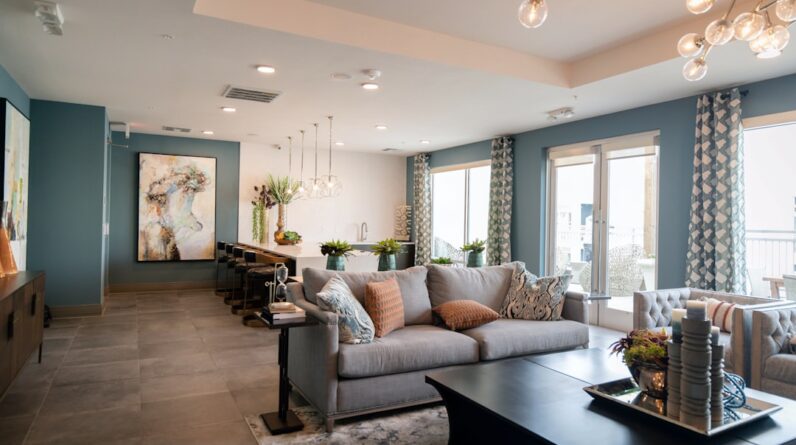
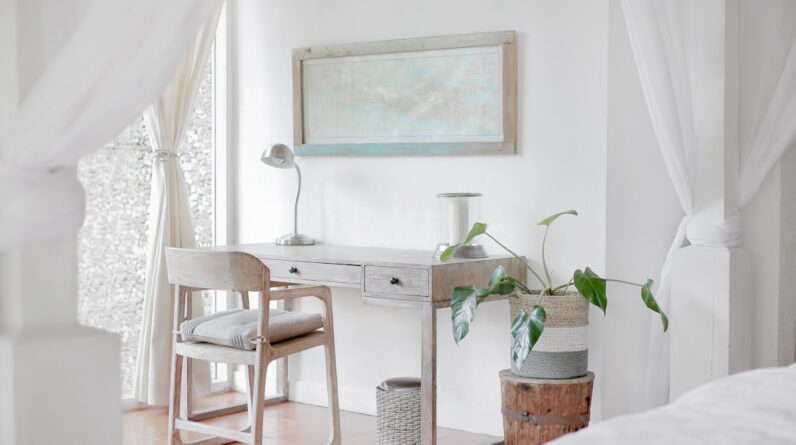
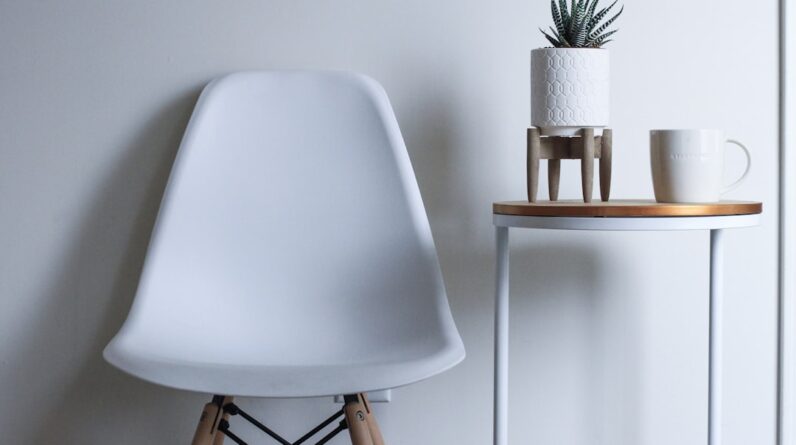
The color scheme of a space serves as its foundational palette, influencing not only the aesthetic appeal but also the emotional resonance of the environment. When selecting colors, it is essential to consider the psychological effects they can evoke. For instance, warm hues like reds and oranges can create a sense of energy and vibrancy, making them ideal for social spaces such as living rooms or kitchens.
Conversely, cooler tones like blues and greens tend to promote tranquility and relaxation, making them suitable for bedrooms or meditation areas. A well-thought-out color scheme can harmonize the various elements of a room, creating a cohesive look that feels both inviting and intentional. Accent colors can be introduced through accessories such as cushions, throws, or artwork, providing opportunities for personal expression while maintaining a balanced aesthetic.
In addition to the primary color palette, the strategic use of accents can elevate a space from ordinary to extraordinary. Accent walls painted in bold colors or adorned with patterned wallpaper can serve as focal points, drawing the eye and adding depth to the room. The careful selection of accent pieces—such as vases, sculptures, or decorative pillows—can further enhance the overall design narrative.
These accents should complement the primary colors while introducing contrast and visual interest. For example, a neutral-toned room can be invigorated with vibrant pops of color through carefully chosen accessories, creating a dynamic interplay that keeps the space feeling fresh and engaging. Ultimately, the interplay of color and accents is crucial in establishing a mood that resonates with the inhabitants of the space.
Key Takeaways
- Choose a color scheme that complements the overall theme of the room and use accents to add pops of color and visual interest.
- Arrange furniture in a way that promotes good traffic flow and conversation, and consider the layout to maximize space and functionality.
- Use lighting to create ambiance and set the mood, incorporating a mix of overhead, task, and accent lighting for a well-lit and inviting space.
- Select wall decor and artwork that reflects your personal style and adds personality to the room, while also considering scale and placement for maximum impact.
- Incorporate statement pieces and centerpieces to serve as focal points and conversation starters, adding visual interest and personality to the space.
- Choose textiles and fabrics that not only add comfort and warmth, but also tie the room together and add texture and visual appeal.
- Utilize functional and stylish storage solutions to keep the space organized and clutter-free, while also adding to the overall aesthetic of the room.
Furniture Arrangement and Layout
Creating a Functional and Inviting Space
The arrangement of furniture within a room plays a crucial role in determining both its functionality and flow. A well-considered layout not only maximizes space but also enhances the overall experience of the area. When planning furniture placement, it is essential to consider how people will interact within the space.
Encouraging Social Interaction and Accessibility
For instance, in a living room, seating should be arranged to facilitate conversation, with chairs and sofas positioned to face one another rather than against walls. This encourages social interaction and creates an inviting atmosphere. Additionally, ensuring that pathways are clear and unobstructed allows for easy movement throughout the room, contributing to a sense of openness and accessibility.
Striking a Balance with Scale and Proportion
Moreover, the scale and proportion of furniture play a significant role in achieving a harmonious layout. Oversized furniture in a small room can create a cramped feeling, while too-small pieces in a large space may lead to a disjointed appearance. It is crucial to strike a balance between comfort and aesthetics by selecting furniture that fits the dimensions of the room while also serving its intended purpose.
Optimizing Space with Multi-Functional Furniture
Multi-functional furniture, such as ottomans that double as storage or coffee tables that can expand for dining, can be particularly effective in optimizing space without sacrificing style. Ultimately, thoughtful furniture arrangement not only enhances the visual appeal of a room but also fosters an environment that supports the activities and interactions that take place within it.
Lighting and Ambiance
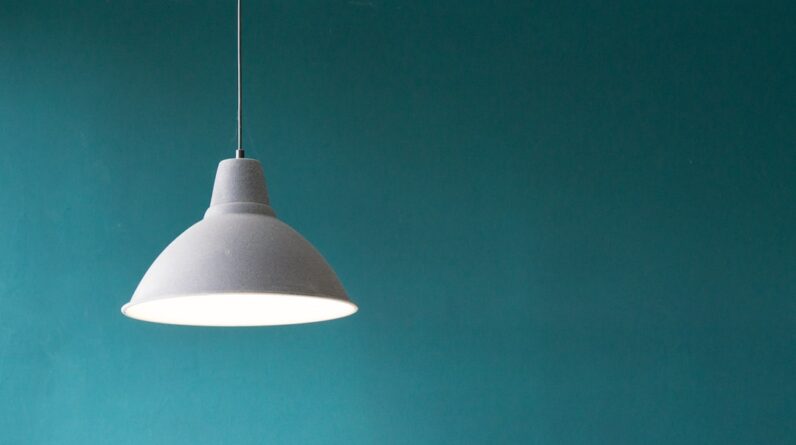
Lighting is one of the most critical elements in interior design, as it has the power to transform a space dramatically. The right lighting can enhance colors, highlight architectural features, and create an inviting atmosphere. A layered lighting approach—incorporating ambient, task, and accent lighting—ensures that every corner of a room is well-lit while also allowing for versatility in mood.
Ambient lighting provides general illumination, often achieved through ceiling fixtures or wall sconces, while task lighting focuses on specific areas where activities such as reading or cooking take place. Accent lighting serves to highlight artwork or architectural details, adding depth and interest to the overall design. In addition to functionality, lighting plays a crucial role in establishing ambiance.
The use of dimmers can allow for adjustments in brightness depending on the time of day or occasion, creating an intimate setting for gatherings or a bright environment for productivity. The choice of light fixtures also contributes significantly to the overall aesthetic; sleek modern designs may lend a contemporary feel, while vintage-inspired pieces can evoke nostalgia and warmth. Furthermore, natural light should not be overlooked; strategically placed mirrors can reflect sunlight and make spaces feel larger and more open.
By thoughtfully considering lighting options, one can create an atmosphere that not only enhances the beauty of a space but also supports its intended use.
Wall Decor and Artwork
| Category | Metrics |
|---|---|
| Wall Decor and Artwork |
|
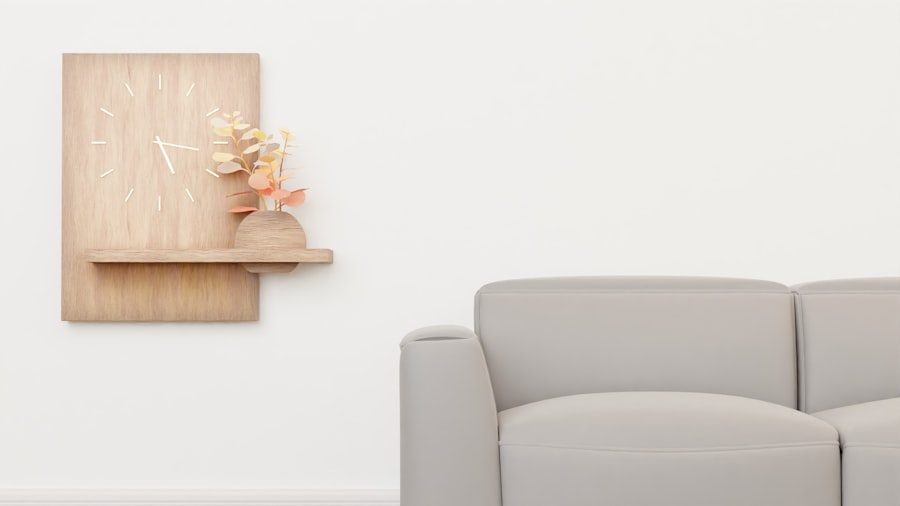
Wall decor serves as an essential component in defining the character of a room, providing opportunities for personal expression and creativity. The selection of artwork and decorative elements should reflect the tastes and interests of those who inhabit the space while also harmonizing with the overall design scheme. Large-scale pieces can serve as focal points, drawing attention and anchoring the room’s aesthetic.
Conversely, smaller artworks can be grouped together in gallery-style arrangements to create visual interest and depth. The choice of frames and mounting techniques can further enhance the presentation; for instance, sleek modern frames may complement contemporary art, while ornate frames may add elegance to classic pieces. In addition to traditional artwork, wall decor can encompass a wide range of materials and styles.
Textiles such as tapestries or fabric wall hangings can introduce texture and warmth to a space, while mirrors can create an illusion of depth and light. Shelving units adorned with books, plants, or decorative objects can also serve as functional wall decor that adds personality without overwhelming the space. The key is to strike a balance between visual interest and cohesion; too many disparate elements can lead to chaos rather than harmony.
By thoughtfully curating wall decor and artwork, one can create an environment that feels both personalized and aesthetically pleasing.
Statement Pieces and Centerpieces
In any well-designed space, statement pieces serve as powerful focal points that capture attention and spark conversation. These standout items—whether they are bold furniture choices, striking artworks, or unique decorative objects—can define the character of a room while reflecting the personality of its inhabitants. For instance, an oversized piece of art or an eye-catching sculpture can draw visitors’ eyes upon entering a room, setting the tone for the entire space.
Similarly, a distinctive piece of furniture—such as an antique table or a modern chair with an unusual shape—can serve as both functional seating and an artistic statement. Centerpieces play a similar role in smaller settings such as dining tables or coffee tables. A carefully curated centerpiece can elevate an ordinary table into a stunning focal point that enhances the overall dining experience or social gathering.
This could be achieved through floral arrangements, decorative bowls filled with seasonal items, or even unique candlesticks that add warmth and ambiance. The key is to ensure that these statement pieces are not only visually striking but also harmonize with other elements in the room. By thoughtfully incorporating statement pieces and centerpieces into interior design, one can create spaces that are not only functional but also rich in character and style.
Textiles and Fabrics
The Right Fabric for the Right Space
In high-traffic areas like living rooms or dining rooms, selecting fabrics that are stain-resistant or easy to clean can ensure longevity without sacrificing style. Conversely, softer fabrics like velvet or silk may be more appropriate for less-used spaces where comfort is paramount.
Creating Visual Interest with Patterns and Textures
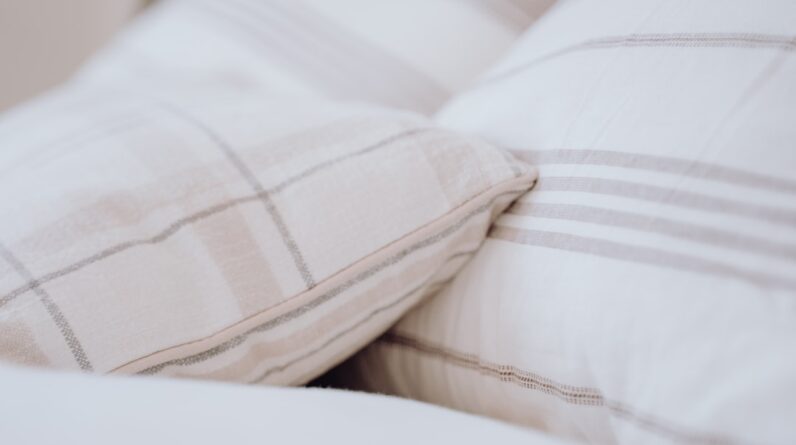
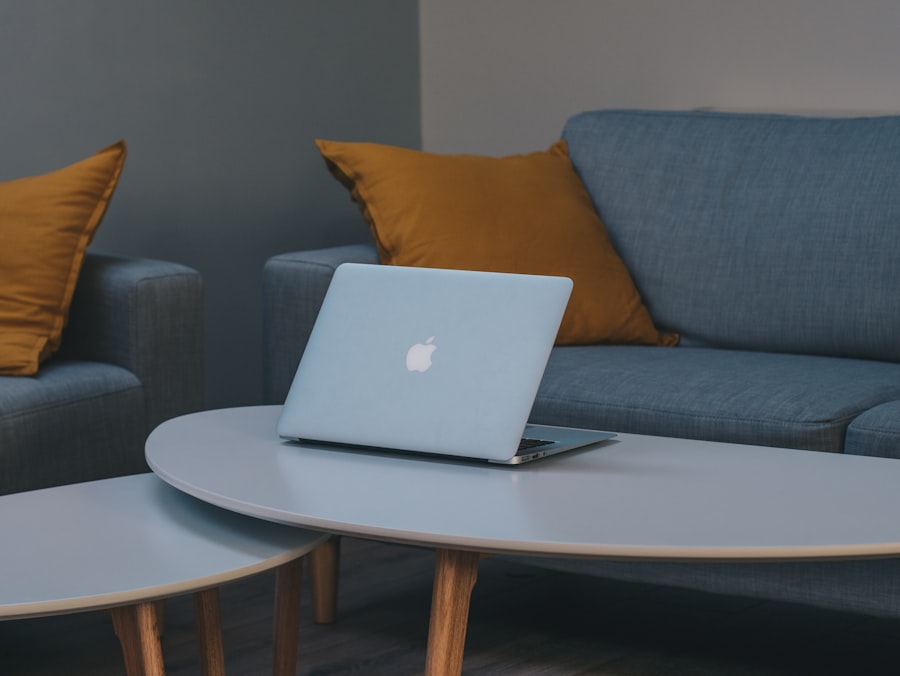
Mixing different textiles can create visual interest and depth within a room. Combining patterns—such as stripes with florals or geometric designs—can add dynamism to a space when done thoughtfully. Layering textiles through throws on sofas or cushions on chairs not only enhances comfort but also allows for seasonal updates without major renovations.
Window Treatments: Balancing Light and Softness
Window treatments play a crucial role in controlling light while adding softness to hard surfaces; sheer curtains can provide privacy while allowing natural light to filter through, whereas heavier drapes can create an intimate atmosphere when drawn closed. By carefully selecting and layering textiles and fabrics, one can achieve a harmonious balance between style and comfort.
Functional and Stylish Storage Solutions
In any well-designed space, storage solutions must be both functional and stylish to maintain organization without compromising aesthetics. As homes become increasingly multifunctional—serving as offices, gyms, and entertainment spaces—the need for effective storage becomes paramount. Built-in shelving units offer an excellent way to maximize vertical space while providing ample storage for books, decorative items, or even office supplies.
These units can be customized to fit seamlessly into any room’s design scheme while serving as an attractive feature that enhances overall decor. Additionally, incorporating stylish storage solutions such as decorative baskets or chic storage ottomans can help keep clutter at bay while adding visual interest to a room. These items not only serve practical purposes but also contribute to the overall design narrative by introducing texture and color into the space.
For example, woven baskets can add warmth to a modern setting while providing convenient storage for blankets or toys. Similarly, furniture with built-in storage—such as coffee tables with drawers or benches with hidden compartments—can help maintain an organized environment without sacrificing style. By prioritizing functional yet stylish storage solutions, one can create spaces that are both beautiful and practical, ensuring that every item has its place while enhancing the overall aesthetic appeal of the home.
FAQs
What are some key elements to consider when designing a living room?
Some key elements to consider when designing a living room include the layout, furniture arrangement, color scheme, lighting, and decorative accents.
What are some popular color schemes for living rooms?
Some popular color schemes for living rooms include neutral tones such as white, beige, and gray, as well as bold accent colors like navy blue, emerald green, and mustard yellow.
How can I make a small living room appear larger?
To make a small living room appear larger, consider using light colors, incorporating mirrors to create the illusion of space, and choosing furniture with exposed legs to create a sense of openness.
What are some ways to add personality to a living room design?
Adding personality to a living room design can be achieved through the use of unique artwork, decorative pillows, statement lighting fixtures, and personal mementos or souvenirs.
What are some popular furniture pieces for living rooms?
Popular furniture pieces for living rooms include sofas, accent chairs, coffee tables, media consoles, and bookshelves. It’s important to choose pieces that are both functional and stylish.
How can I create a cohesive design in my living room?
To create a cohesive design in your living room, consider sticking to a consistent color palette, mixing different textures and patterns, and ensuring that the furniture and decor complement each other in style and scale.