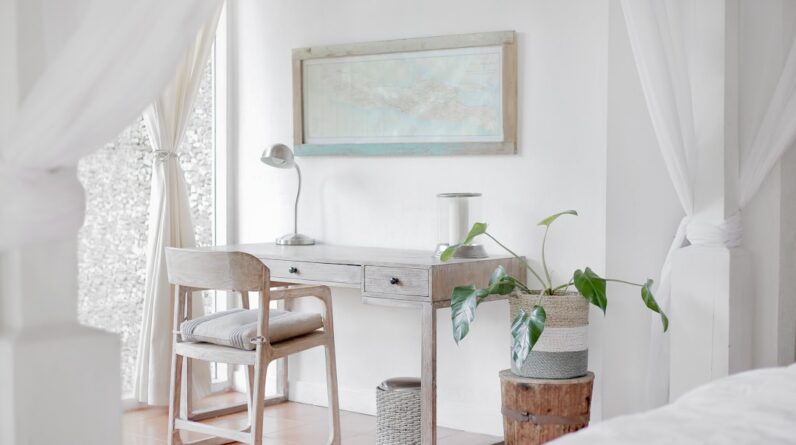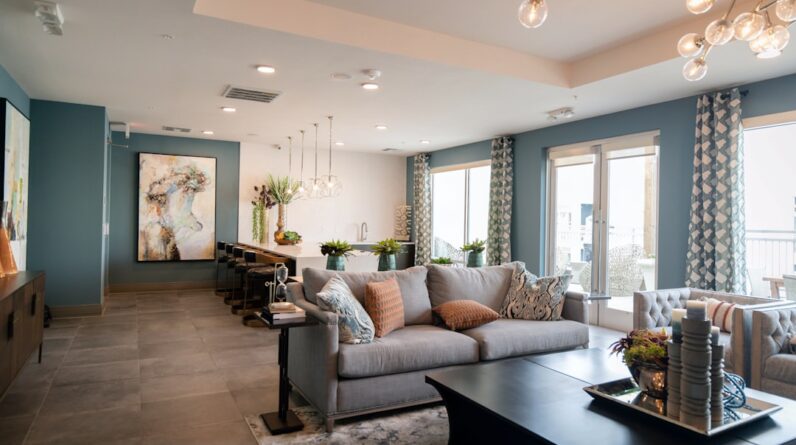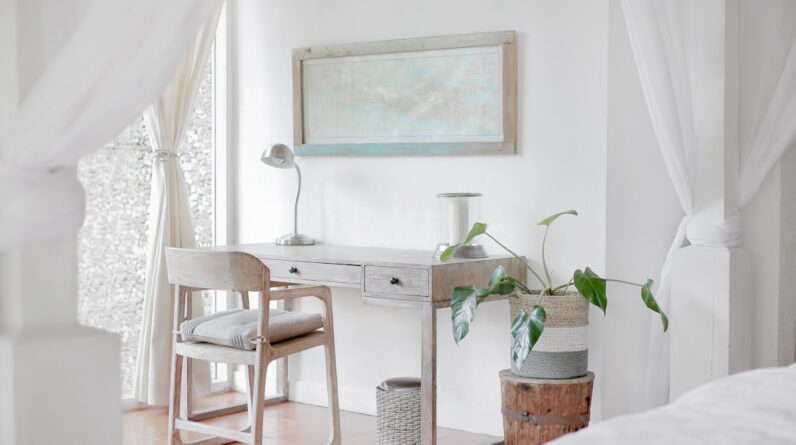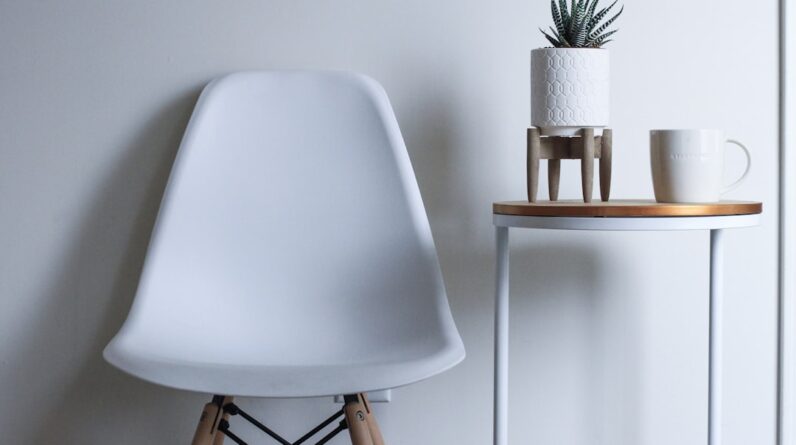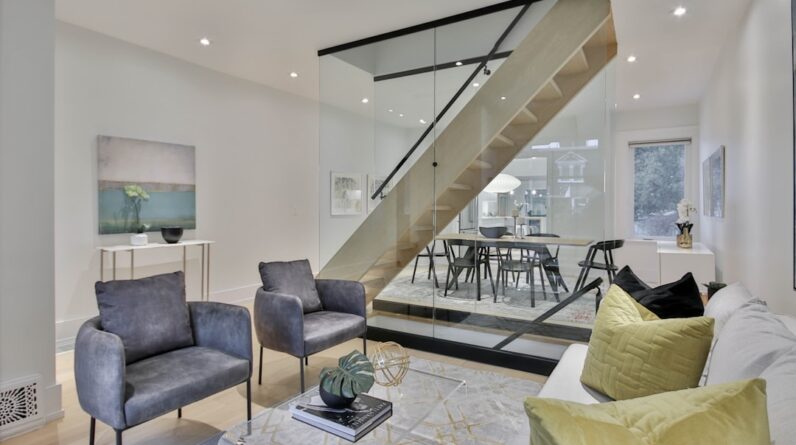
Embarking on the journey of interior design begins with a deep understanding of your personal style. This foundational step is crucial, as it sets the tone for every decision that follows. Personal style is not merely a reflection of current trends; it is an expression of who you are, encompassing your tastes, preferences, and lifestyle.
To uncover your unique aesthetic, consider the elements that resonate with you. Are you drawn to the sleek lines of modern minimalism, or do you find comfort in the warmth of rustic charm? Perhaps you lean towards eclectic designs that blend various influences, or you might prefer the timeless elegance of classic decor.
By identifying these inclinations, you can create a cohesive vision that will guide your choices throughout the design process. Moreover, understanding your personal style involves introspection and exploration. Take the time to curate inspiration from various sources—magazines, social media platforms like Pinterest and Instagram, or even visits to art galleries and museums.
Pay attention to the colors, shapes, and materials that captivate you. Create a mood board that encapsulates your vision, allowing you to visualize how different elements can come together harmoniously. This exercise not only clarifies your preferences but also serves as a reference point when making decisions about your space.
Ultimately, embracing your personal style empowers you to create an environment that feels authentic and inviting, transforming your home into a true reflection of your identity.
Key Takeaways
- Understanding your personal style
- Take the time to understand your personal style and what makes you feel comfortable and happy in a space.
- Consider your lifestyle, preferences, and the mood you want to create in the room.
- Choosing the right color scheme
- Select a color scheme that reflects your personal style and creates the desired atmosphere in the room.
- Use color psychology to understand the impact of different colors on mood and behavior.
- Selecting the right furniture and accessories
- Choose furniture and accessories that not only look good but also serve a functional purpose in the room.
- Consider the scale and proportion of the furniture to ensure it fits the space appropriately.
- Creating a focal point in the room
- Identify a focal point in the room, such as a fireplace, artwork, or a statement piece of furniture, to draw attention and create visual interest.
- Arrange furniture and accessories around the focal point to enhance its prominence.
- Incorporating texture and patterns
- Add texture and patterns to the room through textiles, rugs, and decorative elements to create depth and visual appeal.
- Mix and match different textures and patterns to add visual interest and create a dynamic space.
- Utilizing lighting to enhance the design
- Use a combination of ambient, task, and accent lighting to create a well-lit and inviting space.
- Consider the natural light in the room and use window treatments to control the amount of light and privacy.
- Adding personal touches and finishing touches
- Incorporate personal items, such as family photos or meaningful artwork, to add character and personality to the room.
- Pay attention to the finishing touches, such as decorative accents and styling, to complete the look and tie the design together.
Choosing the right color scheme
Understanding the Power of Color
Color has a profound impact on mood and perception, making it one of the most powerful tools in interior design. When choosing a color palette, consider the emotions you wish to evoke in each room. Soft pastels can create a serene atmosphere, while bold hues may energize and invigorate.
Achieving Balance with the 60-30-10 Rule
A well-thought-out color scheme not only enhances the aesthetic appeal of your space but also contributes to its overall ambiance. To achieve a balanced look, consider using the 60-30-10 rule: 60% of the room should be a dominant color, 30% a secondary color, and 10% an accent color. This approach ensures that your design remains cohesive while allowing for visual interest.
Considering Natural Light and Layering Colors
In addition to emotional considerations, think about how natural light interacts with your chosen colors. Rooms that receive ample sunlight may benefit from cooler tones that can help temper brightness, while darker spaces might be enhanced with warmer shades to create a cozy feel. Experimenting with different combinations can yield surprising results; for instance, pairing a deep navy with crisp white can evoke a nautical theme, while soft greens and earthy browns can bring the tranquility of nature indoors. Remember that colors can also be layered through accessories such as cushions, artwork, and rugs, allowing for flexibility in your design.
Creating a Harmonious Environment
Ultimately, selecting the right color scheme is about creating an environment that resonates with you while harmonizing with the overall aesthetic of your home.
Selecting the right furniture and accessories
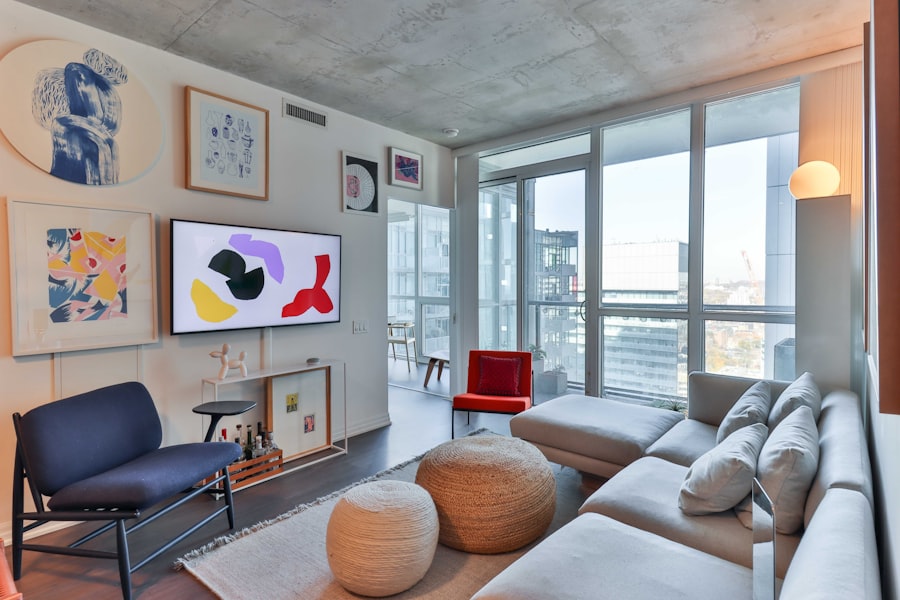
The selection of furniture and accessories is pivotal in shaping the character of your space. Furniture serves not only as functional pieces but also as focal points that define the room’s style. When choosing furniture, consider both form and function; each piece should serve a purpose while contributing to the overall aesthetic.
For instance, a sleek mid-century modern sofa can anchor a living room with its clean lines and timeless appeal, while a vintage armchair can add character and warmth. It’s essential to strike a balance between comfort and style—after all, your home should be a sanctuary where you feel at ease. Additionally, think about scale and proportion; oversized furniture in a small room can feel cramped, while too-small pieces in a large space may get lost.
Accessories play an equally important role in completing your design narrative. They provide opportunities for personal expression and can easily be changed out to refresh the look of a room without significant investment. Consider incorporating items such as decorative pillows, throws, artwork, and plants to add layers of interest and personality.
Textiles can introduce color and texture, while art can serve as conversation starters or focal points. When selecting accessories, aim for variety in shapes and sizes to create visual intrigue; for example, mix tall vases with low bowls or cluster smaller items on shelves for an eclectic display. Ultimately, the right combination of furniture and accessories will not only enhance the functionality of your space but also reflect your unique style and personality.
Creating a focal point in the room
| Aspect | Metrics |
|---|---|
| Room Size | Length x Width x Height |
| Focal Point Type | Artwork, Fireplace, Accent Wall |
| Placement | Center, Off-center, Corner |
| Impact | Visual Appeal, Balance, Atmosphere |
Every well-designed room benefits from a focal point—a central feature that draws the eye and anchors the space. A focal point can be anything from a striking piece of artwork to an architectural element like a fireplace or large window. The key is to choose something that resonates with your personal style and complements the overall design scheme.
For instance, if you have chosen a modern aesthetic, consider incorporating a bold piece of contemporary art or an oversized sculpture as your focal point. Alternatively, if your style leans towards traditional decor, an ornate fireplace or an antique mirror could serve as an eye-catching centerpiece. Once you have identified your focal point, arrange the surrounding elements to enhance its prominence.
This might involve positioning furniture in a way that directs attention toward it or using lighting to highlight its features. For example, placing seating around a fireplace creates an inviting atmosphere while emphasizing its role as the heart of the room. Additionally, consider using color contrast to make your focal point stand out; if your walls are painted in neutral tones, a vibrant piece of art will pop against the backdrop.
By thoughtfully creating and enhancing a focal point, you establish a sense of harmony within the space while providing visual interest that invites exploration.
Incorporating texture and patterns
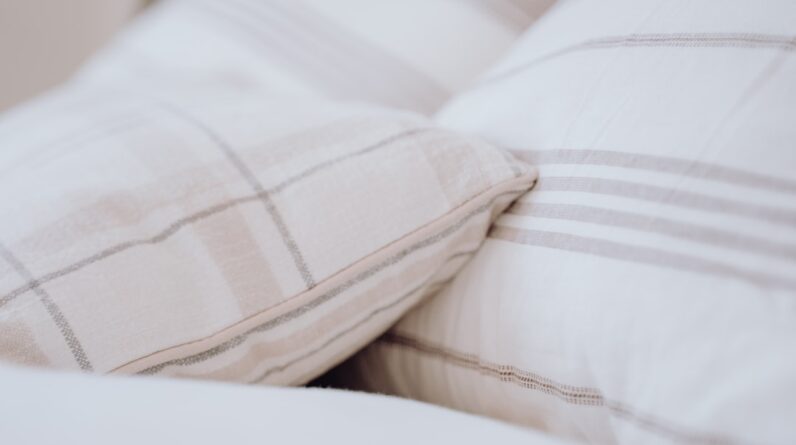
Texture and patterns are essential components in creating depth and visual interest within any interior space. While color sets the mood, texture adds dimension and tactile appeal that can transform an otherwise flat design into something dynamic and engaging. Consider incorporating various materials—such as wood, metal, glass, fabric, and stone—to create layers within your decor.
For instance, pairing a plush velvet sofa with sleek metal side tables introduces contrasting textures that enhance the overall aesthetic. Additionally, textiles like rugs and curtains can soften hard surfaces while adding warmth to the room. Patterns also play a significant role in enriching your design narrative.
They can be introduced through wallpaper, upholstery, or decorative accessories like cushions and throws. When incorporating patterns, it’s important to strike a balance; too many competing patterns can create visual chaos rather than harmony. A good rule of thumb is to mix patterns in varying scales—pairing larger prints with smaller ones creates an engaging yet cohesive look.
For example, if you have floral curtains with bold blooms, consider complementing them with geometric-patterned cushions in more muted tones. By thoughtfully integrating texture and patterns into your design scheme, you create an inviting atmosphere that captivates the senses and encourages exploration.
Utilizing lighting to enhance the design
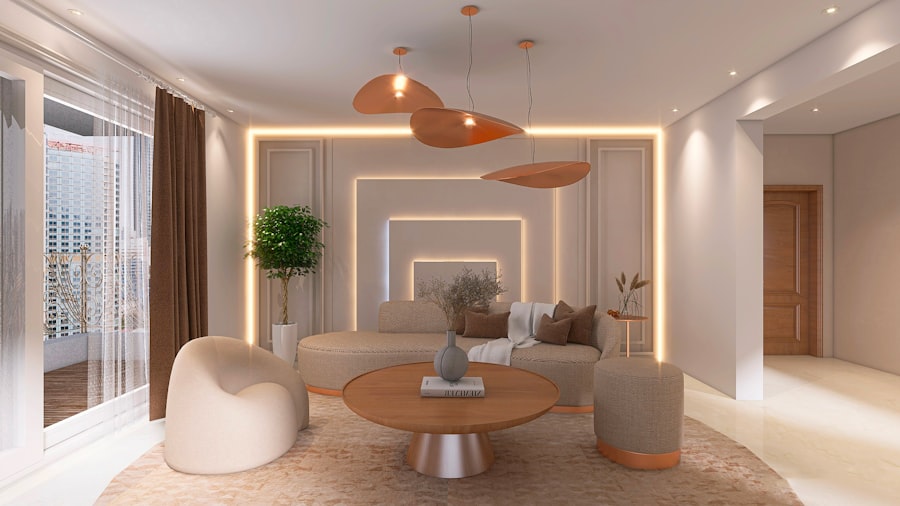
The Power of Lighting in Interior Design
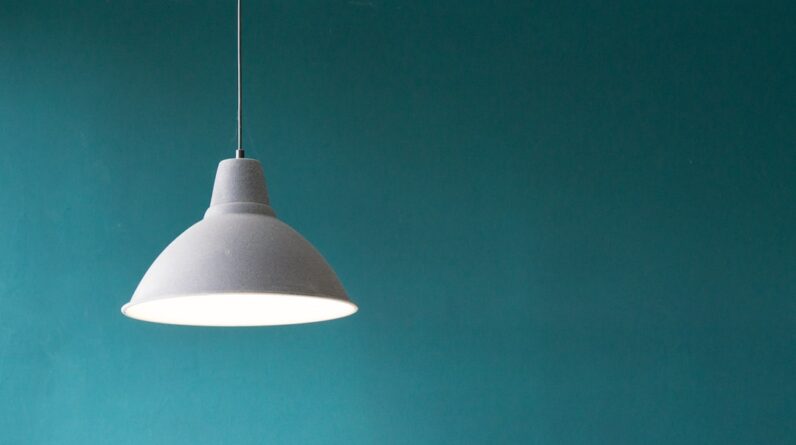
Lighting is often regarded as one of the most critical elements in interior design; it has the power to transform spaces dramatically by influencing mood and highlighting architectural features. A well-planned lighting scheme incorporates various types of lighting—ambient, task, and accent—to create layers of illumination that enhance both functionality and aesthetics.
Types of Lighting and Their Functions
Ambient lighting provides overall illumination for daily activities; this can be achieved through ceiling fixtures or wall sconces that cast light evenly throughout the room. Task lighting focuses on specific areas where activities such as reading or cooking take place; table lamps or under-cabinet lights are excellent choices for these purposes. Accent lighting serves to highlight particular features within the space—be it artwork on display or architectural details like crown molding or textured walls. Using spotlights or picture lights can draw attention to these elements while adding depth to your design narrative.
Maximizing Natural Light and Versatility
Additionally, consider how natural light interacts with your space throughout the day; strategically placing mirrors can amplify sunlight during daylight hours while creating an illusion of more space. Layering different types of lighting allows for versatility; dimmers can adjust brightness levels according to mood or occasion, ensuring that your home remains inviting at all times. By thoughtfully utilizing lighting in your design scheme, you not only enhance functionality but also create an atmosphere that reflects your personal style.
Adding personal touches and finishing touches
The final step in crafting a beautifully designed space lies in adding personal touches and finishing details that truly make it feel like home. These elements are what distinguish a well-decorated room from one that feels impersonal or generic; they infuse character and warmth into your environment. Personal touches can come in many forms—family photographs displayed in unique frames, travel souvenirs arranged on shelves, or handmade crafts that showcase your creativity all contribute to making the space uniquely yours.
These items tell stories about who you are and what matters most to you. Finishing touches also encompass practical elements such as decorative storage solutions or functional accessories that enhance usability without sacrificing style. Consider incorporating stylish baskets for organizing items or decorative trays for holding everyday essentials like keys or mail; these small details contribute significantly to both aesthetics and functionality.
Additionally, don’t overlook the importance of greenery; houseplants not only purify the air but also add life and vibrancy to any room. By thoughtfully curating personal touches alongside practical finishing details, you create an inviting atmosphere that reflects your individuality while ensuring comfort and functionality within your home environment. In conclusion, designing a space that resonates with your personal style involves careful consideration of various elements—from understanding your aesthetic preferences to selecting colors, furniture, textures, lighting, and personal touches.
Each decision contributes to creating an environment that feels authentic and inviting while reflecting who you are at your core. Embrace this creative journey as an opportunity for self-expression; after all, your home should be more than just a collection of decor—it should be a sanctuary that nurtures your spirit and inspires joy every day.
FAQs
What is interior room design?
Interior room design is the art and science of enhancing the interior of a space to achieve a healthier and more aesthetically pleasing environment for the people using the space.
What are the key elements of interior room design?
Key elements of interior room design include space planning, color schemes, furniture selection, lighting, and decorative elements such as artwork and accessories.
Why is interior room design important?
Interior room design is important because it can significantly impact the mood, productivity, and overall well-being of the people who occupy the space. A well-designed interior can also enhance the functionality and efficiency of a room.
What are some popular interior room design styles?
Popular interior room design styles include modern, contemporary, traditional, minimalist, industrial, and Scandinavian, among others. Each style has its own unique characteristics and aesthetic appeal.
How can I improve the interior design of a room on a budget?
Improving the interior design of a room on a budget can be achieved by using cost-effective decorating techniques such as rearranging furniture, adding new accessories, painting walls, and incorporating DIY projects. Shopping at thrift stores and utilizing online resources for inspiration can also help achieve a stylish look without breaking the bank.