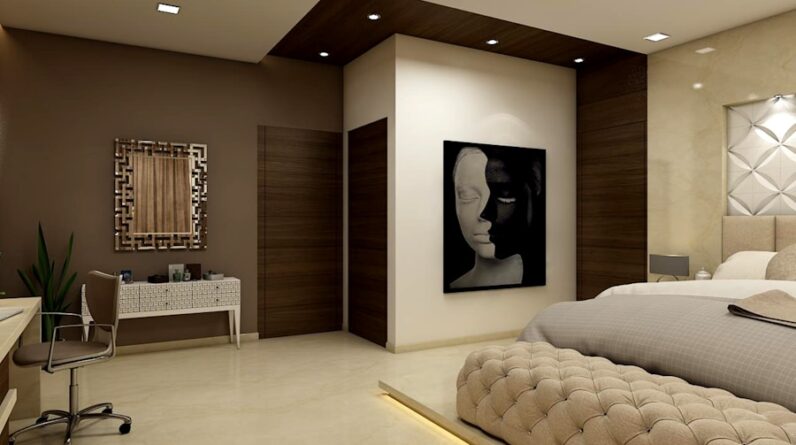
As you step into the world of contemporary interior design, you find yourself surrounded by a myriad of styles that reflect the diverse tastes and preferences of today’s society. The beauty of contemporary design lies in its ability to evolve, adapting to cultural shifts and technological advancements while maintaining a focus on functionality and aesthetics. You may notice that contemporary design is not confined to a single look; rather, it encompasses a range of styles that can be mixed and matched to create unique living spaces that resonate with your personal style.
In this exploration of contemporary interior design styles, you will discover how each style offers its own distinct characteristics, materials, and color palettes. From the clean lines of minimalism to the vibrant patterns of bohemian design, each style tells a story and evokes a specific mood. As you delve deeper into these styles, you will gain insights into how to incorporate elements from each into your own home, allowing you to create a space that is not only visually appealing but also a true reflection of who you are.
Key Takeaways
- Contemporary interior design styles encompass a wide range of aesthetics, from minimalist and industrial to Scandinavian, bohemian, mid-century modern, art deco, and eclectic.
- Minimalist interior design focuses on simplicity, clean lines, and a clutter-free environment, often using a neutral color palette and functional furniture.
- Industrial interior design draws inspiration from urban lofts and warehouses, featuring raw materials, exposed brick, and metal accents for a rugged, edgy look.
- Scandinavian interior design embraces minimalism, natural light, and a cozy, hygge-inspired atmosphere with a focus on simplicity, functionality, and a connection to nature.
- Bohemian interior design is characterized by a free-spirited, eclectic mix of patterns, textures, and colors, often incorporating vintage and global elements for a relaxed, artistic vibe.
Minimalist Interior Design
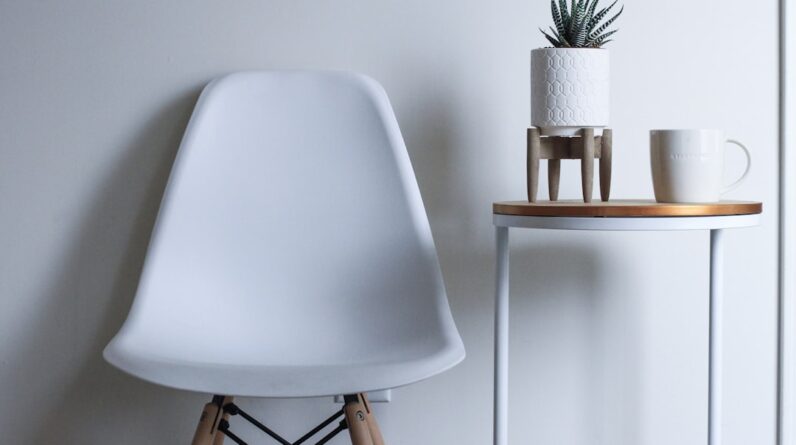
When you think of minimalist interior design, the first thing that may come to mind is simplicity. This style emphasizes the idea that less is more, encouraging you to declutter your space and focus on the essentials. Minimalism is characterized by clean lines, neutral color palettes, and a lack of unnecessary ornamentation.
As you embrace this style, you may find that it promotes a sense of calm and tranquility in your living environment, allowing you to appreciate the beauty of simplicity. In a minimalist space, every piece of furniture and decor serves a purpose. You might choose furniture with sleek designs and functional features, such as a coffee table with hidden storage or a sofa that doubles as a guest bed.
The use of natural materials like wood, stone, and metal can enhance the minimalist aesthetic while adding warmth and texture to your home. By incorporating large windows and open spaces, you can create an airy atmosphere that invites natural light to flood in, further enhancing the minimalist vibe.
Industrial Interior Design
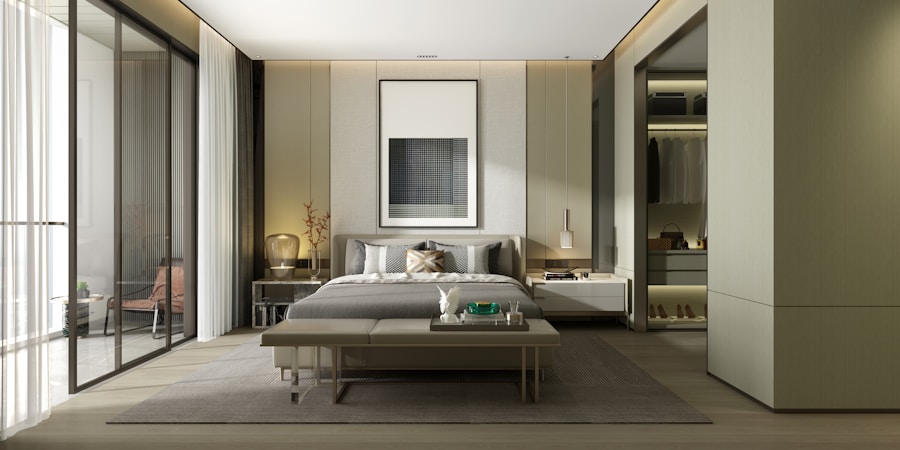
As you explore industrial interior design, you are transported to the raw and rugged charm of urban spaces. This style draws inspiration from warehouses and factories, showcasing exposed brick walls, metal beams, and concrete floors. The industrial aesthetic celebrates the beauty of imperfection, allowing you to embrace the character of your home rather than hiding it behind layers of paint or wallpaper.
You may find that this style resonates with your appreciation for authenticity and history. In an industrial space, you can play with contrasting elements to create visual interest. For instance, pairing sleek modern furniture with vintage industrial pieces can create a dynamic balance.
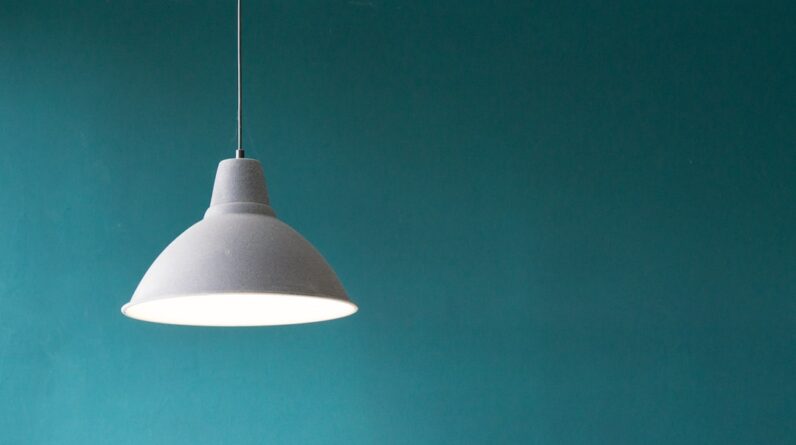
You might choose to incorporate reclaimed wood accents or vintage light fixtures to add warmth and personality to your space. The color palette often leans towards muted tones like grays, browns, and blacks, but you can inject pops of color through artwork or decorative accessories to keep the space feeling lively and inviting.
Scandinavian Interior Design
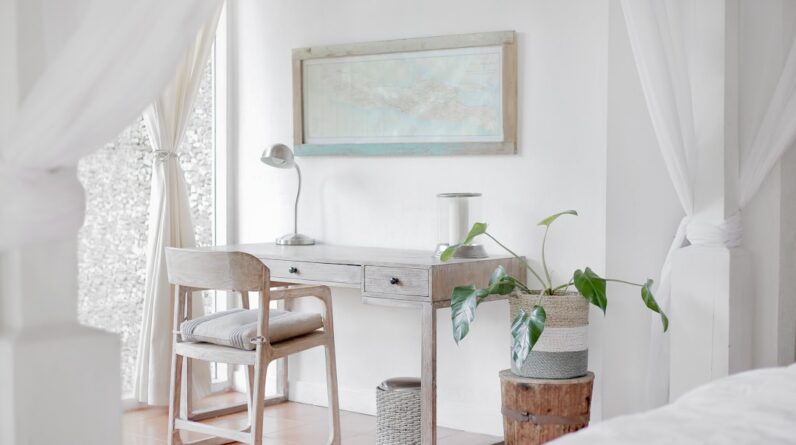
Scandinavian interior design is known for its emphasis on functionality, simplicity, and connection to nature. As you immerse yourself in this style, you will appreciate how it combines minimalism with warmth and coziness. Characterized by light color palettes, natural materials, and an abundance of natural light, Scandinavian design creates an inviting atmosphere that feels both modern and timeless.
Incorporating Scandinavian elements into your home can be as simple as choosing furniture with clean lines and organic shapes. You might opt for light wood finishes or soft textiles like wool and linen to add comfort to your space. The use of plants is also a hallmark of Scandinavian design; they not only purify the air but also bring a touch of nature indoors.
By focusing on functionality without sacrificing aesthetics, you can create a harmonious living environment that reflects your appreciation for both beauty and practicality.
Bohemian Interior Design
If you have a free-spirited nature and love vibrant colors and eclectic patterns, bohemian interior design may be the perfect fit for you. This style celebrates individuality and creativity, allowing you to express your personality through an array of textures, colors, and cultural influences. As you embrace bohemian design, you will find that it encourages layering and mixing different styles to create a unique and inviting space.
In a bohemian-inspired room, you might choose rich jewel tones for your walls or furnishings while incorporating an array of textiles such as patterned rugs, throw pillows, and tapestries. Vintage furniture pieces can add character and charm, while plants bring life and freshness into the space. The key to achieving a successful bohemian look is to let go of rigid design rules; instead, focus on creating a space that feels comfortable and reflects your personal journey through art, travel, and culture.
Mid-Century Modern Interior Design
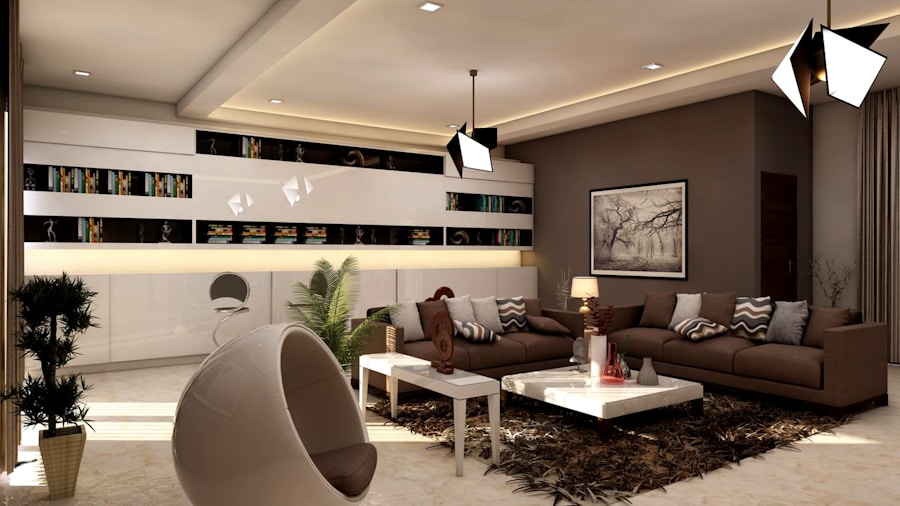
Mid-century modern interior design is a style that has stood the test of time, characterized by its clean lines, organic forms, and functional beauty. As you explore this design movement that emerged in the mid-20th century, you will discover how it seamlessly blends form with function. This style often features iconic furniture pieces made from materials like molded plastic, plywood, and metal, which were revolutionary at the time.
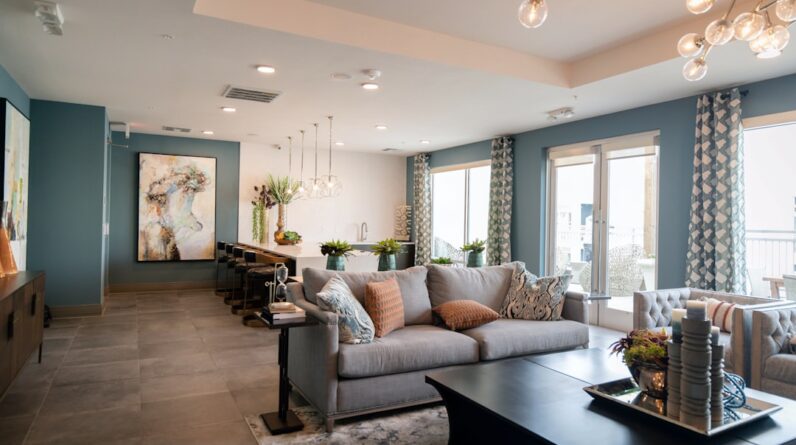
Incorporating mid-century modern elements into your home can be both fun and rewarding. You might choose statement pieces like an Eames lounge chair or a sleek coffee table with tapered legs to anchor your living space. The color palette often includes earthy tones combined with bold accents like mustard yellow or teal.
By embracing open floor plans and large windows that invite natural light in, you can create an airy atmosphere that embodies the essence of mid-century modern design.
Art Deco Interior Design
Art Deco interior design is synonymous with glamour and luxury, emerging in the 1920s as a response to the opulence of the Jazz Age. As you delve into this style, you’ll find it characterized by bold geometric patterns, rich colors, and lavish materials such as marble, glass, and metals. Art Deco celebrates craftsmanship and attention to detail, making it an ideal choice for those who appreciate elegance in their living spaces.
To incorporate Art Deco elements into your home, consider using bold wallpaper with geometric designs or investing in statement lighting fixtures like chandeliers made from crystal or polished metals. Furniture pieces often feature luxurious fabrics like velvet or leather in rich hues such as deep blues or golds. By mixing these elements with modern touches or vintage finds, you can create a sophisticated atmosphere that pays homage to this iconic design movement while still feeling fresh and contemporary.
Eclectic Interior Design
Eclectic interior design is all about embracing diversity and creativity in your living space. If you have an adventurous spirit and enjoy mixing different styles, colors, and textures, this approach may resonate with you. Eclectic design allows for personal expression by combining elements from various periods and cultures into a cohesive look that feels uniquely yours.
As you curate an eclectic space, consider blending vintage finds with modern pieces or incorporating art from different cultures to create visual interest. You might choose a bold color palette that reflects your personality while layering textures through textiles like rugs or curtains. The key to successful eclectic design lies in finding balance; while mixing styles is encouraged, maintaining some common threads—such as color or material—can help tie the space together harmoniously.
In conclusion, contemporary interior design offers a rich tapestry of styles for you to explore and incorporate into your home. Whether you are drawn to the simplicity of minimalism or the vibrant energy of bohemian design, each style provides unique opportunities for self-expression. By understanding the characteristics of these various styles—minimalist, industrial, Scandinavian, bohemian, mid-century modern, Art Deco, and eclectic—you can create a living environment that not only reflects your personal taste but also enhances your overall well-being.
Embrace the journey of designing your space; after all, it is an extension of who you are.
FAQs
What are some popular contemporary interior design styles?
Some popular contemporary interior design styles include minimalism, Scandinavian, industrial, mid-century modern, and bohemian.
What are the key characteristics of contemporary interior design styles?
Contemporary interior design styles often feature clean lines, open spaces, and a focus on functionality. They also incorporate a mix of materials, textures, and neutral color palettes.
How can I incorporate contemporary interior design styles into my home?
You can incorporate contemporary interior design styles into your home by using simple and sleek furniture, incorporating natural elements, and utilizing a neutral color scheme. Additionally, you can add statement pieces and artwork to create visual interest.
What are some common elements found in contemporary interior design styles?
Common elements found in contemporary interior design styles include minimalistic furniture, geometric shapes, natural light, and a mix of textures such as wood, metal, and glass.
Are contemporary interior design styles suitable for all types of homes?
Yes, contemporary interior design styles can be adapted to suit various types of homes, from apartments to single-family houses. The key is to focus on clean lines, open spaces, and a mix of materials to create a contemporary look.