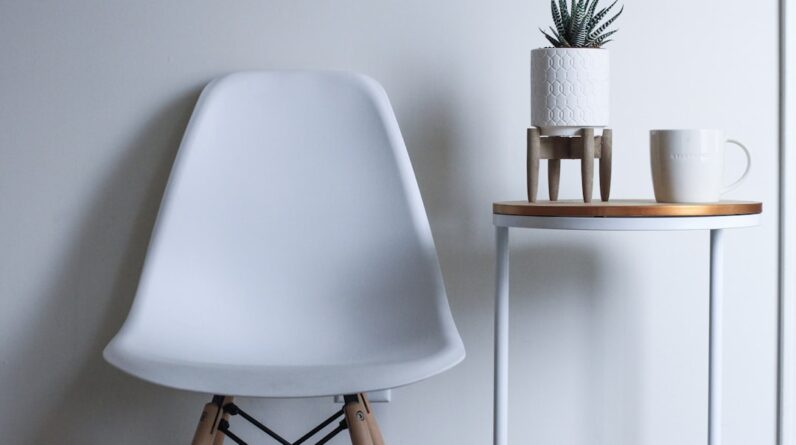
When you think about creating a pet-friendly environment, it’s essential to first understand the unique needs of your furry companions. Each pet has its own set of requirements that contribute to its overall well-being. For instance, dogs often need ample space to roam and play, while cats may prefer cozy nooks where they can curl up and observe their surroundings.
By recognizing these needs, you can tailor your living space to ensure that it caters to the comfort and happiness of your pets. Moreover, different breeds and species have varying levels of energy and socialization needs. A high-energy dog may require a designated area for exercise, while a more laid-back cat might thrive in a quiet corner with a scratching post.
Understanding these nuances allows you to create an environment that not only accommodates your pets but also enhances their quality of life. By prioritizing their needs, you foster a harmonious relationship between your pets and your living space.
Key Takeaways
- Understanding the needs of pets is crucial for creating a pet-friendly space
- Safety considerations such as non-toxic materials and secure boundaries are important for pet-friendly spaces
- Choosing pet-friendly materials and finishes can make a space more durable and easy to clean
- Creating functional and accessible spaces for pets can improve their quality of life and overall well-being
- Incorporating pet-friendly furniture and accessories can enhance the comfort and enjoyment of pets in a space
Safety Considerations for Pet-Friendly Spaces
Safety is paramount when designing spaces that are friendly to pets. You must consider potential hazards that could pose risks to your furry friends. For example, sharp edges on furniture, toxic plants, and small objects that can be swallowed should be eliminated or secured.
By taking these precautions, you create a safe haven where your pets can explore without the constant worry of injury. Additionally, it’s crucial to think about the layout of your home. Open spaces can be beneficial for pets, allowing them to move freely without obstacles.
However, you should also consider areas where pets might be tempted to venture into unsafe zones, such as kitchens or staircases. Installing baby gates or using pet barriers can help keep your pets safe while still allowing them access to the areas they enjoy most. By being proactive about safety, you ensure that your home is a secure environment for both you and your beloved animals.
Choosing Pet-Friendly Materials and Finishes
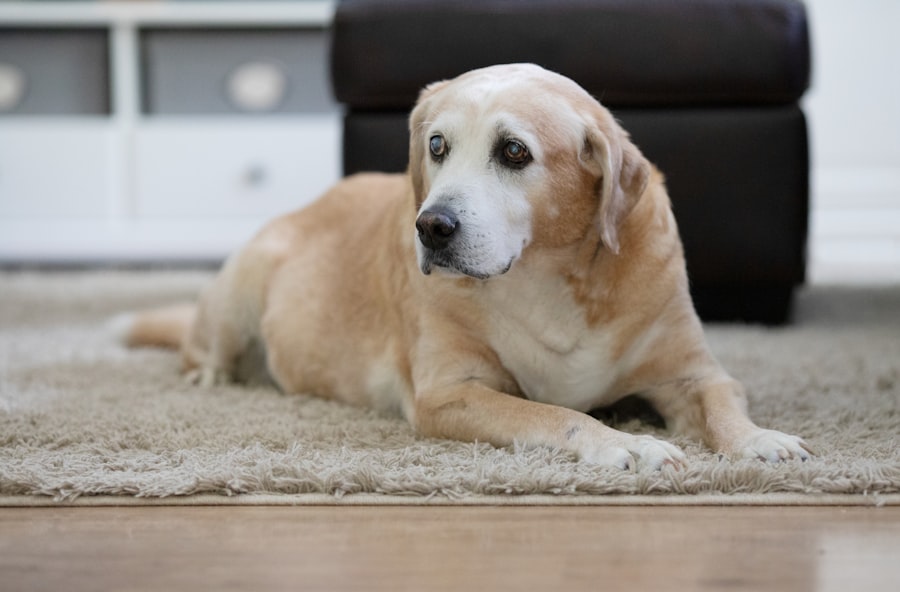
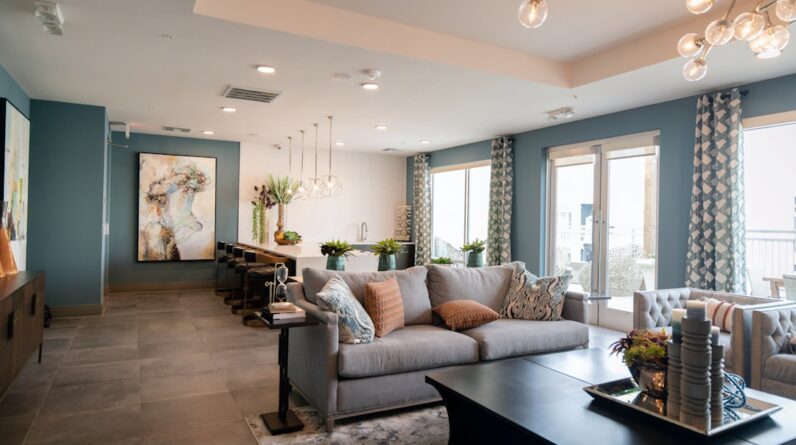
Selecting the right materials and finishes is vital in creating a pet-friendly home. You want to choose options that are durable and easy to clean, as pets can be messy. For flooring, consider materials like tile or laminate that can withstand scratches and spills.
These surfaces are not only practical but also stylish, allowing you to maintain an aesthetically pleasing environment while accommodating your pets. When it comes to upholstery, opt for fabrics that are resistant to stains and wear. Microfiber and leather are excellent choices as they can be wiped clean easily and resist damage from claws.
Additionally, consider using washable slipcovers for furniture, which can be removed and cleaned regularly. By making thoughtful choices in materials and finishes, you create a space that is both functional for your pets and visually appealing for you.
Creating Functional and Accessible Spaces for Pets
Creating functional spaces for your pets involves more than just providing food and water bowls; it requires thoughtful design that considers their daily routines. Designate specific areas for feeding, sleeping, and playing to help your pets feel settled in their environment. For instance, a cozy corner with a comfortable bed can serve as a perfect retreat for your dog or cat after a long day of play.
Accessibility is another critical factor in designing spaces for pets. Ensure that food and water bowls are placed in easily reachable locations, especially for older pets or those with mobility issues. Elevated feeding stations can be beneficial for larger breeds, while low-profile beds can accommodate smaller animals.
By considering the physical needs of your pets, you create an environment that promotes their independence and comfort.
Incorporating Pet-Friendly Furniture and Accessories
Incorporating pet-friendly furniture and accessories into your home can enhance both functionality and style. Look for pieces that are designed with pets in mind, such as scratch-resistant coffee tables or pet-friendly sofas that can withstand wear and tear. These items not only serve their purpose but also blend seamlessly with your existing decor.
Accessories play a significant role in creating a pet-friendly atmosphere as well. Consider adding stylish storage solutions for toys and supplies to keep your space organized. Decorative baskets or chic bins can help contain clutter while adding an aesthetic touch to your home.
By thoughtfully selecting furniture and accessories, you create a cohesive look that accommodates your pets without sacrificing style.
Designing Outdoor Spaces for Pets
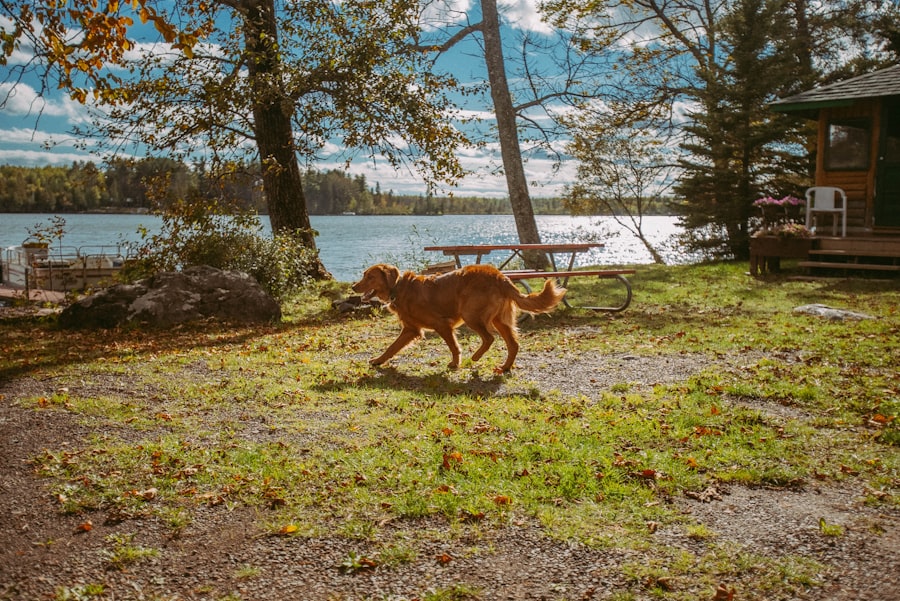
Outdoor spaces offer a fantastic opportunity to enrich your pets’ lives while providing them with a safe area to explore. When designing these spaces, consider incorporating features that cater to their natural instincts. For example, a secure fence is essential for keeping dogs safe while allowing them to enjoy the outdoors freely.
Additionally, creating shaded areas with trees or awnings can provide relief from the sun during hot days. You might also want to include elements that stimulate your pets mentally and physically. A small agility course or climbing structures can provide hours of entertainment for dogs, while cats may enjoy outdoor enclosures or catios where they can bask in the sun without the risk of wandering off.
By designing outdoor spaces with your pets’ needs in mind, you create an enriching environment that encourages play and exploration.
Maintenance and Cleaning Considerations for Pet-Friendly Features
Maintaining a pet-friendly home requires a proactive approach to cleaning and upkeep. With pets around, it’s essential to choose features that are easy to clean and maintain over time. For instance, opting for washable rugs or slipcovers can save you time and effort when it comes to dealing with spills or accidents.
Regular cleaning routines are also crucial in keeping your home fresh and inviting. Invest in high-quality vacuum cleaners designed specifically for pet hair removal, as this will make it easier to manage shedding fur on carpets and furniture. Additionally, consider using pet-safe cleaning products to ensure the safety of your animals while maintaining a clean environment.
By prioritizing maintenance and cleaning considerations, you create a space that remains welcoming for both you and your pets.
Balancing Pet-Friendly Features with Aesthetics
While creating a pet-friendly home is essential, it’s equally important to maintain an aesthetically pleasing environment. Striking a balance between functionality for your pets and style for yourself can be achieved through thoughtful design choices. Start by selecting colors and patterns that complement your existing decor while being practical for pet ownership.
Incorporating stylish storage solutions can also help maintain an organized appearance without compromising on functionality. For example, decorative bins or baskets can house pet toys while adding visual interest to your space. By blending pet-friendly features with aesthetic considerations, you create a harmonious environment where both you and your pets can thrive.
In conclusion, designing a pet-friendly home involves understanding the needs of your animals while ensuring safety, functionality, and aesthetics are prioritized. By making informed choices about materials, furniture, outdoor spaces, and maintenance routines, you create an environment that enhances the quality of life for both you and your beloved pets. With careful planning and consideration, you can achieve a beautiful home that caters to the needs of every member of your family—two-legged or four-legged alike.
FAQs
What are some specific considerations for designing pet-friendly spaces?
Some specific considerations for designing pet-friendly spaces include durable and easy-to-clean flooring, designated pet areas, secure outdoor spaces, and pet-friendly furniture and accessories.
What are some pet-friendly flooring options?
Some pet-friendly flooring options include laminate, luxury vinyl, tile, and certain types of hardwood that are more resistant to scratches and stains.
How can designated pet areas be incorporated into a space?
Designated pet areas can be incorporated into a space by including built-in feeding stations, pet beds, and storage for pet toys and supplies. These areas can also be integrated into mudrooms or laundry rooms for easy cleaning.
What are some features of secure outdoor spaces for pets?
Secure outdoor spaces for pets should include fencing or other barriers to prevent escape, as well as pet-friendly landscaping and designated areas for play and exercise.
What are some examples of pet-friendly furniture and accessories?
Examples of pet-friendly furniture and accessories include stain-resistant upholstery, washable slipcovers, and scratch-resistant materials. Additionally, pet-friendly accessories may include feeding stations, pet gates, and storage solutions for pet supplies.