Adriatica Village, nestled in McKinney, Texas, presents a unique architectural charm reminiscent of a European seaside town. Within this picturesque setting, you’ll find a growing demand for interior design services that can not only complement its distinctive aesthetic but also translate your personal vision into tangible living spaces. This article aims to equip you, the discerning homeowner or prospective resident, with the knowledge to navigate the landscape of interior design in Adriatica Village and identify a service that aligns with your needs. Think of this as your compass, guiding you through the stylistic currents and practical considerations of transforming your house into a home that resonates with both the village’s character and your individual spirit.
Adriatica Village is not just a residential area; it’s an experience. Its design intentionally evokes a Mediterranean vibe, with cobblestone streets, waterfront vistas, and architecture that speaks of coastal charm. When considering interior design services here, it’s crucial to understand how these external elements can, and perhaps should, influence your internal choices.
The Mediterranean Influence: Beyond Blue and White
The immediate association with Mediterranean design often conjures images of whitewashed walls and vibrant blue accents. While these are certainly foundational, a sophisticated approach in Adriatica Village goes deeper.
Coastal Palettes and Natural Materials
The interior design services you engage with should demonstrate an understanding of how to translate the surrounding coastal influences into your home. This involves more than just color palettes.
The Nuances of Seaside Hues
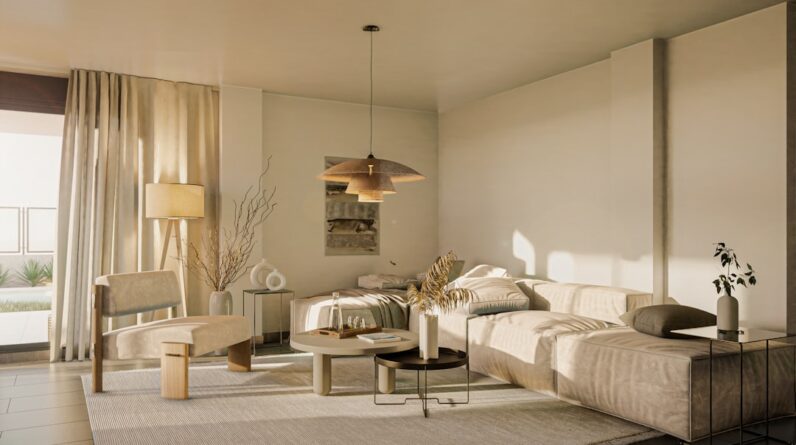
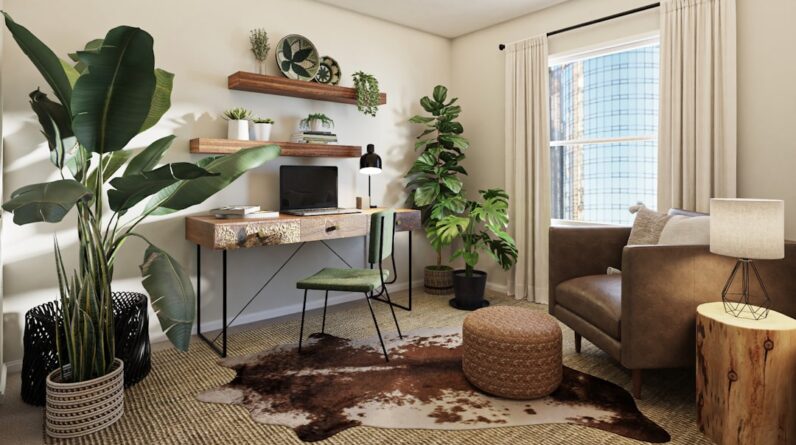
Explore how local designers interpret “coastal.” This could mean incorporating the softer, sun-bleached tones of weathered wood and sand, the muted greens of coastal flora, or the ever-changing blues of the sky and sea. A skilled designer will move beyond the obvious, finding ways to bring the tranquility and natural beauty of your surroundings indoors.
Embracing Texture: From Rattan to Linen
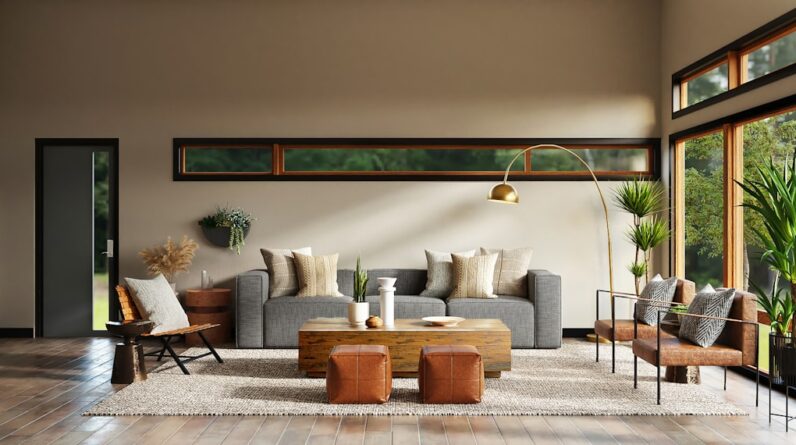
The tactile quality of materials is paramount in creating a truly immersive Mediterranean-inspired interior. Think about the smooth coolness of terracotta tiles, the rough charm of exposed brick, or the natural weave of rattan furniture. Your chosen designer should be adept at combining these textures to create visual interest and a sense of authentic comfort.
Architectural Harmony: Bridging Inside and Out
The architecture of Adriatica Village itself provides a significant canvas. The best interior designers will see your home not as an isolated box, but as an integral part of this envisioned community.
Window Treatments: Framing the View
Consider how window treatments can enhance the connection between your living space and the village’s picturesque environment. A designer might suggest flowing linen curtains that catch the breeze, or perhaps more structured options that frame specific vistas like a work of art.
Integrating Outdoor Living Spaces
Many homes within Adriatica Village embrace outdoor living. Your interior design service should be capable of seamlessly extending your interior style to patios, balconies, and courtyards, creating cohesive and inviting entertainment areas.
Defining Your Interior Design Goals
Before you even begin researching firms, it’s essential to have a clear understanding of what you hope to achieve. This self-reflection is the bedrock upon which successful interior design projects are built. A designer can be an incredible architect of your desires, but they need to know what those desires are.
Functionality Versus Aesthetics: Finding the Balance
The most effective interior design solutions are those that masterfully blend form and function. A beautiful space that is impractical will quickly become a source of frustration.
Everyday Living Needs: Practicality First
Think about your daily routines. How do you use your kitchen? Where do you relax after a long day? What are your storage requirements? A competent designer will ask these questions and incorporate practical considerations into their conceptualization.
The Kitchen as the Heart of the Home
This is often the most used room in a house. Your designer should explore ergonomic layouts, durable materials, and sufficient storage to make your kitchen both a joy to cook in and a welcoming gathering space.
Creating Comfortable and Functional Living Areas
From the arrangement of furniture to the selection of fabrics, the goal is to create spaces where you can truly unwind and entertain with ease. This involves understanding traffic flow and the intended use of each zone within a room.
Personal Style: Infusing Your Unique Identity
While Adriatica Village has a defined aesthetic, your home should ultimately reflect you. This is where the magic of personalized design comes into play.
Beyond Trends: Timeless Elegance
A reputable interior design service will guide you towards choices that transcend fleeting trends, opting for a style that feels enduring and sophisticated.
The Art of Personalization
This is your opportunity to inject your personality. Whether it’s through a collection of art, a cherished heirloom, or a unique color preference, a good designer will find ways to weave these elements into the overall design fabric.
Curating Your Collections
If you have specific interests, such as art, books, or collectibles, your designer can help you showcase them in a way that enhances your home’s aesthetic without feeling cluttered.
Key Considerations When Choosing a Service
The selection of an interior design service is a significant decision. It’s akin to choosing a partner for a complex creative endeavor. You need someone who listens, understands, and can execute your vision with skill and professionalism.
Portfolio Review: A Glimpse into Their Expertise
The portfolio of an interior design firm is their resume. It showcases their past projects, their stylistic range, and their ability to deliver results.
Recognizing Quality and Style Alignment
When reviewing portfolios, pay attention to the consistency of quality across projects. Does their style resonate with your aspirations? Look for examples that demonstrate similar challenges to your own, and see how they were overcome.
Diverse Project Range
A firm that has worked on a variety of project types, from single-room transformations to full-home renovations, will likely be more adaptable and experienced.
Attention to Detail
Examine close-up shots in their portfolios. Do they pay attention to the finishing touches, the hardware, the integration of lighting? These details often separate good design from exceptional design.
Client Testimonials and Reviews: The Voice of Experience
While a portfolio shows what they do, testimonials reveal how they do it and the satisfaction of their clients.
Understanding Client Relationships and Project Management
Look for consistent themes in reviews. Do clients praise their communication? Their adherence to budget and timelines? Their problem-solving skills?
Feedback on Communication and Collaboration
A positive working relationship is crucial. Testimonials often highlight how well designers communicate and collaborate with clients, which is a strong indicator of a smooth process.
Project Completion and Satisfaction
Ultimately, you want a firm that consistently delivers projects that leave clients delighted and their homes transformed.
The Consultation Process: Your First Impression
The initial consultation is your opportunity to gauge the chemistry between you and the designer, and to assess their understanding of your needs.
Asking the Right Questions
Prepare a list of questions that are important to you. This demonstrates your engagement and helps you gather the information you need.
Budget and Timeline Discussions
Be upfront about your budget and desired timeline. A reputable designer will be transparent about what can be achieved within these parameters.
Design Approach and Process
Understand their methodology. How do they typically engage with clients? What are the stages of their design process?
Assessing Their Listening Skills
Does the designer actively listen to your ideas and concerns, or do they impose their own preconceived notions? Your vision should be the starting point, not an afterthought.
Navigating Budget and Contracts

Understanding the financial aspects of interior design is as vital as appreciating the aesthetic possibilities. Transparency and clear communication regarding budget and contractual agreements are paramount.
Budgeting: More Than Just Aesthetics
An interior design service should be able to work within your budgetary constraints, offering creative solutions that maximize value.
Transparent Pricing Models
Inquire about their pricing structure. Is it a fixed fee, an hourly rate, or a percentage of the project cost? A clear understanding prevents surprises.
Understanding Design Fees vs. Material Costs
It’s important to differentiate between the fees for the designer’s services and the actual cost of materials, furniture, and labor.
Cost-Saving Strategies
A skilled designer can often identify cost-saving opportunities without compromising on the overall look and feel, perhaps by suggesting smartly sourced alternatives or phasing the project.
Contracts and Agreements: Securing the Partnership
A well-defined contract is your safeguard, ensuring both parties are clear on expectations, deliverables, and financial obligations.
Key Clauses to Look For
Ensure the contract outlines the scope of work, payment schedules, termination clauses, and liability.
Scope of Services
This section should clearly define what the designer will provide, from initial concept development to final project installation.
Payment Schedules and Milestones
Understanding when payments are due, often tied to project milestones, provides a clear roadmap for financial commitments.
Dispute Resolution
While hopefully unnecessary, a contract should include provisions for how any potential disputes will be handled.
The Collaborative Journey: Partnering for Success
| Service Provider | Design Style | Customer Rating | Project Completion Time | Consultation Fee | Contact |
|---|---|---|---|---|---|
| Adriatica Interiors | Modern Mediterranean | 4.8/5 | 4-6 weeks | Free | (972) 555-1234 |
| McKinney Design Studio | Contemporary | 4.6/5 | 3-5 weeks | 50 | (972) 555-5678 |
| Village Home Interiors | Eclectic | 4.7/5 | 5-7 weeks | 75 | (972) 555-8765 |
| Texas Luxe Designs | Luxury Modern | 4.9/5 | 6-8 weeks | 100 | (972) 555-4321 |
Engaging an interior design service is not about handing over complete control; it’s about entering into a collaborative partnership. Your input is invaluable throughout the process.
Communication: The Lifeline of the Project
Open, honest, and regular communication is the backbone of any successful design project.
Regular Updates and Feedback Loops
Your designer should provide consistent updates on progress, and establish a clear system for you to provide feedback at each stage.
Scheduled Meetings and Check-ins
Regularly scheduled meetings, whether in person or virtual, ensure you remain informed and can address any emerging questions or concerns.
Effective Channels for Communication
Understand how the designer prefers to communicate – email, phone calls, project management software – and ensure these channels work for you.
Design Revisions and Approvals: Your Opportunity to Shape
Your designer will present concepts and proposals. This is your chance to review, ask questions, and make necessary adjustments.
The Iterative Nature of Design
Design is rarely a linear process. Expect a degree of iteration as ideas are refined and developed.
Providing Constructive Feedback
When reviewing proposals, offer specific and actionable feedback. Instead of saying “I don’t like it,” explain why and suggest alternatives.
Understanding the Impact of Changes
Be mindful that significant changes during the design process can impact both the timeline and the budget.
Installation and Final Touches: The Grand Finale
The culmination of the design process involves the installation of furniture, décor, and finishes.
Overseeing the Implementation
Your designer should oversee the installation process, ensuring that the final execution matches the approved design.
Quality Control and Problem Solving
A good designer will be on-site during installation to address any unforeseen issues and ensure the highest quality of work.
The Final Reveal
The day your home is transformed is a culmination of the collective effort, bringing your vision to life in Adriatica Village.
Choosing the right interior design service in Adriatica Village is about finding a partner who understands the unique character of the area, respects your personal style, and is committed to creating a space that is both beautiful and functional for years to come. This comprehensive guide should serve as your foundation as you embark on this exciting journey.
FAQs
What types of interior design services are offered in Adriatica Village, McKinney, Texas?
Interior design services in Adriatica Village typically include space planning, color consultation, furniture selection, lighting design, custom cabinetry, and accessorizing to create cohesive and personalized living spaces.
How can I find a reputable interior design service in Adriatica Village?
You can find reputable interior design services by researching local firms online, reading customer reviews, asking for recommendations from residents, and checking credentials such as professional memberships or certifications.
What is the average cost of hiring an interior designer in McKinney, Texas?
The cost varies depending on the scope of the project, but interior design services in McKinney generally range from $50 to $200 per hour or a flat fee based on the size and complexity of the project.
Are interior design services in Adriatica Village suitable for both residential and commercial projects?
Yes, many interior design firms in Adriatica Village offer services for both residential homes and commercial spaces, tailoring their designs to meet the specific needs of each client.
How long does a typical interior design project take in Adriatica Village?
The duration of an interior design project depends on its scale and complexity but usually ranges from a few weeks to several months, including planning, sourcing materials, and installation.