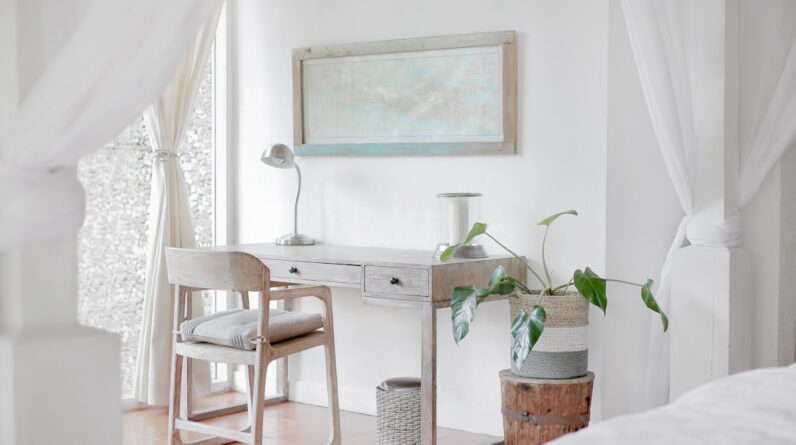
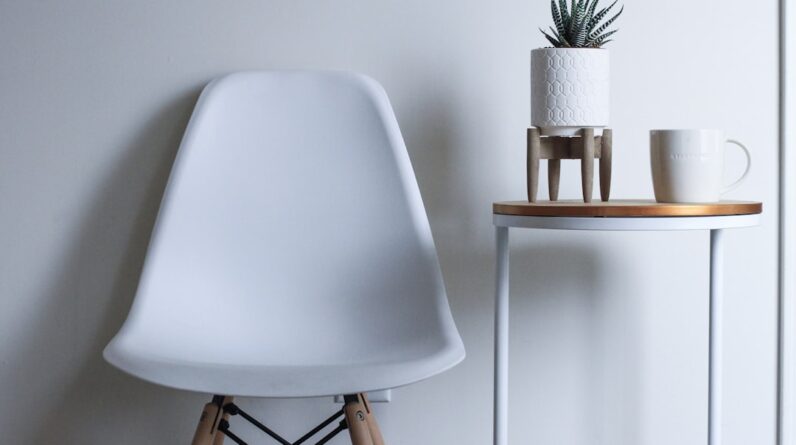
Embarking on a furniture DIY painting project can be an exhilarating experience, allowing you to breathe new life into old pieces and express your personal style. Whether you’re looking to revamp a tired chair, transform a wooden table, or give a fresh coat to a vintage dresser, painting furniture can be a rewarding endeavor. Not only does it enhance the aesthetic appeal of your home, but it also provides an opportunity for creativity and self-expression.
With the right tools and techniques, you can achieve professional-looking results without breaking the bank. As you dive into the world of furniture painting, you may find that using a paint sprayer can significantly streamline the process. Unlike traditional brushes or rollers, paint sprayers offer a smooth, even finish that can save you time and effort.
They are particularly useful for intricate designs and hard-to-reach areas, making them an ideal choice for furniture projects. In this article, you will explore the various types of paint sprayers available, tips for selecting the right one, essential preparation steps, and a comprehensive guide to using a paint sprayer effectively.
Key Takeaways
- Furniture DIY painting can be a fun and cost-effective way to update your home decor.
- There are three main types of paint sprayers for furniture DIY: airless, HVLP, and handheld.
- When choosing the best paint sprayer for furniture DIY, consider factors such as the type of furniture, the size of the project, and your level of experience.
- Proper preparation and safety measures, such as sanding and wearing protective gear, are essential for successful furniture DIY painting.
- Regular maintenance and cleaning of your paint sprayer will ensure its longevity and optimal performance for future projects.
Types of Paint Sprayers for Furniture DIY
When it comes to choosing a paint sprayer for your furniture DIY projects, understanding the different types available is crucial. The three main categories of paint sprayers are airless sprayers, HVLP (High Volume Low Pressure) sprayers, and compressed air sprayers. Each type has its unique advantages and is suited for different applications.
Airless sprayers are known for their ability to cover large areas quickly and efficiently. They work by pumping paint at high pressure through a small tip, allowing for a smooth application on various surfaces. This type of sprayer is particularly effective for larger furniture pieces or when you have multiple items to paint in one go.
However, they can be more challenging to control and may require some practice to master. On the other hand, HVLP sprayers are designed to provide a fine finish with minimal overspray. They operate at lower pressure, which allows for better control and precision when painting intricate details or smaller furniture items.
This makes them an excellent choice for projects where detail is paramount, such as refinishing cabinets or painting decorative accents. Compressed air sprayers are another option, utilizing compressed air to atomize the paint. While they can produce high-quality finishes, they often require more setup and maintenance compared to other types.
Tips for Choosing the Best Paint Sprayer for Furniture DIY
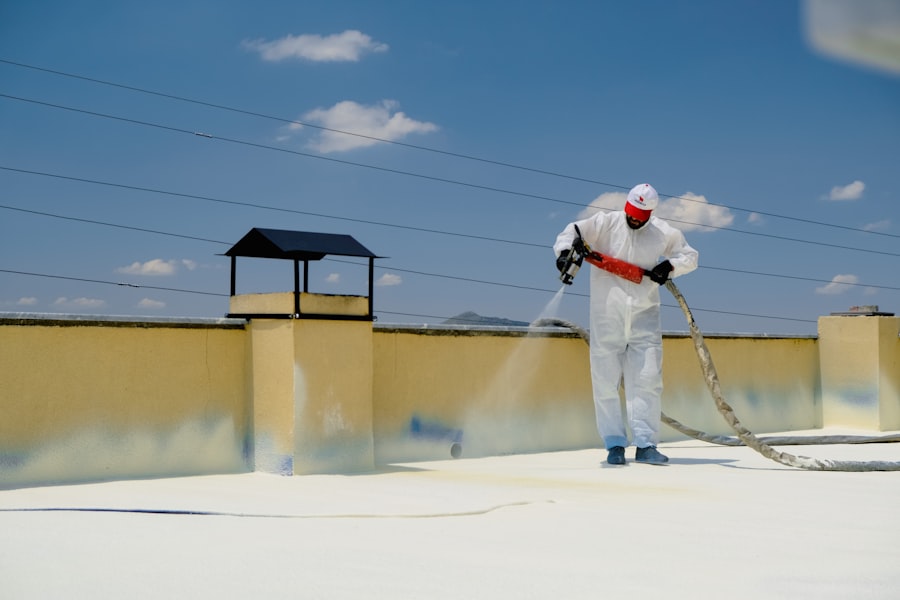
Selecting the right paint sprayer for your furniture DIY project can make all the difference in achieving the desired results. Start by considering the size and scope of your project. If you plan to tackle multiple pieces or larger items, an airless sprayer may be your best bet due to its efficiency in covering vast areas quickly.
Conversely, if you’re focusing on smaller projects or intricate details, an HVLP sprayer will provide the precision you need. Another important factor to consider is the type of paint you intend to use. Some sprayers are better suited for specific types of paint, such as latex or oil-based products.
Always check the manufacturer’s recommendations to ensure compatibility with your chosen paint. Additionally, think about the ease of use and cleaning when selecting a sprayer. Some models come with features that simplify cleanup, which can save you time and frustration after your project is complete.
Lastly, don’t overlook the importance of budget. Paint sprayers come in a wide range of prices, so it’s essential to find one that fits your financial constraints while still meeting your project needs. Reading reviews and seeking recommendations from fellow DIY enthusiasts can also help you make an informed decision.
Preparation and Safety Measures for Furniture DIY Painting
Before diving into your furniture painting project, proper preparation is key to achieving a successful outcome. Start by selecting a well-ventilated workspace where you can comfortably work on your furniture without interruptions. If possible, consider moving your project outdoors or into a garage with open doors to ensure adequate airflow.
This is especially important when using paint sprayers, as they can produce fumes that may be harmful if inhaled in enclosed spaces. Next, gather all necessary materials and tools before starting your project. This includes your chosen paint sprayer, paint, drop cloths to protect your surroundings, painter’s tape for masking off areas you don’t want to paint, and safety gear such as gloves and goggles.
Wearing a mask designed for paint fumes is also highly recommended to protect your lungs from harmful particles. Additionally, prepare your furniture by cleaning it thoroughly to remove any dust or grease that could affect paint adhesion. If you’re working with previously painted surfaces, consider sanding them lightly to create a better bond with the new paint.
Filling in any cracks or holes with wood filler will also help achieve a smooth finish.
Step-by-Step Guide to Using a Paint Sprayer for Furniture DIY
Once you’ve prepared your workspace and materials, it’s time to get started with your paint sprayer. Begin by setting up your sprayer according to the manufacturer’s instructions. This typically involves assembling the components and filling the paint reservoir with your chosen paint.
Be sure to thin the paint if necessary; many sprayers require a specific viscosity for optimal performance. Before applying paint to your furniture piece, conduct a test spray on a scrap piece of wood or cardboard. This will allow you to adjust the spray pattern and pressure settings as needed while ensuring that you’re comfortable with the operation of the sprayer.
Once you’re satisfied with the results from your test spray, it’s time to move on to your furniture. When painting, hold the sprayer about 6-12 inches away from the surface and maintain a steady motion as you apply the paint. Overlap each pass slightly to ensure even coverage without leaving gaps or streaks.
It’s best to apply multiple thin coats rather than one thick coat; this will help prevent drips and runs while allowing for better adhesion between layers.
Common Mistakes to Avoid When Using a Paint Sprayer for Furniture DIY
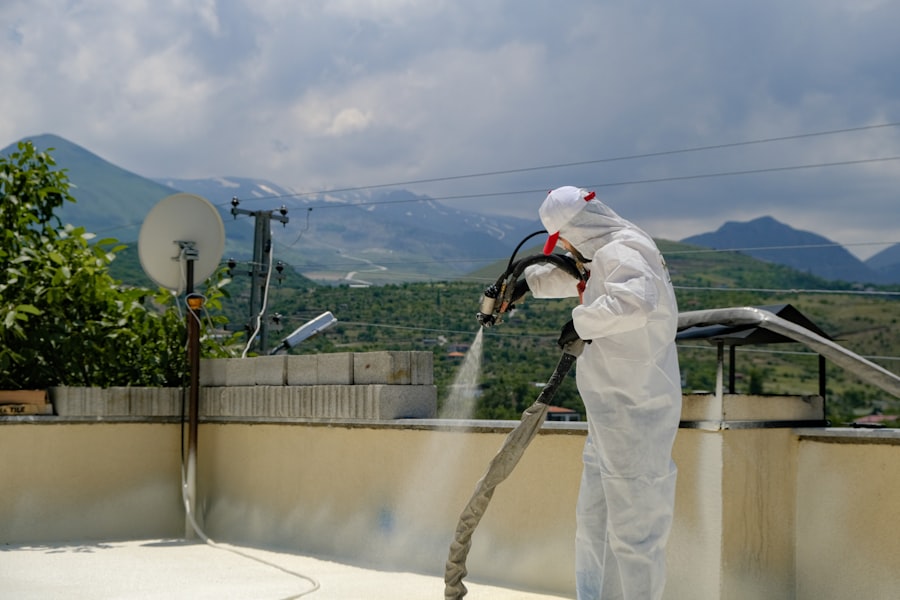
While using a paint sprayer can yield fantastic results, there are common pitfalls that many DIYers encounter during their projects. One frequent mistake is failing to properly prepare the surface before painting. Skipping steps like cleaning or sanding can lead to poor adhesion and an uneven finish that detracts from your hard work.
Another common error is not practicing enough before starting on the actual piece of furniture. It’s essential to familiarize yourself with how the sprayer operates and how different settings affect the application of paint. Taking the time to practice on scrap materials will help you avoid mishaps when it comes time to work on your furniture.
Additionally, many people underestimate the importance of proper ventilation during their projects. Failing to ensure adequate airflow can lead to inhaling harmful fumes or experiencing discomfort while painting. Always prioritize safety by working in well-ventilated areas and wearing appropriate protective gear.
Maintenance and Cleaning of Paint Sprayers for Furniture DIY
After completing your furniture painting project, proper maintenance and cleaning of your paint sprayer are crucial for ensuring its longevity and performance in future projects. Begin by following the manufacturer’s instructions for disassembling the sprayer after use. This typically involves removing the paint reservoir and any other detachable parts.
Next, thoroughly clean all components with water or solvent based on the type of paint used—water for latex paints and mineral spirits for oil-based paints. It’s essential to remove all traces of paint from the sprayer to prevent clogs and ensure smooth operation next time you use it. Pay special attention to small parts like filters and nozzles; these areas can easily accumulate dried paint if not cleaned properly.
Finally, store your paint sprayer in a cool, dry place away from direct sunlight or extreme temperatures. Keeping it in good condition will not only extend its lifespan but also enhance its performance during future projects.
Conclusion and Final Thoughts on Furniture DIY Painting with a Paint Sprayer
In conclusion, painting furniture using a paint sprayer can transform your home while allowing you to express your creativity in unique ways. By understanding the different types of sprayers available and following essential tips for selection and preparation, you can set yourself up for success in your DIY endeavors. Remember that practice makes perfect; take the time to familiarize yourself with your equipment before diving into your project.
As you embark on this journey of furniture DIY painting, keep in mind the importance of safety measures and proper maintenance of your tools. By avoiding common mistakes and taking care of your equipment after each use, you’ll ensure that every project is as enjoyable as it is rewarding. With patience and practice, you’ll soon find yourself mastering the art of furniture painting with a sprayer—creating stunning pieces that reflect your personal style while enhancing your living space.
So gather your materials, unleash your creativity, and enjoy the process of transforming ordinary furniture into extraordinary works of art!
FAQs
What are the benefits of using a paint sprayer for DIY furniture projects?
Using a paint sprayer for DIY furniture projects can provide a smooth and even finish, save time compared to using a brush or roller, and allow for better coverage in hard-to-reach areas.
What types of paint sprayers are suitable for furniture DIY projects?
For furniture DIY projects, HVLP (high volume, low pressure) and airless paint sprayers are commonly used. HVLP sprayers are ideal for fine finishes, while airless sprayers are better for larger projects and thicker coatings.
What factors should be considered when choosing a paint sprayer for furniture DIY projects?
When choosing a paint sprayer for furniture DIY projects, consider the type of furniture being painted, the size of the project, the type of paint or finish being used, and the level of control and precision required.
What safety precautions should be taken when using a paint sprayer for furniture DIY projects?
Safety precautions when using a paint sprayer for furniture DIY projects include wearing protective gear such as goggles, gloves, and a mask, working in a well-ventilated area, and following the manufacturer’s instructions for the specific paint sprayer being used.
What are some tips for achieving a professional finish when using a paint sprayer for furniture DIY projects?
To achieve a professional finish when using a paint sprayer for furniture DIY projects, it’s important to properly prepare the surface, practice proper spraying techniques, and apply multiple thin coats for even coverage. Additionally, choosing the right paint or finish for the project is crucial.