
In recent years, the concept of a smart home has transitioned from a futuristic dream to a tangible reality. You may have noticed how technology has seeped into every aspect of daily life, and smart home devices are at the forefront of this transformation. These devices, equipped with advanced sensors and connectivity features, allow you to control various aspects of your home environment through your smartphone or voice commands.
The convenience and efficiency they offer can significantly enhance your lifestyle, making everyday tasks simpler and more enjoyable. As you explore the world of smart home devices, you’ll find that they encompass a wide range of functionalities, from security systems to energy management tools. The integration of the Internet of Things (IoT) has made it possible for these devices to communicate with each other, creating a cohesive ecosystem that can be tailored to your specific needs.
Whether you’re looking to improve your home’s security, increase energy efficiency, or simply add a touch of modern convenience, smart home devices can provide solutions that align with your lifestyle.
Key Takeaways
- Smart home devices are revolutionizing the way we live by providing convenience, security, energy efficiency, entertainment, health and wellness, and home automation.
- Smart home security devices such as smart locks, cameras, and doorbells offer peace of mind and enhanced protection for your home.
- Smart home convenience devices like smart thermostats, lighting, and voice assistants make daily tasks easier and more efficient.
- Smart home energy efficiency devices such as smart plugs and energy monitors help reduce energy consumption and save money on utility bills.
- Smart home entertainment devices like smart TVs, speakers, and streaming devices offer a seamless and immersive entertainment experience at home.
Smart Home Devices for Security
When it comes to safeguarding your home, smart security devices offer unparalleled peace of mind. You can install smart cameras that allow you to monitor your property in real-time, providing you with the ability to check in on your home from anywhere in the world. These cameras often come equipped with motion detection features and night vision capabilities, ensuring that you remain informed about any unusual activity around your property.
With the ability to receive instant alerts on your smartphone, you can take immediate action if necessary. In addition to cameras, smart locks are another essential component of a comprehensive security system. These locks enable you to control access to your home remotely, allowing you to grant entry to guests or service providers without needing to be physically present.
You can set temporary access codes for visitors and receive notifications when someone enters or exits your home. This level of control not only enhances security but also adds a layer of convenience to your daily routine.
Smart Home Devices for Convenience

Smart home devices are designed to simplify your life, making everyday tasks more manageable and efficient. One of the most popular categories in this realm is smart assistants, such as Amazon Alexa or Google Assistant. These voice-activated devices can help you manage your schedule, set reminders, and even control other smart devices in your home with simple voice commands.
Imagine walking into your home and saying, “Turn on the lights,” or “Play my favorite playlist,” without lifting a finger. Moreover, smart appliances are revolutionizing the way you approach household chores. From smart refrigerators that can track your grocery inventory to washing machines that allow you to start a cycle remotely, these devices save you time and effort.
You can even receive notifications when your laundry is done or when you’re running low on essential items. The convenience offered by these technologies allows you to focus on what truly matters in your life while leaving mundane tasks to automated systems.
Smart Home Devices for Energy Efficiency
Energy efficiency is a growing concern for many homeowners, and smart home devices can play a significant role in reducing energy consumption. Smart thermostats are among the most effective tools for managing your home’s heating and cooling systems. These devices learn your preferences over time and adjust the temperature accordingly, ensuring that you’re comfortable while minimizing energy waste.
You can also control them remotely, allowing you to adjust settings when you’re away from home. In addition to thermostats, smart lighting systems can help you save on energy costs. With features like motion sensors and programmable schedules, these systems ensure that lights are only on when needed.
You can set up routines that automatically turn off lights during the day or dim them in the evening, creating an energy-efficient environment without sacrificing comfort. By integrating these devices into your home, you not only contribute to environmental sustainability but also enjoy lower utility bills.
Smart Home Devices for Entertainment
Entertainment is another area where smart home devices shine brightly. With the rise of streaming services and digital content consumption, smart TVs have become a staple in many households. These televisions allow you to access a plethora of streaming platforms directly from the device, eliminating the need for multiple remotes or external devices.
You can easily switch between shows, movies, and apps with just a few clicks or voice commands. Additionally, smart speakers have transformed how you experience music and audio content at home. With high-quality sound and voice control capabilities, these speakers can fill your space with music from various sources.
You can create playlists, ask for song recommendations, or even listen to audiobooks—all while multitasking around the house. The integration of smart speakers with other devices allows for seamless entertainment experiences, making it easier than ever to enjoy your favorite media.
Smart Home Devices for Health and Wellness
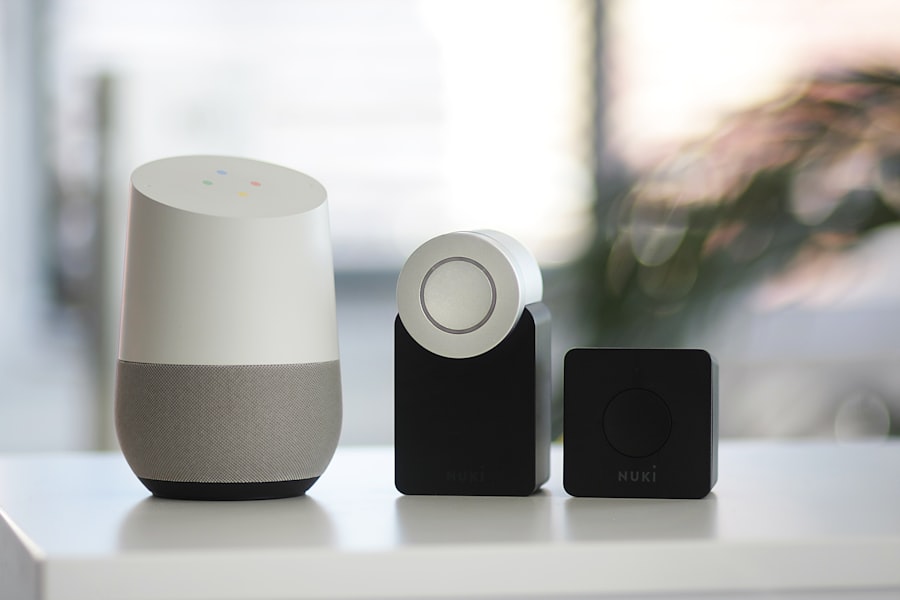
Your health and wellness are paramount, and smart home devices can support these aspects of your life in numerous ways. For instance, smart air purifiers can monitor air quality in real-time and adjust their filtration levels accordingly. This ensures that you’re breathing clean air free from allergens and pollutants, which is especially beneficial if you have respiratory issues or allergies.
Wearable technology also plays a crucial role in promoting health and wellness within the smart home ecosystem. Devices like fitness trackers can sync with smart home systems to provide insights into your physical activity and sleep patterns. By analyzing this data, you can make informed decisions about your lifestyle choices and set achievable health goals.
The integration of these technologies creates an environment that encourages healthy habits while providing valuable feedback on your progress.
Smart Home Devices for Home Automation
Home automation is perhaps one of the most exciting aspects of smart home technology. With the ability to connect various devices and create customized routines, you can automate many aspects of your daily life. For example, you might set up a morning routine that gradually brightens the lights in your bedroom while brewing coffee in the kitchen—all triggered by a simple command or at a specific time each day.
Moreover, automation extends beyond just convenience; it can also enhance security and energy efficiency. You can program your smart devices to simulate occupancy when you’re away from home by scheduling lights to turn on and off at random intervals. This creates the illusion that someone is home, deterring potential intruders while conserving energy during your absence.
The possibilities for automation are virtually limitless, allowing you to tailor your living space to suit your preferences seamlessly.
Conclusion and Future Trends in Smart Home Devices
As you consider the myriad benefits of smart home devices, it’s clear that they represent a significant shift in how we interact with our living spaces. The future of smart homes looks promising, with advancements in artificial intelligence and machine learning paving the way for even more sophisticated systems. Imagine homes that can anticipate your needs based on past behavior or integrate seamlessly with other technologies like augmented reality.
Furthermore, as concerns about privacy and data security continue to grow, manufacturers are likely to prioritize these aspects in their designs. You can expect more robust security features and transparent data practices as companies strive to build trust with consumers. The evolution of smart home technology will undoubtedly continue to enhance convenience, security, energy efficiency, entertainment options, health monitoring, and overall quality of life.
In conclusion, embracing smart home devices is not just about keeping up with trends; it’s about enhancing your lifestyle in meaningful ways. As technology continues to advance, you’ll find even more opportunities to create a personalized living environment that caters to your needs and preferences. The future is bright for smart homes, and you’re at the forefront of this exciting journey toward a more connected and efficient way of living.
FAQs
What are smart home devices?
Smart home devices are electronic devices that can be controlled remotely or automatically, and are typically connected to a smartphone or other smart devices. These devices can include smart thermostats, smart lighting, smart security cameras, and more.
What are the benefits of using smart home devices?
Smart home devices offer convenience, energy efficiency, and improved security. They allow users to control their home environment remotely, save on energy costs, and monitor their home for potential security threats.
What are some popular smart home devices?
Some popular smart home devices include smart thermostats like Nest or Ecobee, smart lighting systems like Philips Hue, smart security cameras like Ring or Arlo, and smart voice assistants like Amazon Echo or Google Home.
How do smart home devices work?
Smart home devices typically connect to a home’s Wi-Fi network and can be controlled through a smartphone app or voice commands. Many devices also use sensors and automation to adjust settings based on user preferences or environmental conditions.
Are smart home devices secure?
While smart home devices offer convenience and security benefits, they can also pose security risks if not properly secured. It’s important to use strong, unique passwords for smart home devices and keep their software up to date to minimize the risk of hacking or unauthorized access.