Interior design is often seen as a purely aesthetic endeavor focused on creating beautiful spaces that are visually appealing. While aesthetics are essential to interior design, truly impactful design goes beyond looks. Purposeful interior design can profoundly impact our lives, influencing our emotional behavior and overall well-being.
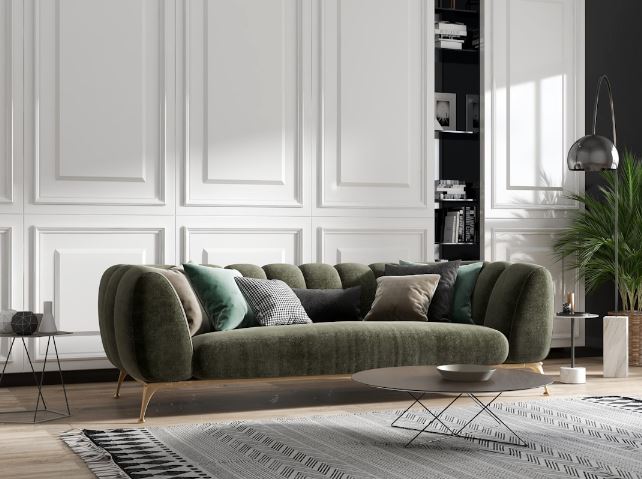
The Importance of Purposeful Design
When designing a space, it’s essential to consider its purpose and how it will be used. A well-designed space should not only look good but also function effectively and support the activities that will take place within it. Purposeful design considers the needs and preferences of the people using the space, creating a harmonious environment that enhances their experience.
The Power of Purposeful Design
When a space is designed with purpose, it can have a powerful impact on those who inhabit it. Purposeful design can promote well-being, productivity, and creativity while fostering a sense of comfort and security. A well-designed space can improve our mood, reduce stress, and enhance our overall quality of life.
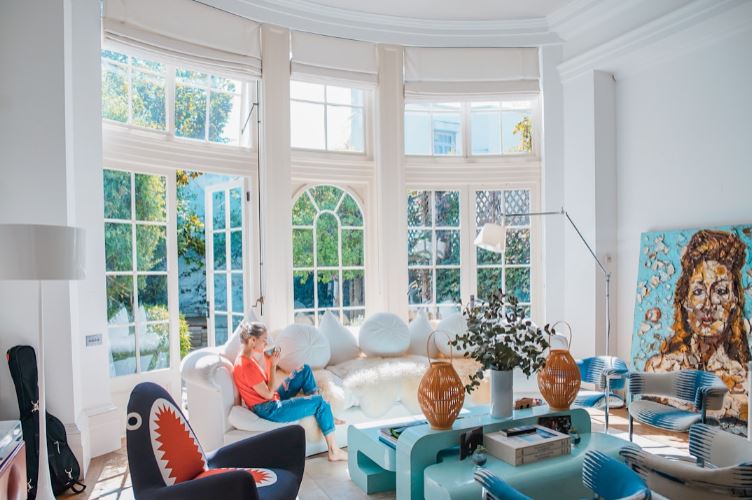
Critical Elements of Purposeful Design
There are several vital elements to consider when designing a space with purpose. These include –
- Functionality—Consider how the space will be used and ensure it is designed to meet users’ needs.
- Comfort – Create a comfortable environment that promotes relaxation and healthy being.
- Efficiency – Design the space to be efficient and easy to use, minimizing clutter and maximizing functionality.
- Visual Appeal—While aesthetics are not the sole focus, creating a space that is pleasing to the eye is essential.
- Personalization—Tailor the design to the preferences and lifestyles of the people using the space.
Examples of Purposeful Design
There are many examples of purposeful design in action, from the layout of a workspace that promotes collaboration and creativity to the design of a home that enhances relaxation and comfort. One notable example is a hospital room’s layout, which can significantly impact patients’ well-being. A purposefully designed hospital room can reduce stress, promote healing, and improve patient outcomes.

Aesthetics are necessary but only some of the considerations in interior design. Purposeful design considers the needs and preferences of the people using the space, creating a harmonious environment that enhances their experience. Focusing on functionality, comfort, efficiency, visual appeal, and personalization, purposeful design can have a powerful impact on our emotional behavior and overall health. So, next time you’re designing a space, remember to go beyond aesthetics and consider the power of purposeful interior design.
Content 10/10/G