Color psychology plays a pivotal role in shaping the ambiance of your living space. When you step into a room, the colors that surround you can evoke specific emotions and influence your mood. For instance, warm colors like reds and oranges can create a sense of warmth and energy, while cooler shades such as blues and greens often promote calmness and tranquility.
Understanding how different colors affect your psyche allows you to curate an environment that resonates with your personal feelings and lifestyle. By harnessing the power of color, you can transform your home into a sanctuary that reflects your personality and enhances your well-being. As you delve deeper into the world of color psychology, you may find that certain hues can even stimulate creativity or productivity.
For example, yellows are often associated with optimism and clarity, making them ideal for workspaces or areas where you seek inspiration. On the other hand, muted tones can provide a soothing backdrop for relaxation. By thoughtfully selecting colors that align with your desired atmosphere, you can create spaces that not only look beautiful but also serve a functional purpose in your daily life.
Key Takeaways
- Color psychology plays a powerful role in interior design, influencing mood and energy levels.
- Bold and playful color combinations can add excitement and personality to a space.
- Vibrant hues have a significant impact on mood and energy, creating a lively and dynamic atmosphere.
- Incorporating vibrant colors in small spaces can be achieved through strategic placement and use of accents.
- Mixing and matching different color palettes can create a visually interesting and dynamic interior design.
Exploring Bold and Playful Color Combinations
Unconventional Pairings
Imagine pairing a rich emerald green with a bright coral; the contrast can be both striking and harmonious, drawing the eye and inviting conversation.
Experimenting with Color
By experimenting with various shades and tones, you can discover unique combinations that reflect your personality and style. Incorporating playful colors into your home doesn’t have to be overwhelming. Start small by introducing accent pieces or artwork that feature bold hues.
Striking a Balance
As you become more comfortable with these vibrant choices, you can gradually expand your palette to include larger elements like furniture or wall colors. The key is to maintain a sense of balance; while it’s exciting to embrace bold colors, ensuring they complement each other will create a cohesive look that feels intentional rather than chaotic.
Embracing the Impact of Vibrant Hues on Mood and Energy

Vibrant hues have a remarkable ability to uplift your spirits and energize your environment. When you surround yourself with lively colors, you may notice an immediate shift in your mood. Bright yellows can evoke feelings of happiness and positivity, while vivid blues can instill a sense of calm and focus.
By consciously incorporating these vibrant shades into your home, you can create an atmosphere that not only looks appealing but also enhances your emotional well-being. Moreover, the energy of vibrant colors can be particularly beneficial in communal spaces where interaction occurs. For instance, a lively orange in a dining area can stimulate conversation and connection among family and friends.
Similarly, a bright red accent wall in a living room can create an inviting focal point that encourages socialization. By understanding the impact of these colors on mood and energy, you can design spaces that foster connection, creativity, and comfort.
Tips for Incorporating Vibrant Colors in Small Spaces
In small spaces, incorporating vibrant colors can be both a challenge and an opportunity for creativity. You might feel hesitant to use bold hues in compact areas for fear of overwhelming the space; however, with thoughtful planning, you can achieve a stunning effect without sacrificing openness. One effective strategy is to use vibrant colors as accents rather than dominant features.
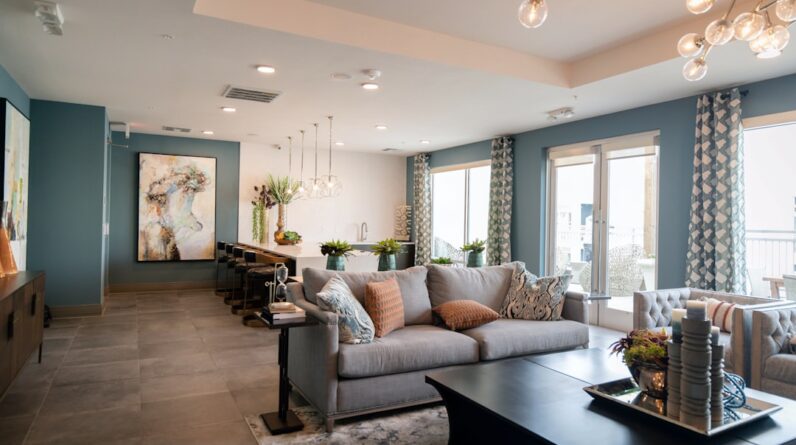
Consider painting one wall in a bold shade while keeping the other walls neutral; this approach allows you to introduce color without making the room feel cramped. Another tip is to utilize furniture and decor to add pops of color. Brightly colored cushions, artwork, or decorative items can infuse energy into a small room without requiring extensive renovations.
Additionally, mirrors can help reflect light and color, making the space feel larger while enhancing the vibrancy of your chosen palette. By strategically placing vibrant elements throughout the room, you can create an inviting atmosphere that feels both spacious and lively.
The Art of Mixing and Matching Different Color Palettes
Mixing and matching different color palettes is an art form that allows you to express your individuality through design. You may find joy in combining complementary colors—those opposite each other on the color wheel—to create dynamic contrasts that energize your space. For example, pairing blue with orange or purple with yellow can result in visually striking combinations that draw attention and create interest.
However, it’s essential to approach this art with intention. Start by selecting a primary color palette that resonates with you, then introduce secondary colors that complement or contrast with it. You might choose to incorporate varying shades of the same color for a monochromatic look or mix different hues for a more eclectic vibe.
The key is to maintain balance; too many competing colors can lead to visual chaos, while a well-curated selection will create harmony throughout your home.
Creating a Cohesive and Harmonious Color Scheme

Creating a cohesive and harmonious color scheme is crucial for achieving a polished look in your interior design. You may want to start by selecting a base color that will serve as the foundation for your palette. This base color should reflect your personal style while also setting the tone for the entire space.
From there, you can build upon it by adding complementary or analogous colors that enhance its beauty without overwhelming it. To ensure harmony throughout your home, consider how each room connects to the next. You might choose to carry certain colors from one space to another, creating a sense of flow that ties everything together.
For instance, if you have a vibrant blue in your living room, incorporating similar shades in adjacent areas will create continuity while allowing each room to maintain its unique character. By thoughtfully curating your color scheme, you can achieve a cohesive look that feels both inviting and sophisticated.
Incorporating Vibrant Accents and Statement Pieces
Vibrant accents and statement pieces are excellent ways to infuse personality into your home without committing to an entire color overhaul. You might consider investing in bold furniture items or eye-catching decor that serves as focal points within your space. A bright yellow chair or an oversized piece of artwork featuring vivid colors can instantly elevate the aesthetic of any room while adding character.
When incorporating these statement pieces, think about how they interact with the surrounding elements in your space. You may want to balance bold accents with more subdued tones to prevent them from overpowering the room. Additionally, consider using accessories like throw pillows or rugs in complementary colors to tie everything together seamlessly.
By strategically placing vibrant accents throughout your home, you can create an engaging environment that reflects your unique style.
Embracing the Trend of Vibrant Interior Design for a Modern and Fresh Look
The trend of vibrant interior design is gaining momentum as more people seek to create modern and fresh living spaces. You may find that embracing this trend allows you to break free from traditional design norms and express yourself in exciting ways. With an array of bold colors available today, there’s no shortage of options for creating an environment that feels both contemporary and invigorating.
As you explore this trend, consider how vibrant colors can enhance not only aesthetics but also functionality within your home. For instance, using bright hues in workspaces can inspire creativity and productivity, while lively colors in relaxation areas can promote comfort and tranquility. By embracing vibrant interior design, you’re not just transforming your space visually; you’re also cultivating an atmosphere that supports your lifestyle and well-being.
In conclusion, the power of color psychology in interior design cannot be overstated. By understanding how different hues impact mood and energy levels, you can create spaces that resonate with your personal style while enhancing your overall quality of life. Whether you choose to explore bold combinations or embrace vibrant accents, the possibilities are endless when it comes to designing a home that reflects who you are.
So go ahead—let color be your guide as you embark on this exciting journey of transformation!
FAQs
What are vibrant interior palettes?
Vibrant interior palettes refer to the use of bold and lively colors in interior design to create a dynamic and energetic space. These palettes often include a mix of bright and saturated hues that add personality and visual interest to a room.
How can vibrant interior palettes be incorporated into a space?
Vibrant interior palettes can be incorporated into a space through the use of colorful furniture, accent pieces, wall paint, wallpaper, and decorative accessories. These elements can be strategically combined to create a cohesive and visually stimulating environment.
What are the benefits of using vibrant interior palettes?
Using vibrant interior palettes can help create a sense of excitement and energy in a space. These colors can also evoke positive emotions and create a lively atmosphere. Additionally, vibrant interior palettes can be used to highlight architectural features and add personality to a room.
What are some popular vibrant color combinations for interior palettes?
Popular vibrant color combinations for interior palettes include bold pairings such as teal and coral, emerald green and mustard yellow, fuchsia and tangerine, and cobalt blue and lime green. These combinations can be used to create striking and memorable interiors.
How can one balance vibrant interior palettes with other design elements?
To balance vibrant interior palettes with other design elements, it’s important to consider the overall composition of the space. This can be achieved by incorporating neutral elements such as white or gray to provide a visual break, as well as using textures and patterns to add depth and interest to the design. Additionally, incorporating natural materials and ample lighting can help create a harmonious and balanced environment.