In recent years, the trend of incorporating botanicals into interior design has gained significant momentum. You may have noticed that more and more homes are adorned with lush greenery, transforming spaces into vibrant sanctuaries. This rise can be attributed to a growing awareness of the benefits that plants bring to our living environments.
As urbanization increases and people spend more time indoors, the desire to connect with nature has become paramount. You might find that the presence of plants not only enhances the aesthetic appeal of a room but also contributes to your overall well-being. The popularity of botanicals in design is also fueled by the wellness movement, which emphasizes the importance of creating spaces that promote mental and physical health.
You may feel a sense of calm and tranquility when surrounded by greenery, as studies have shown that plants can reduce stress and improve air quality. This newfound appreciation for nature has led to a surge in plant-centric design, where homeowners and designers alike are embracing the beauty and versatility of indoor plants. As you explore this trend, you may discover how easy it is to incorporate botanicals into your own living spaces, creating a harmonious balance between nature and modern design.
Key Takeaways
- Botanicals are becoming increasingly popular in interior design, adding a natural and calming element to modern spaces.
- Minimalist spaces can benefit from the addition of plants, bringing in a touch of nature without overwhelming the clean aesthetic.
- Different rooms require different types of plants, with considerations for light, humidity, and space constraints.
- Creative displays such as hanging planters, terrariums, and wall-mounted planters can add visual interest to modern interiors.
- Botanical prints and patterns can be incorporated into decor through wallpapers, textiles, and artwork, adding a lively touch to the space.
Incorporating Plants into Minimalist Spaces
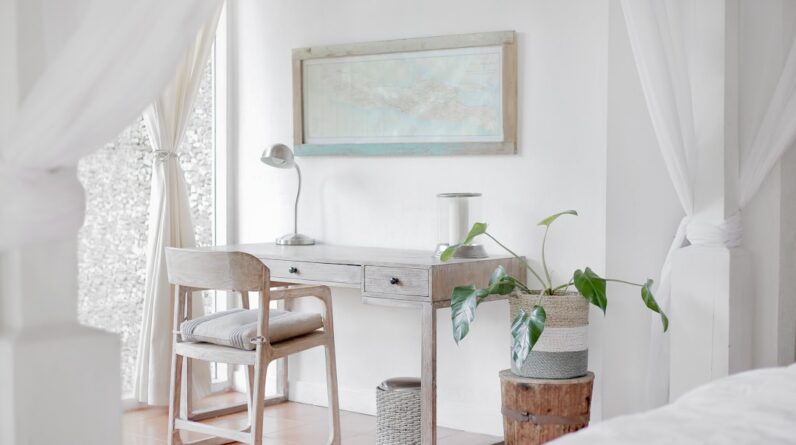
Minimalism is all about simplicity and functionality, yet it can sometimes feel stark or cold. You might be surprised to learn that incorporating plants into minimalist spaces can add warmth and life without compromising the clean lines and uncluttered aesthetic that define this style. By strategically placing greenery in your home, you can create focal points that draw the eye while maintaining a sense of serenity.
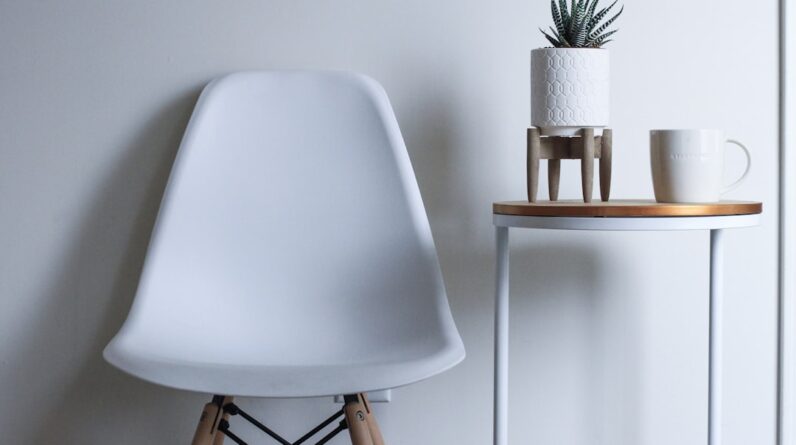
Consider using a single statement plant, such as a tall fiddle leaf fig or a sculptural snake plant, to anchor a room and provide a touch of organic elegance. When integrating plants into minimalist interiors, it’s essential to choose varieties that complement your existing decor. You may want to opt for sleek planters in neutral tones or metallic finishes that blend seamlessly with your furnishings.
Additionally, consider the scale of your plants; larger specimens can serve as dramatic accents, while smaller plants can be grouped together for a more subtle effect. By thoughtfully selecting and arranging your greenery, you can enhance the minimalist aesthetic while infusing your space with life and vitality.
Choosing the Right Plants for Different Rooms

Selecting the right plants for each room in your home is crucial for both aesthetics and functionality. You may want to consider factors such as light levels, humidity, and temperature when making your choices. For instance, in bright, sunny areas like living rooms or kitchens, you might thrive with sun-loving plants like succulents or cacti.
These hardy varieties not only add visual interest but also require minimal maintenance, making them perfect for busy lifestyles. In contrast, rooms with lower light levels, such as bedrooms or bathrooms, may benefit from shade-tolerant plants like pothos or peace lilies. These plants can thrive in indirect light and help purify the air while adding a touch of greenery to your space.
Additionally, you might want to consider the size and growth habits of your chosen plants; larger specimens can make bold statements in spacious areas, while smaller plants can be used as accents on shelves or windowsills. By carefully selecting plants that suit each room’s unique conditions, you can create a cohesive and inviting atmosphere throughout your home.
Creative Ways to Display Greenery in Modern Interiors
Displaying plants in innovative ways can elevate your interior design and showcase your personal style. You might consider using hanging planters to draw the eye upward and create visual interest in your space. Macramé hangers or sleek metal brackets can add a contemporary touch while allowing trailing plants like string of hearts or ivy to cascade gracefully from above.
This not only saves floor space but also adds dimension to your decor. Another creative approach is to use plant stands or shelves to create a vertical garden effect. You may want to mix different heights and types of plants to create an engaging display that captures attention.
Consider using open shelving units or tiered plant stands to showcase your greenery while maintaining an organized look. Additionally, you could incorporate plants into unexpected areas, such as using small pots on your desk or bathroom counter. By thinking outside the box and experimenting with various display methods, you can transform your home into a botanical haven that reflects your unique taste.
Using Botanical Prints and Patterns in Decor
In addition to live plants, incorporating botanical prints and patterns into your decor can enhance the natural theme of your space. You might find that floral wallpapers or botanical-themed artwork can serve as stunning focal points in any room. These designs can evoke a sense of tranquility and connection to nature, even if you don’t have an abundance of live greenery.
Consider using botanical prints on throw pillows, curtains, or area rugs to add layers of texture and visual interest. When selecting botanical patterns, you may want to choose designs that complement your existing color palette and furnishings. For instance, if you have a neutral color scheme, opt for prints with subtle greens and earth tones that harmonize with your decor.
Alternatively, bold botanical patterns can make a striking statement in more vibrant spaces. By thoughtfully incorporating these elements into your design scheme, you can create a cohesive look that celebrates the beauty of nature while adding depth and character to your home.
The Benefits of Having Plants in Your Home

Improved Air Quality
You may be surprised to learn that indoor plants can improve air quality by filtering out toxins and releasing oxygen. This natural purification process can lead to a healthier living environment, reducing allergens and promoting better respiratory health.
Boosting Energy and Mood
As you surround yourself with greenery, you may notice an increase in energy levels and overall mood. Moreover, having plants in your home can foster a sense of connection to nature, which is especially important in today’s fast-paced urban lifestyle. You might find that tending to your plants becomes a calming ritual that allows you to unwind after a long day.
Nurturing Body and Mind
The act of nurturing living things can also instill a sense of responsibility and accomplishment, enhancing your mental well-being. By embracing the benefits of indoor plants, you can create a sanctuary that nurtures both body and mind.
Maintaining and Caring for Indoor Plants
Caring for indoor plants may seem daunting at first, but with a little knowledge and practice, it can become an enjoyable part of your routine. You might start by understanding the specific needs of each plant species you choose; factors such as light requirements, watering frequency, and humidity levels are essential for their health. For instance, some plants prefer bright light while others thrive in low-light conditions; knowing these preferences will help you place them in suitable locations.
Regular maintenance is key to keeping your indoor garden thriving. You may want to establish a watering schedule based on each plant’s needs—overwatering is one of the most common mistakes made by plant owners. Additionally, consider fertilizing during the growing season to provide essential nutrients for healthy growth.
Pruning dead leaves or spent flowers not only keeps your plants looking their best but also encourages new growth. By dedicating time to care for your indoor plants, you’ll cultivate a thriving green space that enhances your home.
Botanical-Inspired Color Schemes for Interior Design
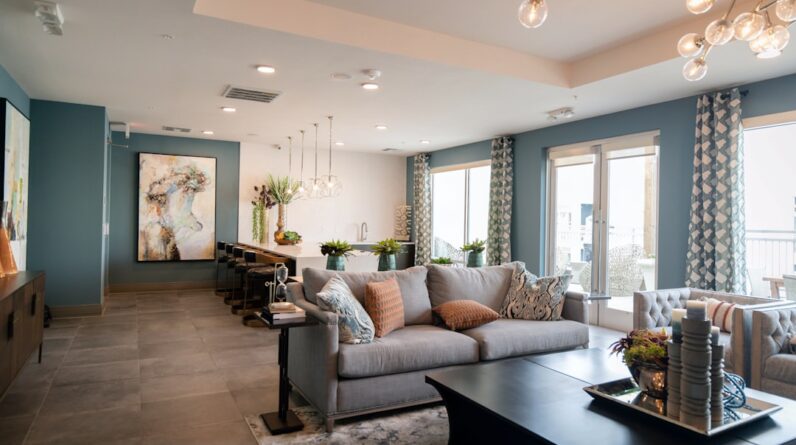
When it comes to designing spaces infused with botanical elements, color plays a crucial role in creating harmony and balance. You might find inspiration in nature’s palette—think lush greens, earthy browns, soft neutrals, and vibrant floral hues. These colors can evoke feelings of tranquility and freshness while providing a backdrop for your botanical decor.
For instance, pairing deep green walls with light wood accents can create an inviting atmosphere reminiscent of a serene forest. Incorporating botanical-inspired color schemes allows you to create cohesive spaces that reflect the beauty of nature. You may choose to use accent colors found in your favorite plants—such as rich burgundy from a calathea or bright yellow from a sunflower—to add pops of color throughout your home.
By thoughtfully selecting colors that resonate with the natural world, you can design interiors that feel both refreshing and grounded, inviting the beauty of nature indoors while enhancing your overall living experience. In conclusion, embracing botanicals in interior design offers endless possibilities for creating beautiful and harmonious spaces. Whether you’re incorporating live plants into minimalist settings or using botanical prints as decorative accents, there are countless ways to celebrate nature within your home.
By understanding the benefits of greenery and learning how to care for indoor plants effectively, you can cultivate an environment that nurtures both body and soul. As you explore botanical-inspired color schemes and creative display methods, you’ll find that integrating nature into your living spaces not only enhances aesthetics but also enriches your overall quality of life.
FAQs
What are bold botanicals in interior design?
Bold botanicals in interior design refer to the use of large, vibrant, and eye-catching plant prints, patterns, and actual plants to infuse greenery into modern interior aesthetics. This trend brings the beauty of nature indoors and adds a fresh, lively element to interior spaces.
How can bold botanicals be incorporated into modern interior aesthetics?
Bold botanicals can be incorporated into modern interior aesthetics through the use of botanical-themed wallpaper, upholstery, artwork, and actual plants. These elements can be strategically placed to create focal points and add a sense of natural beauty to the overall design.
What are the benefits of incorporating bold botanicals into interior design?
Incorporating bold botanicals into interior design can bring a sense of tranquility, freshness, and vitality to a space. Plants are also known to improve air quality and reduce stress, making them a beneficial addition to any interior environment.
What are some popular bold botanicals used in modern interior design?
Some popular bold botanicals used in modern interior design include palm leaves, tropical flowers, succulents, and other lush greenery. These elements can be incorporated into various design elements such as textiles, wall art, and decorative accessories.
Are bold botanicals suitable for all interior design styles?
Bold botanicals can be adapted to suit a variety of interior design styles, from contemporary and minimalist to eclectic and bohemian. The key is to balance the boldness of the botanical elements with the overall aesthetic of the space to create a cohesive and harmonious design.