When it comes to interior design, many people assume that achieving a stylish and functional space requires a hefty budget. However, you can create a beautiful home without breaking the bank. Budget-friendly interior design is all about making smart choices, being resourceful, and embracing creativity.
You may find that with a little planning and ingenuity, you can transform your living space into a reflection of your personal style while keeping your finances in check. The key to successful budget-friendly interior design lies in understanding your priorities and making informed decisions. You don’t need to sacrifice quality or aesthetics; instead, you can focus on what truly matters to you.
Whether it’s selecting the right furniture, choosing the perfect color palette, or incorporating unique decor elements, you can achieve a cohesive and inviting atmosphere that feels both comfortable and stylish. By adopting a strategic approach, you can turn your vision into reality without overspending.
Key Takeaways
- Budget-friendly interior design is about creating a stylish and functional space without breaking the bank.
- Creating a budget-friendly design plan involves setting priorities, researching affordable options, and being creative with resources.
- Look for budget-friendly furniture and decor options such as second-hand stores, online marketplaces, and DIY projects.
- DIY projects can be a great way to save money and add a personal touch to your space, such as creating your own artwork or upcycling furniture.
- Maximize space and functionality on a budget by using multi-functional furniture, utilizing vertical space, and decluttering regularly.
Tips for Creating a Budget-Friendly Design Plan
Creating a budget-friendly design plan starts with setting clear goals for your space. Take some time to envision how you want each room to look and function. Consider the activities that will take place in each area and the atmosphere you wish to cultivate.
By identifying your priorities, you can allocate your budget more effectively and avoid unnecessary expenses on items that don’t align with your vision. Once you have a clear idea of your design goals, it’s essential to establish a realistic budget. Break down your overall budget into categories such as furniture, decor, paint, and accessories.
This will help you keep track of your spending and ensure that you don’t overspend in one area at the expense of another. Additionally, consider creating a mood board to visualize your ideas. This can be a helpful tool for organizing your thoughts and ensuring that all elements work harmoniously together.
Budget-Friendly Furniture and Decor Options
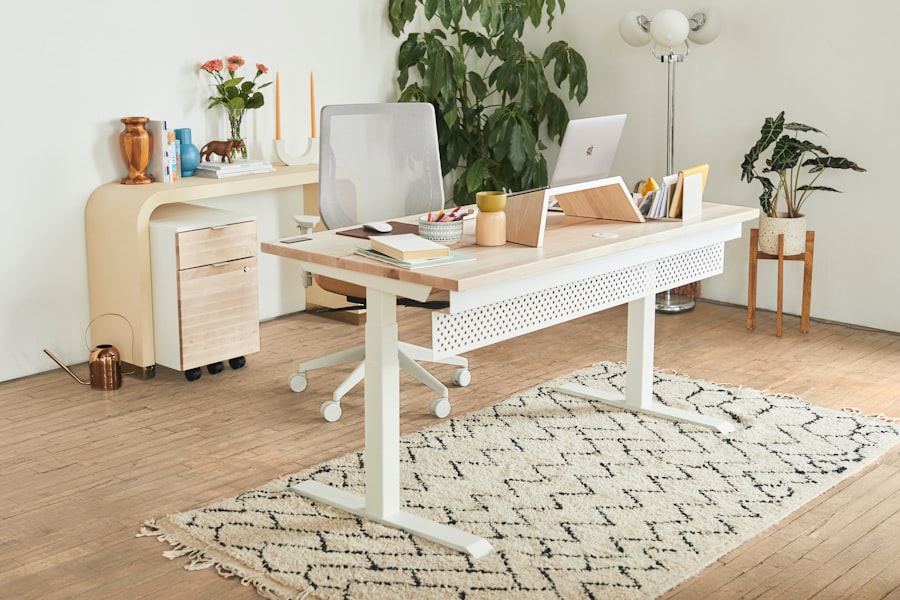
When it comes to furnishing your space on a budget, there are numerous options available that won’t compromise style or quality. Start by exploring thrift stores, consignment shops, and online marketplaces for second-hand furniture. You may be surprised by the hidden gems you can find at a fraction of the retail price.
Look for pieces that can be easily updated with a fresh coat of paint or new upholstery to give them a modern twist. In addition to second-hand finds, consider investing in versatile furniture that serves multiple purposes. For example, a stylish ottoman can double as extra seating or storage, while a fold-out dining table can accommodate guests without taking up too much space when not in use.
By choosing multifunctional pieces, you can maximize both style and functionality while staying within your budget.
DIY Projects for Budget-Friendly Interior Design
One of the most rewarding aspects of budget-friendly interior design is the opportunity to engage in DIY projects. Not only do these projects save you money, but they also allow you to infuse your personality into your home. Start with simple projects like creating custom wall art or repurposing old furniture.
For instance, an outdated dresser can be transformed into a chic TV stand with some paint and new hardware. Another great DIY idea is to create your own decorative accents using materials you already have at home. You can make unique vases from glass jars or create wall hangings from fabric scraps.
The possibilities are endless when it comes to DIY projects, and they often result in one-of-a-kind pieces that reflect your personal style. Embrace your creativity and don’t be afraid to experiment; the process can be just as enjoyable as the final result.
Maximizing Space and Functionality on a Budget
Maximizing space is crucial in any interior design project, especially when working with a limited budget. Start by decluttering your space and removing items that no longer serve a purpose or bring you joy. This will not only create a more open and inviting atmosphere but also allow you to see the potential of your existing furniture and decor.
Consider using vertical space to your advantage by incorporating shelves or wall-mounted storage solutions. This not only frees up floor space but also adds visual interest to your walls. Additionally, think about how you can rearrange your furniture to create better flow and functionality within each room.
Sometimes, simply changing the layout can make a significant difference in how a space feels and functions.
Budget-Friendly Color and Pattern Tips

Color plays a vital role in interior design, and choosing the right palette can dramatically impact the overall look of your space. When working with a budget, consider painting an accent wall instead of repainting an entire room. This allows you to introduce bold colors without the expense of buying multiple gallons of paint.
Additionally, using lighter shades can make small spaces feel larger and more open. Incorporating patterns into your design doesn’t have to be costly either. Look for affordable fabric options to create throw pillows or curtains that add visual interest without overwhelming the space.
You can also mix and match patterns for a more eclectic look; just be sure to stick to a cohesive color scheme to maintain harmony throughout the room.
Budget-Friendly Lighting and Window Treatments
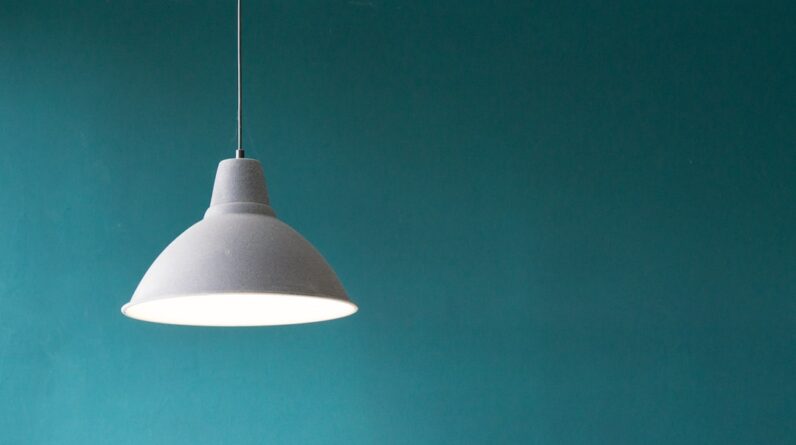
Lighting is an essential element of interior design that can dramatically alter the mood of a space. Instead of investing in expensive light fixtures, consider updating existing ones with new shades or paint. You can also explore budget-friendly options at big-box retailers or online marketplaces for stylish yet affordable lighting solutions.
When it comes to window treatments, there are plenty of budget-friendly options available as well. Instead of purchasing costly custom drapes, consider using sheer curtains or bamboo shades for an airy feel. You can also make your own curtains using fabric from discount stores or repurpose old sheets for a unique look.
The right window treatments can enhance natural light while adding warmth and character to your home.
Conclusion and Final Tips for Budget-Friendly Interior Design
In conclusion, achieving a beautiful interior design on a budget is entirely possible with careful planning and creativity. By setting clear goals, exploring second-hand options, engaging in DIY projects, maximizing space, and being mindful of color and lighting choices, you can create a home that reflects your personal style without overspending. As you embark on your budget-friendly interior design journey, remember that patience is key.
Take your time to find the right pieces and make thoughtful decisions that align with your vision. Don’t hesitate to seek inspiration from various sources—whether it’s online platforms like Pinterest or design blogs—while keeping in mind that your home should ultimately be a reflection of who you are. With these tips in mind, you’re well on your way to creating an inviting and stylish space that feels uniquely yours without straining your wallet.
FAQs
What is budget-friendly interior design?
Budget-friendly interior design refers to the practice of creating stylish and functional living spaces while staying within a specific budget. This approach involves finding affordable decor, furniture, and materials, as well as utilizing cost-effective design techniques.
How can I achieve budget-friendly interior design?
To achieve budget-friendly interior design, you can start by setting a clear budget and prioritizing your spending. Look for affordable decor and furniture options, consider DIY projects, and repurpose or upcycle items to save money. Additionally, you can shop at discount stores, utilize online marketplaces, and take advantage of sales and promotions.
What are some budget-friendly interior design ideas?
Some budget-friendly interior design ideas include using paint to refresh walls and furniture, incorporating inexpensive decorative accents such as throw pillows and rugs, and rearranging existing furniture to create a new layout. You can also consider adding indoor plants for a touch of greenery, using removable wallpaper for a temporary update, and investing in versatile, multi-functional furniture pieces.
Are there any budget-friendly interior design trends to consider?
Yes, there are several budget-friendly interior design trends to consider, such as minimalism, Scandinavian design, and bohemian style. These trends often emphasize simplicity, natural materials, and a mix of textures, making them well-suited for budget-conscious decorators. Additionally, incorporating vintage or thrifted items into your decor can add character and charm to your space without breaking the bank.
What are some common mistakes to avoid in budget-friendly interior design?
Common mistakes to avoid in budget-friendly interior design include overspending on trendy items, neglecting the importance of quality, and overlooking the potential of DIY projects. It’s also important to avoid cluttering your space with unnecessary decor and to carefully plan your purchases to ensure they align with your budget and overall design vision.