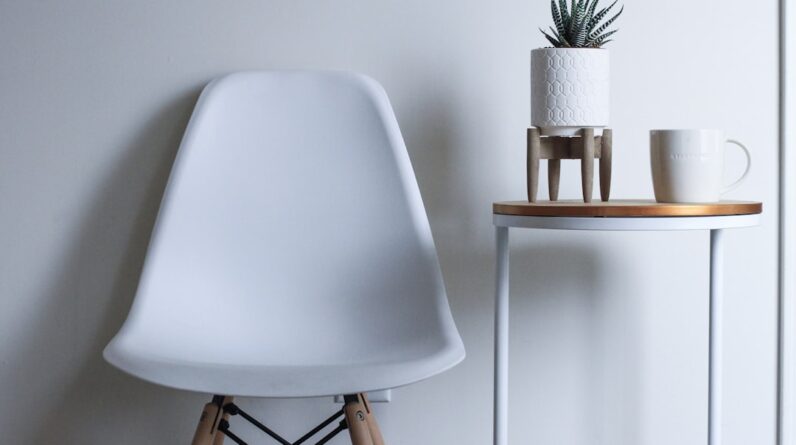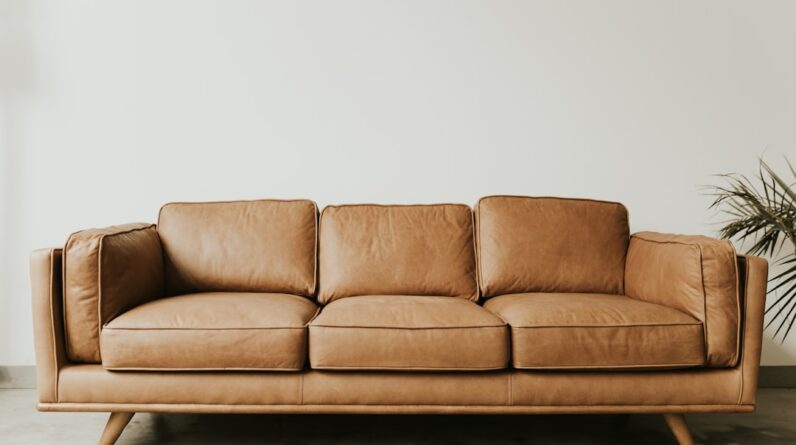
Flexibility in interior design is not merely a trend; it is a necessity in today’s fast-paced world. As lifestyles evolve, the spaces we inhabit must adapt to meet our changing needs. You may find that your home or workspace requires a design that can accommodate various activities, from hosting gatherings to providing a quiet retreat for work or relaxation.
The importance of flexibility lies in its ability to enhance functionality while maintaining aesthetic appeal. A well-designed space should not only reflect your personal style but also serve multiple purposes, allowing you to maximize the use of every square foot. Moreover, the significance of flexibility extends beyond individual preferences.
As families grow and change, so do their requirements for space. You might be living with children who will eventually need their own rooms, or perhaps you are considering welcoming elderly relatives into your home. In such scenarios, a flexible design can facilitate these transitions seamlessly.
By prioritizing adaptability in your interior spaces, you create an environment that can evolve alongside your life’s journey, ensuring that your home remains a sanctuary that meets your needs at every stage.
Key Takeaways
- Flexibility in interior design is important for creating spaces that can adapt to changing needs and lifestyles.
- Interior design services play a crucial role in creating adaptable spaces by understanding the needs and preferences of the clients.
- Multi-functional furniture and layouts are essential for maximizing space and creating adaptable interiors.
- Smart technology can be utilized to enhance flexibility and adaptability in interior design, such as automated lighting and temperature control systems.
- Designing for aging in place and changing family dynamics is important for creating interiors that can accommodate different stages of life.
The Role of Interior Design Services in Creating Adaptable Spaces
Expertise in Space Planning
Designers understand the principles of space planning and can help you envision how different elements can work together to create a cohesive and flexible layout. They can assess your lifestyle and preferences, translating them into a design that accommodates both current and future needs.
Flexible Design Solutions
Additionally, interior designers are adept at selecting materials and furnishings that enhance flexibility. They can recommend solutions such as movable partitions, modular furniture, and convertible spaces that allow you to reconfigure your environment as needed.
Practical Solutions for Modern Living
By collaborating with a designer, you can ensure that your space is not just a reflection of your taste but also a practical solution for the dynamic nature of modern living. Their insights can help you avoid common pitfalls and make informed decisions that will benefit you in the long run.
Incorporating Multi-Functional Furniture and Layouts

One of the most effective ways to achieve flexibility in interior design is through the incorporation of multi-functional furniture and layouts. You may have noticed that many contemporary designs emphasize pieces that serve more than one purpose. For instance, a sofa bed can transform a living room into a guest room, while an ottoman with storage can double as both seating and a place to stow away blankets or books.
By choosing furniture that adapts to various functions, you can maximize your space without sacrificing style. In addition to selecting the right furniture, the layout of your space plays a pivotal role in its adaptability. You might consider an open floor plan that allows for easy movement between areas or the use of modular furniture that can be rearranged based on your needs.
This approach not only enhances the flow of your home but also encourages creativity in how you utilize each area. By thinking outside the box and embracing innovative layouts, you can create an environment that is both inviting and versatile.
Utilizing Smart Technology for Flexibility and Adaptability
In today’s digital age, smart technology has become an integral part of creating flexible and adaptable spaces. You may already be familiar with smart home devices that allow you to control lighting, temperature, and security from your smartphone or tablet. These technologies not only enhance convenience but also contribute to the overall flexibility of your living environment.
For example, smart lighting systems can be programmed to adjust based on the time of day or activity, allowing you to create the perfect ambiance for any occasion. Furthermore, smart technology can facilitate seamless transitions between different uses of a space. Imagine being able to transform your home office into a cozy movie room with just a few taps on your device.
By integrating smart solutions into your interior design, you empower yourself to adapt your environment effortlessly. This level of control not only enhances your comfort but also allows you to respond quickly to changing circumstances, whether it’s hosting guests or simply enjoying some quiet time alone.
Designing for Aging in Place and Changing Family Dynamics
As life progresses, the need for spaces that accommodate aging in place becomes increasingly important. You may find yourself considering how to design your home to support not only your current lifestyle but also the potential needs of aging family members. Thoughtful design can make a significant difference in ensuring safety and accessibility without compromising style.
Features such as wider doorways, non-slip flooring, and strategically placed grab bars can enhance mobility while maintaining an inviting atmosphere. In addition to accommodating aging individuals, it’s essential to consider changing family dynamics when designing flexible spaces. You might be welcoming new family members or adjusting to children moving out.
A well-designed home should be able to adapt to these shifts seamlessly. By incorporating elements like adaptable guest rooms or flexible living areas, you create an environment that can easily transition between different family configurations. This foresight not only enhances comfort but also fosters a sense of belonging for everyone who enters your home.
The Impact of Sustainable and Eco-Friendly Design on Flexibility

The Benefits of Sustainable Materials
Using sustainable materials, such as reclaimed wood or recycled materials, can provide unique character to your space while ensuring durability over time. This longevity means that your design choices will remain relevant and functional for years to come.
Embracing Natural Light
Eco-friendly design often emphasizes open spaces and natural light, which can enhance the overall flexibility of your environment. Incorporating large windows or skylights allows for natural illumination while reducing reliance on artificial lighting. This approach not only creates a more inviting atmosphere but also encourages versatility in how you use each area throughout the day.
A Healthier Planet and a Flexible Living Space
By prioritizing sustainability in your design choices, you contribute to a healthier planet while enjoying the benefits of a flexible living space. This approach enables you to create a space that is not only environmentally friendly but also adaptable to your changing needs.
Collaborating with Clients to Anticipate Future Needs
Collaboration between designers and clients is essential for anticipating future needs in interior design. When you work closely with a designer, they can help you articulate your vision while considering potential changes in your lifestyle or family structure. This partnership allows for open communication about your goals and aspirations for your space, ensuring that the final design reflects both your current desires and future possibilities.
During this collaborative process, designers often employ various tools such as mood boards and 3D renderings to help you visualize how different elements will come together. This proactive approach enables you to make informed decisions about layout, materials, and furnishings that will stand the test of time. By engaging in thoughtful discussions about your long-term needs, you empower yourself to create a space that is not only beautiful but also adaptable to whatever life may bring.
Case Studies: Successful Examples of Flexible and Adaptable Interior Design
Examining successful case studies can provide valuable insights into effective flexible interior design strategies. One notable example is a family home designed with an open floor plan that incorporates movable walls. This innovative approach allows the family to reconfigure their living space based on their needs—whether it’s hosting large gatherings or creating intimate settings for family time.
The use of multi-functional furniture further enhances this adaptability, showcasing how thoughtful design can transform everyday living. Another inspiring case study involves a small apartment designed for a young professional who frequently entertains guests. The designer incorporated a foldable dining table that expands when needed but can be tucked away when not in use.
Additionally, modular seating options allow for easy rearrangement based on the number of guests. This design exemplifies how flexibility can be achieved even in limited spaces, demonstrating that with creativity and strategic planning, any environment can be transformed into an adaptable haven. In conclusion, embracing flexibility in interior design is essential for creating spaces that meet the evolving needs of individuals and families alike.
By understanding its importance and collaborating with professionals who specialize in adaptable solutions, you can craft an environment that reflects your unique lifestyle while remaining functional for years to come. Whether through multi-functional furniture, smart technology integration, or sustainable practices, the possibilities for flexible design are endless—ensuring that your home remains a sanctuary tailored to your life’s journey.
FAQs
What are interior design services?
Interior design services involve the planning, designing, and coordination of interior spaces to create functional and aesthetically pleasing environments.
How can interior design services assist in creating flexible and adaptable spaces?
Interior designers can use their expertise to incorporate flexible and adaptable design elements such as modular furniture, movable partitions, and multi-functional spaces to accommodate changing needs.
What are the benefits of creating flexible and adaptable spaces?
Flexible and adaptable spaces allow for easy reconfiguration to meet evolving needs, maximize space utilization, and enhance the overall functionality and usability of the interior environment.
How do interior designers ensure that spaces evolve with changing needs?
Interior designers can utilize innovative design strategies, such as incorporating sustainable materials, utilizing smart technology, and implementing versatile furniture solutions, to ensure that spaces can evolve with changing needs over time.