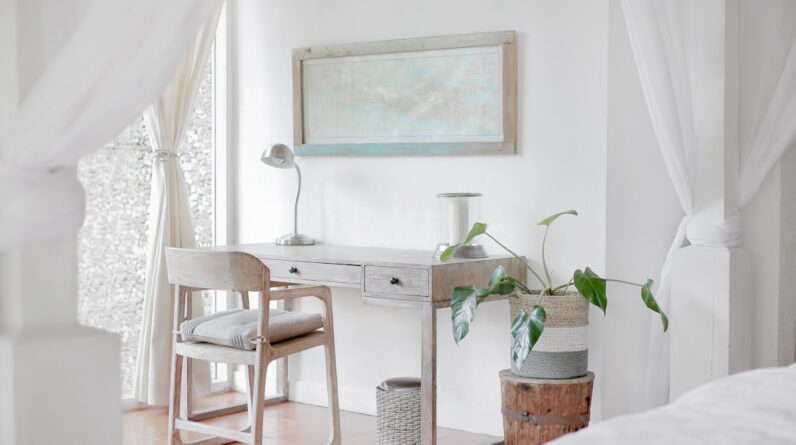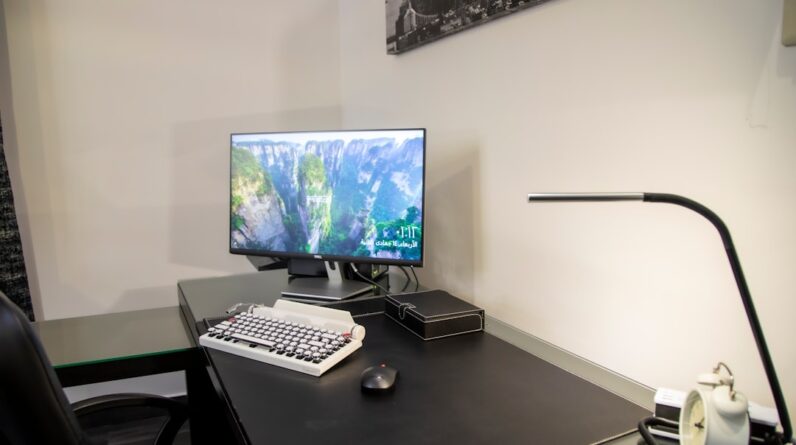
In today’s fast-paced world, the concept of multi-functional spaces has gained significant traction. You may find yourself living in smaller homes or apartments where every square foot counts, making it essential to maximize the utility of your living environment. Multi-functional spaces are designed to serve more than one purpose, allowing you to adapt your surroundings to your lifestyle needs.
For instance, a single room can function as a home office during the day and transform into a cozy living area in the evening. This versatility not only enhances the usability of your space but also promotes a more efficient way of living. The idea behind multi-functional spaces is rooted in the principles of flexibility and adaptability.
You might consider how your daily routines can be streamlined by creating areas that can easily shift from one function to another. This could mean incorporating a fold-out desk that tucks away when not in use or a dining table that doubles as a workspace. By understanding the concept of multi-functional spaces, you can begin to envision how your home can evolve to meet your changing needs, ultimately leading to a more harmonious living environment.
Key Takeaways
- Multi-functional spaces are designed to serve multiple purposes within a single area, maximizing the use of space and promoting efficiency.
- Interior design services play a crucial role in creating multi-functional spaces by understanding the needs of the users and designing a space that meets those needs.
- Furniture and layout are key elements in maximizing space in multi-functional areas, with the use of versatile and space-saving furniture and strategic placement to optimize functionality.
- Incorporating storage solutions into the design of multi-functional spaces is essential for keeping the area organized and clutter-free, utilizing built-in storage, hidden compartments, and smart storage solutions.
- Balancing functionality and aesthetics is important in multi-functional spaces, as the design should not only be practical but also visually appealing and cohesive with the overall design of the space.
The role of interior design services in creating multi-functional spaces
When it comes to transforming your home into a multi-functional haven, the expertise of interior design services can be invaluable. You may not have the time or knowledge to navigate the complexities of space planning and design, which is where professionals come in. Interior designers possess the skills to assess your space and understand how to best utilize it for multiple functions.
They can help you identify your specific needs and preferences, ensuring that the final design reflects your lifestyle while maximizing efficiency. Moreover, interior designers are adept at selecting materials, colors, and furnishings that not only serve practical purposes but also enhance the overall aesthetic of your space. You might find that their insights into current trends and timeless design principles can elevate your home beyond mere functionality.
By collaborating with an interior designer, you can create a cohesive look that ties together various elements of your multi-functional space, making it both beautiful and practical.
Utilizing furniture and layout to maximize space
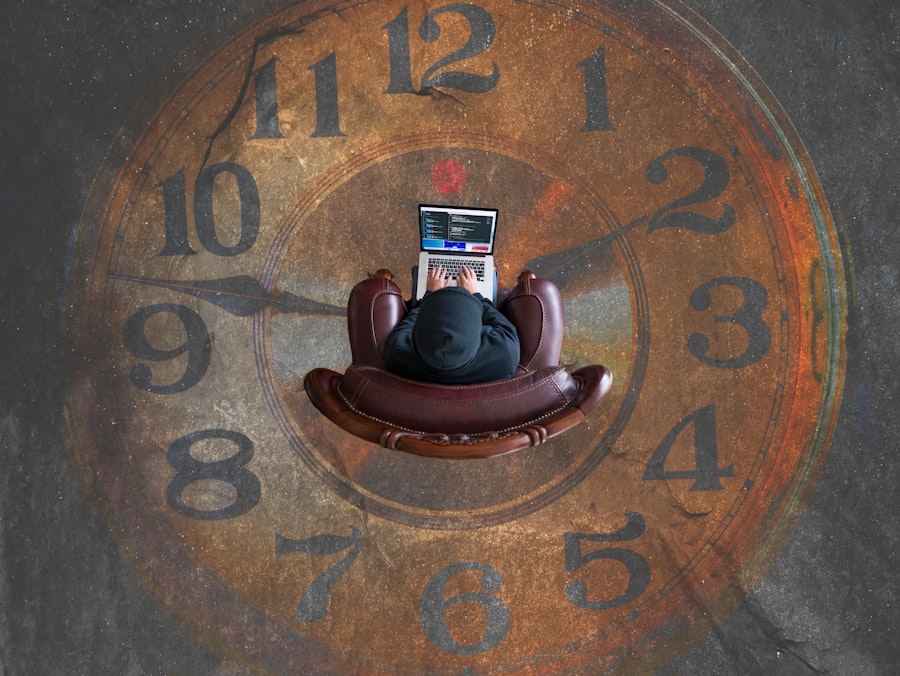
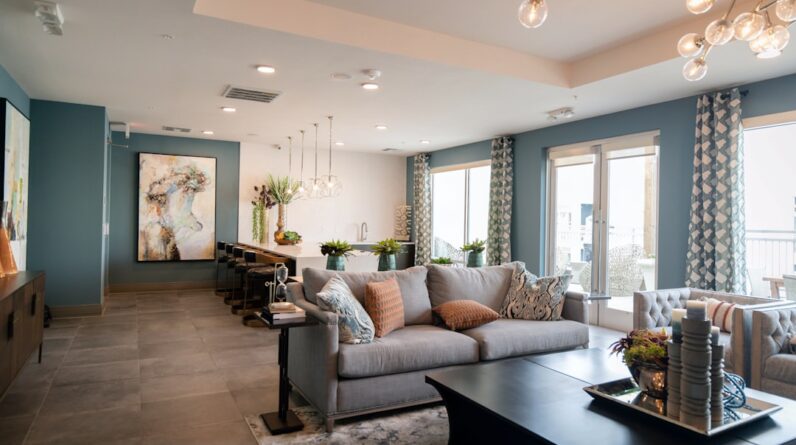
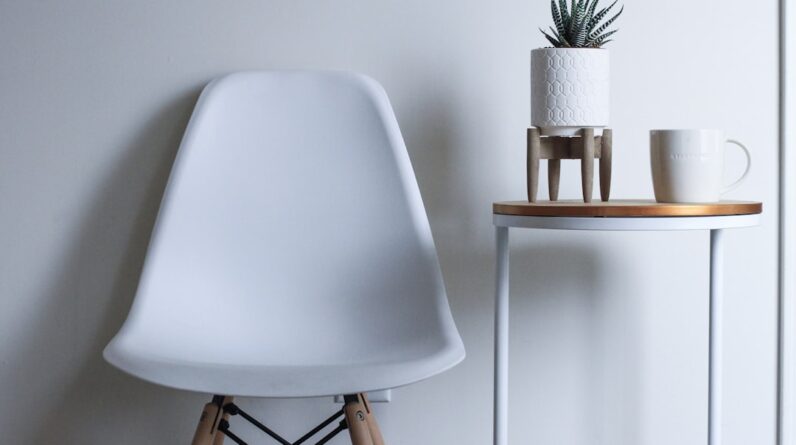
One of the most effective ways to create a multi-functional space is through thoughtful furniture selection and layout. You may want to consider pieces that are designed for versatility, such as modular sofas that can be rearranged or coffee tables with built-in storage. These types of furniture allow you to adapt your space according to your needs without sacrificing style or comfort.
By choosing the right pieces, you can create an environment that feels open and inviting while still serving multiple purposes. In addition to selecting versatile furniture, the layout of your space plays a crucial role in maximizing functionality. You might experiment with different arrangements to find what works best for you.
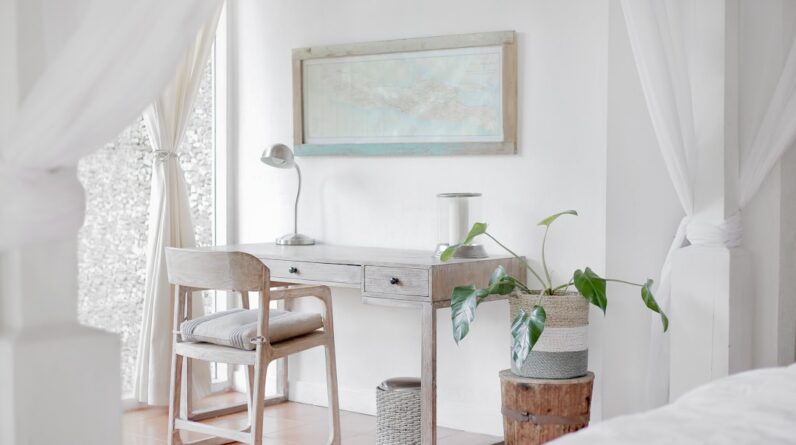
For example, placing a desk near a window can create an inspiring workspace, while positioning seating areas in a way that encourages conversation can enhance social interactions. By being intentional about your furniture layout, you can ensure that each area serves its intended purpose while maintaining a sense of flow throughout the room.
Incorporating storage solutions into the design
Storage is often a significant concern when designing multi-functional spaces. You may find that clutter can quickly accumulate when you’re trying to juggle various activities within the same area. To combat this issue, incorporating smart storage solutions into your design is essential.
Think about utilizing vertical space with shelves or cabinets that reach up to the ceiling, allowing you to store items out of sight while keeping them easily accessible. Additionally, consider furniture that doubles as storage, such as ottomans with hidden compartments or beds with built-in drawers. These solutions not only help keep your space organized but also contribute to a streamlined aesthetic.
By prioritizing storage in your design, you can create an environment that feels spacious and functional, allowing you to focus on enjoying your multi-functional space rather than constantly battling clutter.
Balancing functionality and aesthetics in multi-functional spaces
Creating a successful multi-functional space requires a delicate balance between functionality and aesthetics. You may find it tempting to prioritize practicality at the expense of style, but achieving harmony between the two is crucial for a cohesive design. When selecting colors, materials, and furnishings, consider how each element contributes to both the usability and visual appeal of your space.
For instance, opting for neutral tones can create a calming backdrop while allowing you to introduce pops of color through accessories that can be easily changed out. Moreover, think about how lighting plays a role in both functionality and aesthetics. You might choose adjustable lighting options that can be brightened for work tasks or dimmed for relaxation.
By being mindful of how each design choice impacts both form and function, you can create a multi-functional space that not only meets your practical needs but also reflects your personal style.
Incorporating technology and smart design features
Incorporating technology into your multi-functional space can significantly enhance its usability and efficiency. You may want to explore smart home devices that allow you to control lighting, temperature, and even entertainment systems with ease. For example, smart speakers can serve as both music players and virtual assistants, helping you manage tasks throughout the day while seamlessly blending into your decor.
Additionally, consider integrating technology into your furniture choices. Desks with built-in charging stations or coffee tables with wireless charging capabilities can streamline your daily activities. By embracing technology and smart design features, you can create a space that not only adapts to your needs but also enhances your overall quality of life.
Creating adaptable spaces for changing needs
One of the most significant advantages of multi-functional spaces is their adaptability to changing needs over time. You may find that your lifestyle evolves—perhaps you start working from home more frequently or welcome guests for extended stays. Designing with adaptability in mind allows you to easily reconfigure your space as necessary without undergoing a complete renovation.
To achieve this adaptability, consider using flexible furniture arrangements and modular pieces that can be rearranged as needed. You might also think about incorporating movable partitions or curtains that can create temporary divisions within an open space. By planning for change from the outset, you can ensure that your multi-functional space remains relevant and functional for years to come.
The benefits of professional interior design services for multi-functional spaces
Engaging professional interior design services offers numerous benefits when it comes to creating multi-functional spaces. You may find that their expertise not only saves you time but also helps you avoid costly mistakes in the design process. Designers have access to resources and materials that may not be readily available to the average homeowner, allowing them to create unique solutions tailored specifically to your needs.
Furthermore, working with an interior designer can provide you with fresh perspectives on how to utilize your space effectively. They can help you identify potential challenges and offer innovative solutions that you may not have considered on your own. Ultimately, investing in professional interior design services can lead to a beautifully crafted multi-functional space that enhances both your lifestyle and home’s value.
In conclusion, understanding and implementing the concept of multi-functional spaces is essential in today’s dynamic living environments. By leveraging the expertise of interior design services, utilizing versatile furniture and layouts, incorporating smart storage solutions, balancing functionality with aesthetics, embracing technology, creating adaptable spaces, and recognizing the benefits of professional guidance, you can transform your home into a harmonious blend of practicality and style. As you embark on this journey, remember that each choice contributes to crafting a living environment that truly reflects who you are while meeting all your functional needs.
FAQs
What are multi-functional spaces in a home?
Multi-functional spaces in a home are areas that serve more than one purpose, such as a living room that also functions as a home office or a guest room that doubles as a playroom.
How can interior design services assist in creating multi-functional spaces within a home?
Interior design services can assist in creating multi-functional spaces within a home by providing expertise in space planning, furniture selection, and layout design to maximize the functionality of each area.
What are some examples of multi-functional spaces that interior design services can help create?
Interior design services can help create multi-functional spaces such as a dining room that also serves as a home office, a bedroom that doubles as a workout area, or a living room that includes a play area for children.
What are the benefits of creating multi-functional spaces within a home?
Creating multi-functional spaces within a home can maximize the use of available space, increase the functionality of each area, and provide flexibility for different activities and needs. It can also help in making the home feel more spacious and organized.