When you step into a space characterized by unique architectural features, you are immediately struck by the distinct personality that the structure exudes. These features can range from vaulted ceilings and arched doorways to intricate moldings and asymmetrical layouts. Each element tells a story, reflecting the era in which the building was constructed, the materials used, and the vision of the architect.
As you explore these spaces, you begin to appreciate how these features not only define the aesthetic but also influence the functionality of the environment. Understanding these unique architectural elements is crucial for anyone looking to design or renovate a space. You must consider how these features interact with light, space, and even sound.
For instance, a high ceiling can create an airy atmosphere but may also require careful consideration of lighting to avoid a cavernous feel. Similarly, large windows can flood a room with natural light, but they may also necessitate thoughtful window treatments to maintain privacy. By recognizing and appreciating these nuances, you can create a harmonious balance between the architectural integrity of the space and your personal design preferences.
Key Takeaways
- Understanding unique architectural features is essential for creating a cohesive interior design that complements the building’s structure.
- Incorporating exposed beams into interior design can add a rustic and industrial charm to the space, creating a unique visual appeal.
- Adapting to unconventional layouts requires creative thinking and strategic placement of furniture and decor to maximize functionality and aesthetics.
- Maximizing space in unique architectural settings involves utilizing every nook and cranny effectively, while maintaining a sense of openness and flow.
- Utilizing interior design to highlight architectural features can draw attention to the building’s unique elements and create a focal point for the design.
Incorporating Exposed Beams into Interior Design
Exposed beams are a hallmark of many unique architectural styles, particularly in rustic and industrial designs. When you incorporate exposed beams into your interior design, you are not just adding a structural element; you are also introducing warmth and character to the space. The raw texture of wood or metal can serve as a stunning contrast to sleek modern furnishings, creating a dynamic interplay between old and new.
You might choose to highlight these beams by painting them in a bold color or leaving them in their natural state to showcase their organic beauty. In addition to aesthetics, exposed beams can also influence the layout of your space. You may find that they dictate where furniture can be placed or how you arrange your living areas.
For instance, if you have a large open-plan space with exposed beams, you might use them to define different zones within the room. By strategically placing furniture or using area rugs, you can create distinct areas for dining, lounging, or working while still maintaining an open feel. This thoughtful approach allows you to embrace the architectural features while ensuring that your design remains functional and inviting.
Adapting to Unconventional Layouts

Unique architectural features often come hand-in-hand with unconventional layouts that challenge traditional design norms. As you navigate these spaces, it’s essential to embrace the quirks rather than shy away from them. For example, if you find yourself in a home with an irregular floor plan or angled walls, consider how these elements can be leveraged to create a more engaging environment.
You might use furniture arrangements that complement the angles or incorporate built-in shelving that follows the contours of the walls. Adapting to unconventional layouts also means being open to creative solutions. You may need to think outside the box when it comes to storage or functionality.
For instance, if a room has an awkward nook, instead of viewing it as wasted space, consider transforming it into a cozy reading corner or a small workspace. By reimagining how you use each area, you can turn potential challenges into opportunities for innovative design that enhances both form and function.
Maximizing Space in Unique Architectural Settings
Maximizing space in unique architectural settings requires a keen eye for detail and an understanding of how to make the most of every square foot. In homes with high ceilings, for example, you might consider vertical storage solutions such as tall bookshelves or hanging plants that draw the eye upward and create an illusion of even more space. Similarly, in smaller rooms with unique features like alcoves or recesses, built-in furniture can provide both functionality and style without overwhelming the area.
Another effective strategy for maximizing space is to choose multi-functional furniture that adapts to your needs. A coffee table that doubles as storage or a sofa bed can be invaluable in smaller spaces where every inch counts. Additionally, using mirrors strategically can help reflect light and create a sense of openness.
By being intentional about your choices and considering how each piece interacts with the unique architectural features of your home, you can create a cohesive and spacious environment that feels both comfortable and stylish.
Utilizing Interior Design to Highlight Architectural Features
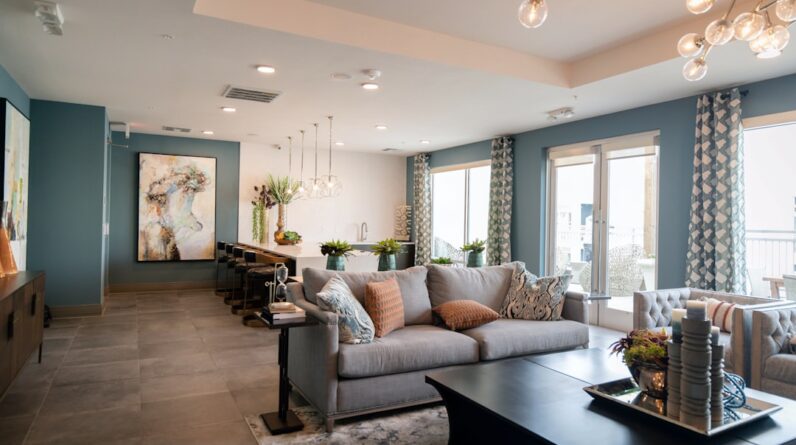
Interior design plays a pivotal role in highlighting unique architectural features within a space. When you thoughtfully select colors, textures, and furnishings, you can draw attention to the elements that make your home special. For instance, if your home boasts stunning archways or intricate moldings, consider using contrasting paint colors to make these features pop.
A bold accent wall can serve as a backdrop that enhances the beauty of these architectural details. Moreover, lighting is another powerful tool in your design arsenal. By strategically placing fixtures or using natural light sources, you can illuminate key features and create focal points throughout your home.
Pendant lights hung from exposed beams can accentuate their beauty while providing functional lighting for specific areas. Similarly, wall sconces can highlight artwork or architectural details like crown molding. By using interior design to emphasize these elements, you not only celebrate their uniqueness but also create an inviting atmosphere that reflects your personal style.
Overcoming Challenges in Designing with Unique Architectural Features

Overcoming Asymmetrical Spaces
One common issue is dealing with asymmetrical spaces or odd angles that make traditional furniture arrangements difficult. Instead of forcing standard pieces into these areas, consider custom solutions that fit the specific dimensions of your space. Custom-built furniture or tailored shelving can provide both functionality and aesthetic appeal while seamlessly integrating with the architecture.
Blending Modern and Historical Elements
Another challenge may arise from balancing modern design elements with historical features. You might find yourself torn between wanting to preserve the character of the original architecture while also incorporating contemporary styles. The key is to find common ground where both styles can coexist harmoniously.
Creating a Cohesive Look
For example, pairing sleek modern furniture with vintage architectural details can create an eclectic yet cohesive look that honors the past while embracing the present. By finding a balance between old and new, you can create a unique and captivating space that showcases the best of both worlds.
Customizing Interior Design to Complement Unique Architectural Features
Customizing your interior design to complement unique architectural features is an exciting opportunity to express your individuality while respecting the integrity of the space. Start by assessing the existing elements and determining how they can inform your design choices. If your home has beautiful hardwood floors or exposed brick walls, consider selecting furnishings and decor that enhance these features rather than compete with them.
You might also explore custom textiles or artwork that resonate with the architectural style of your home. For instance, if you live in a mid-century modern house with clean lines and organic shapes, look for fabrics and patterns that echo those themes. Custom window treatments can also play a significant role in tying together your design while allowing natural light to filter through in a way that highlights architectural details.
By taking a personalized approach to your interior design, you create a space that feels uniquely yours while celebrating its distinctive character.
Finding Inspiration in Unique Architectural Features for Interior Design
Finding inspiration in unique architectural features is an enriching process that allows you to connect deeply with your living environment. As you explore different styles and elements, take note of what resonates with you personally. Visit historic homes or contemporary spaces that showcase innovative designs; observe how they utilize their architectural features creatively.
You might find inspiration in unexpected places—perhaps a charming cottage with exposed beams or an industrial loft with raw concrete walls. Additionally, consider drawing from nature when seeking inspiration for your interior design. The organic shapes found in natural landscapes can inform your choice of colors and materials, creating a seamless connection between your home’s architecture and its surroundings.
Whether it’s through earthy tones that mimic stone or textures that evoke wood grain, nature offers endless possibilities for enhancing your space’s unique features. By remaining open to inspiration from both architecture and nature, you can cultivate an interior design that feels authentic and harmonious with its environment. In conclusion, embracing unique architectural features in your interior design journey opens up a world of possibilities for creativity and expression.
By understanding these elements and thoughtfully incorporating them into your design choices, you can create spaces that are not only functional but also rich in character and style. Whether it’s through maximizing space, customizing furnishings, or finding inspiration in unexpected places, each decision contributes to a cohesive narrative that celebrates both architecture and personal taste.
FAQs
What are interior design services?
Interior design services involve the planning and execution of the interior layout and design of a space, including the selection of furniture, color schemes, and decorative elements.
What are unique architectural features in interior design?
Unique architectural features in interior design refer to distinctive elements of a building’s structure, such as exposed beams, unconventional layouts, or unusual ceiling heights, that can pose challenges or opportunities for interior design.
Can interior design services cater to unique architectural features?
Yes, professional interior designers are trained to work with a variety of architectural features and can create designs that complement and enhance these unique elements.
How do interior designers approach working with exposed beams or unconventional layouts?
Interior designers may incorporate exposed beams into the overall design scheme, using them as a focal point or integrating them into the design aesthetic. When dealing with unconventional layouts, designers may use creative space planning and furniture placement to maximize the functionality and visual appeal of the space.
What should clients consider when hiring interior design services for unique architectural features?
Clients should look for interior designers with experience in working with unique architectural features and ask to see examples of their previous work. It’s important to communicate any specific preferences or concerns related to the architectural features to ensure that the design meets the client’s needs and vision.