In today’s fast-paced world, the concept of mindfulness has gained significant traction, extending its influence into various aspects of life, including interior design. You may find yourself increasingly aware of how your surroundings affect your mental state and overall well-being. Mindfulness in interior design emphasizes creating spaces that promote tranquility, focus, and a sense of connection to oneself and the environment.
By integrating mindfulness principles into your living or working spaces, you can cultivate an atmosphere that nurtures your mental health and enhances your quality of life. As you explore the intersection of mindfulness and interior design, you may begin to appreciate how thoughtful design choices can lead to a more harmonious existence. The spaces you inhabit can either uplift or drain your energy, depending on how they are arranged and decorated.
By prioritizing well-being in your design choices, you can create environments that not only reflect your personal style but also support your mental and emotional health. This article will delve into the profound impact of interior design on well-being and offer practical insights on how to incorporate mindfulness into your spaces.
Key Takeaways
- Mindfulness and well-being are important considerations in interior design, as they can significantly impact mental health and overall quality of life.
- Incorporating mindfulness practices into interior design can create calming and relaxing spaces that promote well-being and a sense of peace.
- Utilizing natural elements and biophilic design in interior spaces can have a positive impact on mental health and well-being, connecting people to nature and promoting a sense of tranquility.
- The role of color, lighting, and layout in interior design is crucial for promoting mindfulness and well-being, as they can affect mood, energy levels, and overall sense of comfort.
- Collaborating with interior design services that prioritize mindful and well-being spaces can lead to successful projects that positively impact the mental health and overall well-being of occupants.
The Impact of Interior Design on Mental Health and Well-being
The relationship between interior design and mental health is more profound than you might realize. Your environment can significantly influence your mood, productivity, and overall sense of well-being. For instance, cluttered spaces can lead to feelings of anxiety and overwhelm, while organized and aesthetically pleasing environments can foster calmness and clarity.
You may have experienced this firsthand; a well-designed room can evoke feelings of comfort and peace, while a chaotic space can leave you feeling unsettled. Research has shown that certain design elements can directly impact mental health. Natural light, for example, has been linked to improved mood and increased productivity.
When you allow natural light to flood your space, it not only brightens the room but also enhances your emotional state. Similarly, the arrangement of furniture and the flow of a space can either promote relaxation or create tension. By understanding these dynamics, you can make informed decisions about how to design your environment in a way that supports your mental health.
Incorporating Mindfulness Practices into Interior Design

To create a mindful space, you can start by incorporating practices that encourage presence and awareness. One effective approach is to declutter your environment. As you remove unnecessary items, you may find that your mind feels clearer and more focused.
This process allows you to curate a space filled only with things that bring you joy or serve a purpose, fostering a sense of intentionality in your surroundings. Another mindfulness practice to consider is the use of sensory elements in your design. You might choose to incorporate textures that feel soothing to the touch or scents that evoke positive memories.
For instance, soft fabrics like cotton or linen can create a cozy atmosphere, while essential oils or candles can infuse your space with calming fragrances. By engaging your senses, you can create an environment that encourages mindfulness and helps you stay present in the moment.
Utilizing Natural Elements and Biophilic Design for Well-being
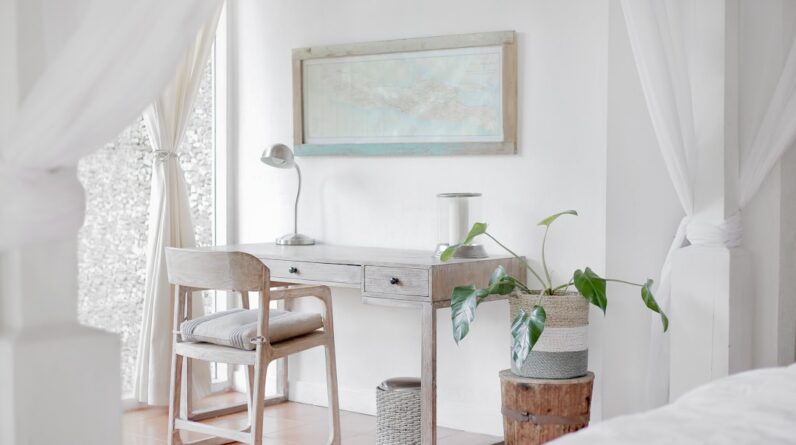
Biophilic design is an approach that seeks to connect people with nature through their built environments. You may find that incorporating natural elements into your interior design can significantly enhance your well-being. This could involve using materials like wood, stone, or plants to create a sense of harmony with the natural world.
The presence of greenery in your space not only improves air quality but also has been shown to reduce stress levels and promote relaxation. You might consider adding indoor plants or even creating a small indoor garden as part of your design strategy. The act of caring for plants can be therapeutic, providing a sense of purpose and connection to nature.
Additionally, large windows that frame outdoor views can help blur the lines between indoor and outdoor spaces, allowing natural light and scenery to become integral parts of your environment. By embracing biophilic design principles, you can cultivate a space that nourishes both your body and mind.
Creating Calming and Relaxing Spaces through Interior Design
When designing for calmness and relaxation, it’s essential to consider the overall atmosphere you wish to create. You may want to focus on creating spaces that invite rest and rejuvenation. This could involve selecting comfortable furniture that encourages lounging or incorporating soft textiles that invite touch.
A well-placed reading nook with plush cushions can become a sanctuary for quiet moments, allowing you to unwind after a long day. Sound is another crucial element in creating a calming environment. You might explore ways to minimize noise pollution in your space by using sound-absorbing materials or incorporating soothing background sounds like gentle music or nature sounds.
The goal is to create an oasis where you can escape the chaos of daily life and find solace in your surroundings. By thoughtfully designing these calming spaces, you can foster an environment that supports relaxation and mindfulness.
The Role of Color, Lighting, and Layout in Promoting Mindfulness

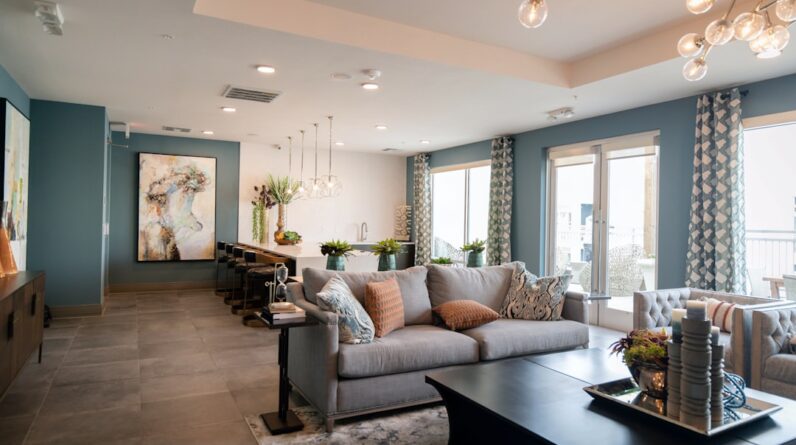
Color plays a vital role in influencing mood and emotions within a space. You may find that certain colors evoke specific feelings; for example, soft blues and greens are often associated with tranquility, while warm yellows can inspire happiness and energy. When designing your space, consider how color choices align with the atmosphere you wish to create.
A carefully curated color palette can enhance mindfulness by promoting feelings of peace and contentment. Lighting is equally important in setting the tone for mindfulness in interior design. Natural light is ideal for creating an uplifting atmosphere, but you can also use artificial lighting strategically to enhance mood.
Soft, warm lighting can create a cozy ambiance, while brighter lights may be more suitable for workspaces where focus is essential. Additionally, consider the layout of your space; an open layout can promote flow and ease, while defined areas for specific activities can help you transition between tasks mindfully.
Collaborating with Interior Design Services for Mindful and Well-being Spaces
If you’re feeling overwhelmed by the prospect of designing a mindful space on your own, collaborating with professional interior designers can be an excellent option. These experts understand the nuances of creating environments that promote well-being and mindfulness. They can help you identify your needs and preferences while guiding you through the design process.
When working with an interior designer, be sure to communicate your goals for mindfulness in your space clearly. Share what aspects of well-being are most important to you—whether it’s creating a serene retreat for relaxation or an inspiring workspace for creativity. A skilled designer will be able to translate your vision into a cohesive design plan that reflects both your personal style and your desire for mindfulness.
Case Studies and Examples of Successful Mindful Interior Design Projects
To illustrate the impact of mindful interior design on well-being, consider examining case studies of successful projects that have prioritized these principles. For instance, some wellness centers have embraced biophilic design by incorporating living walls filled with plants, creating serene environments that promote healing and relaxation for visitors. Another example could be residential spaces designed with mindfulness in mind—homes featuring open layouts that encourage natural light flow while incorporating calming color palettes and comfortable furnishings.
These spaces often serve as sanctuaries for their inhabitants, allowing them to recharge amidst the demands of daily life. By exploring these examples, you may find inspiration for your own mindful interior design journey. Whether you’re redesigning a single room or an entire home, understanding how others have successfully integrated mindfulness into their spaces can provide valuable insights as you embark on this transformative process.
In conclusion, the integration of mindfulness into interior design offers a powerful opportunity to enhance well-being in our lives. By understanding the impact of our surroundings on mental health and actively incorporating mindful practices into our spaces, we can create environments that nurture our minds and spirits. Whether through biophilic elements, calming colors, or thoughtful layouts, each choice contributes to a holistic approach to well-being in interior design.
As you embark on this journey, remember that every small change can lead to significant improvements in your overall quality of life.
FAQs
What is mindfulness and well-being in the context of interior design?
Mindfulness in interior design refers to creating spaces that encourage present-moment awareness and a sense of calm. Well-being in this context refers to promoting physical and mental health through the design of a space.
How can interior design services contribute to promoting mindfulness and well-being?
Interior design services can contribute to promoting mindfulness and well-being by incorporating elements such as natural light, biophilic design, calming color palettes, comfortable furniture, and organization systems that reduce clutter and promote a sense of order.
What are some specific design elements that can promote mindfulness and well-being?
Specific design elements that can promote mindfulness and well-being include incorporating natural materials, creating designated spaces for relaxation and meditation, integrating plants and greenery, and utilizing soft textures and natural scents.
Can interior design services help in creating spaces that promote mindfulness and well-being in both residential and commercial settings?
Yes, interior design services can be tailored to create spaces that promote mindfulness and well-being in both residential and commercial settings. Whether it’s a home, office, spa, or healthcare facility, the principles of mindful design can be applied to various environments.