When you think about interior design, it’s easy to focus on aesthetics and style. However, for individuals with health or mobility concerns, the needs extend far beyond mere visual appeal. You must recognize that these individuals often face unique challenges that can significantly impact their daily lives.
Whether it’s a person with limited mobility, chronic pain, or cognitive impairments, understanding their specific requirements is crucial in creating spaces that are not only beautiful but also functional and supportive. To truly grasp these unique needs, you should engage in active listening and observation. This means taking the time to understand the individual’s daily routines, preferences, and limitations.
For instance, a person who uses a wheelchair may require wider doorways and open spaces to navigate comfortably. Similarly, someone with visual impairments might benefit from contrasting colors and textures that help them identify different areas within a room. By immersing yourself in their world, you can gain valuable insights that will inform your design choices and ultimately lead to a more inclusive environment.
Key Takeaways
- Understanding the unique needs of individuals with health or mobility concerns is crucial for creating accessible and functional living spaces.
- Interior design plays a significant role in addressing specific health needs and incorporating universal design principles to enhance functionality and accessibility.
- Collaboration with healthcare professionals is essential for addressing specific health needs and ensuring that interior design solutions are tailored to individual requirements.
- Utilizing assistive technology and adaptive equipment in interior design can greatly improve the quality of life for individuals with specific health or mobility concerns.
- Designing for safety and comfort in living spaces is essential for creating supportive environments that positively impact the overall well-being and quality of life for individuals with specific health or mobility concerns.
The Role of Interior Design in Creating Accessible and Functional Spaces
Interior design plays a pivotal role in shaping environments that cater to the needs of individuals with health or mobility concerns. You have the power to transform spaces into havens of accessibility and functionality. This involves not only selecting appropriate furnishings but also considering the layout and flow of each room.
Thoughtful design can eliminate barriers that hinder movement and create an atmosphere where individuals feel empowered rather than restricted. In your design process, it’s essential to prioritize accessibility features such as ramps, grab bars, and adjustable furniture. These elements can make a significant difference in how individuals interact with their surroundings.
For example, incorporating adjustable countertops can accommodate both seated and standing users, allowing for greater flexibility in kitchen tasks. By focusing on these functional aspects, you can create spaces that enhance independence and promote a sense of dignity for those with health concerns.
Incorporating Universal Design Principles into Interior Design Services

Universal design principles serve as a guiding framework for creating spaces that are accessible to everyone, regardless of age or ability. As you embark on your design journey, consider how these principles can be seamlessly integrated into your services. This approach not only benefits individuals with specific health concerns but also enhances the overall usability of a space for all occupants.
One key principle of universal design is flexibility. You should aim to create spaces that can adapt to the changing needs of individuals over time. For instance, modular furniture can be rearranged to accommodate different activities or preferences, while adjustable lighting can cater to varying visual needs.
By embracing flexibility in your designs, you empower individuals to personalize their environments and foster a sense of ownership over their spaces.
Collaborating with Healthcare Professionals to Address Specific Health Needs
Collaboration is essential when it comes to addressing the specific health needs of individuals with mobility concerns. You should consider partnering with healthcare professionals such as occupational therapists, physical therapists, and medical practitioners. These experts can provide valuable insights into the unique challenges faced by their patients and offer recommendations for creating supportive environments.
By working closely with healthcare professionals, you can ensure that your designs align with therapeutic goals. For example, if a client is recovering from surgery, an occupational therapist may suggest specific modifications to facilitate rehabilitation at home. This could include designing a bathroom with grab bars and non-slip surfaces to promote safety during recovery.
Such collaborations not only enhance the effectiveness of your designs but also demonstrate your commitment to improving the quality of life for individuals with health concerns.
Utilizing Assistive Technology and Adaptive Equipment in Interior Design
Incorporating assistive technology and adaptive equipment into your interior design projects can significantly enhance the functionality of living spaces for individuals with health or mobility concerns. You should explore various technological solutions that can make daily tasks easier and more manageable. From smart home systems that allow for voice-activated controls to specialized furniture designed for comfort and support, the possibilities are vast.
For instance, consider integrating automated lighting systems that can be controlled via smartphone apps or voice commands. This feature can be particularly beneficial for individuals with limited mobility who may find it challenging to reach light switches. Additionally, adjustable beds and chairs equipped with lift mechanisms can provide comfort while promoting independence.
By embracing these innovative solutions, you can create environments that empower individuals to live more comfortably and confidently.
Designing for Safety and Comfort in Living Spaces for Individuals with Health Concerns
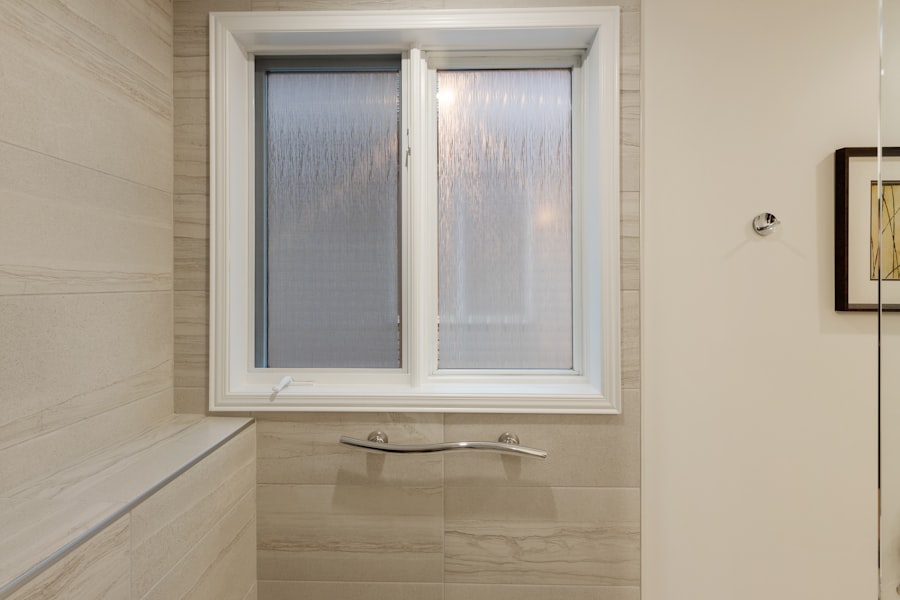
Safety and comfort are paramount when designing living spaces for individuals with health concerns. You must prioritize features that minimize risks while maximizing comfort. This involves careful consideration of materials, layouts, and furnishings that promote a secure environment.
For example, using non-slip flooring materials can significantly reduce the risk of falls, which is a common concern for individuals with mobility issues. Additionally, ensuring that furniture is arranged in a way that allows for easy navigation can prevent accidents and create a more inviting atmosphere. You should also consider incorporating soft furnishings that provide comfort without compromising safety—think rounded edges on tables or cushioned seating that offers support without being overly soft.
By focusing on these elements, you create spaces where individuals feel safe and at ease.
Creating Supportive Environments for Individuals with Mobility Concerns
Creating supportive environments for individuals with mobility concerns requires a thoughtful approach to design that prioritizes accessibility and ease of use. You should consider how each element within a space contributes to the overall experience of its occupants. This means evaluating everything from door widths to furniture heights to ensure they accommodate various mobility aids such as wheelchairs or walkers.
In addition to physical accessibility, emotional support is equally important in your designs. You can achieve this by incorporating elements that promote social interaction and connection among residents. Open floor plans encourage communication and engagement, while cozy seating areas invite relaxation and conversation.
By fostering an environment that supports both physical mobility and emotional well-being, you create spaces where individuals feel valued and included.
The Impact of Interior Design on Overall Well-being and Quality of Life for Individuals with Specific Health or Mobility Concerns
The impact of interior design on the overall well-being and quality of life for individuals with specific health or mobility concerns cannot be overstated. You have the ability to create environments that not only meet functional needs but also enhance emotional health and social interaction. Thoughtfully designed spaces can promote independence, reduce feelings of isolation, and improve overall satisfaction with one’s living situation.
Research has shown that well-designed environments can positively influence mental health by reducing stress levels and promoting feelings of safety and comfort. When individuals feel secure in their surroundings, they are more likely to engage in activities they enjoy and maintain social connections. As you embark on your design projects, remember that your work has the potential to transform lives by creating spaces that nurture both physical health and emotional well-being.
In conclusion, understanding the unique needs of individuals with health or mobility concerns is essential in creating accessible and functional spaces through interior design. By incorporating universal design principles, collaborating with healthcare professionals, utilizing assistive technology, prioritizing safety and comfort, and fostering supportive environments, you can significantly enhance the quality of life for those you serve. Your role as an interior designer goes beyond aesthetics; it encompasses the profound responsibility of improving lives through thoughtful design choices that empower individuals to thrive in their homes.
FAQs
What is interior design?
Interior design is the art and science of enhancing the interior of a space to achieve a healthier and more aesthetically pleasing environment for the people using the space.
How can interior design services help individuals with specific health or mobility concerns?
Interior design services can help individuals with specific health or mobility concerns by creating spaces that are accessible, functional, and aesthetically pleasing. Designers can incorporate features such as wider doorways, non-slip flooring, grab bars, and adjustable countertops to accommodate specific needs.
What are some common design considerations for individuals with specific health or mobility concerns?
Common design considerations for individuals with specific health or mobility concerns include creating open and unobstructed pathways, incorporating ample lighting, using ergonomic furniture, and ensuring that the space is easily navigable for wheelchairs or mobility aids.
How can interior designers work with healthcare professionals to create spaces for individuals with specific health or mobility concerns?
Interior designers can collaborate with healthcare professionals to understand the specific needs of individuals with health or mobility concerns. By working together, they can create spaces that are not only functional and accessible but also supportive of the individuals’ overall well-being.
What are some examples of spaces that can benefit from interior design services for individuals with specific health or mobility concerns?
Spaces that can benefit from interior design services for individuals with specific health or mobility concerns include homes, healthcare facilities, senior living communities, and public buildings such as libraries, museums, and government offices.