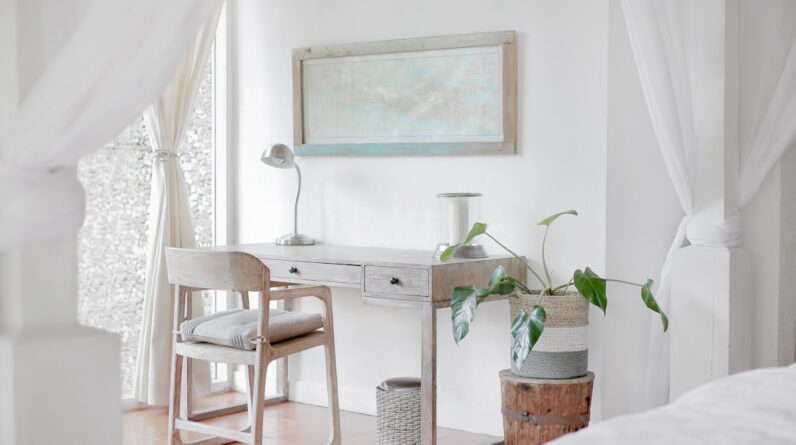
When you embark on a design project, the allure of new furniture and decor can be tempting. However, working with existing pieces offers a multitude of benefits that can enhance both the aesthetic and emotional value of your space. One of the most significant advantages is the cost savings associated with repurposing what you already own.
By utilizing existing furniture, you can allocate your budget toward other areas of the project, such as artwork or lighting, which can elevate the overall design without breaking the bank. This approach not only preserves your financial resources but also allows for a more sustainable design practice, reducing waste and promoting eco-friendliness. Moreover, existing furniture often carries a history and sentimental value that new items simply cannot replicate.
Each piece tells a story, whether it’s a family heirloom passed down through generations or a quirky find from a local thrift store. By incorporating these items into your design, you create a space that reflects your personality and experiences. This personal touch can make your home feel more inviting and unique, fostering a sense of comfort and belonging.
In essence, working with existing furniture and decor allows you to create a narrative within your space, making it not just visually appealing but also emotionally resonant.
Key Takeaways
- Working with existing furniture and decor can save time and money in a design project.
- Assessing the potential of existing pieces can help determine what can be repurposed or updated.
- Incorporating existing pieces into a new design can add character and personalization to a space.
- Blending old and new items can create a cohesive and balanced look in a design scheme.
- Making necessary adjustments to existing furniture and decor can help ensure they fit seamlessly into the new design.
Assessing the Potential of Existing Furniture and Decor
Take Inventory and Look Beyond the Surface
Start by taking stock of what you have, considering the shape, color, and material of each piece. You might be surprised at how versatile some items can be when viewed from a different perspective.
Reimagine and Repurpose
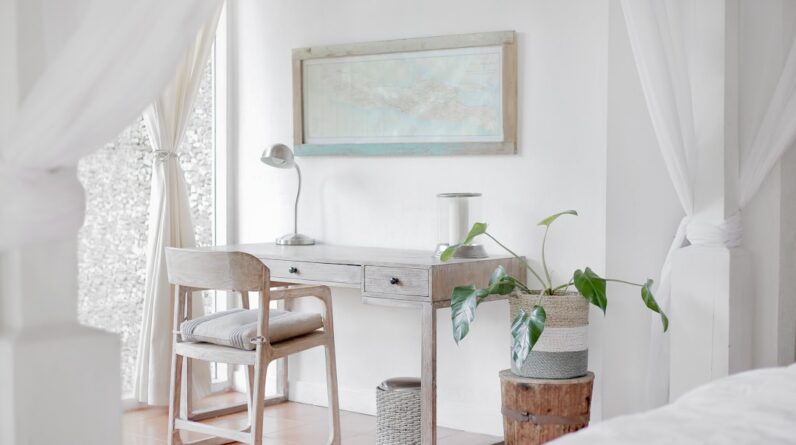
For instance, an old wooden chair can be reupholstered to fit a modern aesthetic, while a vintage coffee table can serve as a stunning focal point in a contemporary living room. By evaluating each piece critically, you can identify which items are worth keeping and which may need to be replaced or modified.
Consider Scale and Proportion
Think about how these pieces can work together in harmony, considering the scale and proportion of your existing furniture in relation to your space. A large sectional sofa may dominate a small room, while a delicate side table could get lost in a vast area. By understanding the dynamics of your space and how your existing items fit within it, you can make informed decisions about what to keep and how to arrange it. This assessment phase is essential for creating a cohesive design that feels intentional rather than haphazard.
Incorporating Existing Pieces into a New Design

Once you’ve assessed the potential of your existing furniture and decor, the next step is to incorporate these pieces into your new design scheme. This process requires creativity and an open mind. Start by selecting a color palette that complements your existing items.
If you have a bold patterned rug, for example, consider using neutral tones for your walls and larger furniture pieces to allow the rug to shine as a focal point. Alternatively, if your existing decor features muted colors, you might introduce vibrant accents through pillows or artwork to create visual interest. Incorporating existing pieces also means considering their placement within the space.
Think about how each item interacts with others and how they contribute to the overall flow of the room. A well-placed bookshelf can serve as both storage and a decorative element, while an antique mirror can reflect light and create an illusion of space. By strategically positioning these items, you can enhance their impact and ensure they contribute positively to the overall design narrative.
Remember, the goal is to create a harmonious environment where each piece feels like it belongs.
Blending Old and New for a Cohesive Look
Achieving a cohesive look often involves blending old and new elements seamlessly. This juxtaposition can create depth and character within your space. When introducing new furniture or decor alongside existing pieces, consider how they complement each other in terms of style, color, and texture.
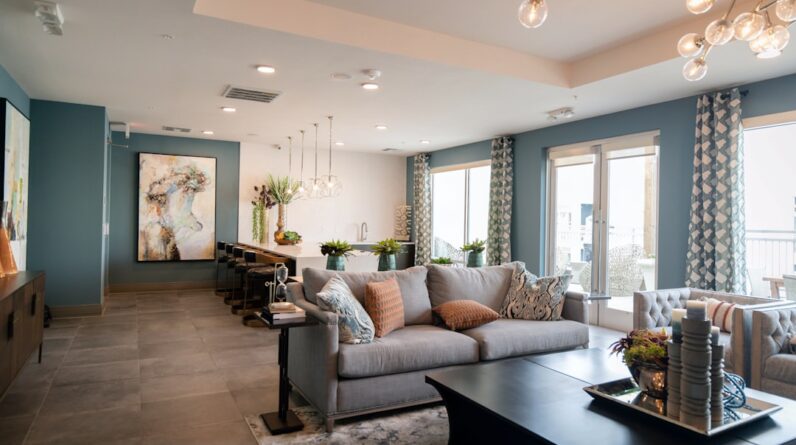
For instance, pairing a sleek modern sofa with an ornate vintage coffee table can create an intriguing contrast that adds visual interest to the room. To ensure that old and new elements work together harmoniously, focus on common threads that tie them together. This could be a shared color palette or similar materials that create continuity throughout the space.
For example, if you have an antique wooden dresser, consider incorporating new pieces made from reclaimed wood to echo that warmth while maintaining a contemporary feel. By thoughtfully curating your selections, you can achieve a balanced aesthetic that feels intentional rather than disjointed.
Making Necessary Adjustments to Existing Furniture and Decor
Sometimes, existing furniture and decor require adjustments to fit seamlessly into your new design vision. This could involve anything from minor tweaks like repainting or reupholstering to more significant modifications such as resizing or restructuring pieces entirely. For instance, if you have a beloved armchair that no longer fits your style, consider giving it a fresh coat of paint or new fabric that aligns with your updated color scheme.
Additionally, don’t shy away from DIY projects that can breathe new life into old items. A simple change like swapping out hardware on cabinets or adding decorative trim to shelves can transform their appearance dramatically. These adjustments not only enhance the aesthetic appeal of your existing pieces but also allow you to personalize them further, ensuring they align with your unique style preferences.
Maximizing the Value of Existing Pieces

Maximizing the value of existing furniture and decor goes beyond aesthetics; it also involves understanding their functional potential. Consider how each piece can serve multiple purposes within your space. For example, an ottoman can function as both seating and storage, while a console table can double as a workspace or display area for decorative items.
By thinking creatively about functionality, you can make the most out of what you already own. Furthermore, investing time in maintenance can significantly extend the lifespan of your existing pieces. Regular cleaning, polishing wood surfaces, and addressing minor repairs promptly can keep your furniture looking its best for years to come.
This proactive approach not only preserves their value but also enhances their contribution to your overall design scheme.
Communication and Collaboration with Clients
If you’re working with clients on a design project involving existing furniture and decor, effective communication is key. Begin by discussing their vision for the space and any specific pieces they wish to incorporate. Understanding their preferences will help you tailor your design approach accordingly.
Encourage clients to share their thoughts on what they love about their existing items and what they hope to achieve with the redesign. Collaboration is equally important throughout the process. Involve clients in decision-making regarding adjustments or placements of existing pieces to ensure they feel invested in the outcome.
This collaborative spirit fosters trust and satisfaction, resulting in a final design that resonates with their personal style while effectively utilizing their existing furniture and decor.
Overcoming Challenges of Working with Existing Furniture and Decor
While working with existing furniture and decor presents numerous benefits, it also comes with its own set of challenges. One common hurdle is dealing with mismatched styles or colors among various pieces. To overcome this challenge, focus on finding commonalities that can bridge the gap between disparate items.
A unifying color scheme or consistent material choice can help create cohesion despite differences in style. Another challenge may arise when certain pieces do not fit well within the new design layout due to size or scale issues. In such cases, consider creative solutions like rearranging furniture or repurposing items for different functions within the space.
Flexibility is essential; sometimes an item may not work in its original capacity but could shine in another role altogether. In conclusion, working with existing furniture and decor offers numerous benefits that extend beyond mere aesthetics. By assessing potential pieces thoughtfully, incorporating them creatively into new designs, blending old with new elements harmoniously, making necessary adjustments, maximizing their value through maintenance, fostering communication with clients, and overcoming challenges along the way, you can create spaces that are not only beautiful but also deeply personal and meaningful.
Embrace the stories behind each piece as you embark on this rewarding journey of transformation within your home or workspace.
FAQs
Can interior designers work with existing furniture and decor?
Yes, interior designers can work with existing furniture and decor. They can incorporate these items into their design plans to create a cohesive and personalized space for their clients.
What are the benefits of working with existing furniture and decor?
Working with existing furniture and decor can help clients save money on purchasing new items. It also allows for a more sustainable approach to interior design by reusing and repurposing existing pieces.
How do interior designers incorporate existing furniture and decor into their designs?
Interior designers can incorporate existing furniture and decor by assessing the items and determining how they can fit into the overall design plan. They may reupholster furniture, refinish surfaces, or rearrange the layout to better suit the space.
What should clients consider when working with existing furniture and decor and an interior designer?
Clients should communicate with their interior designer about the items they want to keep and their vision for the space. They should also be open to the designer’s suggestions for how to best incorporate existing pieces into the overall design.