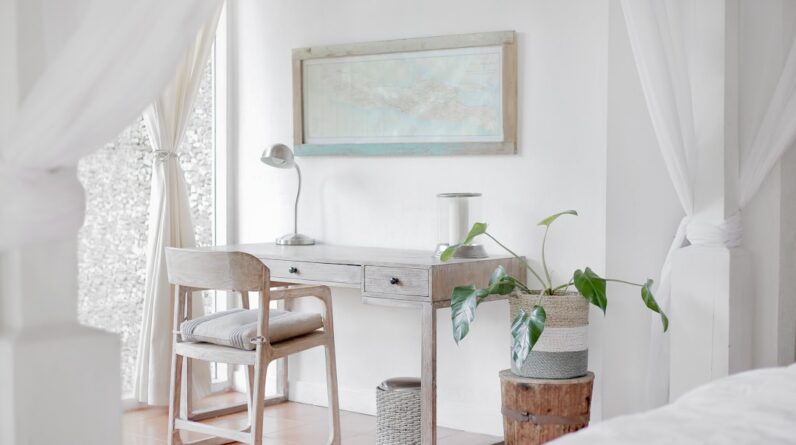
Coastal interior design is a style that evokes the serene beauty of the seaside, bringing the essence of the beach into your home. This design approach is characterized by its light, airy feel, and a palette that reflects the colors of the ocean and sand. When you think of coastal design, imagine soft whites, sandy beiges, and various shades of blue that mimic the waves and sky.
It’s a style that not only enhances the aesthetic appeal of your space but also promotes a sense of tranquility and relaxation. As you delve into coastal interior design, you’ll discover that it’s not just about aesthetics; it’s about creating an environment that feels like a retreat from the hustle and bustle of everyday life. This design philosophy encourages you to embrace simplicity and comfort, allowing you to unwind in a space that feels both inviting and refreshing.
Whether you live by the coast or simply wish to bring a touch of the beach into your home, understanding the principles of coastal design can help you create a sanctuary that reflects your personal style while celebrating the beauty of nature.
Key Takeaways
- Coastal interior design is inspired by the beach and ocean, creating a relaxed and airy atmosphere in the home.
- Natural elements such as driftwood, seashells, and plants can be incorporated into coastal design to bring the outdoors inside.
- A coastal color palette typically includes shades of blue, white, and beige, while textures like rattan, jute, and linen add to the beachy feel.
- Furniture and decor in coastal design should be comfortable and casual, with a focus on natural materials and a relaxed, beachy vibe.
- Lighting plays a key role in creating a coastal ambiance, with soft, natural light and nautical-inspired fixtures adding to the relaxed atmosphere.
Incorporating Natural Elements
One of the hallmarks of coastal interior design is the incorporation of natural elements that connect your space to the outdoors. You can achieve this by using materials such as wood, stone, and woven fibers that evoke a sense of nature. For instance, consider using reclaimed wood for furniture or accent pieces, which not only adds character but also brings warmth to your space.
Natural stone can be used for countertops or flooring, providing a rugged yet elegant touch that mirrors the coastal landscape. In addition to materials, you can enhance your coastal design by incorporating plants and greenery. Bringing in potted plants or fresh flowers can infuse your home with life and color, creating a vibrant atmosphere reminiscent of a beachside garden.
Think about using succulents or tropical plants that thrive in coastal environments. These elements not only beautify your space but also improve air quality, making your home feel fresher and more inviting.
Color Palette and Textures
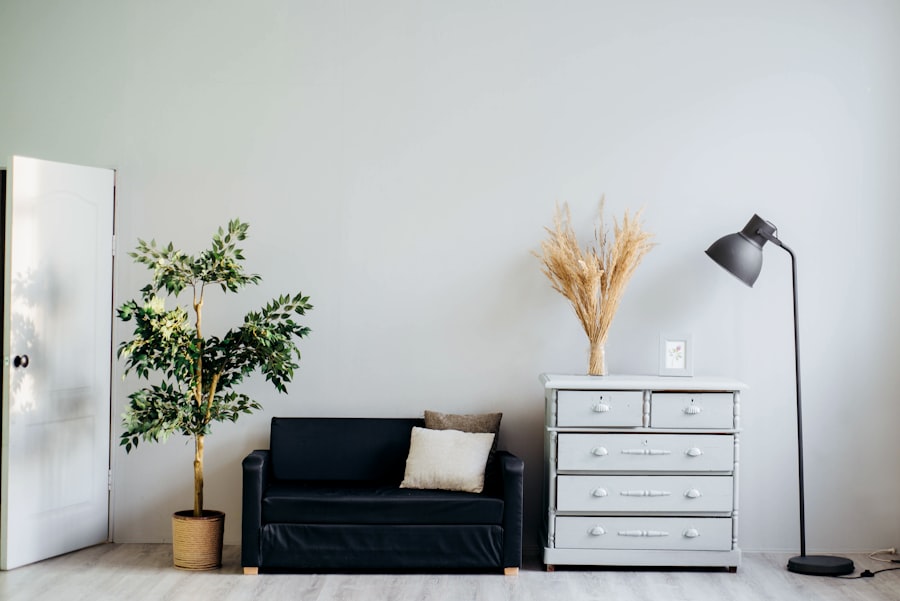
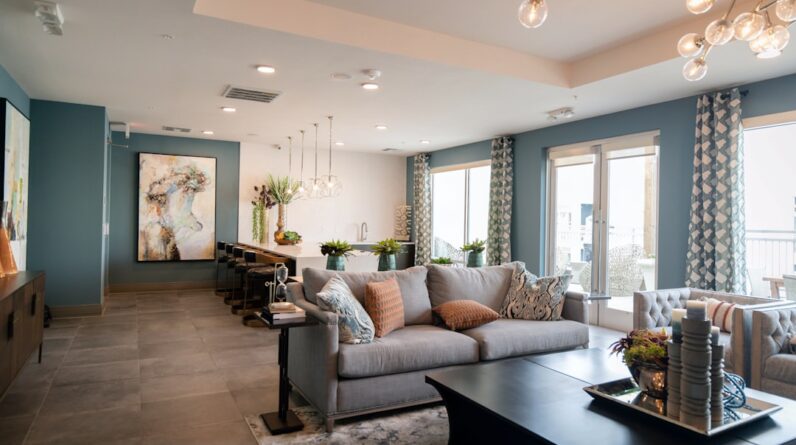
The color palette in coastal interior design plays a crucial role in establishing the overall mood of your space. You’ll want to focus on soft, muted tones that reflect the natural beauty of the beach. Shades of blue, from deep navy to soft sky blue, can evoke the feeling of being near the ocean.
Complement these with sandy beiges and crisp whites to create a balanced and harmonious look. You might also consider adding accents in coral or seafoam green to introduce a pop of color that captures the vibrancy of coastal life. Textures are equally important in achieving a coastal aesthetic.
Layering different textures can add depth and interest to your design. Think about incorporating soft linens for curtains and cushions, which can create an inviting atmosphere. Woven baskets can serve as both functional storage solutions and decorative elements, while jute rugs can add an organic touch underfoot.
By mixing various textures, you can create a tactile experience that enhances the overall coastal vibe of your home.
Furniture and Decor
When selecting furniture for your coastal interior, prioritize comfort and functionality. Opt for pieces that are not only stylish but also practical for everyday living. Slipcovered sofas in light fabrics are an excellent choice, as they offer a relaxed look while being easy to clean.
You might also consider using furniture with weathered finishes or distressed wood to evoke a sense of casual elegance reminiscent of seaside cottages. Decorative elements play a significant role in tying your coastal design together. You can incorporate nautical-themed accessories such as driftwood sculptures, seashells, or vintage maps to enhance the theme without overwhelming the space.
Artwork featuring seascapes or beach scenes can serve as focal points on your walls, drawing the eye and creating a connection to the coastal environment. Remember to keep decor minimalistic; too many accessories can clutter your space and detract from the serene atmosphere you’re aiming to create.
Lighting and Ambiance
Lighting is essential in coastal interior design as it helps set the mood and enhances the overall aesthetic of your space. Natural light should be maximized wherever possible; large windows or glass doors can invite sunlight into your home, creating an open and airy feel. You might consider sheer window treatments that allow light to filter through while maintaining privacy.
In addition to natural light, you’ll want to incorporate various lighting sources to create ambiance during the evening hours. Soft, warm lighting can evoke a cozy atmosphere reminiscent of sunset on the beach. Consider using pendant lights made from natural materials like rattan or wicker for a casual yet stylish look.
Table lamps with soft shades can provide additional lighting for reading nooks or side tables, ensuring that your space remains inviting at all times.
Functional and Practical Design

While aesthetics are important in coastal interior design, functionality should never be overlooked. Your space should be designed with practicality in mind, especially if you live in an area prone to humidity or saltwater exposure. Choose materials that are durable and easy to maintain; for example, opt for slipcovers that can be washed easily or furniture made from weather-resistant materials.
Storage solutions are also key in creating a functional coastal home. Consider built-in shelving or cabinets that blend seamlessly with your decor while providing ample storage for beach gear, towels, or seasonal items. Multi-functional furniture pieces, such as ottomans with hidden storage or coffee tables that double as storage units, can help keep your space organized without sacrificing style.
Creating a Relaxing Atmosphere
The ultimate goal of coastal interior design is to create a relaxing atmosphere where you can unwind and recharge. To achieve this, focus on creating spaces that encourage relaxation and leisure. Consider setting up cozy reading nooks with comfortable chairs and soft throws where you can curl up with a good book while listening to the sound of waves crashing outside.
Incorporating calming scents can also enhance the relaxing ambiance of your home. Use essential oil diffusers or scented candles with ocean-inspired fragrances like sea salt or coconut to evoke memories of beach vacations. Soft background music featuring ocean sounds or gentle melodies can further enhance the tranquil environment you’re striving for, making your home feel like a peaceful retreat.
Tips for DIY Coastal Design
If you’re eager to embrace coastal interior design on your own, there are several tips you can follow to achieve stunning results without breaking the bank. Start by decluttering your space; removing unnecessary items will help create an open and airy feel that is essential for coastal design. Once you’ve cleared out excess clutter, focus on painting your walls in light colors that reflect natural light.
When it comes to furniture and decor, consider shopping at thrift stores or flea markets for unique finds that fit your coastal theme. Look for items made from natural materials or those with a weathered finish that adds character to your space. Don’t hesitate to get creative; DIY projects such as painting old furniture in soft hues or creating wall art from seashells can add personal touches that make your home truly yours.
In conclusion, embracing coastal interior design allows you to create a serene sanctuary that reflects the beauty of nature while promoting relaxation and comfort. By incorporating natural elements, selecting an appropriate color palette, choosing functional furniture, and focusing on ambiance, you can transform your home into a peaceful retreat reminiscent of seaside living. With a little creativity and effort, you can achieve a stunning coastal aesthetic that invites tranquility into your everyday life.
FAQs
What is coastal interior design?
Coastal interior design is a style that reflects the relaxed and casual atmosphere of coastal living. It often incorporates natural elements, light and airy color palettes, and a mix of textures to create a serene and beachy feel.
What are some key elements of coastal interior design?
Key elements of coastal interior design include light and neutral color schemes, natural materials such as wood and rattan, nautical accents like stripes and rope, and plenty of natural light.
How can I incorporate coastal design into my home?
You can incorporate coastal design into your home by using a light and airy color palette, incorporating natural materials like wood and jute, adding nautical accents such as seashells and driftwood, and maximizing natural light.
What are some popular coastal interior design styles?
Some popular coastal interior design styles include classic coastal, modern coastal, and tropical coastal. Each style incorporates elements of coastal living while adding its own unique twist.
What are some coastal interior design ideas for small spaces?
For small spaces, consider using light and neutral colors to create a sense of openness, incorporating multi-functional furniture to maximize space, and using mirrors to reflect light and create the illusion of a larger space.