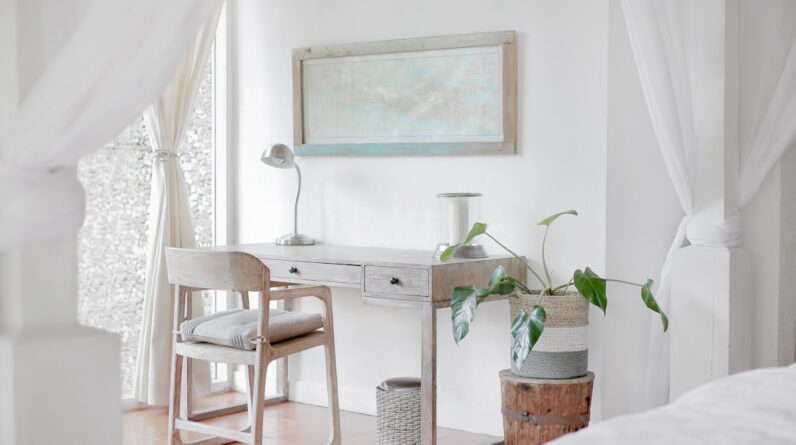
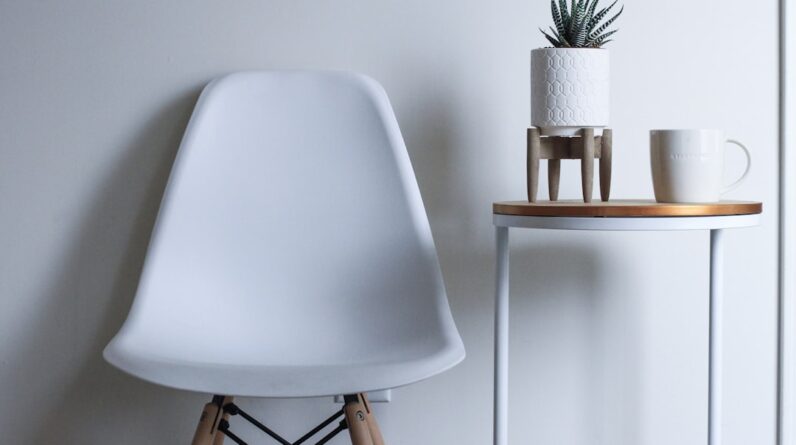
When it comes to small spaces, color plays a pivotal role in shaping the overall atmosphere and functionality of the room. You may not realize it, but the hues you choose can significantly influence how you perceive the size and comfort of your environment. Light colors, for instance, can create an airy and open feel, making a cramped room seem more expansive.
Conversely, darker shades can add depth and coziness, but they may also make a small area feel even more confined if not used thoughtfully. Understanding the impact of color is essential for maximizing the potential of your small space. Moreover, color can evoke emotions and set the mood of a room.
A bright, cheerful palette can energize you, while softer tones can promote relaxation and tranquility. In a small space, where every detail counts, selecting the right colors can transform your experience. You might find that a well-chosen color scheme not only enhances the aesthetic appeal of your room but also improves your overall well-being.
By being mindful of how color affects your perception and emotions, you can create a small space that feels both inviting and functional.
Key Takeaways
- Light colors can make small spaces feel larger and more open
- Choose a color palette that includes light, neutral tones for small rooms
- Use color to create the illusion of space, such as painting the ceiling a lighter color than the walls
- Utilize both light and dark colors strategically to add depth and dimension to small rooms
- Consider the psychological effects of color when choosing hues for small spaces, such as calming blues or energizing yellows
Choosing the Right Color Palette for Small Rooms
Selecting the right color palette for your small room is crucial to achieving the desired effect. You may want to start by considering the purpose of the space. For example, if it’s a bedroom, calming colors like soft blues or gentle greens can create a serene atmosphere conducive to rest.
On the other hand, if it’s a home office, you might opt for invigorating colors like yellows or oranges to stimulate creativity and productivity. By aligning your color choices with the room’s function, you can enhance its usability while also making it visually appealing. Another important factor to consider is the amount of natural light your small room receives.
If your space is bathed in sunlight, you have more flexibility in choosing colors, as bright shades will reflect light beautifully and create an uplifting ambiance. However, if your room lacks natural light, you may want to lean towards lighter shades that can help brighten the space. Additionally, consider using a monochromatic palette with varying shades of a single color to create depth without overwhelming the senses.
This approach can unify the space and make it feel larger than it is.
Creating the Illusion of Space with Color
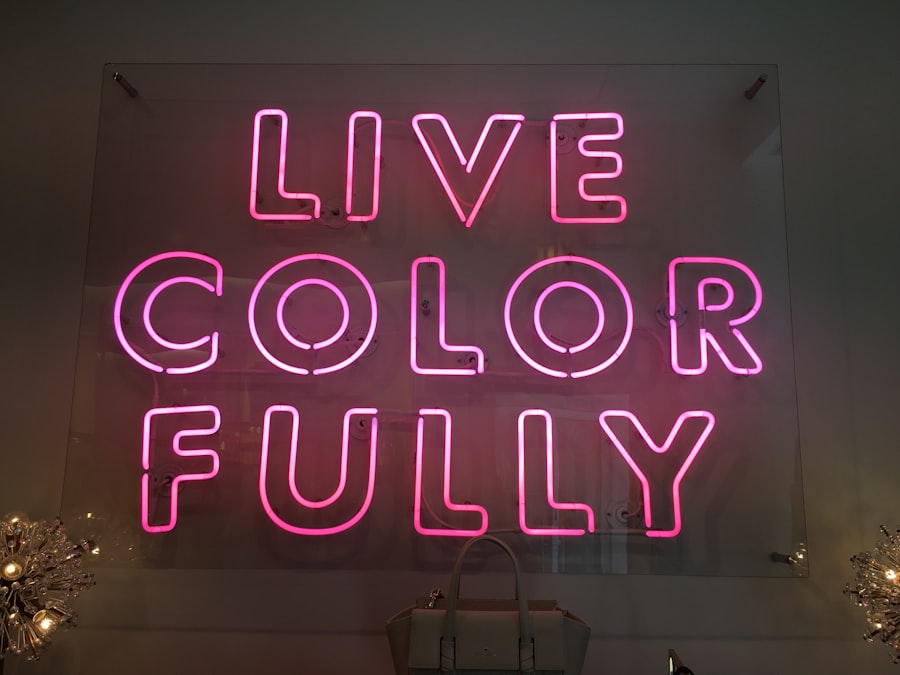
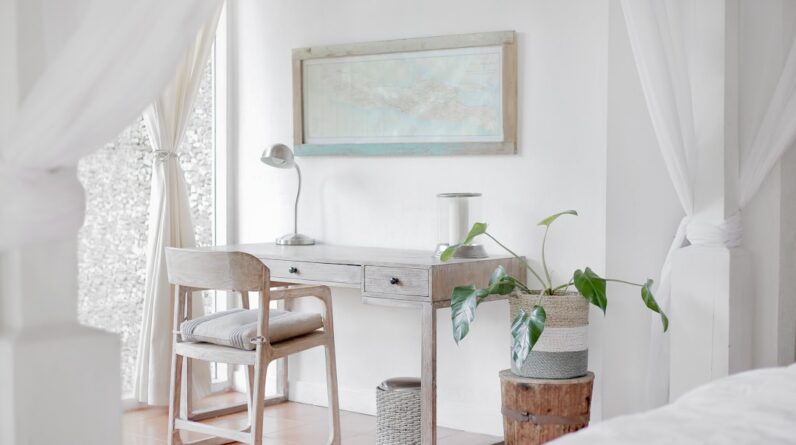
Creating the illusion of space in a small room is an art that can be achieved through strategic color choices. One effective technique is to use lighter colors on walls and ceilings while reserving darker shades for furniture or accessories. This contrast draws the eye upward and outward, making the room feel taller and more expansive.
You might also consider painting the ceiling a lighter shade than the walls to enhance this effect further. By manipulating color in this way, you can trick the eye into perceiving more space than actually exists. Another method to create an illusion of space is through color blocking.
By painting different sections of a wall in varying shades or colors, you can define areas within a small room without physically dividing them. This technique not only adds visual interest but also helps delineate functional zones, making your small space feel more organized and purposeful. You may find that experimenting with these techniques allows you to discover new dimensions in your small room that you never thought possible.
Utilizing Light and Dark Colors in Small Rooms
The interplay between light and dark colors can dramatically affect how a small room feels. Light colors tend to reflect more light, which can make a space feel airy and open. If you’re looking to create a sense of spaciousness, consider using whites, creams, or pastels as your primary wall colors.
These shades can help bounce light around the room, creating an inviting atmosphere that feels larger than life. You might also incorporate light-colored furniture or decor to maintain this airy vibe throughout the space. On the flip side, dark colors can add depth and sophistication to a small room when used judiciously.
While they may seem counterintuitive for small spaces, dark hues can create a cozy and intimate environment if balanced correctly. You could use dark colors on an accent wall or in furniture pieces to ground the space without overwhelming it. The key is to ensure that there is enough contrast with lighter elements in the room to prevent it from feeling too closed in.
By thoughtfully combining light and dark colors, you can achieve a harmonious balance that enhances both style and comfort.
The Psychological Effects of Color in Small Spaces
Colors have profound psychological effects that can influence your mood and behavior within a small space. For instance, warm colors like reds and oranges are known to evoke feelings of warmth and energy, making them ideal for social areas like living rooms or kitchens where interaction occurs. However, these colors can also be overwhelming if overused in confined spaces.
You might find that incorporating them as accents rather than dominant hues allows you to enjoy their vibrancy without feeling overstimulated. Cool colors such as blues and greens tend to promote calmness and relaxation, making them suitable for bedrooms or reading nooks where tranquility is desired. These shades can help reduce stress and create a peaceful retreat within your small space.
Understanding how different colors affect your emotions enables you to curate an environment that aligns with your personal needs and preferences. By being intentional about your color choices, you can foster a sense of well-being that enhances your daily life.
Accent Colors and Statement Walls in Small Rooms

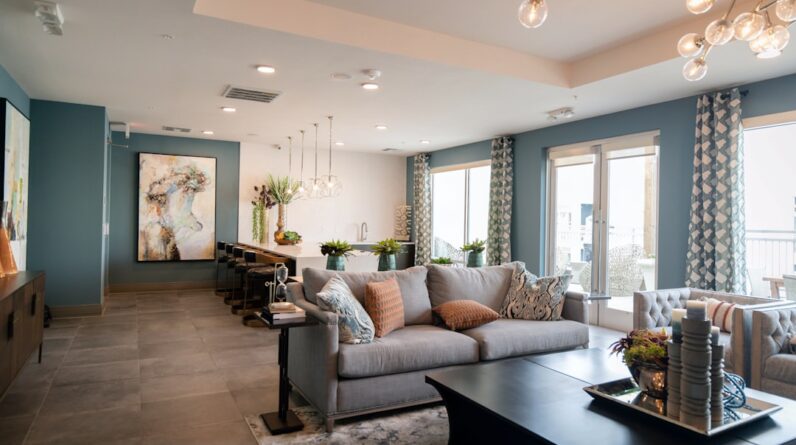
Incorporating accent colors and statement walls into your small room design can add personality and flair without overwhelming the space. An accent wall painted in a bold hue or adorned with wallpaper can serve as a focal point that draws attention and adds visual interest. This technique allows you to express your style while keeping the rest of the room more subdued, creating balance within the design.
You might choose a vibrant color that resonates with you or opt for a patterned wallpaper that reflects your personality. When selecting accent colors, consider how they interact with your primary color palette. You could use complementary colors to create contrast or analogous colors for a more harmonious look.
Accessories such as throw pillows, artwork, or decorative items in your chosen accent color can tie the room together beautifully. By thoughtfully incorporating accent colors and statement walls, you can elevate your small space’s aesthetic while maintaining its functionality.
Color Combinations to Maximize Small Room Design
Maximizing small room design often involves experimenting with color combinations that enhance both style and spatial perception. One popular approach is to use a combination of neutral tones paired with one or two bold accent colors. This strategy allows you to maintain an open feel while introducing elements of interest that prevent the space from feeling flat or monotonous.
For example, pairing soft grays with vibrant yellows or deep blues can create a dynamic yet cohesive look. Another effective combination is using analogous colors—those that sit next to each other on the color wheel—such as blues and greens or yellows and oranges. These combinations create a sense of flow within the room while still providing enough contrast to keep things visually engaging.
You might also consider using varying shades of the same color for a monochromatic scheme that adds depth without overwhelming the senses. By exploring different color combinations, you can discover unique ways to enhance your small room’s design.
Tips for Using Color Psychology to Enhance Small Room Functionality
To enhance functionality in your small room through color psychology, start by identifying how you want to feel in that space. If it’s a workspace where focus is essential, consider using calming blues or greens that promote concentration while reducing stress levels. Alternatively, if it’s a social area meant for gatherings, warm tones like yellows or oranges can foster an inviting atmosphere that encourages interaction.
Additionally, think about how color placement affects functionality within the room. For instance, using brighter colors near windows can help maximize natural light during the day while darker shades in corners can create cozy nooks for relaxation or reading. You might also want to incorporate reflective surfaces like mirrors or glossy finishes in lighter colors to amplify light and make the space feel larger.
By applying these tips thoughtfully, you can harness color psychology to create a small room that is not only beautiful but also highly functional for your lifestyle needs.
FAQs
What is color psychology in small rooms?
Color psychology in small rooms refers to the study of how different colors can affect the perception of space and the mood of individuals in a confined area. It explores how colors can make a small room feel larger, cozier, or more inviting.
How can different colors affect small rooms?
Different colors can have various effects on small rooms. Lighter colors such as white, pastels, and soft neutrals can make a small room feel more spacious and airy. Darker colors like navy, deep greens, and rich purples can create a cozy and intimate atmosphere but may also make the room feel smaller.
What are some recommended colors for small rooms?
Recommended colors for small rooms include light and neutral shades such as soft blues, pale yellows, and light grays. These colors can help open up the space and create a sense of airiness. Additionally, using monochromatic color schemes can also help create a cohesive and spacious feel in a small room.
How can color psychology be applied to furniture and decor in small rooms?
Color psychology can be applied to furniture and decor in small rooms by choosing pieces that complement the overall color scheme. For example, using furniture and decor in similar tones as the wall color can create a seamless and visually expansive look. Additionally, incorporating pops of accent colors can add visual interest without overwhelming the space.