When you find yourself living in a small space, the challenge of maximizing functionality becomes paramount. You may feel overwhelmed by the limited square footage, but with a strategic approach, you can transform your compact area into a highly functional haven. The key lies in understanding your needs and prioritizing the elements that will serve you best.
Start by assessing how you use your space daily. Are there activities that require more room, or do you have items that can be stored away? By identifying your priorities, you can make informed decisions about what to keep and what to let go.
In addition to evaluating your needs, consider the layout of your space. You might be surprised at how a simple rearrangement can enhance functionality. For instance, placing furniture in a way that promotes flow can make your area feel more open and inviting.
Think about creating zones for different activities, such as a cozy reading nook or a workspace. By defining these areas, you can maximize the utility of your small space while ensuring that it remains comfortable and aesthetically pleasing.
Key Takeaways
- Maximize functionality in small spaces by carefully planning and organizing the layout to make the most of every inch.
- Utilize multifunctional furniture such as sofa beds, storage ottomans, and extendable dining tables to save space and add versatility.
- Incorporate clever storage solutions like wall-mounted shelves, under-bed storage, and built-in cabinets to keep clutter at bay.
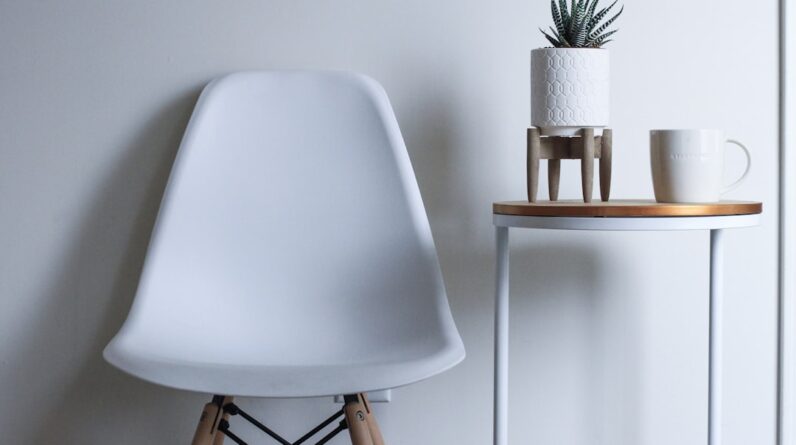
- Embrace minimalist design principles by opting for clean lines, simple furniture, and a clutter-free aesthetic to create a sense of spaciousness.
- Utilize light and neutral colors to create the illusion of space and make the room feel brighter and more open.
Utilizing Multifunctional Furniture
One of the most effective strategies for maximizing space is to invest in multifunctional furniture. This type of furniture serves more than one purpose, allowing you to make the most of every square inch. For example, a sofa bed can provide seating during the day and transform into a comfortable sleeping area at night.
Similarly, an ottoman with storage capabilities can serve as both a footrest and a place to stash blankets or magazines. By choosing pieces that offer versatility, you can significantly enhance the functionality of your small space. When selecting multifunctional furniture, consider your lifestyle and how you plan to use each piece.
You might find that a dining table with extendable leaves is perfect for hosting friends while still being compact enough for everyday use. Additionally, look for furniture that complements your existing decor and fits seamlessly into your design scheme. By thoughtfully incorporating multifunctional pieces, you can create a space that is not only practical but also stylish and inviting.
Incorporating Clever Storage Solutions

In small spaces, clever storage solutions are essential for maintaining organization and reducing clutter. You may feel like you have limited options, but with a little creativity, you can find innovative ways to store your belongings. Start by utilizing vertical space; shelves that reach up to the ceiling can hold books, decorative items, or even kitchen supplies.
This approach not only maximizes storage but also draws the eye upward, creating an illusion of height in your space. Another effective storage solution is to use under-furniture areas wisely. Consider investing in storage bins or drawers that fit neatly under your bed or sofa.
This hidden storage can be perfect for seasonal clothing or items you don’t use frequently. Additionally, think about incorporating wall-mounted organizers or hooks for items like keys, bags, or hats. By making use of every available inch, you can keep your small space tidy and functional without sacrificing style.
Embracing Minimalist Design Principles
Embracing minimalist design principles can significantly enhance the functionality of your small space. Minimalism is about stripping away excess and focusing on what truly matters. You may find that by decluttering and simplifying your decor, you create a more serene environment that feels larger and more open.
Start by evaluating your belongings and letting go of items that no longer serve a purpose or bring you joy. This process not only frees up physical space but also creates mental clarity. Incorporating minimalist design doesn’t mean sacrificing style; rather, it encourages you to choose quality over quantity.
Opt for a few statement pieces that reflect your personality instead of overcrowding your space with decor. Neutral colors and clean lines can help create a cohesive look that feels both modern and inviting. By embracing minimalism, you’ll cultivate an atmosphere that promotes relaxation and functionality in your small space.
Utilizing Light and Neutral Colors to Create the Illusion of Space
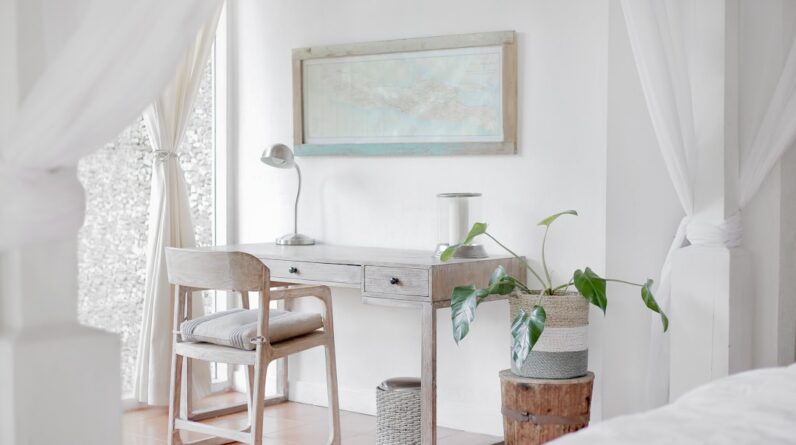
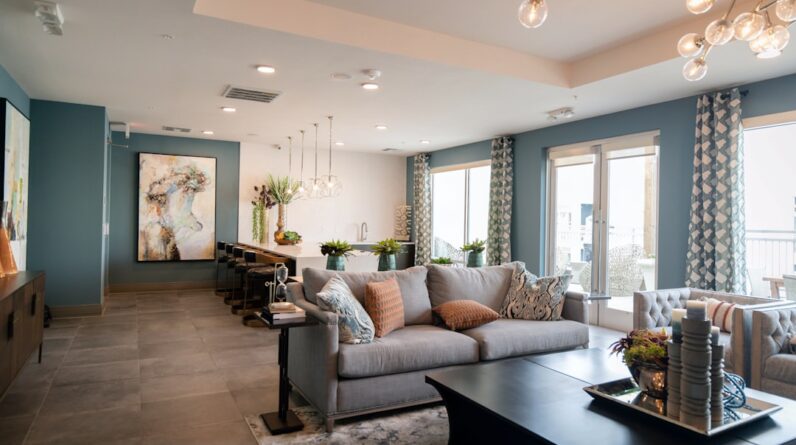
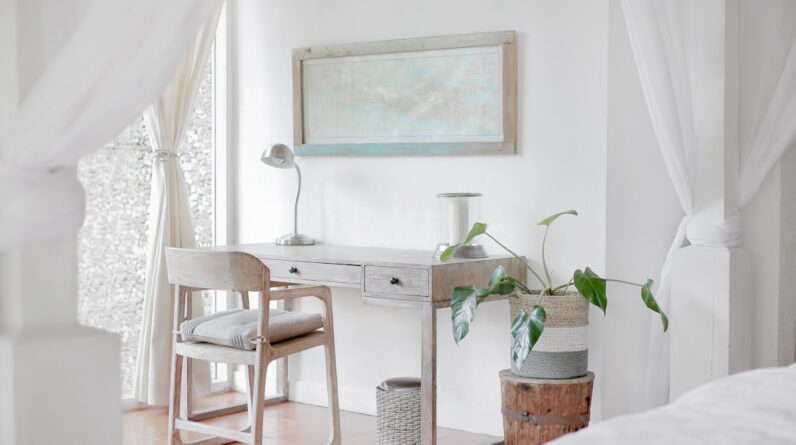
Color plays a crucial role in how we perceive space, especially in smaller areas. Utilizing light and neutral colors can create an illusion of openness and airiness in your home. You might consider painting walls in soft whites, pale grays, or light pastels to reflect natural light and make the room feel larger.
These colors not only brighten up the space but also provide a versatile backdrop for your decor. In addition to wall colors, think about incorporating light-colored furnishings and accessories. A light-colored sofa or area rug can help maintain the airy feel of the room while adding warmth and comfort.
You may also want to consider sheer curtains that allow natural light to filter through while maintaining privacy. By thoughtfully selecting colors and materials, you can create an inviting atmosphere that feels spacious and welcoming.
Incorporating Mirrors to Create the Illusion of Depth

Mirrors are a powerful tool when it comes to creating the illusion of depth in small spaces. By strategically placing mirrors throughout your home, you can reflect light and visually expand the area. You might consider hanging a large mirror on one wall to create a focal point while making the room feel more expansive.
Alternatively, smaller mirrors can be grouped together to form an eye-catching gallery wall that adds interest without overwhelming the space. In addition to their aesthetic benefits, mirrors can also enhance natural light in your home. Positioning mirrors opposite windows allows them to bounce light around the room, brightening even the darkest corners.
This not only makes your space feel larger but also creates a warm and inviting atmosphere. By incorporating mirrors thoughtfully, you can transform your small area into a bright and airy retreat.
Embracing Vertical Space with Floor-to-Ceiling Shelving and Storage
When dealing with limited floor space, embracing vertical storage solutions is essential for maximizing functionality. Floor-to-ceiling shelving units are an excellent way to utilize vertical space effectively while providing ample storage for books, decor, or even kitchen essentials. You may find that these towering shelves draw the eye upward, creating an illusion of height that makes your small area feel more expansive.
In addition to traditional shelving units, consider incorporating built-in storage solutions that blend seamlessly with your walls. Custom cabinetry or shelving can be designed to fit your specific needs while enhancing the overall aesthetic of your home. By making use of vertical space, you not only increase storage capacity but also create visual interest that elevates the design of your small space.
Incorporating Strategic Lighting to Enhance the Space
Lighting is often an overlooked aspect of small-space design, yet it plays a crucial role in enhancing functionality and ambiance. By incorporating strategic lighting solutions, you can create a warm and inviting atmosphere while making your area feel larger. Start by layering different types of lighting—ambient lighting for overall illumination, task lighting for specific activities, and accent lighting to highlight decor or architectural features.
Consider using floor lamps or table lamps in corners to draw attention upward and create a sense of height in the room. Additionally, wall sconces can free up valuable surface space while providing soft illumination that enhances the overall ambiance. By thoughtfully selecting and positioning lighting fixtures, you can transform your small space into a cozy retreat that feels both functional and stylish.
In conclusion, maximizing functionality in small spaces requires creativity and thoughtful planning. By utilizing multifunctional furniture, clever storage solutions, minimalist design principles, light colors, mirrors, vertical storage options, and strategic lighting, you can create an inviting environment that meets all your needs without feeling cramped or cluttered. Embrace these strategies to transform your small area into a stylish sanctuary where every inch counts.
FAQs
What is contemporary interior design for small spaces?
Contemporary interior design for small spaces is a style of design that focuses on creating functional and visually appealing living spaces within limited square footage. It often incorporates clean lines, minimalistic furniture, and clever storage solutions to maximize the use of space.
What are some key principles of contemporary interior design for small spaces?
Key principles of contemporary interior design for small spaces include maximizing natural light, using a neutral color palette to create a sense of openness, incorporating multi-functional furniture, and utilizing smart storage solutions to reduce clutter.
What are some popular furniture choices for contemporary interior design in small spaces?
Popular furniture choices for contemporary interior design in small spaces include modular sofas, wall-mounted desks, extendable dining tables, and ottomans with hidden storage. These pieces are designed to be versatile and space-saving.
How can I make a small space feel larger with contemporary interior design?
To make a small space feel larger with contemporary interior design, you can use mirrors to create the illusion of depth, choose furniture with exposed legs to create a sense of openness, and keep the color palette light and neutral to reflect natural light and make the space feel airy.
What are some common storage solutions used in contemporary interior design for small spaces?
Common storage solutions used in contemporary interior design for small spaces include built-in shelving, under-bed storage, wall-mounted cabinets, and multi-functional furniture such as storage ottomans and coffee tables with hidden compartments. These solutions help to maximize space and reduce clutter.