In the ever-evolving world of interior design, sustainable lighting has emerged as a pivotal element that not only enhances aesthetics but also promotes environmental responsibility. As you navigate through the complexities of modern design, you may find that the choices you make regarding lighting can significantly impact both the ambiance of a space and its ecological footprint. Sustainable lighting encompasses a range of practices and technologies aimed at reducing energy consumption, minimizing waste, and utilizing renewable resources.
This approach aligns seamlessly with the growing demand for eco-friendly solutions in various aspects of life, including home and commercial spaces. As you delve deeper into the realm of sustainable lighting, you will discover that it is not merely a trend but a necessity in contemporary design. The integration of energy-efficient fixtures, natural light optimization, and smart technology can transform spaces while fostering a commitment to sustainability.
By embracing these principles, you can create environments that are not only visually appealing but also contribute positively to the planet. This article will explore the significance of sustainable lighting in interior design, the various solutions available, and practical tips for implementation, all while highlighting the benefits and challenges associated with this essential aspect of modern design.
Key Takeaways
- Sustainable lighting in contemporary interior design focuses on using energy-efficient and environmentally friendly lighting solutions to create a more sustainable and eco-friendly living space.
- The importance of sustainable lighting in interior design lies in its ability to reduce energy consumption, lower utility costs, and minimize environmental impact, while also enhancing the overall aesthetic and functionality of the space.
- Types of sustainable lighting solutions for contemporary interior design include LED lighting, natural daylighting, solar-powered lighting, and smart lighting systems that can be controlled and automated for optimal energy efficiency.
- Benefits of using sustainable lighting in interior design include reduced energy consumption, lower utility bills, improved indoor air quality, and a healthier and more comfortable living environment for occupants.
- Tips for incorporating sustainable lighting into interior design projects include conducting a thorough energy audit, selecting energy-efficient lighting fixtures, maximizing natural daylight, and integrating smart lighting controls for optimal energy savings and user comfort.
The Importance of Sustainable Lighting in Interior Design
The Environmental Impact of Traditional Lighting
Traditional lighting methods often rely on non-renewable energy sources, contributing to environmental degradation and increased energy costs.
The Benefits of Sustainable Lighting
By opting for sustainable lighting solutions, you can significantly reduce your carbon footprint while enhancing the overall quality of your living or working environment. Moreover, sustainable lighting is not just about energy efficiency; it also encompasses the use of materials and technologies that promote health and well-being. For instance, natural light has been shown to improve mood and productivity, making it an essential component in both residential and commercial spaces.
Creating Holistic Spaces with Sustainable Lighting
By prioritizing sustainable lighting practices, you can create environments that support physical and mental well-being while also addressing pressing environmental concerns. This holistic approach to design ensures that your spaces are not only aesthetically pleasing but also contribute to a healthier planet.
Types of Sustainable Lighting Solutions for Contemporary Interior Design

As you explore the various types of sustainable lighting solutions available, you’ll find that there are numerous options to suit different design styles and preferences. One of the most popular choices is LED lighting, which has gained widespread acclaim for its energy efficiency and longevity. Unlike traditional incandescent bulbs, LEDs consume significantly less energy and have a much longer lifespan, making them an ideal choice for both residential and commercial applications.
By incorporating LED fixtures into your designs, you can achieve stunning visual effects while minimizing energy consumption. Another innovative solution is the use of solar-powered lighting. This option harnesses the power of the sun to illuminate outdoor spaces, reducing reliance on grid electricity.
Solar lights are particularly effective in gardens, patios, and walkways, where they can create enchanting atmospheres without contributing to energy bills or environmental harm. Additionally, smart lighting systems have emerged as a game-changer in sustainable design. These systems allow you to control lighting levels remotely, set schedules, and even adjust brightness based on natural light availability.
By integrating smart technology into your designs, you can optimize energy use while enhancing convenience and comfort.
Benefits of Using Sustainable Lighting in Interior Design
The benefits of incorporating sustainable lighting into your interior design projects extend far beyond mere aesthetics. One of the most significant advantages is the reduction in energy costs. By utilizing energy-efficient fixtures and smart technology, you can lower your electricity bills while still achieving the desired ambiance in your spaces.
This financial incentive is particularly appealing for businesses looking to cut operational costs without compromising on quality. In addition to cost savings, sustainable lighting contributes to a healthier living environment. Many traditional lighting options emit harmful substances and contribute to poor indoor air quality.
In contrast, sustainable solutions often utilize non-toxic materials and promote better air circulation. Furthermore, by maximizing natural light through strategic design choices, you can enhance the overall well-being of occupants. Natural light has been linked to improved mood, increased productivity, and better sleep patterns—benefits that are invaluable in both residential and commercial settings.
Tips for Incorporating Sustainable Lighting into Interior Design Projects
When it comes to incorporating sustainable lighting into your interior design projects, there are several practical tips to consider. First and foremost, assess the natural light available in your space. By understanding how sunlight enters your home or office throughout the day, you can strategically position mirrors and light-colored surfaces to reflect and amplify this natural illumination.
This not only reduces reliance on artificial lighting but also creates a warm and inviting atmosphere. Another essential tip is to choose fixtures that align with your design aesthetic while prioritizing sustainability. Look for products made from recycled or sustainably sourced materials, as these options often have a lower environmental impact.
Additionally, consider installing dimmer switches or smart controls that allow you to adjust lighting levels based on specific activities or times of day. This flexibility not only enhances comfort but also promotes energy conservation by allowing you to use only what you need.
Case Studies of Successful Sustainable Lighting in Contemporary Interior Design
Maximizing Natural Light
One notable example is the Bullitt Center in Seattle, often referred to as the “greenest commercial building in the world.” This building features an extensive array of solar panels that power its LED lighting system while maximizing natural light through strategically placed windows and skylights. The result is a workspace that not only minimizes energy consumption but also fosters a productive environment for its occupants.
Prioritizing Aesthetics and Sustainability
Another inspiring case study is the renovation of a historic home in San Francisco that embraced sustainable lighting principles while preserving its architectural integrity. The designers incorporated LED fixtures throughout the space while ensuring that they complemented the home’s vintage aesthetic. By using dimmable LED lights and strategically placed lamps, they created a warm ambiance that highlighted the home’s unique features without compromising on sustainability.
Successful Outcomes through Thoughtful Design
These examples illustrate how thoughtful design choices can lead to successful outcomes that prioritize both aesthetics and environmental responsibility.
Challenges and Limitations of Sustainable Lighting in Interior Design
While the benefits of sustainable lighting are clear, there are also challenges and limitations that you may encounter as you pursue eco-friendly design solutions. One significant hurdle is the initial cost associated with purchasing energy-efficient fixtures and smart technology systems. Although these investments often pay off in the long run through reduced energy bills, the upfront expenses can be daunting for some homeowners or businesses.
Additionally, there may be limitations regarding the availability of certain sustainable products or technologies in your area. Depending on your location, sourcing eco-friendly materials or fixtures may prove challenging, potentially hindering your ability to implement sustainable lighting solutions effectively. Furthermore, some individuals may be resistant to change or skeptical about the benefits of sustainable practices, making it essential for you to communicate the advantages clearly when working with clients or stakeholders.
Future Trends in Sustainable Lighting for Contemporary Interior Design
As you look ahead to the future of sustainable lighting in contemporary interior design, several exciting trends are emerging that promise to reshape how we illuminate our spaces. One notable trend is the increasing integration of smart technology into lighting systems. As advancements continue in automation and artificial intelligence, you can expect more sophisticated solutions that allow for seamless control over lighting conditions based on individual preferences and environmental factors.
Another trend gaining traction is biophilic design, which emphasizes a connection between indoor spaces and nature. This approach often incorporates natural materials and forms into lighting design, creating environments that promote well-being while minimizing environmental impact. As awareness of sustainability grows among consumers and designers alike, you will likely see an increased demand for innovative solutions that blend aesthetics with ecological responsibility.
In conclusion, embracing sustainable lighting in contemporary interior design is not just a choice; it is a commitment to creating spaces that are beautiful, functional, and environmentally responsible. By understanding its importance, exploring various solutions, and implementing practical strategies, you can contribute positively to both your immediate environment and the planet as a whole. As trends continue to evolve, staying informed about new technologies and practices will empower you to lead the way in creating sustainable interiors that inspire others to follow suit.
FAQs
What is contemporary interior design?
Contemporary interior design refers to the current trends and styles in interior design, which often emphasize clean lines, minimalism, and a focus on functionality and sustainability.
What are sustainable lighting solutions in contemporary interior design?
Sustainable lighting solutions in contemporary interior design refer to the use of energy-efficient lighting fixtures, such as LED lights, and the incorporation of natural light through windows and skylights to reduce energy consumption and environmental impact.
What are the benefits of sustainable lighting solutions in interior design?
Sustainable lighting solutions in interior design offer benefits such as reduced energy costs, lower environmental impact, improved indoor air quality, and a healthier and more comfortable living or working environment.
What are some examples of sustainable lighting fixtures used in contemporary interior design?
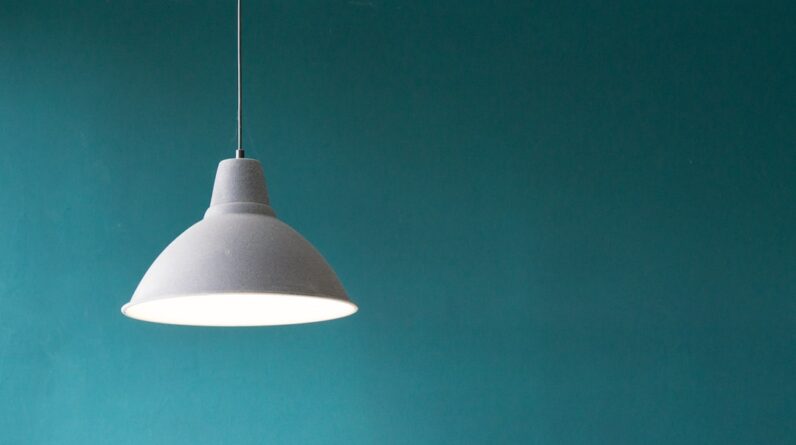
Examples of sustainable lighting fixtures used in contemporary interior design include LED pendant lights, energy-efficient recessed lighting, solar-powered outdoor lighting, and daylight harvesting systems that optimize natural light.
How can sustainable lighting solutions contribute to a more sustainable interior design overall?
Sustainable lighting solutions can contribute to a more sustainable interior design overall by reducing energy consumption, minimizing the use of non-renewable resources, and promoting a healthier and more environmentally friendly living or working space.