When you step into a space, the design elements surrounding you can evoke a range of emotions and responses. Interior design is not merely about aesthetics; it reflects cultural values, personal preferences, and even historical contexts. In the realm of interior design, two prominent styles stand out: contemporary and traditional.
Each style offers a unique approach to creating living spaces, catering to different tastes and lifestyles. Understanding these two styles can help you make informed decisions when designing or redecorating your home. Contemporary interior design is often characterized by its ever-evolving nature, embracing current trends and innovations.
It is fluid, adapting to the latest materials, technologies, and societal shifts. On the other hand, traditional interior design draws heavily from historical influences, often incorporating classic elements that have stood the test of time. By exploring the characteristics, color schemes, materials, furniture, and decor associated with both styles, you can better appreciate their distinct qualities and determine which resonates more with your personal aesthetic.
Key Takeaways
- Contemporary interior design focuses on clean lines, minimalism, and a mix of modern materials.
- Traditional interior design emphasizes classic, ornate details, and rich, warm colors.
- Contemporary design often uses neutral color palettes and materials like glass, metal, and concrete.
- Traditional design incorporates deep, rich colors and materials like wood, silk, and velvet.
- Contemporary furniture and decor often feature sleek, geometric shapes and minimal ornamentation, while traditional furniture and decor are more ornate and detailed.
Characteristics of Contemporary Interior Design
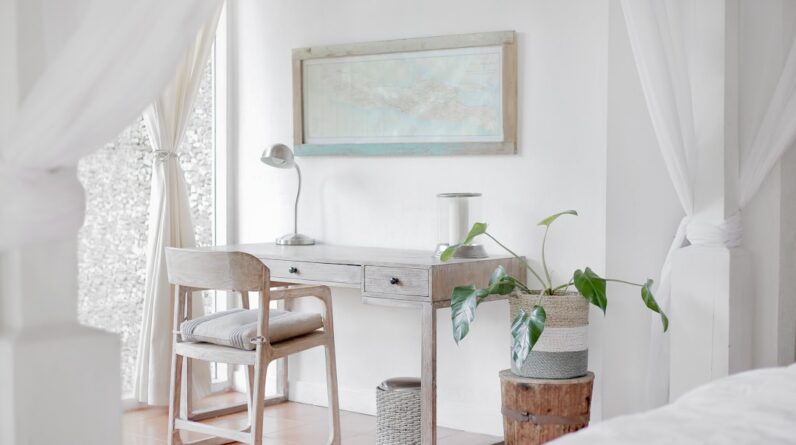
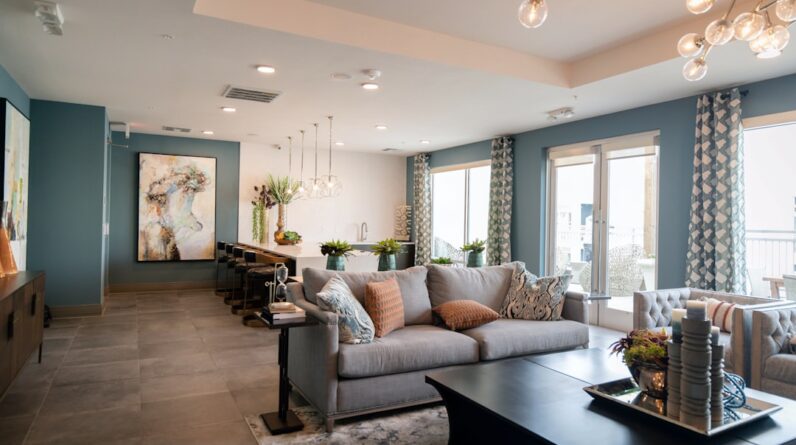
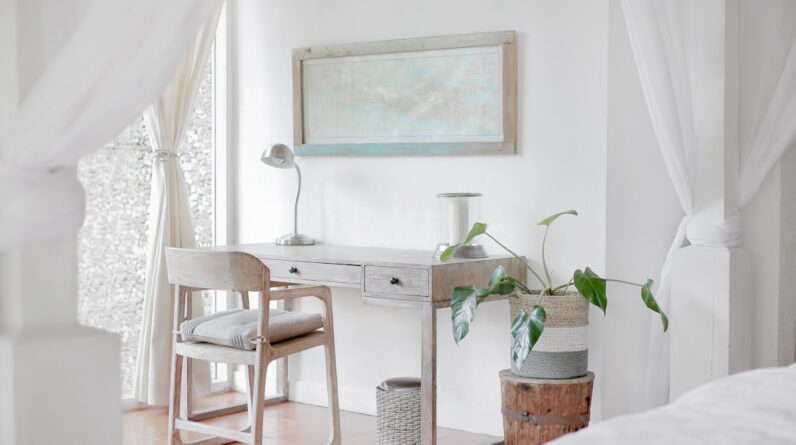
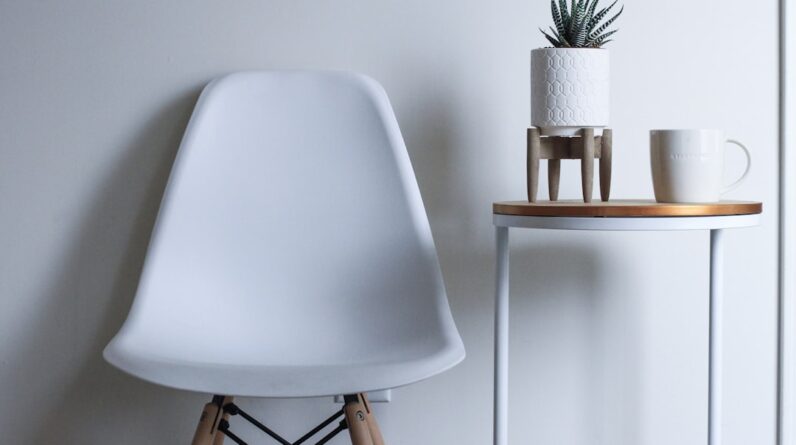
Contemporary interior design is marked by its clean lines and open spaces. When you think of contemporary design, imagine a layout that emphasizes simplicity and functionality. This style often features an open floor plan that allows for a seamless flow between rooms, creating an airy atmosphere that feels both spacious and inviting.
You may notice the absence of excessive ornamentation; instead, the focus is on the beauty of minimalism. This approach not only enhances visual appeal but also promotes a sense of calm and order in your living environment. Another defining characteristic of contemporary design is its emphasis on natural light.
Large windows and glass doors are common features, allowing sunlight to flood the space and create a warm ambiance. You might find that this connection to the outdoors is intentional, as contemporary design often seeks to blur the lines between indoor and outdoor living. Additionally, contemporary interiors frequently incorporate sustainable materials and energy-efficient technologies, reflecting a growing awareness of environmental issues.
This commitment to sustainability can resonate with you if you value eco-friendly practices in your home.
Characteristics of Traditional Interior Design
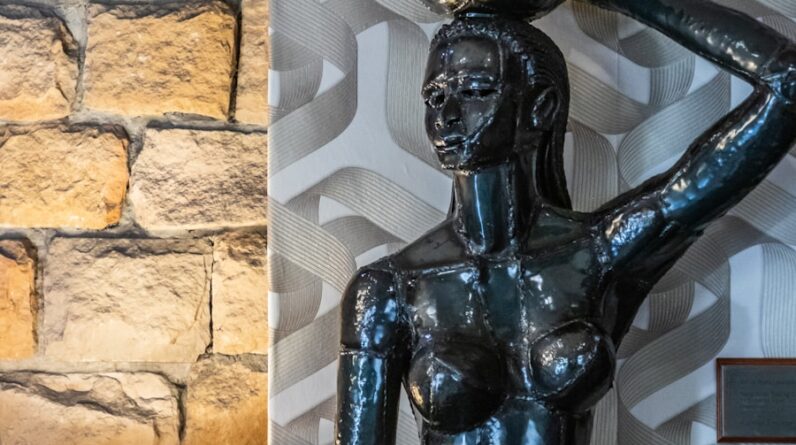
In contrast to contemporary design, traditional interior design exudes a sense of history and timelessness. When you enter a traditionally designed space, you are often greeted by rich textures, intricate details, and a warm color palette that evokes comfort and nostalgia. Traditional design draws inspiration from various historical periods, such as Victorian, Colonial, or Georgian styles.
This eclectic mix allows for a rich tapestry of elements that can make your home feel both elegant and inviting. One of the hallmarks of traditional design is its use of symmetry and balance. You may notice that furniture arrangements are often carefully planned to create a harmonious flow throughout the space.
This attention to detail extends to architectural features as well, with crown moldings, wainscoting, and decorative trims adding depth and character to the environment. Traditional interiors often prioritize craftsmanship, showcasing high-quality materials such as hardwood floors, plush fabrics, and ornate furnishings that tell a story of artistry and heritage.
Color Schemes and Materials in Contemporary Interior Design
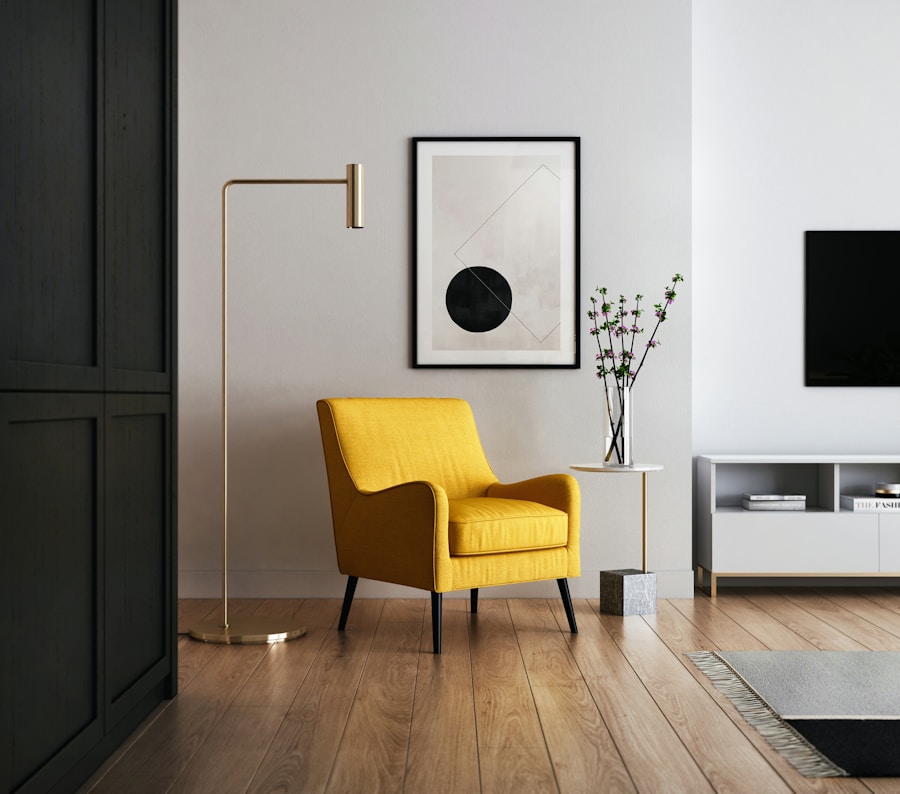
When it comes to color schemes in contemporary interior design, you will find a preference for neutral tones combined with bold accents. The palette often includes whites, grays, beiges, and blacks as foundational colors, creating a serene backdrop that allows for pops of vibrant hues through accessories or artwork. This strategic use of color can help you create focal points within your space while maintaining an overall sense of cohesion.
Materials play a crucial role in contemporary design as well. You may notice an inclination towards sleek surfaces such as glass, metal, and polished concrete. These materials not only enhance the modern aesthetic but also contribute to the functionality of the space.
For instance, glass elements can create an illusion of openness while allowing natural light to permeate throughout the area. Additionally, sustainable materials like bamboo or reclaimed wood are increasingly popular choices for those who wish to incorporate eco-friendly practices into their contemporary designs.
Color Schemes and Materials in Traditional Interior Design
In traditional interior design, color schemes tend to lean towards warm and inviting tones that evoke a sense of comfort. Rich earth tones like deep reds, browns, greens, and golds are commonly used to create a cozy atmosphere reminiscent of classic homes. You might find that these colors are often complemented by intricate patterns in wallpaper or textiles that add depth and character to the space.
The materials used in traditional design are typically luxurious and tactile. You may encounter plush fabrics such as velvet or silk in upholstery and drapery, which contribute to an overall sense of opulence. Hardwood floors are often favored for their durability and timeless appeal, while decorative elements like ornate moldings or antique furnishings add layers of history to your home.
This emphasis on quality materials not only enhances the aesthetic but also ensures that your space remains inviting for years to come.
Furniture and Decor in Contemporary Interior Design
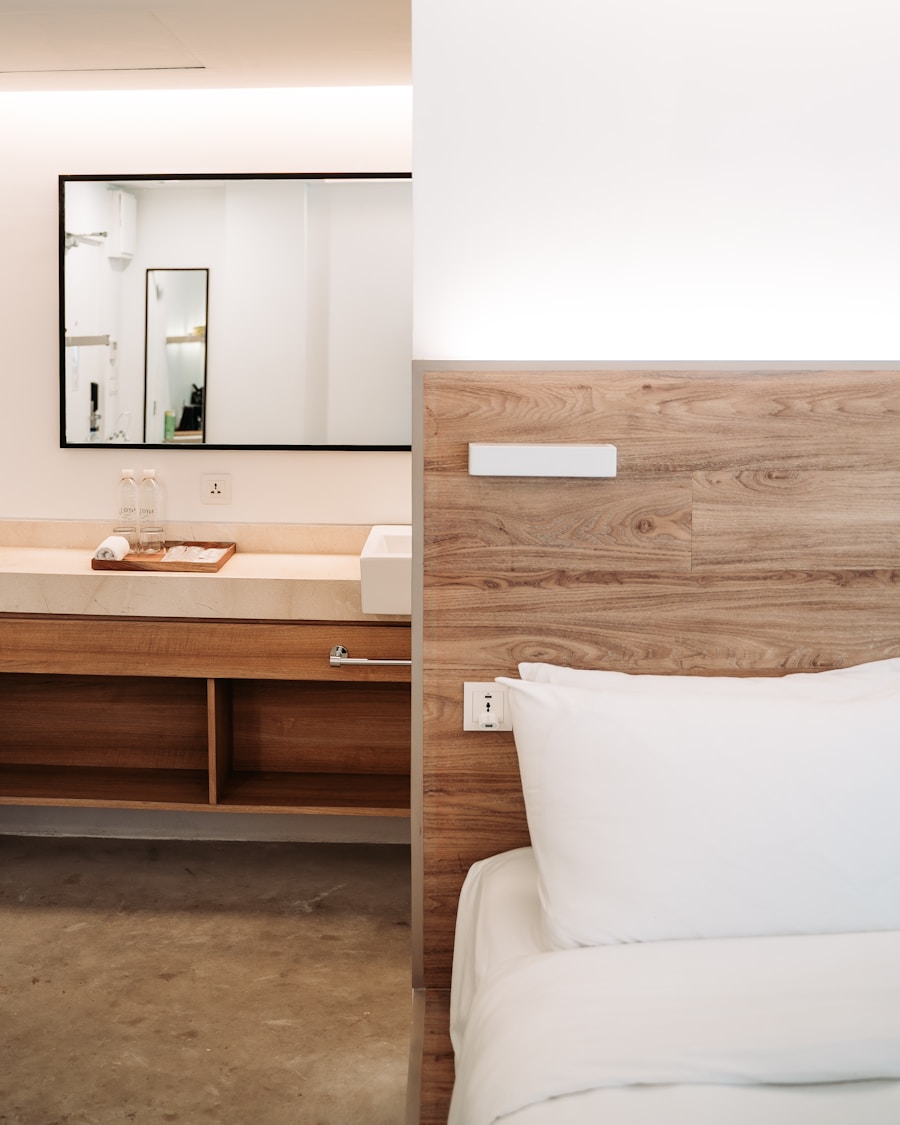
Furniture with a Focus on Comfort and Style
The decor in contemporary spaces is often kept to a minimum to maintain an uncluttered look. However, statement pieces such as oversized artwork or sculptural lighting fixtures can serve as focal points that draw the eye.
Minimal Decor with a Touch of Drama
Accessories in contemporary spaces are typically chosen for their artistic value rather than sentimental attachment. Decor items are often abstract or modern in style, contributing to the overall aesthetic without overwhelming the space. Plants are also commonly incorporated into contemporary designs as they bring a touch of nature indoors while enhancing air quality.
Artistic Accessories and Natural Touches
This blend of functionality and artistry creates an environment that feels both modern and inviting.
Furniture and Decor in Traditional Interior Design
Traditional interior design places great importance on furniture that reflects craftsmanship and timeless elegance. You may encounter pieces made from solid wood with intricate carvings or upholstery featuring classic patterns like damask or paisley. The furniture arrangement is often symmetrical, creating a sense of balance that enhances the overall harmony of the space.
You might find large dining tables surrounded by upholstered chairs or ornate sideboards that serve as both functional storage and decorative elements. Decor in traditional spaces often includes family heirlooms or antiques that tell a story about your heritage or personal history. You may choose to display framed photographs in ornate frames or showcase decorative plates on shelves as a nod to tradition.
Additionally, textiles play a significant role in traditional decor; you might find rich draperies framing windows or plush area rugs anchoring seating areas. This attention to detail creates an inviting atmosphere that feels both lived-in and sophisticated.
Pros and Cons of Contemporary and Traditional Interior Design
As you consider your options between contemporary and traditional interior design styles, it’s essential to weigh their respective pros and cons. Contemporary design offers a fresh perspective with its emphasis on minimalism and functionality. It allows for flexibility in adapting to new trends while promoting sustainability through eco-friendly materials.
However, this style may sometimes feel too stark or impersonal for those who crave warmth and character in their living spaces. On the other hand, traditional interior design provides a sense of comfort and nostalgia through its rich textures and historical references. It creates an inviting atmosphere filled with personality but may require more maintenance due to its intricate details and classic furnishings.
Ultimately, your choice will depend on your personal preferences, lifestyle needs, and how you envision your living space reflecting who you are. By understanding both styles’ characteristics, color schemes, materials, furniture choices, and decor elements, you can create a home that truly resonates with your identity while providing comfort for years to come.
FAQs
What is contemporary interior design?
Contemporary interior design refers to the current trends and styles in interior design. It often features clean lines, minimalism, and a mix of modern materials and textures.
What is traditional interior design?
Traditional interior design is inspired by classic European decor. It often features ornate details, rich colors, and a mix of antique and vintage furniture and accessories.
What are the key differences between contemporary and traditional interior design?
Contemporary interior design tends to be more minimalistic, with clean lines and a focus on open spaces, while traditional interior design features more ornate details, rich colors, and a sense of warmth and coziness.
Which style is more popular in interior design today?
Contemporary interior design is currently more popular, as it reflects the modern lifestyle and preferences for simplicity and functionality.
Can contemporary and traditional interior design be combined?
Yes, it is possible to combine contemporary and traditional interior design elements to create a unique and eclectic style. This can be achieved by mixing modern furniture with traditional accessories or vice versa.