When you step into a space, the first thing you often notice is how well the elements work together. Cohesive interior design is crucial because it creates a sense of harmony and flow within a room. This unity not only enhances the aesthetic appeal but also influences your mood and comfort level.
A well-designed space can evoke feelings of tranquility, creativity, or even productivity, depending on how the elements are arranged and coordinated. By understanding the importance of cohesive design, you can transform your living or working environment into a sanctuary that reflects your personality and lifestyle. Moreover, cohesive interior design goes beyond mere aesthetics; it also plays a significant role in functionality.
When every element in a room complements one another, it allows for a more efficient use of space. You can navigate through your home or office with ease, as each area serves its intended purpose without unnecessary distractions. This seamless integration of design elements can lead to a more enjoyable experience, whether you are entertaining guests or simply relaxing after a long day.
By prioritizing cohesion in your design choices, you set the stage for a space that is not only beautiful but also practical.
Key Takeaways
- Cohesive interior design creates a harmonious and balanced space that enhances the overall aesthetic and functionality of a room.
- Establishing a consistent color palette helps tie the different elements of a room together and creates a sense of unity.
- Incorporating consistent textures and materials throughout a space adds depth and visual interest while maintaining a cohesive look.
- Creating cohesive furniture arrangements involves arranging furniture in a way that complements the overall design and flow of the room.
- Utilizing consistent patterns and prints can help create a cohesive and visually appealing look throughout a space.
- Maintaining a consistent style throughout a room ensures that all elements work together cohesively and create a unified look.
- Paying attention to lighting and accessories is crucial in achieving cohesive interior design as they can enhance the overall ambiance and tie the design together.
- Bringing it all together: Tips for achieving cohesive interior design include paying attention to details, balancing different elements, and ensuring that everything works together seamlessly.
Establishing a Consistent Color Palette
Establishing a Consistent Color Palette
One of the most effective ways to achieve cohesion in your interior design is by establishing a consistent color palette. Colors have the power to evoke emotions and set the tone for any space. When you select a harmonious color scheme, you create a visual connection between different areas of your home or office.
Selecting a Harmonious Color Scheme
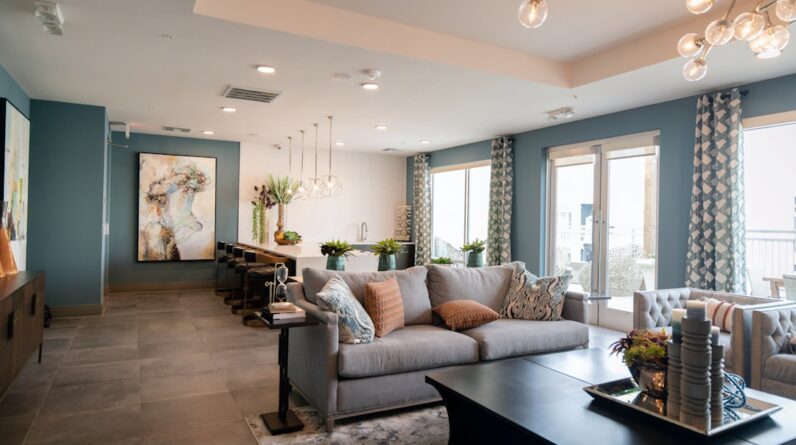
Start by choosing a primary color that resonates with you, then select complementary shades that enhance its beauty. This approach allows you to maintain a unified look while still incorporating variety. As you develop your color palette, consider the psychological effects of different hues.
The Psychological Effects of Color
For instance, soft blues and greens can create a calming atmosphere, while vibrant reds and yellows can energize a space. By thoughtfully selecting colors that align with the mood you wish to create, you can ensure that each room feels connected to the others. Additionally, using accents—such as throw pillows, artwork, or decorative items—in your chosen colors can further reinforce this cohesive theme throughout your home.
Incorporating Consistent Textures and Materials

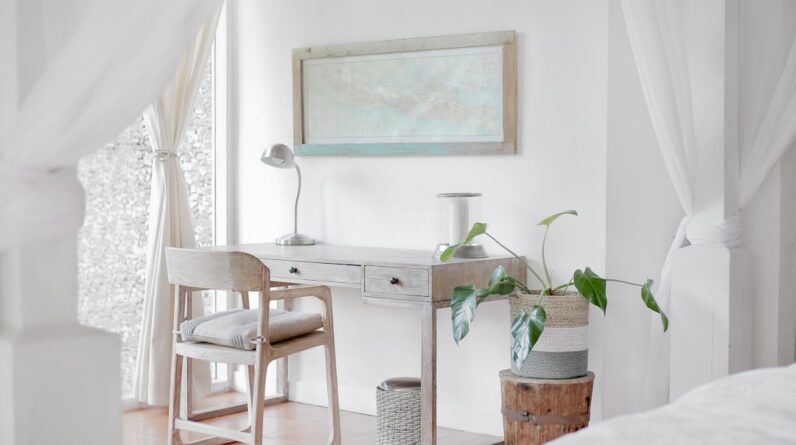
Textures and materials play a vital role in creating depth and interest within your interior design. By incorporating consistent textures across different elements, you can enhance the overall cohesiveness of your space. For example, if you choose to use natural wood finishes in your furniture, consider incorporating similar materials in your flooring or decorative accents.
This repetition creates a sense of continuity that ties the room together. In addition to wood, think about other textures that can add richness to your design. Soft fabrics like velvet or linen can bring warmth and comfort, while sleek metals or glass can introduce a modern touch.
By balancing these textures throughout your space, you create an inviting atmosphere that encourages exploration and interaction. Remember that consistency doesn’t mean monotony; rather, it allows for subtle variations that keep the design engaging while still feeling unified.
Creating Cohesive Furniture Arrangements
The arrangement of furniture is another critical aspect of achieving cohesive interior design. When you thoughtfully position your furniture, you not only enhance the functionality of the space but also contribute to its overall aesthetic appeal. Start by considering the flow of movement within the room; ensure that pathways are clear and that furniture pieces are arranged to facilitate conversation and interaction.
In addition to functionality, think about how the style and scale of your furniture contribute to cohesion. Mixing different styles can be effective if done carefully; however, it’s essential to maintain a sense of balance. For instance, if you have a modern sofa, pairing it with vintage chairs can create an interesting contrast, but be sure they share common elements—such as color or material—to maintain harmony.
Ultimately, your furniture arrangement should reflect your personal style while ensuring that each piece complements the others.
Utilizing Consistent Patterns and Prints
Patterns and prints can add character and vibrancy to your interior design, but they must be used judiciously to maintain cohesion. When selecting patterns for textiles, wallpaper, or decorative items, aim for consistency in scale and style. For example, if you choose bold geometric patterns for your curtains, consider using similar shapes in your throw pillows or area rugs to create a unified look.
It’s also important to balance patterns with solid colors to avoid overwhelming the space. A good rule of thumb is to use no more than three different patterns in a single room; this keeps the design visually appealing without becoming chaotic. By thoughtfully incorporating patterns that resonate with your established color palette and overall theme, you can create an engaging environment that feels both cohesive and dynamic.
Maintaining a Consistent Style Throughout
Defining Your Personal Style
Your interior design should reflect a consistent style that resonates with your personal taste and lifestyle. Whether you prefer modern minimalism, rustic charm, or eclectic bohemian vibes, maintaining this style throughout your space is essential for cohesion. Start by defining your preferred aesthetic and then curate each element—furniture, decor, and accessories—to align with this vision.
Telling a Story Through Design
As you select items for your home or office, consider how they contribute to the overall narrative of your space. For instance, if you lean towards a coastal theme, incorporate elements like driftwood accents or nautical-inspired decor throughout different rooms. This consistency not only enhances visual appeal but also creates a sense of storytelling within your environment.
Cultivating an Intentional Atmosphere
By ensuring that every piece aligns with your chosen style, you cultivate an atmosphere that feels intentional and thoughtfully designed. This attention to detail will result in a space that truly reflects your personality and style.
Paying Attention to Lighting and Accessories
Lighting is often an overlooked aspect of interior design, yet it plays a crucial role in achieving cohesion within your space. The right lighting can enhance colors, highlight textures, and create ambiance. Consider using a combination of ambient, task, and accent lighting to achieve a well-rounded illumination scheme that complements your design choices.
In addition to lighting, accessories are key players in tying together various elements within your interior design. From artwork to decorative objects, these items should reflect your established color palette and style while adding personality to the space. When selecting accessories, think about how they interact with other elements in the room; for example, choose frames that match the wood tones of your furniture or vases that echo the colors in your textiles.
By paying attention to these details, you can elevate the overall cohesiveness of your design.
Bringing it All Together: Tips for Achieving Cohesive Interior Design
Achieving cohesive interior design requires careful planning and consideration of various elements within your space. Start by creating a mood board that captures your desired color palette, textures, patterns, and styles. This visual reference will serve as a guide as you make decisions about furniture and decor.
As you curate each element for your space, remember to keep functionality in mind alongside aesthetics. Consider how each piece will be used and how it contributes to the overall flow of the room. Don’t hesitate to experiment with different arrangements or combinations until you find what feels right for you.
Finally, trust your instincts and allow your personality to shine through in your design choices. Cohesion doesn’t mean sacrificing individuality; rather, it’s about creating an environment that feels authentic to who you are. By following these tips and remaining mindful of consistency across all aspects of your interior design, you can create a harmonious space that truly reflects your unique style and enhances your everyday life.
FAQs
What is cohesive interior design?
Cohesive interior design refers to the practice of creating a harmonious and consistent look throughout a space by using similar color schemes, patterns, and design elements.
Why is cohesive interior design important?
Cohesive interior design helps create a sense of unity and flow within a space, making it feel more visually appealing and comfortable. It also helps tie different areas of the home together for a more cohesive overall look.
What are some tips for achieving cohesive interior design throughout the home?
Some tips for achieving cohesive interior design include sticking to a consistent color palette, using similar design styles and patterns, incorporating repeated elements throughout the space, and maintaining a sense of balance and proportion.
How can I maintain consistency in interior design while still adding variety?
To maintain consistency while adding variety, consider using different textures, materials, and accents within the same color palette or design style. This can add visual interest without sacrificing cohesion.
What are some common mistakes to avoid when trying to achieve cohesive interior design?
Common mistakes to avoid include using too many conflicting design styles, neglecting the importance of scale and proportion, and failing to consider the flow between different areas of the home. It’s also important to avoid over-cluttering the space with too many unrelated elements.