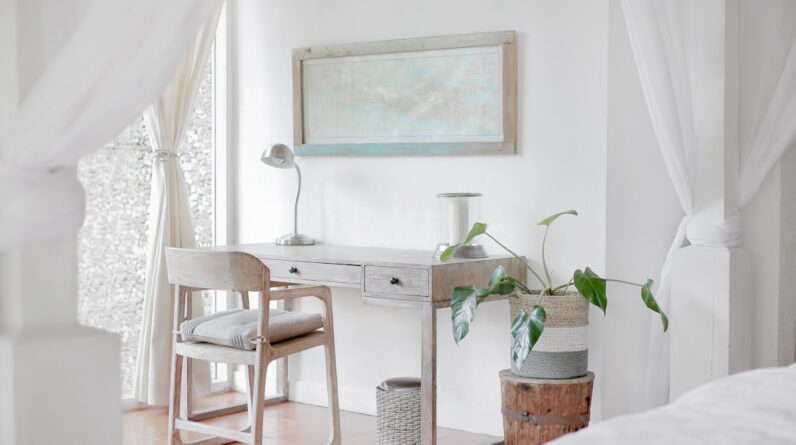
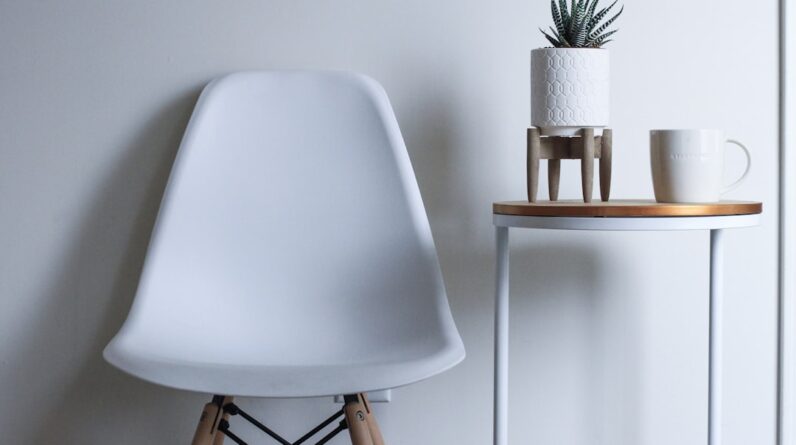
Interior design is an intricate art form that transcends mere aesthetics; it is a harmonious blend of functionality, comfort, and style. At its core, interior design seeks to create spaces that not only look appealing but also enhance the quality of life for those who inhabit them. This discipline encompasses a wide array of elements, including architecture, furniture, color, lighting, and even the psychological impact of space on human behavior.
As society evolves, so too does the field of interior design, adapting to new trends, technologies, and cultural shifts. The modern interior designer must possess a keen understanding of these dynamics, as well as a creative vision that can transform ordinary spaces into extraordinary environments. The importance of interior design extends beyond the visual appeal of a space; it plays a crucial role in shaping our experiences and interactions within our surroundings.
A well-designed interior can evoke emotions, inspire creativity, and foster a sense of well-being. Whether it’s a cozy living room that invites relaxation or a vibrant office that stimulates productivity, the right design choices can significantly influence how we feel and function in our daily lives. As we delve deeper into the various aspects of interior design, it becomes evident that each element is interconnected, contributing to the overall atmosphere and purpose of a space.
Understanding these relationships is essential for anyone looking to create a home or workspace that is both stylish and functional.
Key Takeaways
- Interior design is the art and science of enhancing the interior of a space to achieve a healthier and more aesthetically pleasing environment.
- Choosing the right color scheme is crucial in setting the mood and atmosphere of a room, and can greatly impact the overall design.
- Furniture and layout planning are essential in creating a functional and visually appealing space that suits the needs and lifestyle of the occupants.
- Lighting and accessories play a key role in enhancing the ambiance and functionality of a room, and should be carefully considered in the design process.
- Incorporating storage solutions is important for maintaining a clutter-free and organized space, and can be achieved through creative and stylish design elements.
Choosing the Right Color Scheme
The Power of Color in Interior Design
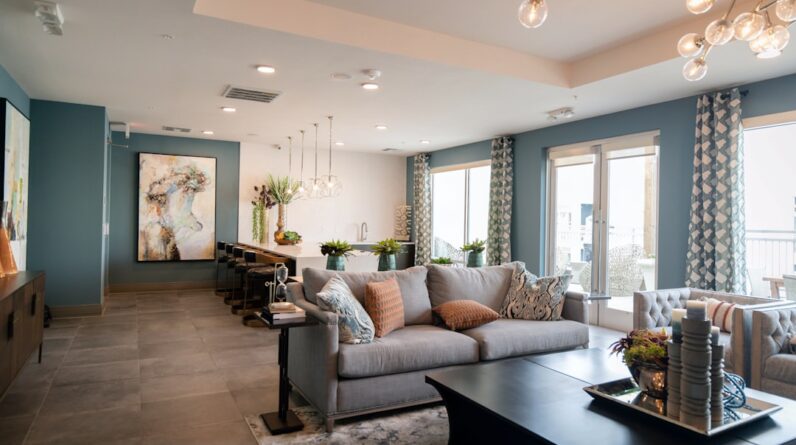
Selecting an appropriate color scheme is one of the most critical decisions in the interior design process. Colors have the power to influence mood and perception, making them a vital tool for designers aiming to create specific atmospheres within a space. For instance, warm colors like reds and oranges can evoke feelings of warmth and energy, while cooler tones such as blues and greens tend to promote calmness and tranquility.
Choosing a Color Palette
When choosing a color palette, it is essential to consider not only personal preferences but also the intended use of the space. A vibrant kitchen may benefit from lively hues that stimulate appetite and conversation, while a serene bedroom might call for softer shades that encourage relaxation and restfulness. Moreover, the interplay between colors can dramatically alter the perception of space.
Color Techniques and Principles
Lighter colors can make a room feel more expansive and airy, while darker shades can create an intimate and cozy atmosphere. Designers often employ techniques such as color blocking or accent walls to add depth and interest to a room without overwhelming it. Additionally, understanding the principles of color theory—such as complementary and analogous colors—can help in creating a cohesive look that flows seamlessly throughout the home.
Setting the Tone with Color
Ultimately, the right color scheme serves as the foundation upon which all other design elements are built, setting the tone for the entire environment.
Furniture and Layout Planning
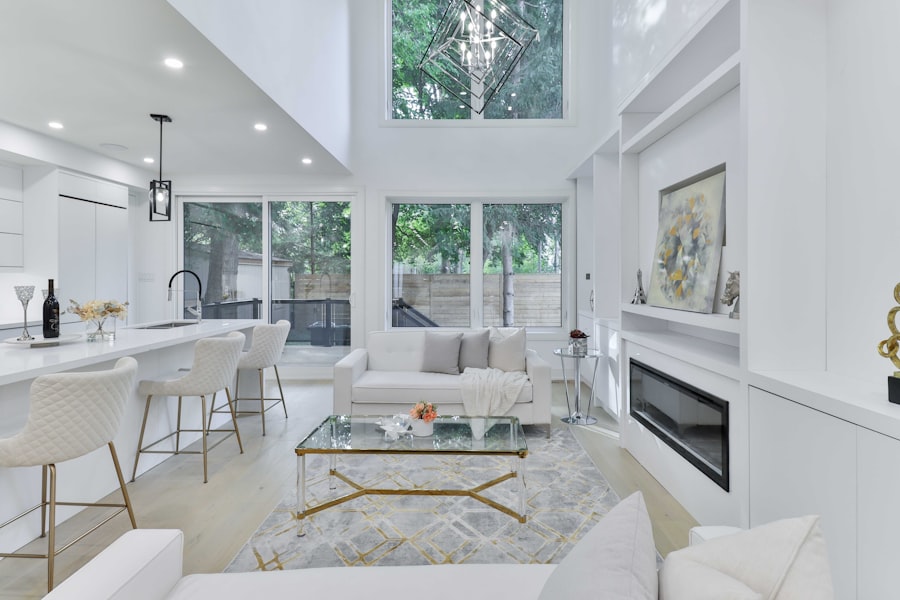
Once the color scheme is established, attention turns to furniture selection and layout planning. The choice of furniture is not merely about aesthetics; it also involves considering functionality and comfort. Each piece should serve a purpose while contributing to the overall design narrative of the space.
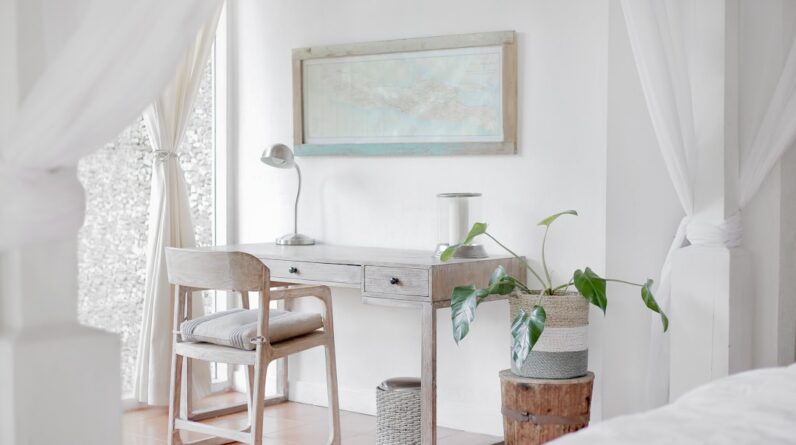
For example, in a living room designed for social gatherings, ample seating options such as sofas, armchairs, and ottomans are essential. Conversely, in a home office, ergonomic chairs and desks that promote productivity become paramount. The key lies in striking a balance between style and practicality, ensuring that each item enhances both the visual appeal and usability of the space.
Layout planning is equally crucial in achieving an effective interior design. The arrangement of furniture can significantly impact how people interact within a room. Designers often utilize principles such as flow and focal points to guide their layout decisions.
Creating clear pathways for movement while ensuring that conversation areas are inviting can enhance the overall experience of the space. Additionally, considering scale and proportion is vital; oversized furniture in a small room can feel cramped, while tiny pieces in a large area may seem lost. Thoughtful layout planning not only maximizes functionality but also creates an inviting atmosphere that encourages engagement and comfort.
Lighting and Accessories
| Product | Units Sold | Revenue |
|---|---|---|
| LED Bulbs | 500 | 2000 |
| Chandeliers | 100 | 5000 |
| Desk Lamps | 300 | 1500 |
Lighting is often referred to as the unsung hero of interior design; it has the remarkable ability to transform a space from mundane to magical. The right lighting can highlight architectural features, create ambiance, and even influence mood. Designers typically employ a layered approach to lighting, incorporating ambient, task, and accent lighting to achieve a well-rounded illumination scheme.
Ambient lighting provides general illumination for everyday activities, while task lighting focuses on specific areas where activities such as reading or cooking take place. Accent lighting serves to draw attention to artwork or architectural details, adding depth and interest to the overall design. In addition to lighting, accessories play a pivotal role in completing an interior design scheme.
These elements—ranging from decorative pillows and rugs to artwork and plants—add personality and character to a space. Accessories allow homeowners to express their individual style while also providing opportunities for seasonal updates or changes in trends without requiring a complete redesign. When selecting accessories, it’s essential to consider scale, color, and texture to ensure they complement the existing design rather than overwhelm it.
Thoughtfully chosen accessories can elevate a room from simply functional to truly inspiring.
Incorporating Storage Solutions
In today’s fast-paced world, effective storage solutions are more important than ever in interior design. As our lives become increasingly cluttered with belongings, finding ways to maintain an organized and tidy environment is essential for both aesthetics and mental clarity. Designers often prioritize multifunctional furniture—such as ottomans with hidden storage or beds with built-in drawers—to maximize space efficiency without sacrificing style.
These innovative solutions allow homeowners to keep their living areas free from clutter while still enjoying beautiful furnishings. Moreover, creative storage solutions can be seamlessly integrated into the overall design scheme. Built-in shelving units or cabinetry can provide ample storage while serving as decorative elements that enhance the room’s character.
Utilizing vertical space through wall-mounted shelves or hooks can also help keep items organized without taking up valuable floor space. By thoughtfully incorporating storage solutions into their designs, homeowners can create environments that are not only visually appealing but also practical and conducive to everyday living.
Adding Personal Touches
Infusing Personal Touches into Interior Design
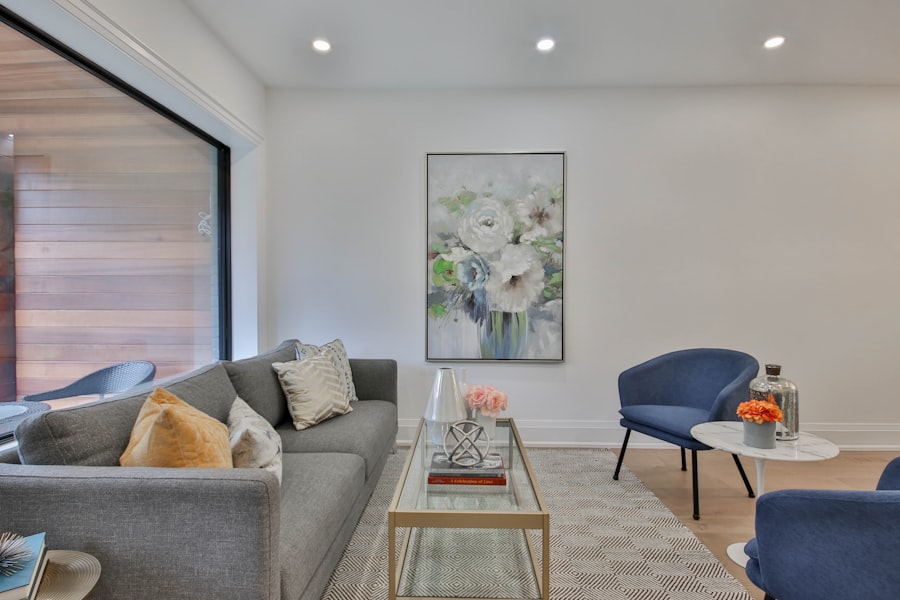
One of the most rewarding aspects of interior design is the opportunity to infuse personal touches into a space. These unique elements reflect individual tastes, experiences, and memories, transforming a house into a home. Personalization can take many forms—family photographs displayed in stylish frames, travel souvenirs arranged on shelves, or heirloom pieces incorporated into modern designs—all contribute to creating an environment that tells a story about its inhabitants.
Curating Personal Items to Create Identity-Driven Spaces
By curating these personal items thoughtfully, homeowners can create spaces that resonate with their identity. In addition to sentimental items, incorporating hobbies or interests into the design can further enhance personalization. For instance, an avid reader might create a cozy reading nook complete with bookshelves filled with favorite titles and comfortable seating.
Personalized Elements that Foster a Sense of Belonging
An art enthusiast could dedicate wall space for showcasing their collection or even create an art studio within their home. These personalized elements not only add character but also foster a sense of belonging within the space. Ultimately, adding personal touches elevates interior design from mere decoration to an authentic expression of self.
The Power of Personalization in Interior Design
By incorporating personal touches, homeowners can transform their living spaces into unique reflections of themselves. This approach to interior design not only creates a sense of belonging but also makes a house feel like a true home.
Maintaining a Stylish and Functional Home
Creating a stylish and functional home is an ongoing journey rather than a one-time project. As lifestyles change and evolve over time, so too should our living spaces adapt to meet new needs and preferences. Regular maintenance is essential in preserving both aesthetics and functionality; this includes routine cleaning, updating accessories seasonally, or even re-evaluating furniture arrangements as family dynamics shift.
By staying attuned to these changes, homeowners can ensure their spaces remain inviting and relevant. Moreover, embracing flexibility in design allows for continual growth within one’s home environment. This might involve investing in timeless pieces that withstand changing trends or being open to experimenting with new styles through smaller updates like paint or decor changes.
A stylish home should not only reflect current tastes but also accommodate future aspirations and needs. By maintaining this balance between style and functionality over time, homeowners can cultivate spaces that are not only beautiful but also serve as nurturing sanctuaries for years to come.
FAQs
What is interior design?
Interior design is the art and science of enhancing the interior of a space to achieve a healthier and more aesthetically pleasing environment for the people using the space. It involves planning, researching, coordinating, and managing various elements to create a functional and beautiful space.
What are some key elements of interior design?
Some key elements of interior design include space planning, color, furniture, lighting, and accessories. These elements are carefully considered and combined to create a cohesive and visually appealing space.
What are some popular interior design styles?
Some popular interior design styles include modern, contemporary, traditional, industrial, and minimalist. Each style has its own unique characteristics and can be tailored to suit individual preferences and needs.
What are some important considerations in interior design?
Important considerations in interior design include functionality, aesthetics, budget, and the needs and preferences of the people using the space. It is important to create a space that not only looks good but also serves its intended purpose.
What are some current trends in interior design?
Some current trends in interior design include sustainable and eco-friendly materials, biophilic design (incorporating nature into the built environment), and the use of bold colors and patterns. Additionally, there is a growing emphasis on creating multi-functional and adaptable spaces to accommodate changing needs.