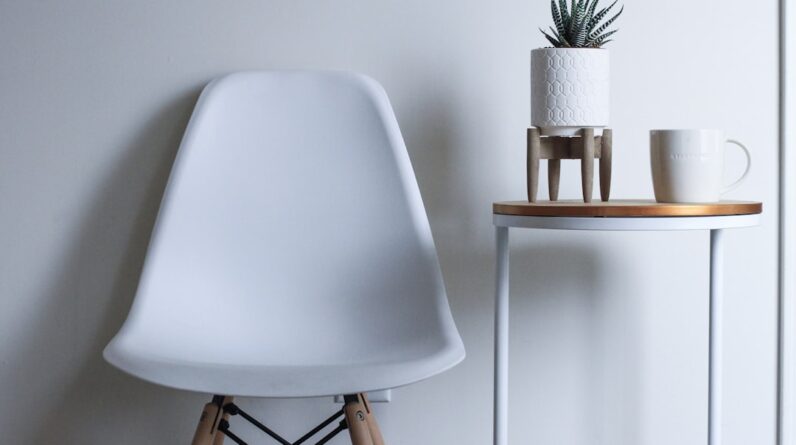
Scandinavian interior design is a style that has gained immense popularity over the years, characterized by its simplicity, functionality, and connection to nature. Originating from the Nordic countries—Denmark, Norway, Sweden, Finland, and Iceland—this design philosophy emphasizes minimalism and a clean aesthetic. The essence of Scandinavian design lies in its ability to create spaces that are not only visually appealing but also practical and comfortable.
The focus is on creating a harmonious environment that promotes well-being and tranquility, often achieved through the use of light colors, natural materials, and uncluttered spaces. This design approach reflects the cultural values of the region, where the harsh climate has historically influenced the need for warm, inviting interiors that foster a sense of community and togetherness. At its core, Scandinavian design is about embracing simplicity while ensuring that every element serves a purpose.
This philosophy extends beyond mere aesthetics; it is about creating a lifestyle that prioritizes functionality without sacrificing beauty. The use of open spaces is a hallmark of this style, allowing for fluid movement and interaction within a home. Additionally, Scandinavian design often incorporates elements of hygge—a Danish concept that embodies coziness and comfort—encouraging individuals to create spaces that feel warm and inviting.
By understanding these foundational principles, one can begin to appreciate the depth and richness of Scandinavian interior design, paving the way for a home that is both stylish and deeply personal.
Key Takeaways
- Scandinavian interior design focuses on simplicity, functionality, and minimalism
- A neutral color palette with pops of muted tones is key to achieving a Scandinavian look
- Minimalist furniture with clean lines and simple designs is essential for a Scandinavian interior
- Natural light is maximized through large windows and organic materials like wood and stone are used throughout the space
- Cozy textiles such as wool, fur, and knit blankets add warmth and texture to a Scandinavian interior
Choosing the Right Color Palette for a Scandinavian Interior
Characteristics of a Scandinavian Color Palette
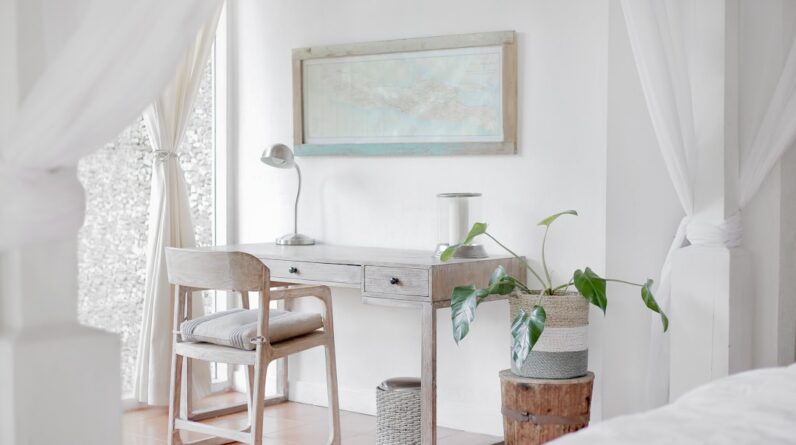
When it comes to selecting a color palette for a Scandinavian interior, the emphasis is typically on light, neutral tones that evoke a sense of calm and serenity. Whites, soft grays, and muted pastels dominate the landscape, creating an airy atmosphere that reflects the natural light so often sought after in Nordic homes. These colors not only enhance the feeling of spaciousness but also serve as a perfect backdrop for bolder accents or natural textures.
Creating a Serene Sanctuary
The strategic use of color can transform a room into a serene sanctuary, allowing for personal expression while maintaining the understated elegance characteristic of Scandinavian design. In addition to neutrals, incorporating earthy tones can further enrich the color scheme. Shades of beige, taupe, and soft greens can bring warmth to a space while still adhering to the minimalist ethos.
Striking a Balance with Accent Colors
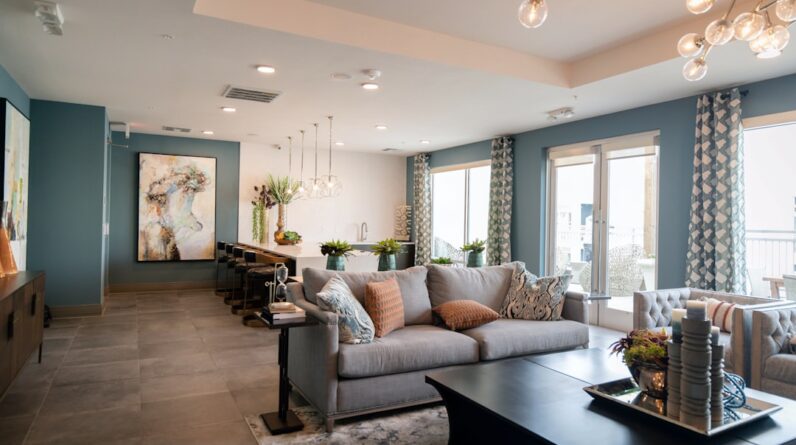
The key is to strike a balance between light and dark elements, ensuring that the overall aesthetic remains cohesive and inviting. Accent colors can be introduced through decor items such as cushions, artwork, or decorative vases, providing opportunities for personal flair without overwhelming the senses.
Creating a Harmonious Environment
Ultimately, the goal is to create a harmonious environment that feels both tranquil and invigorating, allowing inhabitants to thrive in their surroundings.
Incorporating Minimalist Furniture and Decor
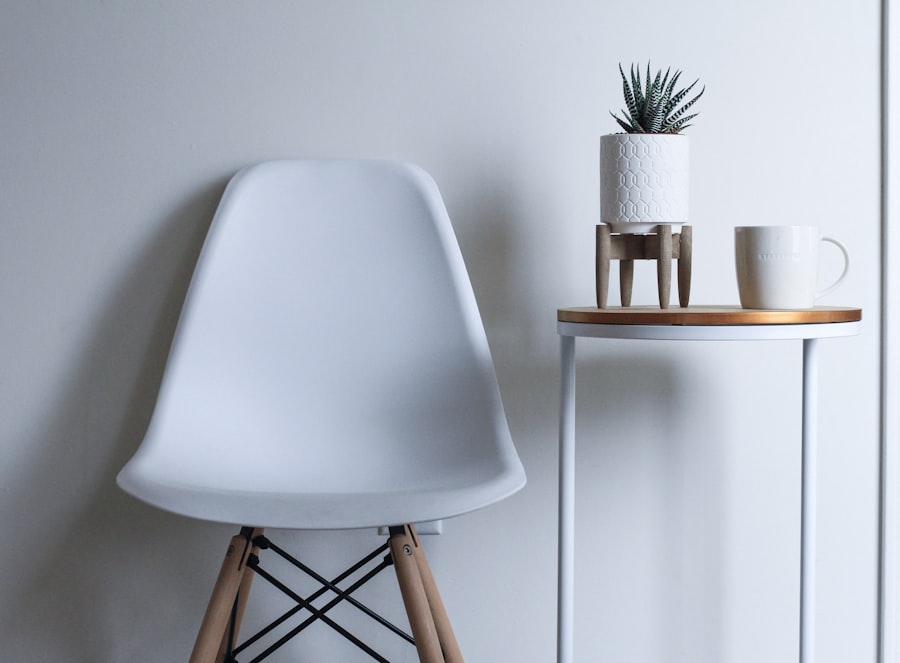
Minimalist furniture is a cornerstone of Scandinavian interior design, emphasizing clean lines and functional forms. The furniture pieces are often crafted from natural materials such as wood, leather, and metal, reflecting the region’s rich craftsmanship traditions. Each item is thoughtfully designed to serve multiple purposes, embodying the principle of “less is more.” For instance, a sleek coffee table may double as storage space, while modular seating arrangements can adapt to various social settings.
This approach not only maximizes functionality but also contributes to an uncluttered aesthetic that is essential in Scandinavian homes. Moreover, the selection of decor should align with the minimalist philosophy by focusing on quality over quantity. Instead of overcrowding surfaces with knick-knacks or excessive ornamentation, Scandinavian design encourages the use of statement pieces that evoke emotion or tell a story.
A single piece of art or a carefully chosen sculpture can serve as a focal point in a room, drawing attention without overwhelming the senses. By embracing this minimalist approach to furniture and decor, one can create an environment that feels both sophisticated and inviting—an ideal reflection of Scandinavian values.
Utilizing Natural Light and Organic Materials
| Metrics | Results |
|---|---|
| Energy Savings | 30% reduction in energy consumption |
| Employee Productivity | Increased by 15% |
| Customer Satisfaction | Improved by 20% |
| Indoor Air Quality | Enhanced with natural ventilation |
Natural light plays a pivotal role in Scandinavian interior design, as it enhances the overall ambiance and creates an uplifting atmosphere. Given the long winters experienced in Nordic countries, maximizing daylight becomes essential for maintaining a sense of well-being. Large windows are often incorporated into designs to allow sunlight to flood in, while sheer curtains or blinds can be used to soften harsh rays without obstructing views.
The strategic placement of mirrors can also amplify light within a space, creating an illusion of depth and openness. By prioritizing natural light, Scandinavian interiors foster an environment that feels alive and connected to the outside world. In tandem with natural light, organic materials are integral to achieving an authentic Scandinavian aesthetic.
Wood is perhaps the most prominent material used in this design style, celebrated for its warmth and versatility. From hardwood floors to exposed beams and furniture pieces, wood brings an element of nature indoors while adding texture and character to spaces. Additionally, incorporating stone, wool, and linen can further enhance the organic feel of a home.
These materials not only contribute to a cozy atmosphere but also align with sustainable practices—an increasingly important consideration in modern design. By embracing both natural light and organic materials, one can create a harmonious living space that resonates with the beauty of nature.
Adding Cozy Textiles and Layers
Textiles play an essential role in Scandinavian interior design by adding warmth and comfort to otherwise minimalist spaces. The use of soft fabrics such as wool, cotton, and linen can transform a stark room into an inviting haven. Layering textiles—through throws on sofas or cushions on chairs—creates visual interest while enhancing tactile comfort.
This practice aligns with the concept of hygge, which emphasizes coziness and contentment in everyday life. By thoughtfully selecting textiles that complement the overall color palette and design scheme, one can cultivate an atmosphere that feels both stylish and welcoming. Moreover, incorporating various textures through rugs, curtains, and upholstery can add depth to a space without compromising its minimalist integrity.
A plush area rug can anchor a room while providing warmth underfoot; similarly, textured throws can invite relaxation on chilly evenings. The key is to strike a balance between different materials—mixing smooth surfaces with soft fabrics—to create an engaging sensory experience. By embracing cozy textiles and layers within Scandinavian interiors, one can achieve a harmonious blend of comfort and sophistication that invites occupants to unwind and enjoy their surroundings.
Embracing Functional and Practical Design Elements
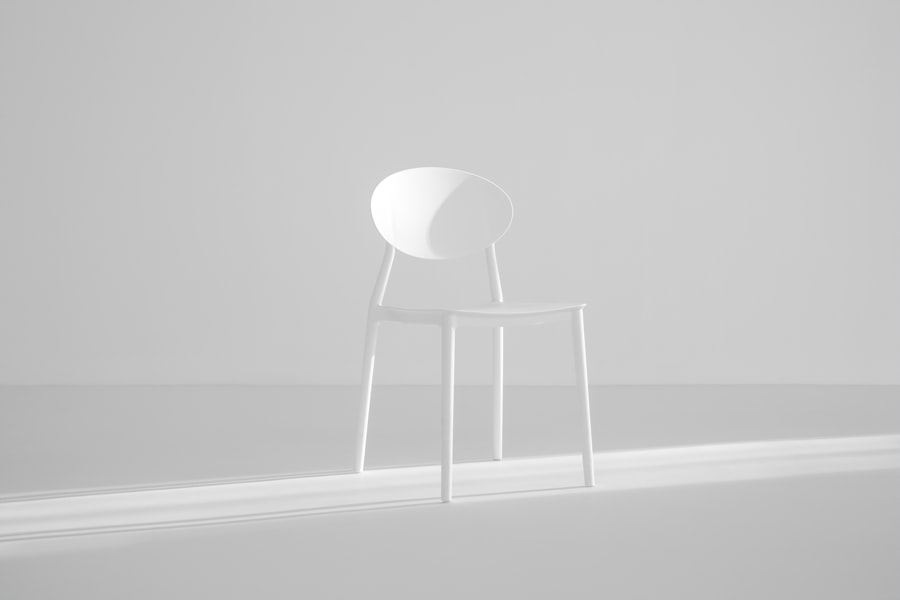
Practical Storage Solutions
Built-in storage solutions are commonly employed to minimize clutter while maximizing space efficiency. Custom cabinetry and multi-functional furniture pieces, such as ottomans with hidden compartments, allow for seamless organization without sacrificing style.
Flexible Layouts for Changing Needs
Scandinavian design often incorporates flexible layouts that adapt to changing needs over time. Open floor plans encourage social interaction while providing versatility for different activities, whether it’s entertaining guests or enjoying quiet family moments.
Adaptable Lighting for Various Moods
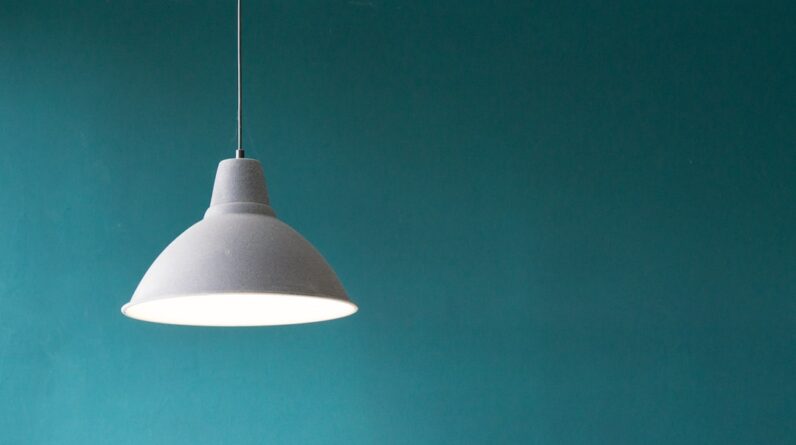
This adaptability extends beyond spatial considerations to encompass lighting solutions that cater to various moods throughout the day. By embracing functional and practical design elements within their homes, individuals can create environments that not only reflect their personal style but also enhance their quality of life.
Incorporating Greenery and Nature-inspired Decor
The integration of greenery into Scandinavian interiors serves as a vital connection to nature—a fundamental aspect of this design philosophy. Houseplants not only purify the air but also bring life and vibrancy into spaces that might otherwise feel sterile or overly minimalist. Popular choices include low-maintenance plants such as succulents or snake plants that thrive in various lighting conditions while requiring minimal care.
Strategically placing these plants throughout the home can create focal points that draw attention while promoting relaxation and well-being. In addition to live plants, nature-inspired decor elements can further enhance the organic feel of Scandinavian interiors. Artwork depicting landscapes or botanical themes can evoke feelings of tranquility while reinforcing the connection to nature.
Natural materials such as stone or driftwood can be incorporated into decorative accents or furniture pieces to create visual interest without overwhelming the senses. By thoughtfully incorporating greenery and nature-inspired decor into their homes, individuals can cultivate an environment that feels both refreshing and grounded—an ideal reflection of Scandinavian values centered around harmony with nature.
FAQs
What is Scandinavian interior design?
Scandinavian interior design is a minimalist and functional style that originated in the Nordic countries of Denmark, Norway, Sweden, and Finland. It is characterized by simplicity, clean lines, natural materials, and a neutral color palette.
What are the key elements of Scandinavian interior design?
Key elements of Scandinavian interior design include light and airy spaces, natural light, functional furniture, clean lines, a neutral color palette with pops of muted colors, natural materials such as wood and leather, and a focus on simplicity and minimalism.
How can I incorporate Scandinavian interior design into my home?
To incorporate Scandinavian interior design into your home, focus on decluttering and creating a clean, minimalist space. Use light colors, natural materials, and functional furniture. Add in elements of nature, such as plants and natural textures, and prioritize natural light.
What are some popular Scandinavian interior design brands?
Some popular Scandinavian interior design brands include IKEA, HAY, Muuto, Ferm Living, and Marimekko. These brands are known for their minimalist and functional designs, as well as their use of natural materials and neutral color palettes.