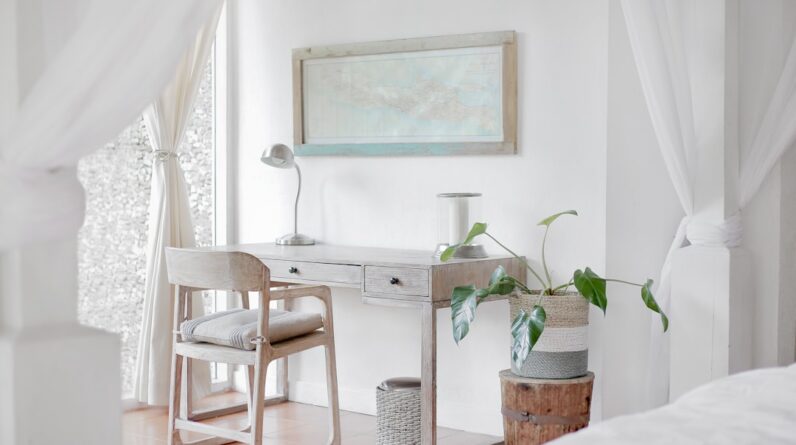
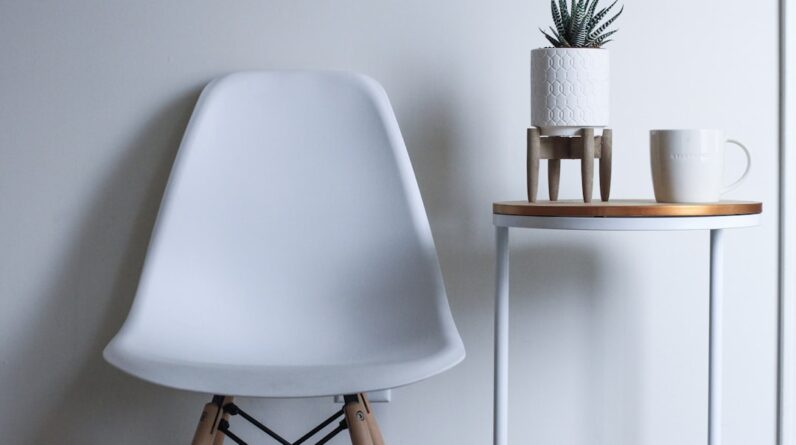
Timeless design transcends fleeting trends and fads, embodying a sense of permanence that resonates across generations. It is characterized by its ability to remain relevant and appealing, regardless of the ever-changing landscape of fashion and style. At its core, timeless design is about creating spaces that evoke a sense of comfort and familiarity while also showcasing an aesthetic that is both elegant and functional.
This approach often draws inspiration from historical styles, yet it adapts these influences to meet contemporary needs, resulting in a harmonious blend of the old and the new. The beauty of timeless design lies in its simplicity; it often favors clean lines, balanced proportions, and a thoughtful arrangement of elements that work together to create a cohesive whole. Moreover, understanding timeless design involves recognizing the emotional connection that spaces can foster.
A well-designed room can evoke memories, inspire creativity, and provide solace, making it essential to consider how each element contributes to the overall atmosphere. This emotional resonance is often achieved through the careful selection of materials, textures, and colors that not only enhance the visual appeal but also create a tactile experience. By prioritizing functionality alongside aesthetics, timeless design encourages a lifestyle that values quality over quantity, promoting sustainability and longevity in both the objects we choose and the spaces we inhabit.
Ultimately, embracing timeless design means committing to a philosophy that celebrates enduring beauty and thoughtful craftsmanship.
Key Takeaways
- Timeless design is about creating a space that transcends trends and fads, focusing on enduring style and quality.
- Classic and versatile furniture pieces are essential for timeless design, as they can easily adapt to different styles and trends.
- Neutral color schemes provide a timeless backdrop for any space, allowing for easy updates and versatility.
- Vintage and antique elements add character and history to a space, creating a sense of timelessness and nostalgia.
- Quality and craftsmanship are key components of timeless design, as they ensure longevity and enduring beauty in a space.
- Balancing tradition and modernity is important in timeless design, creating a harmonious blend of old and new elements.
- Paying attention to details, such as hardware, finishes, and textiles, is crucial for achieving a timeless and polished look in a space.
Choosing Classic and Versatile Furniture
Timeless Elegance and Versatility
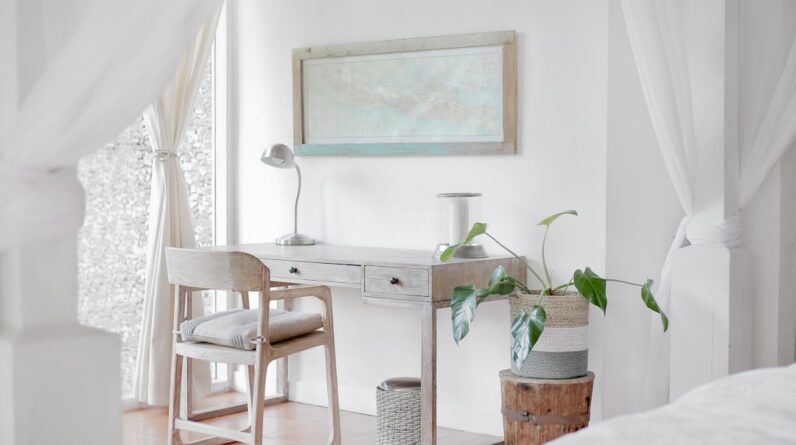
For instance, a well-crafted wooden dining table can serve as the centerpiece of a traditional dining room while also fitting perfectly in a modern loft. The key is to choose pieces that are not only aesthetically pleasing but also functional and adaptable to different settings. By investing in classic furniture, homeowners can create a foundation for their interior spaces that can evolve over time without losing its charm.
Quality and Durability
In addition to versatility, classic furniture often boasts a level of craftsmanship that speaks to its quality and durability. Pieces made from solid wood or high-quality upholstery materials tend to age gracefully, developing character over time rather than succumbing to wear and tear. This longevity not only makes them a wise investment but also contributes to a more sustainable approach to home decor.
Curating Spaces with Character
By opting for timeless furniture designs—such as mid-century modern chairs or traditional chests of drawers—individuals can curate spaces that reflect their personal style while remaining grounded in a sense of history. Ultimately, choosing classic and versatile furniture is about creating an environment that feels both inviting and sophisticated, allowing for personal expression without sacrificing elegance.
Incorporating Neutral Color Schemes

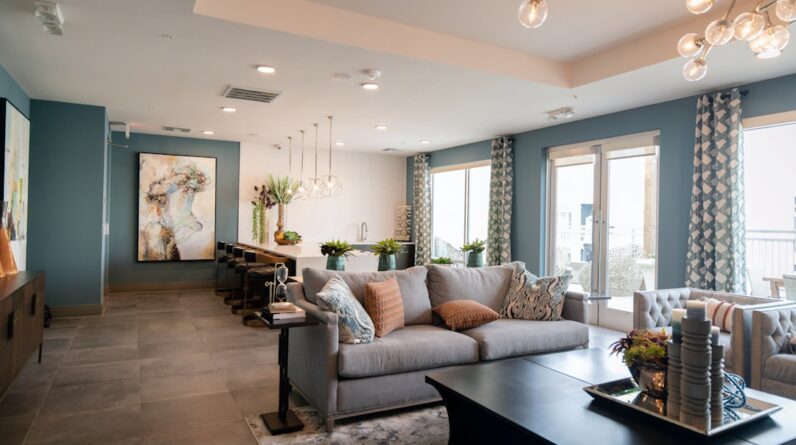
Neutral color schemes are a hallmark of timeless design, providing a serene backdrop that allows other elements within a space to shine. Shades such as beige, gray, taupe, and soft whites create an atmosphere of calmness and sophistication, making them ideal for any room in the home. These colors possess an inherent versatility that enables them to complement a wide range of styles—from rustic farmhouse to sleek contemporary—while also allowing for easy updates through the addition of colorful accessories or artwork.
By establishing a neutral palette as the foundation of a space, homeowners can create an environment that feels both cohesive and inviting. Furthermore, incorporating neutral color schemes can enhance the perception of space and light within a room. Lighter shades tend to reflect natural light, making areas feel more open and airy, while darker neutrals can add depth and warmth when used thoughtfully.
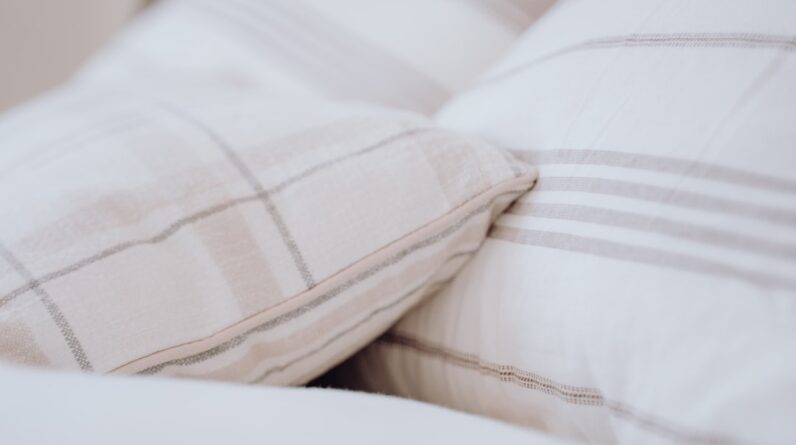
This balance is crucial in achieving a timeless aesthetic that feels both comfortable and sophisticated. Additionally, neutral colors provide an excellent canvas for layering textures and patterns, allowing for visual interest without overwhelming the senses. By thoughtfully combining various materials—such as linen drapes, wool rugs, or leather accents—homeowners can create rich, tactile experiences that elevate their interiors while maintaining an overall sense of harmony.
Adding Vintage and Antique Elements
| Category | Metrics |
|---|---|
| Customer Engagement | Increased time spent on website |
| Conversion Rate | Higher percentage of visitors making a purchase |
| Brand Image | Enhanced perception of authenticity and history |
| Market Reach | Attracting vintage and antique enthusiasts |
Incorporating vintage and antique elements into modern interiors is an effective way to infuse character and history into a space. These pieces often carry stories from the past, adding depth and intrigue that new items simply cannot replicate. Whether it’s an ornate mirror from the Victorian era or a rustic farmhouse table with weathered charm, vintage items serve as conversation starters while also grounding contemporary designs in a sense of tradition.
The juxtaposition of old and new creates visual interest and complexity within a room, allowing for personal expression that reflects individual tastes and experiences. Moreover, vintage and antique elements contribute to sustainability by promoting the reuse of materials rather than relying solely on mass-produced items. In an age where environmental consciousness is increasingly important, choosing pre-loved pieces not only reduces waste but also supports local artisans and businesses that specialize in restoration and resale.
This practice encourages a more mindful approach to decorating—one that values uniqueness over uniformity. By thoughtfully integrating vintage finds into their homes, individuals can cultivate spaces that feel curated rather than contrived, celebrating the beauty of imperfection while honoring the craftsmanship of bygone eras.
Embracing Quality and Craftsmanship
At the heart of timeless design lies an unwavering commitment to quality and craftsmanship. Investing in well-made pieces ensures that they will endure both in terms of physical durability and aesthetic appeal. High-quality materials—such as solid wood, natural fibers, and premium metals—are essential for creating furniture and decor that withstands the rigors of daily life while maintaining their beauty over time.
This focus on quality not only enhances the longevity of items but also elevates the overall experience within a space; well-crafted pieces often possess an inherent beauty that resonates with those who encounter them. Craftsmanship is equally important in achieving a timeless aesthetic. Artisans who take pride in their work often imbue their creations with unique details that reflect their skill and dedication.
From hand-stitched upholstery to intricately carved woodwork, these elements add layers of richness to interiors that mass-produced items simply cannot replicate. By prioritizing quality and craftsmanship in their selections, homeowners can curate spaces that feel authentic and thoughtfully designed. This approach fosters an appreciation for artistry while encouraging individuals to invest in fewer but more meaningful pieces—ultimately leading to environments that are both beautiful and enduring.
Balancing Tradition and Modernity

Embracing Contrasting Styles
For instance, pairing a traditional wingback chair with a sleek glass coffee table creates an engaging contrast that highlights the strengths of both styles. This thoughtful juxtaposition encourages creativity in design while ensuring that spaces remain grounded in a sense of history.
Considering the Interplay of Elements
Moreover, balancing tradition with modernity involves being mindful of how different elements interact within a space. It’s important to consider scale, proportion, and color when combining various styles to ensure harmony throughout the design.
Celebrating Diverse Influences
For example, incorporating modern art into a room filled with antique furniture can breathe new life into traditional pieces while also providing visual interest. This approach not only celebrates the beauty of diverse influences but also allows for personal expression through curated collections that reflect individual tastes. Ultimately, achieving this balance fosters an environment where past and present coexist beautifully, creating spaces that feel both timeless and fresh.
Paying Attention to Details
In the realm of timeless design, attention to detail is paramount; it is often the small elements that elevate a space from ordinary to extraordinary. Thoughtful choices—such as selecting unique hardware for cabinetry or incorporating decorative molding—can significantly enhance the overall aesthetic while adding layers of sophistication. These details serve as finishing touches that tie together various aspects of a room, creating a cohesive narrative that resonates with those who inhabit it.
By focusing on these finer points, homeowners can cultivate environments that feel meticulously curated rather than hastily assembled. Furthermore, paying attention to details extends beyond mere aesthetics; it encompasses functionality as well. Consideration for how elements interact within a space can lead to improved usability and comfort.
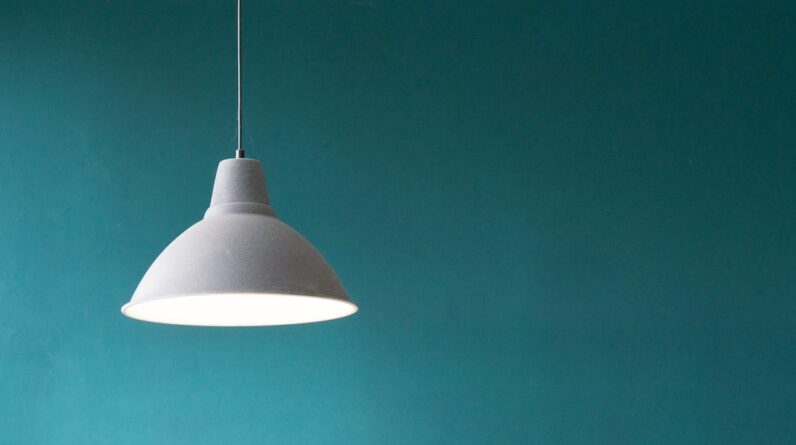
For instance, strategically placed lighting fixtures can enhance ambiance while also serving practical purposes such as task lighting or accentuating artwork. Similarly, incorporating thoughtful storage solutions ensures that spaces remain organized without sacrificing style. By prioritizing both form and function through careful attention to detail, individuals can create interiors that are not only visually appealing but also livable—ultimately embodying the essence of timeless design in every aspect of their homes.
FAQs
What is room interior design?
Room interior design is the art and science of enhancing the interior of a room to achieve a healthier and more aesthetically pleasing environment for the people using the space. It involves the selection and arrangement of furniture, color schemes, lighting, and other decorative elements.
What are the key elements of room interior design?
Key elements of room interior design include furniture selection and arrangement, color schemes, lighting, textiles, and decorative accessories. These elements work together to create a cohesive and visually appealing space.
What are some popular room interior design styles?
Some popular room interior design styles include modern, contemporary, traditional, minimalist, industrial, and Scandinavian. Each style has its own unique characteristics and aesthetic preferences.
How can I improve the interior design of my room?
To improve the interior design of your room, you can start by decluttering and organizing the space, selecting a cohesive color scheme, investing in quality furniture and lighting, and adding personal touches with decorative accessories and artwork. It’s also important to consider the functionality and flow of the room.
What are some common mistakes to avoid in room interior design?
Common mistakes to avoid in room interior design include overcrowding the space with too much furniture, neglecting proper lighting, choosing an overly trendy color scheme, and ignoring the importance of functionality and comfort. It’s also important to avoid mismatched furniture and cluttered decor.