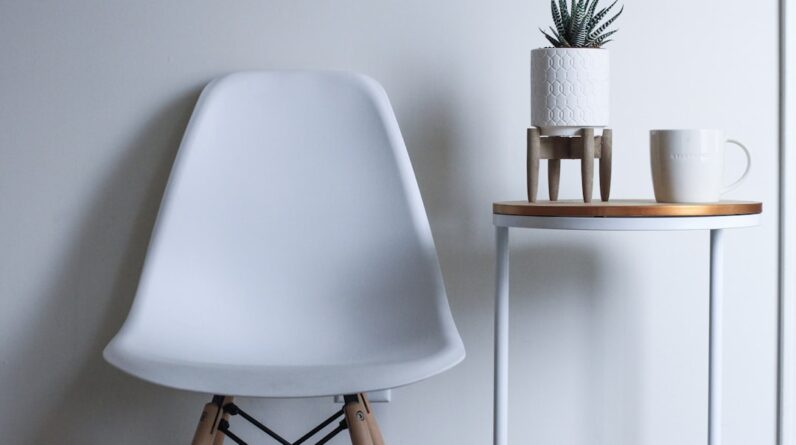
Interior design is not merely about arranging furniture or selecting paint colors; it is a profound expression of personal identity and lifestyle. The spaces we inhabit significantly influence our mood, productivity, and overall well-being. A well-designed interior can evoke feelings of comfort and tranquility, while a poorly designed space may lead to stress and discomfort.
The importance of interior design extends beyond aesthetics; it encompasses functionality, safety, and the psychological impact of our surroundings. A thoughtfully curated environment can enhance our daily experiences, making mundane tasks feel more enjoyable and fostering a sense of belonging within our homes. Moreover, interior design plays a crucial role in maximizing the potential of a space.
It involves understanding the unique characteristics of a room and utilizing them to create an environment that meets the needs of its inhabitants. This can include optimizing natural light, improving acoustics, or ensuring that the layout facilitates easy movement. In commercial settings, effective interior design can influence customer behavior and employee productivity, making it an essential consideration for businesses.
Ultimately, the importance of interior design lies in its ability to transform spaces into functional, beautiful, and harmonious environments that reflect the values and aspirations of those who inhabit them.
Key Takeaways
- Interior design plays a crucial role in creating a comfortable and aesthetically pleasing living environment.
- Understanding the basics of interior design, such as balance, harmony, and scale, is essential for creating a cohesive and visually appealing space.
- Choosing the right color palette can significantly impact the mood and atmosphere of a room, so it’s important to consider the psychological effects of different colors.
- Incorporating functional and stylish furniture is key to creating a space that is both practical and visually appealing.
- Adding personal touches and decorative elements can help to reflect your personality and make your space feel more inviting and unique.
Understanding the Basics of Interior Design
Understanding the Fundamentals of Interior Design
Interior design is about creating a cohesive and harmonious environment that balances aesthetics with functionality. At its core, this involves understanding key elements such as space, line, form, light, color, texture, and pattern. Each of these components plays a vital role in shaping the overall atmosphere of a room.
Key Elements in Shaping the Atmosphere
For instance, the use of lines can guide the eye and create a sense of movement, while the careful selection of colors can evoke specific emotions and set the mood for a space. By mastering these basics, individuals can begin to craft interiors that resonate with their personal style and meet their practical needs.
Scale, Proportion, and Furniture Arrangement
Understanding the basics of interior design also requires an appreciation for scale and proportion. These concepts are essential in ensuring that furniture and decor fit harmoniously within a space. Oversized furniture in a small room can create a sense of claustrophobia, while tiny accents in a vast area may feel lost and insignificant. Furthermore, the arrangement of furniture should facilitate conversation and flow, allowing for easy navigation throughout the space.
Choosing the Right Color Palette for Your Home
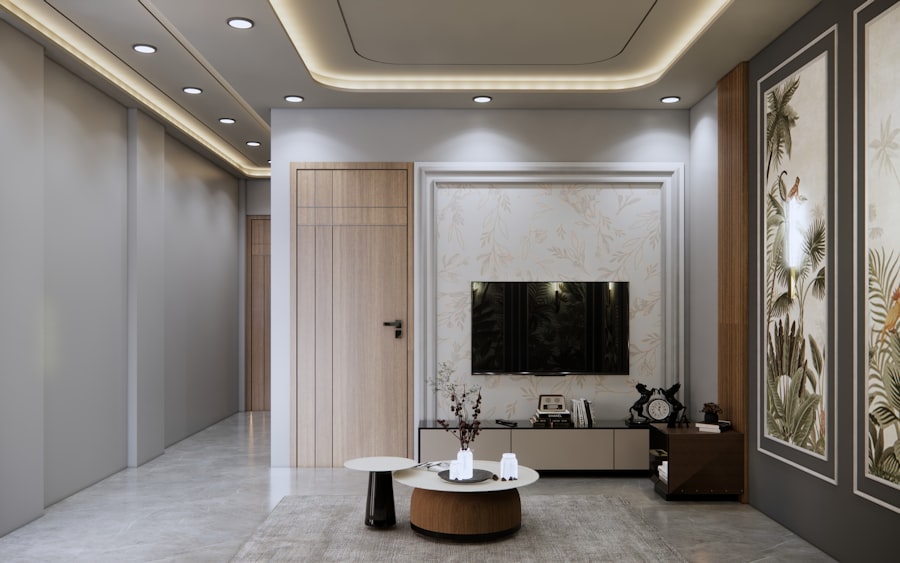
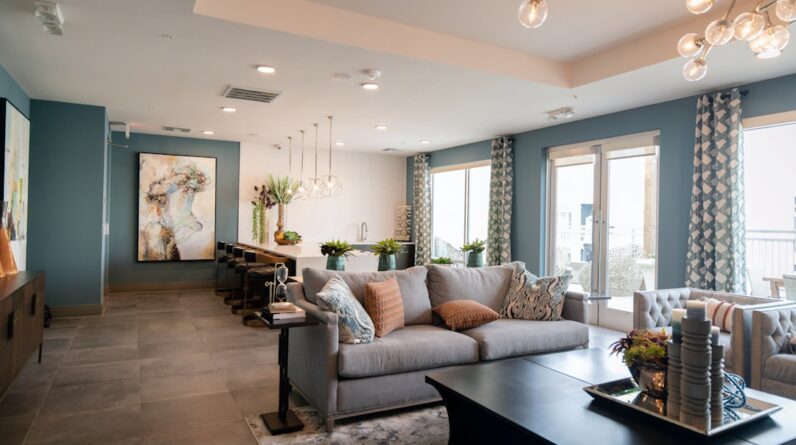
The color palette of a home is one of the most impactful aspects of interior design, as it sets the tone for each room and influences the overall ambiance. When selecting colors, it is essential to consider not only personal preferences but also the psychological effects that different hues can evoke. For example, warm colors like reds and oranges can create an inviting atmosphere, while cool colors such as blues and greens tend to promote calmness and relaxation.
Additionally, neutral tones provide a versatile backdrop that allows for flexibility in decor choices. By thoughtfully curating a color palette that aligns with the desired mood of each space, homeowners can create environments that resonate with their lifestyle. Incorporating color into a home goes beyond simply painting walls; it involves considering how various shades interact with one another and with existing furnishings.
A well-balanced color scheme often includes a mix of primary colors, secondary colors, and neutrals to create depth and interest. Accent colors can be introduced through accessories such as cushions, artwork, or decorative items to add personality without overwhelming the space. Furthermore, understanding how natural light affects color perception throughout the day is crucial in making informed decisions about paint choices and decor.
By taking these factors into account, individuals can achieve a harmonious color palette that enhances their home’s aesthetic appeal.
Incorporating Functional and Stylish Furniture
| Category | Metrics |
|---|---|
| Functionality | Number of storage compartments |
| Stylishness | Customer satisfaction rating |
| Practicality | Space-saving design features |
| Durability | Warranty period |
Furniture selection is a pivotal aspect of interior design that marries functionality with style. The right pieces not only serve practical purposes but also contribute to the overall aesthetic of a room. When choosing furniture, it is essential to consider both comfort and durability alongside visual appeal.
For instance, a beautifully designed sofa may catch the eye, but if it lacks comfort or is made from subpar materials, it will ultimately detract from the living experience. Therefore, investing in high-quality furniture that balances form and function is key to creating an inviting and practical home environment. Moreover, furniture arrangement plays a significant role in enhancing both functionality and style within a space.
Thoughtful placement can create distinct areas for various activities—such as lounging, dining, or working—while also promoting social interaction among occupants. For example, arranging seating in a circular formation encourages conversation and connection among guests. Additionally, multi-functional furniture pieces—such as ottomans with storage or extendable dining tables—can maximize space without sacrificing style.
By carefully selecting and arranging furniture, homeowners can create interiors that are not only visually appealing but also tailored to their specific needs.
Adding Personal Touches and Decorative Elements
Personalization is what transforms a house into a home; it reflects the unique tastes and experiences of its inhabitants. Incorporating personal touches through decorative elements allows individuals to infuse their personality into their living spaces. This can be achieved through various means—such as displaying cherished photographs, showcasing travel souvenirs, or incorporating artwork that resonates with one’s identity.
These elements not only add character to a room but also serve as conversation starters and reminders of meaningful moments in life. In addition to personal artifacts, decorative elements such as textiles, rugs, and plants can enhance the overall aesthetic while providing warmth and comfort. Layering different textures through cushions or throws creates visual interest and invites tactile engagement.
Similarly, incorporating greenery through houseplants not only purifies the air but also brings life into a space. The key is to strike a balance between personal expression and cohesive design; too many disparate elements can lead to visual clutter. By thoughtfully curating decorative items that resonate with their personal story while maintaining harmony within the overall design scheme, individuals can create spaces that feel authentically theirs.
Maximizing Space and Creating Flow
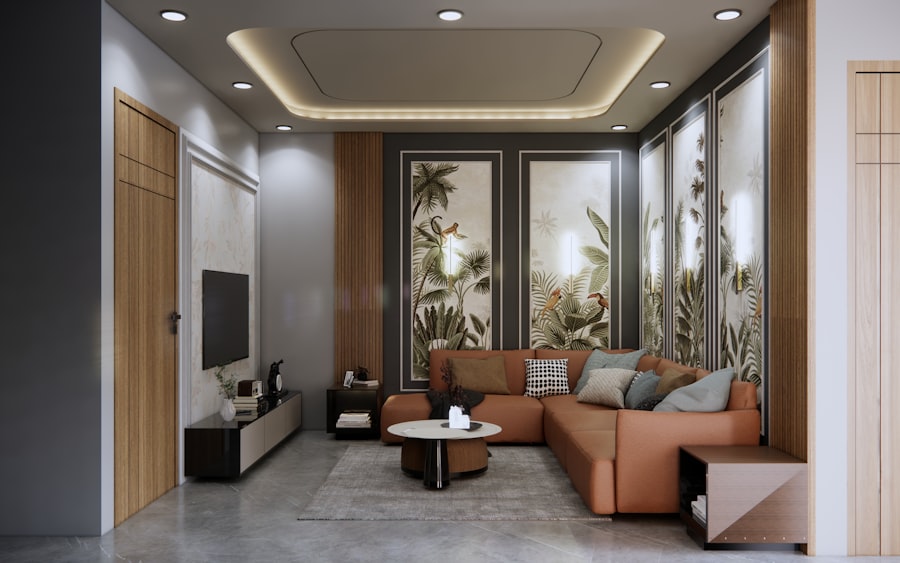
Optimizing Storage Solutions
This can be achieved through clever storage solutions, such as built-in shelves or under-bed storage, that keep clutter at bay while allowing for easy access to belongings.
Selecting the Right Furniture
Additionally, choosing furniture with slim profiles or multi-functional capabilities can help maintain an uncluttered appearance without sacrificing comfort or style.
Creating Flow and Movement
Creating flow within a space is equally important; it refers to how easily one moves from one area to another without obstruction or confusion. A well-designed layout should facilitate natural movement patterns while encouraging interaction among occupants. This can be accomplished by ensuring clear pathways between furniture arrangements and avoiding excessive barriers that disrupt sightlines. Open-concept designs are particularly effective in promoting flow by merging different functional areas into one cohesive space. By prioritizing both maximization of space and fluidity in movement, homeowners can cultivate environments that feel spacious and inviting.
Bringing the Outdoors In: Incorporating Natural Elements
The integration of natural elements into interior design has gained significant popularity in recent years as people seek to create serene environments that foster well-being. Incorporating elements such as wood, stone, plants, and natural light not only enhances aesthetic appeal but also promotes a sense of tranquility within the home. Natural materials bring warmth and texture to interiors while connecting inhabitants with nature—a concept often referred to as biophilic design.
For instance, wooden furniture or stone accents can evoke feelings of grounding and stability while adding visual interest. Furthermore, introducing greenery through houseplants or indoor gardens has been shown to improve air quality and boost mood levels among occupants. Plants not only serve as beautiful decor but also create a calming atmosphere reminiscent of outdoor spaces.
Large windows or glass doors that invite natural light into a home further enhance this connection with nature by blurring the lines between indoor and outdoor environments. By thoughtfully incorporating natural elements into their interiors, individuals can cultivate spaces that promote relaxation, rejuvenation, and an overall sense of harmony with the world around them.
FAQs
What is interior designing of homes?
Interior designing of homes is the art and science of enhancing the interior of a residential space to achieve a healthier and more aesthetically pleasing environment for the people using the space.
What does an interior designer do?
An interior designer is a professional who plans, researches, coordinates, and manages interior design projects. They work to create functional and aesthetically pleasing interior spaces.
What are the key elements of interior designing of homes?
Key elements of interior designing of homes include space planning, color schemes, furniture selection, lighting, and decorative elements such as artwork and accessories.
Why is interior designing of homes important?
Interior designing of homes is important as it can significantly impact the overall feel and functionality of a living space. A well-designed interior can improve the quality of life for the occupants and create a welcoming and comfortable environment.
How can I find a good interior designer for my home?
You can find a good interior designer for your home by asking for recommendations from friends and family, researching online portfolios and reviews, and meeting with potential designers to discuss your project and see if their style aligns with your vision.
What are some popular interior design styles for homes?
Some popular interior design styles for homes include modern, traditional, contemporary, industrial, Scandinavian, and minimalist. Each style has its own unique characteristics and aesthetic appeal.