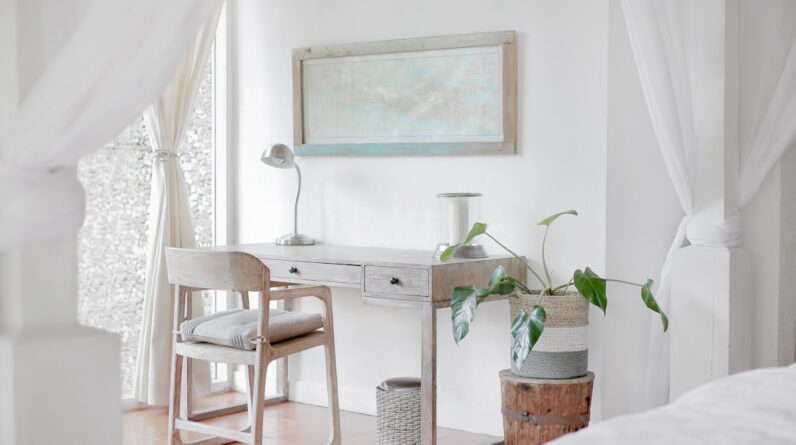
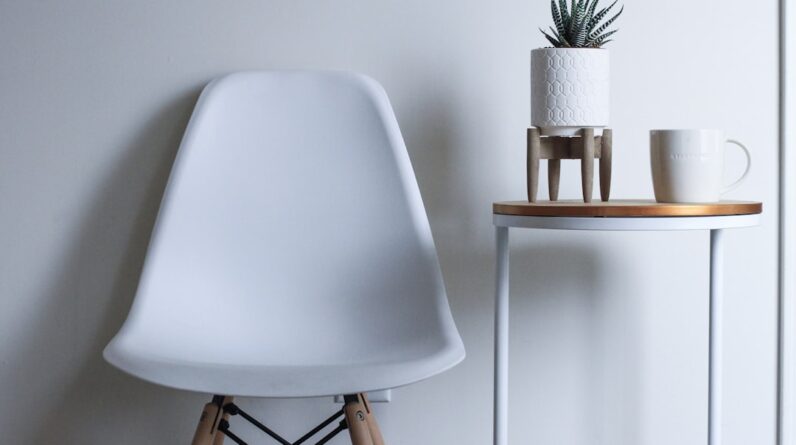
Understanding your personal style is the cornerstone of creating a space that truly reflects who you are. It involves a deep dive into your preferences, lifestyle, and the emotions you wish to evoke within your environment. Personal style is not merely about aesthetics; it encompasses your values, experiences, and the stories you want your space to tell.
To begin this journey, consider the elements that resonate with you. Are you drawn to the clean lines of modern design, or do you find comfort in the warmth of rustic charm? Perhaps you lean towards eclectic combinations that showcase your diverse interests.
By identifying these inclinations, you can start to curate a vision that aligns with your identity. Moreover, understanding your personal style requires introspection and exploration. Take time to reflect on spaces that have inspired you in the past—whether it’s a cozy café, a friend’s home, or even a beautifully designed hotel lobby.
What elements stood out to you? Was it the color scheme, the arrangement of furniture, or the overall ambiance? Documenting these inspirations can help clarify your preferences and guide your design choices.
Additionally, consider how your lifestyle influences your style. If you entertain frequently, you might prioritize open spaces and comfortable seating arrangements. Conversely, if you seek tranquility and solitude, a minimalist approach with calming colors may be more suitable.
Ultimately, understanding your personal style is about creating a sanctuary that feels authentically yours.
Key Takeaways
- Understanding your personal style is crucial in creating a cohesive and comfortable living space.
- Choosing the right color palette can set the tone for the entire room and create the desired atmosphere.
- Incorporating statement pieces can add personality and visual interest to your space.
- Maximizing natural light can make a room feel more spacious and inviting.
- Selecting the perfect furniture that is both functional and stylish is essential for a well-designed space.
- Adding texture and layers can create depth and visual appeal in your home decor.
- Showcasing personal touches such as photos, artwork, and mementos can make your space feel unique and inviting.
Choosing the Right Color Palette
Understanding the Power of Colors
Choosing the right color palette is a crucial step in establishing the mood and character of your space. Colors have the power to influence emotions and perceptions; thus, selecting hues that resonate with your personal style is essential. Start by considering the psychological effects of different colors.
Color Associations and Their Impact
For instance, blues and greens often evoke feelings of calmness and serenity, making them ideal for bedrooms or relaxation areas. On the other hand, vibrant reds and yellows can energize a space, perfect for kitchens or creative workspaces. By understanding these associations, you can make informed decisions that enhance the atmosphere of your home.
Creating a Cohesive Color Palette
Once you have a grasp on the emotional impact of colors, it’s time to explore various combinations that reflect your unique aesthetic. A cohesive color palette typically consists of a primary color, secondary colors, and accent shades. This triadic approach allows for versatility while maintaining harmony throughout your space. Consider using tools like color wheels or digital design apps to visualize how different shades interact with one another. Additionally, don’t shy away from experimenting with textures and finishes; matte versus glossy surfaces can alter the perception of color significantly.
Incorporating Statement Pieces
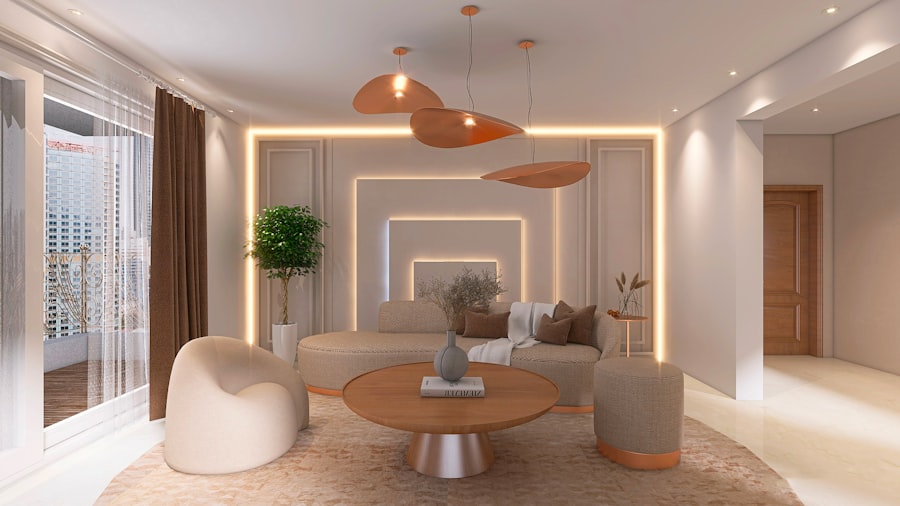
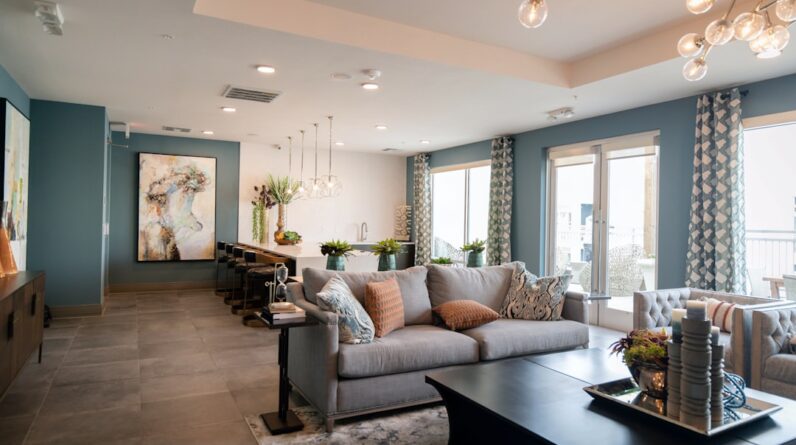
Incorporating statement pieces into your decor can transform an ordinary room into an extraordinary one. These standout items serve as focal points that draw attention and spark conversation, allowing you to express your individuality boldly. Statement pieces can take many forms—be it an oversized piece of artwork, a striking piece of furniture, or even an unusual decorative item that tells a story.
When selecting these elements, consider how they align with your overall design vision and personal style. A well-chosen statement piece can elevate the aesthetic of a room while also serving as a reflection of your personality. When integrating statement pieces into your space, placement is key.
Position them in areas where they can be easily appreciated—such as above a fireplace or in a prominent corner of a living room. However, balance is equally important; too many bold items can create visual chaos rather than harmony. Aim for a curated look by surrounding statement pieces with more subdued decor that complements rather than competes with them.
Additionally, consider the scale of your statement items in relation to the room size; a large artwork may overwhelm a small space, while a tiny sculpture could get lost in a vast area. By thoughtfully incorporating statement pieces, you can create an environment that is both visually stunning and deeply personal.
Maximizing Natural Light
| Benefits of Maximizing Natural Light | Metrics |
|---|---|
| Improved mood and well-being | Increased productivity |
| Energy cost savings | Reduced reliance on artificial lighting |
| Health benefits | Reduced eye strain and headaches |
| Environmental impact | Reduced carbon footprint |
Maximizing natural light is essential for creating an inviting and uplifting atmosphere in any space. Natural light not only enhances the aesthetic appeal of a room but also contributes to overall well-being by improving mood and productivity. To harness this valuable resource, start by assessing how light enters your home throughout the day.
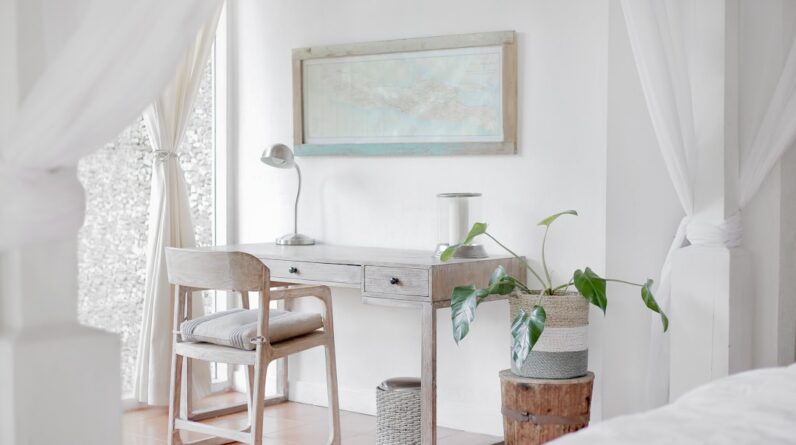
Identify windows that receive ample sunlight and consider how to optimize their potential. Simple changes like using sheer curtains instead of heavy drapes can allow more light to filter through while still providing privacy. In addition to window treatments, consider the layout and color scheme of your space to further enhance natural light.
Light-colored walls and reflective surfaces can amplify sunlight, making rooms feel brighter and more spacious. Mirrors strategically placed across from windows can also create an illusion of depth while bouncing light around the room. Furthermore, decluttering spaces near windows ensures that nothing obstructs the flow of light into your home.
By prioritizing natural light in your design approach, you can cultivate an environment that feels airy and vibrant—a true sanctuary from the outside world.
Selecting the Perfect Furniture
Selecting the perfect furniture is crucial in establishing both functionality and style within your home. The right pieces should not only complement your personal aesthetic but also cater to your lifestyle needs. Begin by considering the purpose of each room; for instance, if you frequently host gatherings, investing in ample seating options like sectional sofas or versatile ottomans may be wise.
Conversely, if you value tranquility in your bedroom, prioritize comfort with a plush bed and calming accessories. The key is to strike a balance between form and function—ensuring that each piece serves its intended purpose while contributing to the overall design narrative. When choosing furniture, pay attention to scale and proportion as well.
Oversized furniture can overwhelm smaller spaces, while petite pieces may feel lost in larger rooms. Aim for a cohesive look by selecting items that share similar design elements—such as color, material, or style—while allowing for some variation to keep things interesting. Additionally, consider investing in multi-functional furniture that adapts to changing needs; for example, a coffee table with storage or a sofa bed can maximize utility without sacrificing style.
Ultimately, selecting the perfect furniture involves thoughtful consideration of both aesthetics and practicality, resulting in a harmonious living environment.
Adding Texture and Layers
Creating Depth with Texture
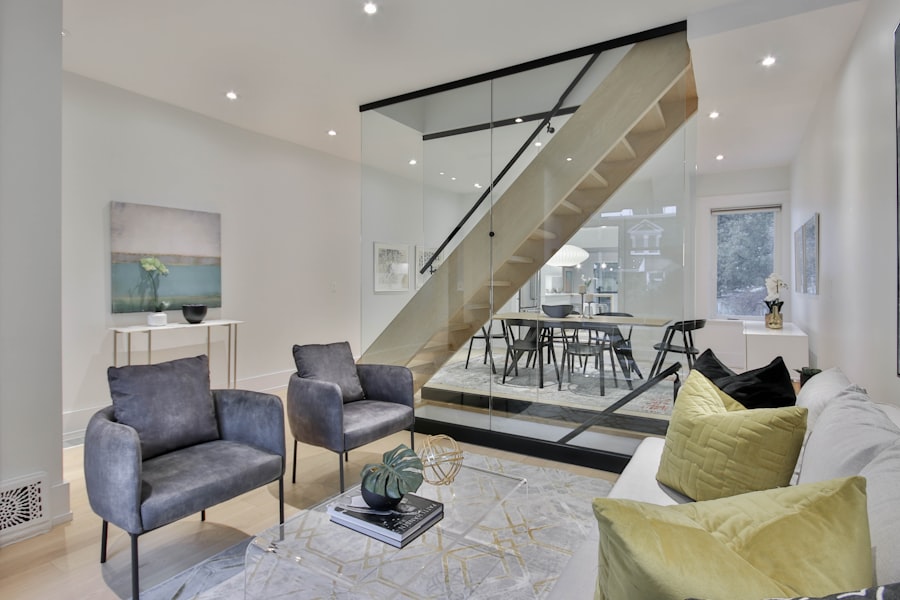
Adding texture and layers to your decor is an effective way to create depth and visual interest within any space. Texture engages the senses and adds richness to your design scheme; it can transform flat surfaces into dynamic experiences that invite touch and exploration. Start by incorporating various materials—such as wood, metal, fabric, and glass—to create contrast and intrigue.
Combining Materials for Balance
For instance, pairing sleek leather furniture with soft wool throws or adding woven baskets alongside polished surfaces can establish a tactile balance that enhances the overall aesthetic. This balance of textures creates a visually appealing atmosphere that invites interaction and exploration.
Layering for Visual Interest
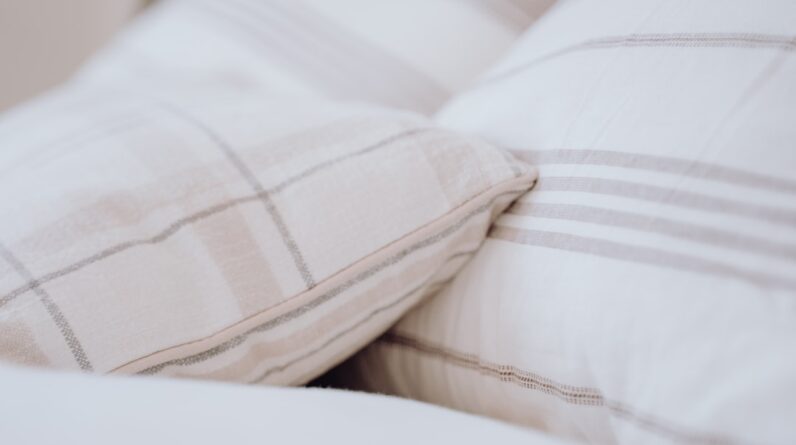
Layering goes hand-in-hand with texture; it involves combining different elements to create a cohesive yet complex look. Begin with foundational pieces like rugs or large furniture items before layering on smaller accessories such as cushions, throws, and decorative objects. This approach not only adds visual appeal but also allows for personalization through color and pattern choices.
Personalizing Your Space
Don’t hesitate to mix patterns—stripes with florals or geometric designs with organic shapes can create an eclectic yet harmonious vibe when done thoughtfully. By adding texture and layers to your decor, you can cultivate an inviting atmosphere that feels both curated and lived-in.
Showcasing Personal Touches
Showcasing personal touches is perhaps one of the most rewarding aspects of interior design; it allows you to infuse your unique personality into every corner of your home. Personal touches can take many forms—family photographs displayed in creative frames, travel souvenirs arranged on shelves, or handmade crafts that reflect your hobbies and interests. These elements not only tell your story but also create an emotional connection within your space, making it feel truly yours.
To effectively showcase personal touches, consider how they fit within the overall design scheme while still standing out as individual expressions of self. Create dedicated spaces for these items—such as gallery walls for art or curated shelves for collectibles—to ensure they are appreciated rather than lost among other decor elements. Additionally, don’t shy away from rotating these personal items periodically; this keeps your space feeling fresh while allowing new memories to take center stage over time.
Ultimately, showcasing personal touches transforms a house into a home—a sanctuary filled with love, memories, and individuality that resonates deeply with all who enter.
FAQs
What is interior home design?
Interior home design is the art and science of enhancing the interior of a building to achieve a healthier and more aesthetically pleasing environment for the people using the space. It involves planning, researching, coordinating, and managing various elements to create a functional and beautiful interior.
What are the key elements of interior home design?
The key elements of interior home design include space planning, color, lighting, furniture, and accessories. These elements are carefully considered and combined to create a cohesive and harmonious interior space.
What are the different styles of interior home design?
There are various styles of interior home design, including modern, contemporary, traditional, transitional, industrial, Scandinavian, and many more. Each style has its own unique characteristics and aesthetic appeal.
What are the benefits of interior home design?
Interior home design can improve the functionality and aesthetics of a space, enhance the quality of life for the occupants, increase the value of the property, and create a more comfortable and enjoyable living environment.
How can I improve the interior design of my home?
To improve the interior design of your home, you can start by decluttering and organizing the space, choosing a cohesive color scheme, investing in quality furniture and accessories, and considering the layout and flow of the space. Hiring a professional interior designer can also help you achieve the desired results.