Living in a studio apartment can be an exciting and rewarding experience, especially for those who appreciate simplicity and efficiency. As urban living becomes increasingly popular, many individuals find themselves drawn to the charm of these compact spaces. A studio apartment typically consists of a single room that serves multiple purposes, combining the living area, bedroom, and kitchen into one cohesive environment.
This unique layout encourages creativity and resourcefulness, allowing you to make the most of every square foot. Embracing studio apartment living means adopting a lifestyle that prioritizes minimalism and functionality. You may discover that living in a smaller space fosters a sense of freedom, as you are less burdened by excess belongings.
The challenge lies in transforming this limited area into a comfortable and stylish home that reflects your personality. By understanding how to effectively create distinct zones within your studio, you can enhance both the aesthetic appeal and practicality of your living space.
Key Takeaways
- Studio apartments are small living spaces that require thoughtful design and organization to maximize functionality and style.
- Understanding the concept of zones in a studio apartment helps to create distinct areas for different activities such as sleeping, working, relaxing, and dining.
- Creating a sleeping zone involves choosing the right furniture, lighting, and decor to promote relaxation and a good night’s sleep.
- Designing a work and study zone requires selecting a suitable desk, chair, and storage solutions to enhance productivity and focus.
- Establishing a relaxation and entertainment zone involves incorporating comfortable seating, entertainment systems, and decor to create a cozy and inviting space for leisure activities.
Understanding the Concept of Zones in a Studio Apartment
One of the most effective strategies for maximizing the potential of your studio apartment is to create designated zones for different activities. By dividing your space into functional areas, you can maintain organization and ensure that each aspect of your life has its own place. This zoning concept not only helps you stay focused on specific tasks but also contributes to a more visually appealing environment.
When you think about zones, consider how each area will serve your daily needs. For instance, you might want to establish a sleeping zone that promotes rest and relaxation, while also designing a work and study zone that encourages productivity. By clearly defining these spaces, you can create a harmonious flow throughout your apartment, making it easier to transition from one activity to another without feeling overwhelmed by clutter or distractions.
Creating a Sleeping Zone

Your sleeping zone is perhaps the most crucial area in your studio apartment, as it directly impacts your overall well-being. To create a restful sanctuary, start by selecting a comfortable bed that fits well within your space. Consider using a lofted bed or a murphy bed if you want to maximize floor space during the day.
Positioning your bed near a window can also enhance the ambiance, allowing natural light to filter in and create a serene atmosphere. In addition to the bed itself, think about incorporating elements that promote relaxation. Soft bedding, plush pillows, and calming colors can transform your sleeping zone into a cozy retreat.
You might also want to add curtains or room dividers to create a sense of privacy, especially if you have guests over or share your space with a roommate. Personal touches, such as artwork or photographs, can further enhance the comfort of your sleeping area, making it feel like a true haven.
Designing a Work and Study Zone
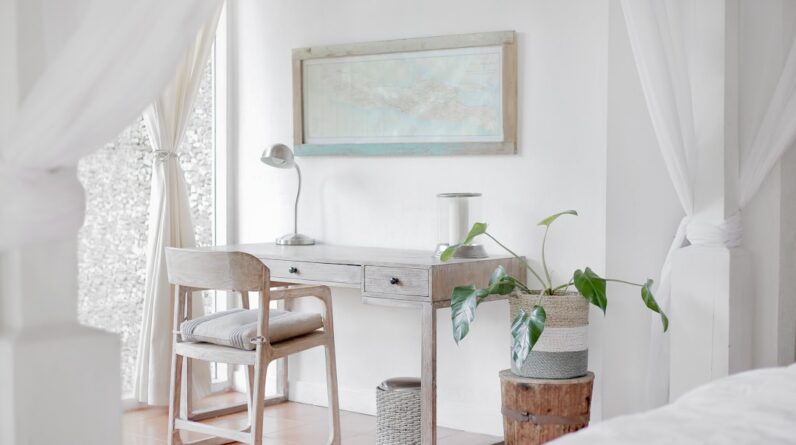
In today’s fast-paced world, having a dedicated work and study zone is essential for maintaining productivity and focus. When designing this area in your studio apartment, consider the type of work you’ll be doing and what equipment you need. A small desk with adequate storage for your supplies can serve as the centerpiece of this zone.
If space allows, opt for an ergonomic chair that promotes good posture during long hours of work. To create an inspiring atmosphere, personalize your work zone with motivational quotes or images that resonate with you. Good lighting is also crucial; consider placing your desk near a window for natural light or investing in a stylish desk lamp for those late-night study sessions.
Additionally, keep your workspace organized by using shelves or storage bins to minimize clutter. This will help you maintain focus and make it easier to switch between tasks without feeling overwhelmed.
Establishing a Relaxation and Entertainment Zone
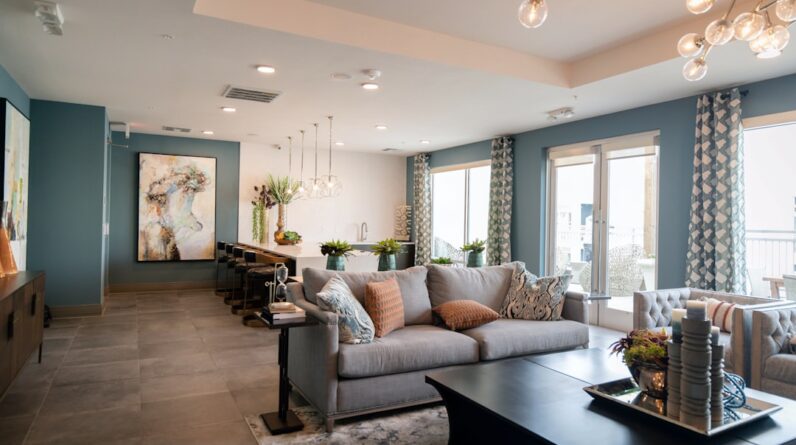
Your studio apartment should also include a relaxation and entertainment zone where you can unwind after a long day. This area can be as simple as a cozy corner with a comfortable chair or bean bag, paired with soft throw blankets and cushions. If you enjoy watching movies or binge-watching shows, consider setting up a small media center with a TV or projector that doesn’t dominate the space.
Incorporating elements that promote relaxation is key to creating this zone. You might want to add plants or artwork that brings you joy and tranquility. Soft lighting options, such as fairy lights or floor lamps with dimmers, can help set the mood for relaxation.
Additionally, consider using rugs to define this area visually, creating a distinct separation from other zones while adding warmth and texture to your studio.
Organizing a Dining and Kitchen Zone
In a studio apartment, the kitchen often doubles as the dining area, so it’s essential to design this zone thoughtfully. Start by ensuring that your kitchen is equipped with all the necessary appliances and utensils while keeping it organized and clutter-free. Utilize vertical space by installing shelves or cabinets that allow you to store items efficiently without sacrificing floor space.
When it comes to dining, consider investing in a small table that can accommodate two people comfortably. A foldable table or extendable dining set can be an excellent option if you frequently host guests but want to save space when it’s just you at home. To enhance the dining experience, set the table with attractive dinnerware and decorative elements like candles or flowers that reflect your personal style.
Maximizing Storage in a Studio Apartment
Storage is often one of the biggest challenges in studio apartment living, but with some creativity and strategic planning, you can maximize every inch of available space. Start by assessing your belongings and decluttering items that you no longer need or use regularly. This will not only free up space but also make it easier to organize what remains.
Consider utilizing multifunctional furniture pieces that offer built-in storage solutions. For example, ottomans with hidden compartments or beds with drawers underneath can provide extra storage without taking up additional space. Wall-mounted shelves are another excellent way to keep items off the floor while displaying decorative pieces or books.
Additionally, don’t overlook vertical storage options; tall bookcases or cabinets can draw the eye upward and create an illusion of more space.
Tips for Maintaining a Functional and Stylish Studio Apartment
To ensure that your studio apartment remains both functional and stylish over time, regular maintenance is key. Establishing a cleaning routine will help keep clutter at bay and maintain an inviting atmosphere. Set aside time each week to tidy up your space, focusing on areas that tend to accumulate messes quickly, such as the kitchen counter or work desk.
Incorporating stylish storage solutions can also contribute to maintaining an organized environment. Invest in decorative baskets or bins that complement your decor while providing practical storage options. Additionally, regularly reassess your belongings; as seasons change or new items are acquired, it’s essential to evaluate what you truly need in your space.
Ultimately, living in a studio apartment offers an opportunity to embrace simplicity while creating a home that reflects your unique style and needs. By understanding how to effectively create zones within your space and maintaining organization, you can enjoy all the benefits of studio living without sacrificing comfort or aesthetics.
FAQs
What is a studio apartment?
A studio apartment is a small, self-contained living space that typically consists of one room, with a separate bathroom. It is designed to accommodate a living area, sleeping area, and kitchenette within the same space.
What are zones in a studio apartment?
Zones in a studio apartment refer to the different functional areas created within the limited space to serve specific purposes, such as living, sleeping, dining, and working. Creating zones helps to maximize the use of space and make the apartment feel more organized and functional.
How can I create zones in a studio apartment?
To create zones in a studio apartment, you can use furniture, area rugs, room dividers, and strategic placement of items to delineate different areas for specific activities. For example, you can use a sofa to define the living area, a bed to define the sleeping area, and a dining table to define the dining area.
What are some tips for creating zones in a studio apartment?
Some tips for creating zones in a studio apartment include using multi-functional furniture, utilizing vertical space for storage, using light and neutral colors to visually expand the space, and keeping the overall design cohesive to maintain a sense of flow within the apartment.
Why is it important to create zones in a studio apartment?
Creating zones in a studio apartment is important because it helps to maximize the functionality of the space, create a sense of organization, and make the apartment feel more spacious and comfortable. It also allows for better separation of different activities within the limited space.