As you step into a space, the ambiance often tells a story, one that is deeply rooted in cultural influences. Interior design is not merely about aesthetics; it is a reflection of the values, traditions, and histories of various cultures. From the intricate patterns of Moroccan tiles to the minimalist elegance of Japanese interiors, each design choice carries a narrative that connects you to a broader world.
Understanding these cultural influences can enhance your appreciation for design and inspire you to create spaces that resonate with your identity and experiences. In today’s globalized society, the blending of cultures has become increasingly prevalent in interior design. You may find yourself drawn to elements from different parts of the world, whether it’s a vibrant Indian tapestry or Scandinavian furniture’s clean lines.
This cross-pollination of styles not only enriches your living environment but also fosters a sense of connection to diverse cultures. As you explore the world of interior design, you will discover how cultural influences shape not just the aesthetics but also the functionality and emotional resonance of spaces.
Key Takeaways
- Cultural influences play a significant role in shaping interior design, reflecting the values, traditions, and aesthetics of different societies.
- Cultural diversity enriches interior design by bringing in a variety of design elements, color schemes, and materials from different parts of the world.
- Incorporating cultural elements in home decor can be achieved through the use of art, textiles, furniture, and accessories that reflect a specific cultural heritage.
- Exploring different cultural design styles allows for the appreciation and integration of diverse design aesthetics, such as Scandinavian minimalism, Japanese wabi-sabi, or Moroccan boho-chic.
- Global travel has a profound influence on interior design, inspiring the use of exotic materials, patterns, and design concepts from around the world.
The Impact of Cultural Diversity on Interior Design
East Meets West: Contrasting Design Philosophies
For instance, while Western designs often emphasize open spaces and minimalism, Eastern designs may focus on harmony and balance, incorporating natural elements and intricate details.
Celebrating Diversity through Inclusive Design
This diversity allows you to draw inspiration from a multitude of sources, creating a home that reflects your personal style while honoring the rich tapestry of global traditions. Moreover, cultural diversity in interior design encourages inclusivity and representation. As you curate your living space, consider how different cultural elements can coexist harmoniously.
Fostering Connections through Cultural Exchange
This not only enhances the visual appeal of your home but also promotes a sense of belonging and understanding. By incorporating diverse influences, you can create an environment that celebrates differences and fosters connections among people from various backgrounds. This approach not only enriches your own experience but also invites others to appreciate the beauty of cultural diversity.
Incorporating Cultural Elements in Home Decor

When it comes to incorporating cultural elements into your home decor, the possibilities are endless. You might start by selecting key pieces that resonate with you personally—perhaps a handcrafted vase from Mexico or a traditional African mask. These items can serve as focal points in your space, sparking conversations and evoking memories of travels or family heritage.
By thoughtfully integrating these elements, you can create a narrative that reflects your journey and values. In addition to individual pieces, consider how color palettes and textures can embody cultural influences. For example, warm earth tones may evoke the spirit of Mediterranean design, while bold jewel tones can transport you to the vibrant markets of India.
Textiles also play a significant role; incorporating fabrics like ikat or batik can add depth and warmth to your interiors. As you experiment with these elements, remember that the goal is to create a cohesive look that feels authentic to you while celebrating the rich diversity of global cultures.
Exploring Different Cultural Design Styles
As you delve deeper into the world of interior design, you will encounter a myriad of cultural styles, each with its own unique characteristics and philosophies. For instance, if you are drawn to the rustic charm of Mediterranean design, you might appreciate its emphasis on natural materials, earthy colors, and an inviting atmosphere. This style often incorporates terracotta tiles, wrought iron accents, and lush greenery, creating a warm and welcoming environment that encourages relaxation and socialization.
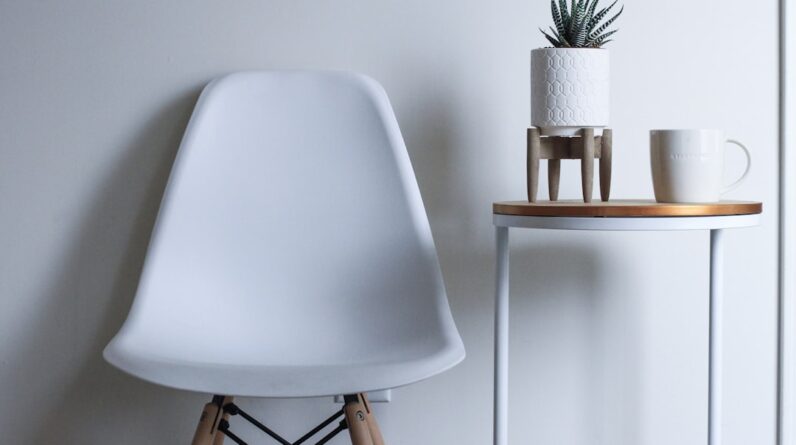
On the other hand, if minimalism speaks to you, Scandinavian design may be your ideal choice. Characterized by simplicity and functionality, this style emphasizes clean lines, light colors, and an uncluttered aesthetic. The use of natural light is paramount in Scandinavian interiors, fostering a sense of tranquility and connection to nature.
By exploring these diverse styles, you can identify which elements resonate with your personal taste and lifestyle, allowing you to curate a space that feels uniquely yours.
The Influence of Global Travel on Interior Design
Travel has an unparalleled ability to broaden your horizons and inspire creativity in unexpected ways. As you journey through different countries and cultures, you are likely to encounter unique architectural styles, vibrant color schemes, and innovative design concepts that can influence your own home decor choices. Whether it’s the intricate woodwork found in Balinese villas or the bold patterns of Turkish rugs, these experiences can ignite your imagination and encourage you to incorporate new ideas into your living space.
Moreover, global travel allows you to connect with artisans and craftspeople who embody their cultural heritage through their work. By bringing these handmade items into your home, you not only support local economies but also create a more meaningful connection to the places you’ve visited. Each piece carries a story—a reminder of your adventures and the people you’ve met along the way.
As you integrate these influences into your decor, your home becomes a canvas that reflects not just your style but also your journey through the world.
Celebrating Cultural Heritage in Interior Design

Celebrating cultural heritage in interior design is an enriching experience that allows you to honor your roots while creating a space that feels authentic to you. You might choose to incorporate traditional elements from your ancestry—be it through color schemes, furniture styles, or decorative motifs—that resonate with your family history. This approach not only pays homage to your heritage but also creates a sense of continuity and belonging within your home.
In addition to personal heritage, consider how broader cultural narratives can inform your design choices. For example, if you are inspired by Indigenous art or craftsmanship, integrating these elements into your decor can serve as a powerful reminder of the importance of preserving cultural traditions. By thoughtfully curating spaces that reflect both personal and collective histories, you contribute to a richer understanding of cultural identity and foster appreciation for diverse backgrounds.
Embracing Cultural Fusion in Decor
In an increasingly interconnected world, cultural fusion in decor has become a popular trend that celebrates the blending of different styles and traditions. You may find yourself drawn to this approach as it allows for creativity and self-expression while breaking down barriers between cultures. By combining elements from various backgrounds—such as pairing Japanese minimalism with African textiles—you can create a unique aesthetic that reflects your individuality.
Embracing cultural fusion also encourages experimentation with color palettes, patterns, and materials. You might mix bold prints with neutral tones or juxtapose modern furniture with vintage pieces from different cultures. This playful approach not only results in visually striking interiors but also invites dialogue about the stories behind each element.
As you explore this fusion of styles, remember that there are no strict rules; instead, let your intuition guide you in creating a space that feels harmonious and true to who you are.
The Future of Cultural Influences in Interior Design
As we look toward the future of interior design, it is clear that cultural influences will continue to play a significant role in shaping trends and practices. With globalization facilitating greater access to diverse styles and ideas, you will likely see an even more pronounced blending of cultures in design choices. This evolution presents an exciting opportunity for creativity as designers and homeowners alike draw inspiration from an ever-expanding array of sources.
Moreover, as society becomes increasingly aware of the importance of sustainability and ethical practices, there is a growing emphasis on supporting local artisans and preserving traditional craftsmanship. You may find yourself gravitating toward handmade items that reflect cultural heritage while also promoting environmental responsibility. This shift not only enriches your living space but also contributes to a more sustainable future for the design industry as a whole.
In conclusion, embracing cultural influences in interior design allows you to create spaces that are not only visually appealing but also deeply meaningful. By exploring diverse styles, incorporating personal heritage, and celebrating cultural fusion, you can craft an environment that reflects your identity while honoring the rich tapestry of global traditions. As you embark on this journey through design, remember that each choice contributes to a narrative—one that connects you to the world around you and celebrates the beauty of cultural diversity.
FAQs
What is cultural influence in interior design?
Cultural influence in interior design refers to the impact of different cultural traditions, customs, and aesthetics on the design and decor of interior spaces. It involves incorporating elements from various cultures to create a diverse and inclusive design.
How does cultural diversity impact interior design?
Cultural diversity in interior design allows for the integration of different design elements, materials, colors, and patterns from various cultures, resulting in unique and eclectic spaces that celebrate diversity and inclusivity.
What are some examples of cultural influences in interior design?
Examples of cultural influences in interior design include incorporating traditional textiles, artwork, furniture, and architectural elements from different cultures such as African, Asian, European, Middle Eastern, and Indigenous cultures.
Why is it important to celebrate diversity in interior design?
Celebrating diversity in interior design promotes inclusivity, respect for different cultures, and a sense of global awareness. It also allows for the creation of spaces that reflect the multicultural society we live in.
How can interior designers incorporate cultural influences into their designs?
Interior designers can incorporate cultural influences into their designs by researching and understanding different cultural traditions, using authentic materials and craftsmanship, and collaborating with artisans and craftspeople from diverse backgrounds.