


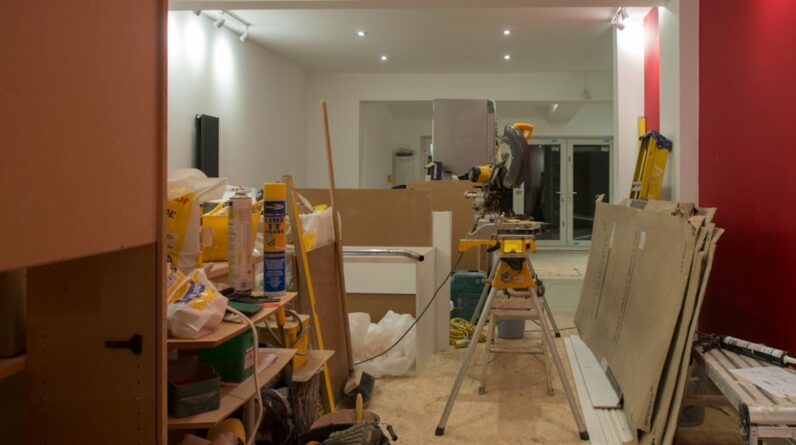
When you consider a home renovation, the benefits of hiring a designer can be transformative. A designer brings a wealth of knowledge and experience to the table, ensuring that your vision is not only realized but enhanced. They can help you navigate the complexities of design, from spatial planning to material selection, making the process smoother and more enjoyable.
With their expertise, you can avoid common pitfalls that often plague DIY projects, such as poor layout choices or mismatched aesthetics. Ultimately, a designer can elevate your home’s functionality and style, creating a space that reflects your personality and meets your needs. Moreover, a designer can help you maximize your investment.
They understand the market trends and can guide you in making choices that will increase your home’s value. Whether it’s selecting high-quality materials or incorporating popular design elements, their insights can lead to a renovation that not only looks stunning but also stands the test of time. By collaborating with a designer, you’re not just renovating; you’re creating a space that enhances your lifestyle while also being a smart financial decision.
Key Takeaways
- Designer home renovation can increase the functionality and aesthetic appeal of your home, making it a more enjoyable and comfortable space to live in.
- Finding the right designer for your home renovation project is crucial to ensure that your vision is brought to life and that the process runs smoothly.
- Budgeting for designer home renovation is important to avoid overspending and to prioritize the most important aspects of the project.
- Keeping up with trends in designer home renovation can help you create a modern and stylish living space that reflects your personal taste.
- Choosing the right materials for your designer home renovation is essential for achieving the desired look and ensuring durability and quality.
Finding the Right Designer for Your Home Renovation Project
Finding the right designer for your home renovation project is crucial to achieving the results you desire. Start by researching local designers and reviewing their portfolios to get a sense of their style and expertise. Look for someone whose previous work resonates with your vision.
You might also want to seek recommendations from friends or family who have undergone similar renovations. Personal referrals can provide valuable insights into a designer’s work ethic and reliability. Once you have a shortlist of potential designers, schedule consultations to discuss your project in detail.
This is an opportunity for you to gauge their understanding of your needs and preferences. Pay attention to how well they listen and respond to your ideas; effective communication is key to a successful partnership. Additionally, don’t hesitate to ask about their design process, timelines, and how they handle challenges that may arise during the renovation.
Finding a designer who aligns with your vision and values will set the foundation for a successful renovation experience.
The Importance of Budgeting for Designer Home Renovation
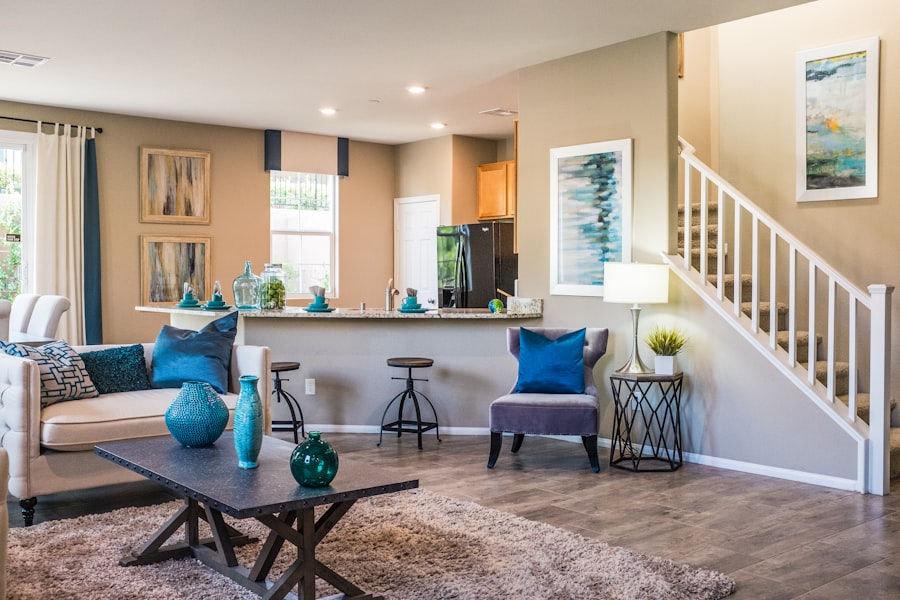
Budgeting is one of the most critical aspects of any home renovation project, especially when working with a designer. Before diving into the design process, take the time to establish a clear budget that outlines how much you are willing to spend. This will not only help you manage your finances but also guide your designer in making choices that align with your financial parameters.
A well-defined budget can prevent overspending and ensure that you allocate funds appropriately across various aspects of the renovation. In addition to setting an initial budget, it’s wise to include a contingency fund for unexpected expenses that may arise during the renovation process. Home renovations often come with surprises, whether it’s discovering structural issues or needing to adjust plans based on unforeseen circumstances.
By planning for these potential costs, you can maintain peace of mind and avoid stress as the project progresses. Open communication with your designer about budget constraints will also foster transparency and help them make informed decisions that respect your financial limits.
Trends in Designer Home Renovation
Staying updated on current trends in designer home renovation can inspire your project and ensure it feels fresh and modern. One prominent trend is the emphasis on open-concept living spaces, which promote a sense of flow and connectivity within the home. This design approach often involves removing walls to create larger, multifunctional areas that cater to both relaxation and entertainment.
If you enjoy hosting gatherings or spending time with family, this trend could significantly enhance your living experience. Another trend gaining traction is the incorporation of biophilic design elements, which aim to connect indoor spaces with nature. This can be achieved through the use of natural materials, large windows that invite natural light, and indoor plants that improve air quality and aesthetics.
By embracing biophilic design, you can create a serene environment that promotes well-being and tranquility within your home. As you consider these trends, think about how they align with your personal style and lifestyle needs.
Choosing the Right Materials for Your Designer Home Renovation
Selecting the right materials for your renovation is essential for achieving both aesthetic appeal and durability. When working with a designer, they can guide you through the myriad options available, helping you choose materials that complement your vision while also standing up to wear and tear. For instance, if you’re renovating a kitchen, consider materials like quartz or granite for countertops due to their resilience and timeless beauty.
Your designer can also suggest finishes that enhance functionality without compromising style. Sustainability is another important factor when choosing materials for your renovation. Many homeowners are increasingly conscious of their environmental impact and are opting for eco-friendly materials such as reclaimed wood, bamboo flooring, or low-VOC paints.
These choices not only contribute to a healthier living environment but also resonate with modern design sensibilities. Collaborating with your designer on material selection ensures that you make informed decisions that align with both your aesthetic preferences and sustainability goals.
Maximizing Space in Your Home with Designer Renovation

Maximizing space is often a primary goal in home renovations, especially in urban settings where square footage may be limited. A skilled designer can help you identify opportunities to optimize every inch of your home while maintaining a cohesive look. For example, they might suggest built-in storage solutions that blend seamlessly with your decor or multi-functional furniture pieces that serve dual purposes without sacrificing style.
Additionally, clever layout adjustments can significantly enhance how space is utilized. Your designer may recommend reconfiguring rooms to create more open areas or utilizing vertical space through shelving or cabinetry that draws the eye upward. By focusing on maximizing space during your renovation, you can create an environment that feels more spacious and functional, ultimately improving your overall quality of life at home.
Incorporating Smart Home Technology into Your Designer Renovation
In today’s digital age, incorporating smart home technology into your renovation can elevate both convenience and efficiency in your living space. From smart thermostats that optimize energy usage to automated lighting systems that adjust based on natural light levels, technology can enhance your daily routines while contributing to energy savings. A designer experienced in integrating smart technology can help you select systems that align with your lifestyle and seamlessly blend into your home’s aesthetic.
Moreover, smart home technology offers enhanced security features that provide peace of mind for homeowners. Consider installing smart locks or security cameras that allow you to monitor your property remotely. Your designer can work with you to ensure these systems are not only functional but also visually appealing, maintaining the overall design integrity of your home while providing modern conveniences.
The Impact of Lighting in Designer Home Renovation
Lighting plays a pivotal role in any home renovation project, influencing both mood and functionality within spaces. A well-designed lighting plan can transform an ordinary room into an inviting haven by highlighting architectural features and creating ambiance. Your designer will likely emphasize the importance of layering different types of lighting—ambient, task, and accent—to achieve a balanced effect throughout your home.
Natural light should also be considered during renovations; maximizing windows or incorporating skylights can significantly enhance the overall atmosphere of your space. Your designer may suggest strategic placements for windows or glass doors that invite sunlight while maintaining privacy. By prioritizing lighting in your renovation plans, you can create an environment that feels warm and welcoming while also serving practical purposes.
Creating a Sustainable and Eco-Friendly Home with Designer Renovation
As environmental awareness continues to grow, many homeowners are seeking ways to make their renovations more sustainable and eco-friendly. A designer can guide you through this process by recommending sustainable materials, energy-efficient appliances, and eco-conscious design practices. For instance, opting for low-flow plumbing fixtures or energy-efficient windows can significantly reduce water and energy consumption in your home.
Incorporating renewable energy sources is another way to enhance sustainability in your renovation project. Solar panels or geothermal heating systems can provide long-term savings while reducing your carbon footprint. Your designer will work with you to identify opportunities for integrating these elements into your renovation plan, ensuring that sustainability becomes an integral part of your home’s design.
The Role of Color and Texture in Designer Home Renovation
Color and texture are fundamental components of interior design that can dramatically influence the overall feel of a space. When embarking on a renovation project, consider how different colors evoke emotions and set the tone for each room. A skilled designer will help you select color palettes that reflect your personality while also harmonizing with the architectural style of your home.
Texture adds depth and interest to interiors; combining various textures—such as smooth surfaces with rough finishes—can create visual intrigue and enhance tactile experiences within spaces. Your designer may suggest incorporating textiles like rugs or curtains alongside hard materials like wood or stone to achieve a balanced aesthetic. By thoughtfully considering color and texture during your renovation, you can create an environment that feels cohesive and inviting.
Adding Value to Your Home through Designer Renovation
Ultimately, one of the most significant benefits of engaging in a designer home renovation is the potential increase in property value it offers. Well-executed renovations not only enhance livability but also appeal to future buyers should you decide to sell down the line. A designer understands which upgrades yield the best return on investment—such as kitchen remodels or bathroom updates—and can guide you in making choices that align with market demands.
Additionally, creating spaces that are both functional and aesthetically pleasing will attract prospective buyers who appreciate quality design. By investing in thoughtful renovations led by a skilled designer, you’re not just improving your current living situation; you’re also making a strategic investment in your property’s future value. As you embark on this journey, remember that every decision made during the renovation process contributes to the overall worth of your home in the long run.
FAQs
What is designer home renovation?
Designer home renovation is the process of updating and improving the interior and/or exterior of a home with the help of a professional designer. This can include remodeling, redecorating, and making structural changes to enhance the overall look and functionality of the home.
What are the benefits of designer home renovation?
Designer home renovation can increase the value of your home, improve its functionality, and create a more aesthetically pleasing living space. It can also help to personalize your home to better suit your lifestyle and design preferences.
What services do designer home renovation companies offer?
Designer home renovation companies typically offer a range of services including interior design, space planning, remodeling, custom cabinetry, flooring installation, and more. They may also provide project management and coordination of subcontractors.
How do I choose a designer home renovation company?
When choosing a designer home renovation company, it’s important to consider their experience, portfolio of past projects, customer reviews, and certifications. It’s also helpful to meet with the designers to discuss your vision and ensure they understand your needs.
What should I expect during the designer home renovation process?
During the designer home renovation process, you can expect to work closely with the design team to plan and execute the project. This may involve selecting materials, approving designs, and overseeing the construction process. The timeline and budget will also be established and managed throughout the project.


