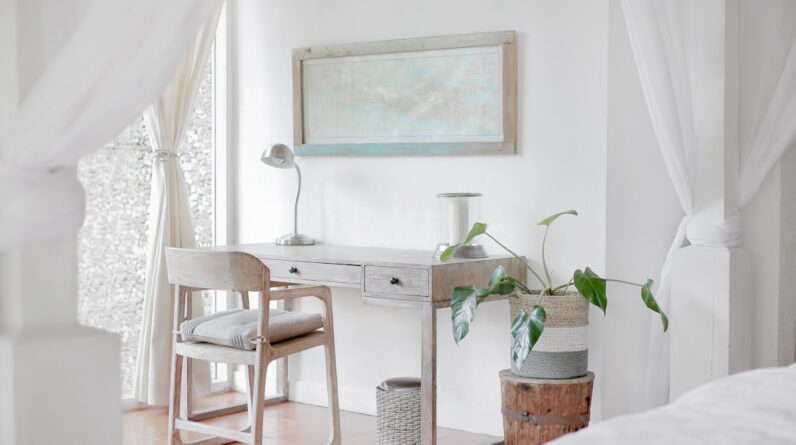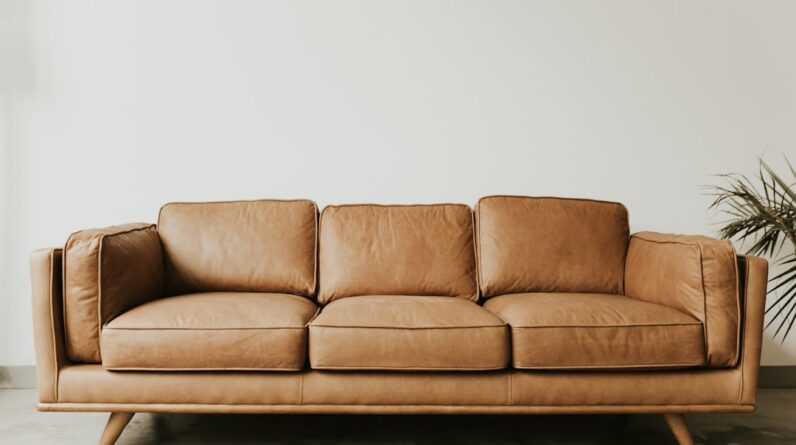
In the realm of design, multifunctionality has emerged as a pivotal concept, particularly in response to the evolving needs of modern living. You may find that the traditional notion of a single-purpose space is becoming increasingly obsolete. Instead, designers are now focusing on creating environments that serve multiple functions, allowing for greater efficiency and utility.
This shift is not merely a trend; it reflects a deeper understanding of how people interact with their surroundings and the necessity for spaces that can adapt to various activities and lifestyles. As you delve into the principles of multifunctionality, consider how this approach can enhance your daily life. Multifunctional design encourages you to think beyond conventional layouts and embrace innovative solutions that maximize space and resources.
Whether it’s a living room that doubles as a home office or a kitchen that transforms into a dining area, the possibilities are endless. By prioritizing multifunctionality, you can create spaces that not only meet your immediate needs but also evolve with you over time, accommodating changes in lifestyle, family dynamics, and personal preferences.
Key Takeaways
- Multifunctionality in design involves creating spaces and furniture that can serve multiple purposes.
- Flexibility and adaptability in space planning allows for easy reconfiguration of spaces to accommodate different activities.
- Incorporating modular and transformable furniture enables efficient use of space and facilitates quick changes in functionality.
- Utilizing smart technology can enhance multifunctional spaces by providing automation and control of various functions.
- Creating zones and dividing spaces helps to organize and delineate different activities within a multifunctional space.
Flexibility and Adaptability in Space Planning
When it comes to space planning, flexibility and adaptability are key components of successful multifunctional design. You might find that the ability to reconfigure a space according to your needs can significantly enhance your living experience. This means considering how furniture placement, room layout, and even architectural elements can be adjusted to create a more dynamic environment.
For instance, movable partitions or sliding doors can allow you to open up or close off areas as needed, providing both privacy and openness depending on the situation. Moreover, the concept of adaptability extends beyond physical changes; it also encompasses the ability to foresee future needs. As you plan your space, think about how your lifestyle may evolve.
Will you be working from home more often? Do you anticipate hosting gatherings? By designing with adaptability in mind, you can ensure that your space remains functional and relevant for years to come.
This foresight not only enhances your comfort but also adds value to your home, making it a wise investment in the long run.
Incorporating Modular and Transformable Furniture

One of the most effective ways to achieve multifunctionality in design is through the use of modular and transformable furniture. You may have noticed an increasing trend in furniture that can be easily reconfigured or transformed to serve different purposes. This type of furniture is particularly beneficial in smaller spaces where every square foot counts.
For example, a sofa that converts into a bed or a coffee table that expands into a dining table can provide you with the versatility needed for various activities without sacrificing style or comfort. As you explore options for modular furniture, consider how these pieces can be tailored to fit your specific needs. Many manufacturers now offer customizable solutions that allow you to mix and match components to create a setup that works best for you.
This not only enhances functionality but also allows for personal expression in your design choices. By incorporating modular and transformable furniture into your space, you can create an environment that is both practical and aesthetically pleasing, ensuring that every piece serves a purpose while contributing to the overall design narrative.
Utilizing Smart Technology for Multifunctional Spaces
In today’s digital age, smart technology plays an integral role in enhancing multifunctional spaces. You may find that integrating technology into your design can streamline daily tasks and improve overall efficiency. From smart lighting systems that adjust according to the time of day to automated window treatments that provide privacy at the touch of a button, technology can transform how you interact with your environment.
These innovations not only add convenience but also contribute to creating a more adaptable space. Furthermore, smart home devices can help you manage multiple functions within a single area. For instance, voice-activated assistants can control various aspects of your home, allowing you to switch from work mode to relaxation mode seamlessly.
Imagine being able to dim the lights, play music, and adjust the thermostat all with a simple command. By embracing smart technology, you can enhance the multifunctionality of your space while also enjoying the benefits of modern living.
Creating Zones and Dividing Spaces for Multiple Functions
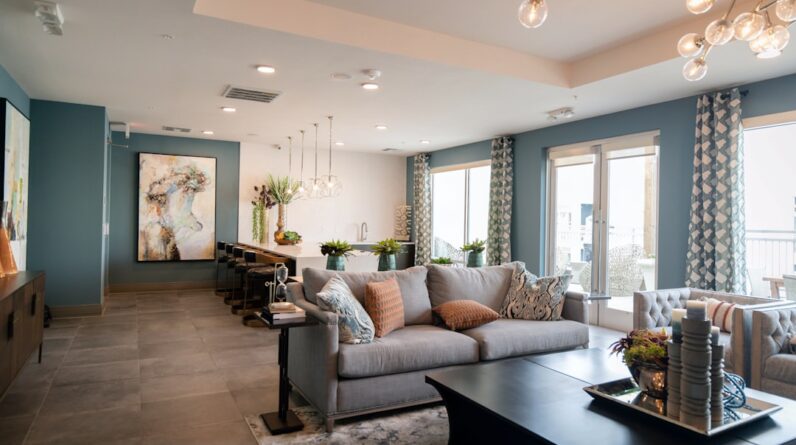
Creating distinct zones within a multifunctional space is essential for maintaining organization and flow. You might find that clearly defined areas for different activities can help you transition smoothly from one task to another. For example, in an open-concept living area, you could use rugs or furniture placement to delineate a cozy reading nook from a workspace or entertainment area.
This not only enhances functionality but also contributes to a sense of order and purpose within the space. When designing these zones, consider how each area will be used and what elements are necessary for its function. You may want to incorporate storage solutions that cater specifically to each zone’s needs, ensuring that everything has its place.
Additionally, think about how lighting can play a role in defining these spaces; different lighting schemes can create varying atmospheres that support different activities. By thoughtfully creating zones within your multifunctional design, you can foster an environment that promotes productivity while still feeling cohesive and inviting.
Balancing Aesthetics and Functionality in Design

While functionality is paramount in multifunctional design, aesthetics should not be overlooked. You may find that striking a balance between beauty and utility is crucial for creating spaces that are both practical and visually appealing. The key lies in selecting materials, colors, and furnishings that complement each other while serving their intended purpose.
For instance, choosing stylish storage solutions can enhance the overall look of your space while keeping it organized. As you navigate this balance, consider how your personal style influences your choices. You might prefer minimalist designs that emphasize clean lines and simplicity or opt for bold colors and patterns that make a statement.
Regardless of your aesthetic preferences, aim for cohesion throughout your space by ensuring that each element contributes to both functionality and visual appeal. By harmonizing aesthetics with practicality, you can create an environment that feels both comfortable and inspiring.
Designing for Multifunctionality in Small Spaces
Designing for multifunctionality becomes particularly important in small spaces where every inch counts. You may find that clever design solutions can maximize utility without compromising on style or comfort. One effective strategy is to prioritize essential functions while minimizing excess furniture or decor.
This means carefully selecting pieces that serve multiple purposes or can be easily stored away when not in use. Additionally, vertical space is often underutilized in small areas. You might consider incorporating shelving units or wall-mounted storage solutions that draw the eye upward while providing valuable storage options.
This not only frees up floor space but also creates an illusion of height, making the area feel more expansive. By embracing innovative design techniques tailored for small spaces, you can achieve a multifunctional environment that feels open and inviting.
Case Studies of Successful Multifunctional Design Solutions
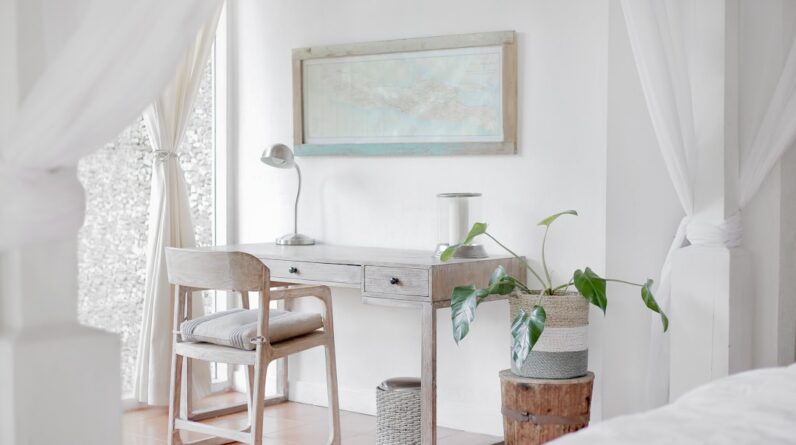
Examining successful case studies of multifunctional design solutions can provide valuable insights into effective strategies and approaches. You may find inspiration in projects where designers have skillfully integrated various elements to create harmonious spaces that serve multiple purposes. For instance, consider a studio apartment where the living area seamlessly transitions into a workspace through the use of clever furniture arrangements and smart storage solutions.
Another compelling example could be a family home where an open-concept layout allows for easy flow between the kitchen, dining area, and living room while incorporating designated zones for different activities. In such cases, designers often utilize color schemes and materials that unify the spaces while still allowing each area to maintain its unique function. By studying these successful examples, you can glean ideas and techniques that resonate with your own design aspirations, ultimately guiding you toward creating your own multifunctional masterpiece.
In conclusion, embracing multifunctionality in design opens up a world of possibilities for enhancing your living experience. By understanding its principles and incorporating flexibility, modular furniture, smart technology, zoning strategies, and aesthetic considerations into your spaces, you can create environments that are not only functional but also reflective of your personal style and needs. Whether you’re working with limited square footage or simply seeking to optimize your existing layout, the journey toward multifunctional design is one filled with creativity and innovation—an opportunity to craft spaces that truly work for you.
FAQs
What is multifunctional design?
Multifunctional design refers to the practice of creating spaces, products, or systems that can serve multiple purposes or adapt to different needs. This approach aims to maximize the efficiency and flexibility of a design to better meet the diverse and changing needs of users.
What are the benefits of designing for multifunctionality?
Designing for multifunctionality offers several benefits, including maximizing the use of space, increasing efficiency, reducing the need for multiple specialized designs, and providing flexibility to adapt to changing needs or preferences.
How can spaces be designed to be multifunctional?
Spaces can be designed to be multifunctional by incorporating flexible furniture, modular elements, adaptable layouts, and versatile storage solutions. Additionally, the use of movable partitions, convertible furniture, and integrated technology can further enhance the adaptability of a space.
What are some examples of multifunctional design in architecture and interior design?
Examples of multifunctional design in architecture and interior design include convertible furniture (such as sofa beds and folding tables), sliding or folding partitions to divide or open up spaces, and integrated storage solutions that serve multiple purposes. Additionally, adaptable workspaces that can be reconfigured for different tasks and flexible living spaces that can accommodate various activities are also common examples of multifunctional design.
How does designing for multifunctionality contribute to sustainability?
Designing for multifunctionality can contribute to sustainability by promoting the efficient use of resources, reducing the need for excess materials and space, and extending the lifespan of a design through its adaptability. By creating spaces and products that can serve multiple purposes, the overall environmental impact can be minimized.