In the ever-evolving world of interior design, the concept of room dividers has gained significant traction. You may find yourself in a situation where you need to create distinct areas within a single space, whether for privacy, organization, or simply to enhance the aesthetic appeal of your home. DIY room dividers offer a unique opportunity to express your creativity while also serving a practical purpose.
By taking on this project, you can transform your living environment into a more functional and visually appealing space. Creating your own room divider allows you to tailor the design to fit your specific needs and style preferences. You can choose materials, colors, and shapes that resonate with your personal taste, making the divider not just a functional element but also a statement piece in your home.
Whether you live in a small apartment or a spacious house, the right room divider can help you maximize your space and create a sense of order. In this article, we will explore various DIY room divider ideas that you can implement using repurposed materials, hanging designs, folding options, natural elements, artistic touches, and multi-functional solutions.
Key Takeaways
- DIY room dividers are a great way to add privacy and style to any space
- Repurposed materials such as old doors, windows, and pallets can be used to create unique room dividers
- Hanging and suspended room dividers offer a modern and airy alternative to traditional dividers
- Folding and sliding room dividers are perfect for small spaces and can be easily customized to fit any design aesthetic
- Natural and botanical room dividers bring a touch of nature indoors and can help create a calming atmosphere
Repurposed Materials for Room Dividers
One of the most sustainable and cost-effective ways to create a room divider is by repurposing materials you already have at home. You might be surprised at how many items can be transformed into stylish dividers with a little creativity. For instance, old doors can be converted into rustic dividers that add character to your space.
Simply sand them down, paint them in a color that complements your decor, and hinge them together to create a movable partition. This not only gives new life to discarded items but also adds a unique touch to your interior. Another excellent option is using wooden pallets.
These versatile structures can be easily disassembled and reconfigured into various designs. You can stack them vertically for a tall divider or lay them horizontally for a lower option. By adding some paint or stain, you can customize the look to match your existing decor.
Additionally, consider using old bookshelves or cabinets as dividers. They provide both separation and storage, making them a practical choice for smaller spaces where every square foot counts.
Hanging and Suspended Room Dividers

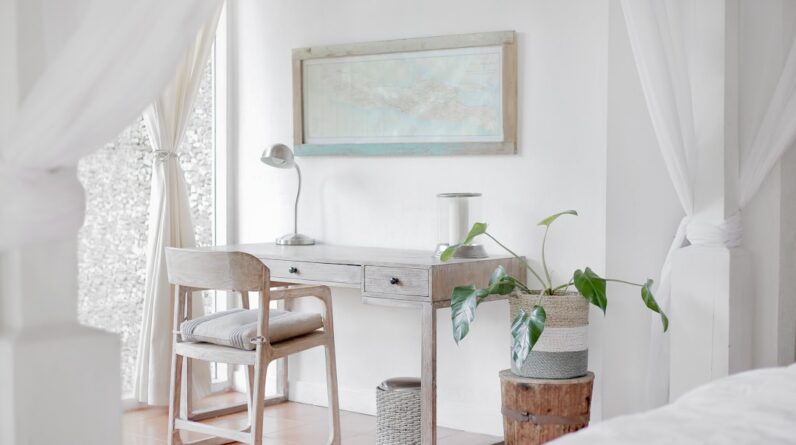
If you’re looking for a way to divide your space without taking up valuable floor area, hanging or suspended room dividers might be the perfect solution for you. These designs can create an airy feel while still providing the necessary separation between areas. One popular option is to use fabric panels suspended from the ceiling.
You can choose lightweight materials like sheer curtains or heavier fabrics depending on the level of privacy you desire. By varying the lengths and widths of the panels, you can create an interesting visual effect that adds depth to your room. Another innovative idea is to use macramé or woven wall hangings as dividers.
These artistic pieces not only serve as functional dividers but also add texture and warmth to your space. You can hang them from a curtain rod or directly from the ceiling, allowing them to flow gracefully between areas. This approach is particularly effective in bohemian or eclectic interiors, where creativity and individuality are celebrated.
Folding and Sliding Room Dividers
Folding and sliding room dividers are excellent choices for those who want flexibility in their space. These designs allow you to easily open up or close off areas as needed, making them ideal for multifunctional rooms. A classic folding screen can be made from wood or fabric and can be customized to fit your style.
You might choose to paint it in bold colors or cover it with patterned fabric that complements your decor. The beauty of folding screens lies in their ability to be moved around effortlessly, allowing you to adapt your space according to your needs. Sliding dividers are another fantastic option for creating flexible spaces.
You can install sliding barn doors or track systems that allow panels to glide smoothly along a rail. This design not only saves space but also adds a touch of rustic charm to your home. You can use reclaimed wood for an authentic look or opt for sleek glass panels for a more modern aesthetic.
The choice is yours, and with some basic carpentry skills, you can create a stunning focal point that enhances both functionality and style.
Natural and Botanical Room Dividers
Incorporating natural elements into your home can create a calming atmosphere, and using plants as room dividers is an excellent way to achieve this effect. You might consider using tall potted plants or even creating a vertical garden that serves as a living wall between spaces. This not only provides separation but also improves air quality and adds a refreshing touch of greenery to your environment.
If you’re looking for something more structured, consider building a wooden frame filled with planters that hold various plants. This design allows you to customize the types of plants based on your preferences and the amount of light available in each area. Additionally, using natural materials like bamboo or rattan for your divider can enhance the organic feel of your space while providing an effective barrier between different zones.
Creative and Artistic Room Dividers

Your room divider can be more than just a functional element; it can also serve as an artistic expression of your personality. Consider using canvas panels that you can paint or decorate with mixed media art techniques. This approach allows you to create a one-of-a-kind piece that reflects your style while also serving its intended purpose.
You could even involve family members or friends in the creative process, making it a fun group project. Another artistic option is to use framed artwork or photographs hung on wires or strings to create an eye-catching divider. This design not only separates spaces but also showcases your favorite pieces of art in an unconventional way.
You might choose to rotate the artwork periodically, keeping the divider fresh and engaging over time.
Functional and Multi-purpose Room Dividers
When designing your DIY room divider, consider how it can serve multiple purposes beyond just separation. For instance, you could create a bookshelf that doubles as a room divider, providing both storage and privacy in one stylish piece. This approach is particularly useful in small apartments where maximizing space is essential.
Another idea is to incorporate hooks or shelves into your divider design for added functionality. You could create a coat rack on one side while maintaining an open feel on the other side with sheer fabric panels. This way, you not only define different areas but also provide practical solutions for everyday needs.
Conclusion and Tips for DIY Room Dividers
As you embark on your journey to create DIY room dividers, remember that the possibilities are virtually limitless. The key is to think creatively about how you can use materials and designs that resonate with your personal style while fulfilling practical needs in your space. Start by assessing what areas require separation and how much privacy you desire in each zone.
Before diving into your project, gather inspiration from various sources such as home decor magazines, online platforms like Pinterest, or even local craft stores where you can see materials firsthand. Don’t hesitate to experiment with different designs and layouts until you find what works best for you. Ultimately, creating DIY room dividers should be an enjoyable process that enhances both the functionality and beauty of your home environment.
With careful planning and creativity, you’ll be able to craft unique dividers that reflect your personality while transforming your living space into something truly special.
FAQs
What are some common materials used for DIY room dividers?
Some common materials used for DIY room dividers include wood, metal, fabric, glass, bamboo, and PVC pipes. These materials can be easily sourced and are versatile for creating different styles of room dividers.
What are some popular styles of DIY room dividers?
Popular styles of DIY room dividers include hanging fabric panels, sliding barn doors, folding screens, bookshelf dividers, beaded curtains, and plant walls. These styles offer both functionality and aesthetic appeal for dividing a room.
Are DIY room dividers easy to build?
DIY room dividers can be relatively easy to build, depending on the chosen design and materials. Many designs can be constructed using basic tools and simple construction techniques, making them accessible for beginners.
How can DIY room dividers be used in a space?
DIY room dividers can be used to create separate areas within a room, provide privacy, add visual interest, and improve the overall organization of a space. They are versatile and can be customized to fit the specific needs of a room.
What are the benefits of using DIY room dividers?
Some benefits of using DIY room dividers include cost-effectiveness, customization options, flexibility in design, and the ability to repurpose materials. They also offer a creative way to divide a space without the need for permanent walls.