When you step into a space, the first thing that often captures your attention is the interplay between furniture and architecture. This harmony is not merely a matter of aesthetics; it significantly influences how you experience a room. The relationship between furniture and architecture can evoke emotions, create comfort, and even dictate the functionality of a space.
When these two elements work in tandem, they create an environment that feels cohesive and inviting, allowing you to engage with the space on a deeper level. Understanding the importance of this harmony is crucial for anyone looking to design or renovate a space. You may find that the right furniture can enhance architectural features, drawing your eye to beautiful details like moldings or windows.
Conversely, poorly chosen furniture can clash with architectural elements, creating a disjointed feel that detracts from the overall experience. By recognizing the significance of this relationship, you can make informed choices that elevate your living or working environment.
Key Takeaways
- Furniture-architecture harmony is crucial for creating a cohesive and visually appealing space.
- Cohesive design aesthetics can be achieved by carefully selecting furniture that complements the architectural style of a space.
- Furniture can enhance architectural features by drawing attention to key elements and adding visual interest.
- Scale and proportion play a significant role in creating harmonious furniture-architecture pairings.
- Functionality should be a key consideration when incorporating furniture into architectural elements to ensure practicality and usability.
Creating Cohesive Design Aesthetics
Modern Spaces, Modern Furniture
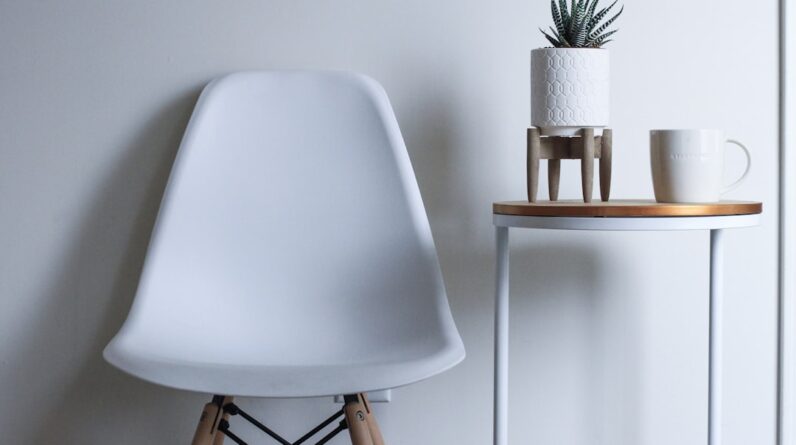
For instance, if you have a modern home with clean lines and minimalistic features, opting for sleek, contemporary furniture will reinforce that aesthetic.
Traditional Elegance, Timeless Charm
On the other hand, if your space boasts traditional architecture with ornate details, choosing classic furniture pieces can help maintain that timeless elegance.
Creating Harmony through Details
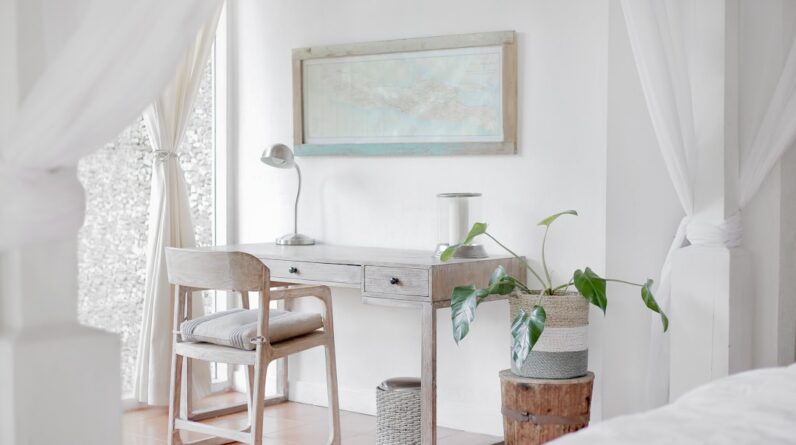
To achieve this cohesion, consider the color palette, materials, and textures of both your furniture and architectural elements. You might find that natural wood finishes in your furniture can echo wooden beams or flooring in your architecture, creating a sense of continuity. Similarly, if your walls are painted in soft neutrals, selecting furniture in complementary shades can enhance the overall visual appeal. By paying attention to these details, you can create a harmonious environment that feels thoughtfully designed.
How Furniture Enhances Architectural Features

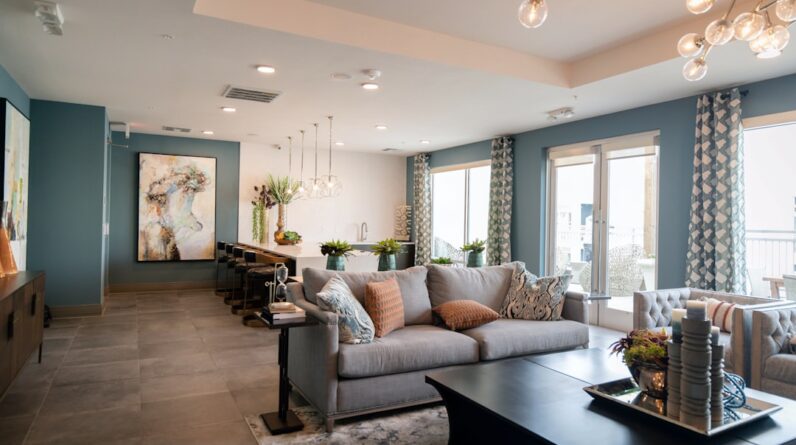
Furniture does more than just fill a space; it has the power to highlight and enhance architectural features. For example, a well-placed sofa can draw attention to a stunning fireplace or an intricately designed window. When you strategically position your furniture, you can create focal points that celebrate the unique characteristics of your architecture.
This not only adds visual interest but also encourages you and your guests to appreciate the craftsmanship of the space. Moreover, furniture can serve as a bridge between different architectural elements. If you have an open floor plan, using furniture to delineate areas can help define spaces without the need for physical barriers.
A stylish area rug paired with a sectional sofa can create a cozy living area within a larger room, while still allowing the architectural features to shine through. By thoughtfully selecting and arranging your furniture, you can enhance the beauty of your architecture while also improving functionality.
The Role of Scale and Proportion in Furniture-Architecture Pairings
Scale and proportion are critical factors in achieving a successful furniture-architecture pairing. When you choose furniture that is appropriately scaled for your space, you create a balanced environment that feels comfortable and inviting. If your room has high ceilings and expansive walls, opting for larger furniture pieces can help fill the space without making it feel empty or overwhelming.
Conversely, in smaller rooms, selecting more compact furniture can prevent the area from feeling cramped. Understanding proportion is equally important. The relationship between the size of your furniture and the architectural elements around it can significantly impact how you perceive the space.
For instance, if you have tall windows or doors, pairing them with low-profile furniture can create an interesting contrast that draws the eye upward. On the other hand, oversized furniture in a small room can make it feel cluttered and unwelcoming. By carefully considering scale and proportion, you can create an environment that feels harmonious and well-designed.
Incorporating Functionality into Architectural Elements
Functionality is a key aspect of both furniture and architecture. When designing a space, it’s essential to consider how each element will serve its purpose while also contributing to the overall aesthetic. Architectural features such as built-in shelves or alcoves can be enhanced by selecting furniture that fits seamlessly into these spaces.
For example, if you have a nook in your home, adding a custom bench or cushions can transform it into a cozy reading corner while maximizing functionality. Incorporating functionality into architectural elements also means thinking about how you use the space on a daily basis. You might find that adding multi-functional furniture—like an ottoman that doubles as storage—can help keep your space organized while complementing architectural features.
By prioritizing functionality alongside aesthetics, you create an environment that not only looks good but also works well for your lifestyle.
Balancing Form and Function in Furniture-Architecture Relationships
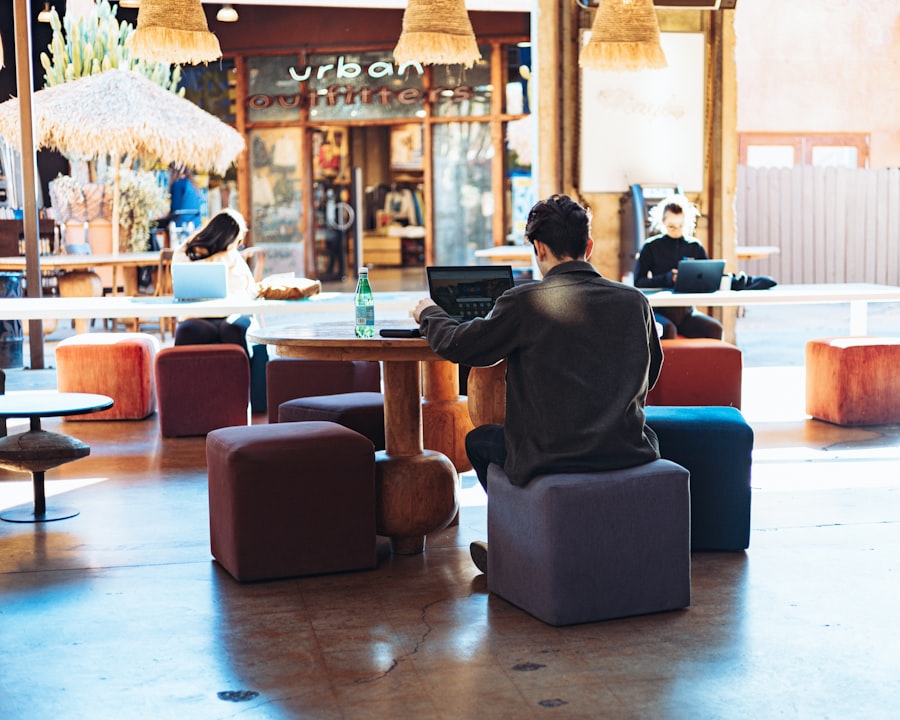
Functionality Should Not Be Compromised
You may come across beautifully designed pieces that lack practicality, making them less suitable for everyday use. On the other hand, highly functional items may not contribute positively to the overall design aesthetic of your space.
Striking the Perfect Balance
To achieve this balance, consider how each piece of furniture serves its purpose while also enhancing the architectural features around it. For example, selecting a stylish dining table that accommodates your family’s needs while complementing the room’s design can create an inviting atmosphere for gatherings.
Achieving Harmony in Your Space
By prioritizing both form and function in your choices, you ensure that your space is not only visually appealing but also practical for daily living. This harmony will create a space that is both beautiful and functional, perfect for relaxation and entertainment.
Case Studies: Successful Examples of Furniture-Architecture Integration
Examining successful case studies can provide valuable insights into effective furniture-architecture integration. One notable example is the use of modular furniture in open-concept homes. These versatile pieces allow for flexibility in layout while maintaining a cohesive design aesthetic that complements modern architecture.
By incorporating modular sofas or shelving units, homeowners can easily adapt their spaces to suit different needs without sacrificing style. Another inspiring case study involves historic buildings that have been renovated with contemporary furniture while preserving their architectural integrity. In these instances, designers often choose pieces that reflect the building’s history while introducing modern elements that enhance functionality.
This thoughtful approach creates a dialogue between old and new, allowing you to appreciate both the architectural features and the carefully selected furnishings.
Tips for Achieving the Perfect Marriage of Furniture and Architecture
To achieve the perfect marriage of furniture and architecture in your own space, start by assessing your existing elements. Take note of the architectural features that stand out and consider how your current furniture complements or detracts from them. You may find it helpful to create mood boards or sketches to visualize potential arrangements before making any changes.
Next, prioritize quality over quantity when selecting new pieces. Investing in well-crafted furniture that aligns with your architectural style will pay off in terms of longevity and aesthetic appeal. Additionally, don’t hesitate to experiment with different layouts until you find one that feels right for both functionality and design.
Finally, remember that achieving harmony between furniture and architecture is an ongoing process. As your tastes evolve or as you make changes to your space, be open to re-evaluating your choices to ensure they continue to work together seamlessly. By keeping these tips in mind, you can create an environment that beautifully marries form and function while celebrating both furniture and architecture in perfect harmony.
FAQs
What is the relationship between furniture and architecture?
Furniture and architecture have a symbiotic relationship, as they both contribute to the overall design and functionality of a space. Furniture is often designed to complement the architectural style of a building, while architecture provides the framework for how furniture is arranged and used within a space.
How does furniture enhance architecture?
Furniture can enhance architecture by adding functionality, comfort, and aesthetic appeal to a space. Well-designed furniture can complement the architectural features of a building and contribute to the overall atmosphere and experience of a space.
What are some examples of dynamic duos in furniture and architecture?
Examples of dynamic duos in furniture and architecture include the Eames Lounge Chair and Ottoman in modernist architecture, the Barcelona Chair in Bauhaus-inspired spaces, and the Wassily Chair in industrial-style buildings. These pairings demonstrate how furniture can enhance and complement specific architectural styles.
How does architecture influence furniture design?
Architecture influences furniture design by setting the tone for the overall style and aesthetic of a space. Furniture designers often take inspiration from architectural elements such as materials, forms, and proportions when creating pieces that are intended to harmonize with specific architectural styles.
Why is it important for furniture and architecture to work together harmoniously?
It is important for furniture and architecture to work together harmoniously because they both contribute to the overall functionality and aesthetic of a space. When they are in sync, they create a cohesive and inviting environment that enhances the user experience.