Embarking on a home DIY project can be both exciting and daunting. Whether you’re looking to renovate a room, build furniture, or simply tackle minor repairs, having the right tools at your disposal is crucial. Power tools, in particular, can significantly enhance your efficiency and precision, making even the most challenging tasks manageable.
As you delve into the world of DIY, understanding which power tools are essential will empower you to take on projects with confidence. Power tools come in various shapes and sizes, each designed for specific tasks. From drills to saws, these tools can transform your approach to home improvement.
As you explore the possibilities, you’ll find that investing in a few key power tools can open up a world of creativity and functionality in your living space. This article will guide you through the essential power tools you need, safety precautions to consider, and tips for maintaining your equipment, ensuring that your DIY journey is both safe and successful.
Key Takeaways
- Always wear appropriate safety gear when using power tools, including goggles, gloves, and ear protection.
- A cordless drill, circular saw, and jigsaw are essential power tools for basic home DIY projects.
- For larger home improvement projects, consider investing in a table saw, miter saw, and power sander.
- When choosing power tools, consider factors such as power source, ergonomics, and versatility for your specific DIY needs.
- Regularly clean and lubricate your power tools to ensure they remain in good working condition and have a longer lifespan.
Safety Precautions and Tips for Using Power Tools
Safety should always be your top priority when using power tools. Before you even plug in a tool, take a moment to familiarize yourself with its operation manual. Understanding how each tool works will not only help you use it effectively but also minimize the risk of accidents.
Always wear appropriate personal protective equipment (PPE), such as safety goggles, gloves, and ear protection. These items are designed to shield you from potential hazards, ensuring that you can focus on your project without worrying about injury. Additionally, maintaining a clean and organized workspace is vital for safety.
Clutter can lead to accidents, so make sure your work area is free of debris and obstacles. When using power tools, keep your hands and body clear of moving parts and always be aware of your surroundings. If you’re working with loud equipment, consider using hearing protection to prevent long-term damage to your hearing.
By following these safety precautions, you can create a secure environment that allows you to work confidently and efficiently.
Must-Have Power Tools for Basic Home DIY Projects
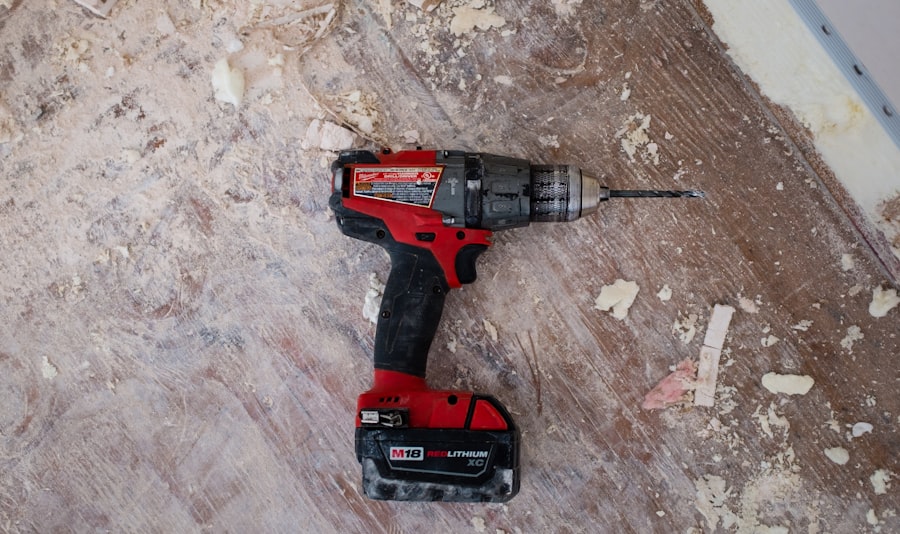
As you begin your DIY journey, there are several power tools that you should consider as essentials for basic home projects. A cordless drill is one of the most versatile tools you can own. It allows you to drill holes and drive screws with ease, making it perfect for assembling furniture or hanging shelves.
Look for a model with adjustable speed settings and a variety of drill bits to expand its functionality. Another indispensable tool is the circular saw. This powerful saw can cut through wood, plastic, and even metal with precision.
Whether you’re building a deck or cutting boards for a new project, a circular saw will save you time and effort compared to manual cutting methods. Additionally, a jigsaw is great for making intricate cuts and curves, allowing you to tackle more creative projects like crafting custom furniture or decorative elements for your home.
Advanced Power Tools for Tackling Larger Home Improvement Projects
Once you’ve mastered the basics, you may want to invest in more advanced power tools for larger home improvement projects. A table saw is an excellent addition to your toolkit if you’re planning on doing extensive woodworking. This tool provides greater accuracy and stability when making long cuts, making it ideal for projects like cabinetry or flooring installation.
Another advanced tool worth considering is a miter saw. This saw allows you to make precise angled cuts, which is essential for trim work or framing projects. With its ability to create clean edges and accurate angles, a miter saw can elevate the quality of your work significantly.
Additionally, if you’re planning on tackling larger renovations, a rotary hammer drill can be invaluable for drilling into concrete or masonry, enabling you to take on more ambitious projects with ease.
How to Choose the Right Power Tools for Your DIY Needs
Choosing the right power tools for your DIY needs involves assessing both your current projects and future aspirations. Start by evaluating the types of tasks you plan to undertake. If you’re primarily focused on woodworking, prioritize tools like drills, saws, and sanders that cater specifically to that craft.
On the other hand, if you’re interested in home repairs or renovations, consider investing in tools that offer versatility across various applications. It’s also essential to consider the quality of the tools you’re purchasing. While it may be tempting to opt for cheaper options, investing in high-quality power tools will pay off in the long run.
Look for reputable brands known for their durability and performance. Reading reviews and seeking recommendations from experienced DIYers can help guide your decision-making process. Ultimately, selecting the right tools will enhance your efficiency and enjoyment as you embark on your home improvement journey.
Maintenance and Care for Your Power Tools

Cleaning and Inspection
After each use, take the time to clean your tools thoroughly. Remove any dust or debris that may have accumulated during your project, as this can affect their performance over time.
Safety Checks
For electric tools, check the cords for any signs of wear or damage; frayed cords can pose serious safety risks. Additionally, regularly inspect your tools for any loose screws or parts that may need tightening or replacement.
Preventative Maintenance
Lubricating moving parts can also help maintain their functionality and prevent rusting. By establishing a routine maintenance schedule, you’ll ensure that your power tools remain in optimal condition, ready to tackle any project that comes your way.
Budget-Friendly Alternatives to Expensive Power Tools
If you’re just starting out or working with a limited budget, there are several budget-friendly alternatives to expensive power tools that can still get the job done effectively. Consider purchasing used or refurbished tools from reputable sellers; many times, these options are just as reliable as new ones but come at a fraction of the cost. Online marketplaces and local classifieds often have great deals on gently used equipment.
Another option is to rent power tools instead of buying them outright. Many hardware stores offer rental services that allow you to borrow tools for specific projects without the long-term commitment of ownership. This approach not only saves money but also gives you access to high-quality equipment that you may not use frequently enough to justify purchasing outright.
Where to Buy Quality Power Tools for Home DIY
When it comes to purchasing quality power tools for your home DIY projects, there are several avenues you can explore. Local hardware stores often carry a wide selection of tools and provide knowledgeable staff who can offer advice based on your specific needs. Additionally, big-box retailers typically have competitive prices and frequent sales on popular brands.
Online shopping has also become increasingly popular for purchasing power tools. Websites like Amazon offer extensive selections with customer reviews that can help inform your choices. However, be cautious when buying from lesser-known online retailers; always check return policies and warranty information before making a purchase.
By exploring various purchasing options, you’ll be well-equipped to find the right power tools at the best prices for all your DIY endeavors. In conclusion, equipping yourself with essential power tools is key to successfully navigating home DIY projects. By prioritizing safety precautions, understanding which tools are necessary for both basic and advanced tasks, and maintaining your equipment properly, you’ll set yourself up for success in all your home improvement endeavors.
Whether you’re just starting out or looking to expand your toolkit, being informed about your options will empower you to create the living space you’ve always envisioned.
FAQs
What are essential power tools for home DIY?
Some essential power tools for home DIY include a cordless drill, circular saw, jigsaw, power sander, and a power screwdriver.
Why are these power tools essential for home DIY?
These power tools are essential for home DIY because they can help with tasks such as drilling holes, cutting materials, sanding surfaces, and driving screws, making DIY projects easier and more efficient.
What should I consider when purchasing power tools for home DIY?
When purchasing power tools for home DIY, consider factors such as the tool’s power source (corded or cordless), the tool’s capabilities and features, the brand’s reputation, and the tool’s price and warranty.
How can I use power tools safely for home DIY?
To use power tools safely for home DIY, always read and follow the tool’s instruction manual, wear appropriate safety gear such as goggles and gloves, keep the work area clean and well-lit, and unplug the tool when not in use.
Can I rent power tools for home DIY projects?
Yes, many hardware stores and home improvement centers offer power tool rental services, allowing you to access a wide range of tools for your DIY projects without having to purchase them outright.