In recent years, the demand for interior designers has surged, driven by a confluence of factors that reflect changing societal values and economic conditions. As urbanization continues to rise, more individuals are seeking to create personalized spaces that reflect their identities and lifestyles. This trend is particularly evident in metropolitan areas where the real estate market is booming, and homeowners are increasingly investing in renovations and redesigns to enhance their living environments.
The growing awareness of the importance of well-designed spaces—both for functionality and aesthetics—has led to a heightened appreciation for the role of interior designers. As people spend more time at home, especially in the wake of the global pandemic, the desire for comfortable, stylish, and efficient living spaces has never been more pronounced. Moreover, the rise of remote work has transformed how individuals perceive their home environments.
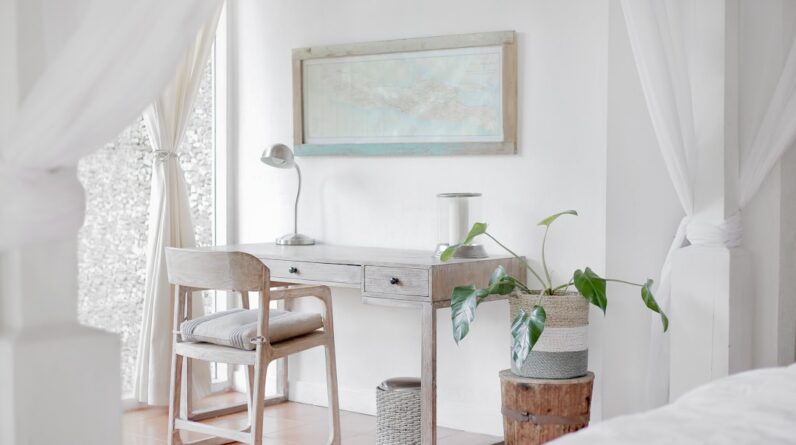
With many professionals now working from home, there is a pressing need for functional home offices that promote productivity while also being visually appealing. This shift has opened up new opportunities for interior designers to cater to a diverse clientele, from busy professionals seeking efficient workspaces to families looking to optimize their homes for both leisure and work. Additionally, the increasing focus on sustainability and eco-friendly design practices has further fueled demand for interior designers who can create spaces that are not only beautiful but also environmentally responsible.
As consumers become more conscious of their ecological footprint, they are turning to professionals who can guide them in making sustainable choices in their interior design projects.
Key Takeaways
- The demand for interior designers is on the rise due to the increasing focus on aesthetics and functionality in residential and commercial spaces.
- Interior designers can pursue various career paths, including residential design, commercial design, sustainable design, and set design for film and television.
- Essential skills for interior design careers include creativity, technical proficiency, communication skills, and knowledge of building codes and regulations.
- Pursuing a career in interior design offers the opportunity for creativity, flexibility, and the potential for high earning potential.
- To find success in the interior design industry, it is important to build a strong portfolio, network with industry professionals, and stay updated on the latest design trends and technologies.
Different Career Paths in Interior Design
Residential Interior Design
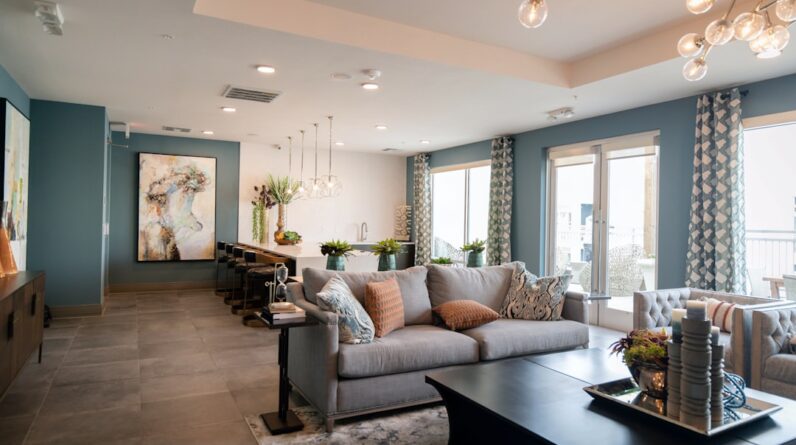
One of the most common routes is residential interior design, where professionals focus on creating aesthetically pleasing and functional living spaces for private clients. This path often involves collaborating closely with homeowners to understand their preferences and needs, translating those insights into cohesive design concepts that enhance the overall ambiance of a home. Residential designers may work on everything from single-room makeovers to complete home renovations, requiring a keen eye for detail and an understanding of current design trends.
Commercial Interior Design
On the other hand, commercial interior design presents a different set of challenges and opportunities. Designers in this sector work on projects such as office spaces, retail environments, restaurants, and hospitality venues. The emphasis here is often on creating functional spaces that not only meet the needs of businesses but also enhance customer experiences. This career path requires a strong understanding of branding and how physical spaces can influence consumer behavior. Additionally, commercial designers must navigate complex regulations and codes, making project management skills essential.
Specialized Areas of Interior Design
Beyond these two primary paths, there are also specialized areas such as healthcare design, which focuses on creating healing environments in hospitals and clinics, or sustainable design, where professionals prioritize eco-friendly materials and practices. Each of these paths offers unique rewards and challenges, allowing aspiring designers to find their niche within the broader field.
Essential Skills and Qualifications for Interior Design Careers

To thrive in the competitive world of interior design, aspiring professionals must cultivate a diverse skill set that encompasses both creative and technical abilities. A strong foundation in design principles is crucial; this includes an understanding of color theory, spatial relationships, and furniture arrangement. Additionally, proficiency in design software such as AutoCAD, SketchUp, or Revit is increasingly important as technology plays a significant role in modern design practices.
These tools enable designers to create detailed floor plans and 3D renderings that help clients visualize their projects before implementation. Furthermore, effective communication skills are essential for articulating design concepts to clients and collaborating with contractors and other stakeholders throughout the project lifecycle. In terms of qualifications, many interior designers hold a degree in interior design or a related field from an accredited institution.
While formal education provides a solid grounding in design theory and practice, hands-on experience through internships or entry-level positions is equally valuable. Many states also require interior designers to be licensed or certified, which typically involves passing an exam that tests knowledge of building codes, safety regulations, and design standards. Continuous professional development is vital in this ever-evolving field; attending workshops, pursuing additional certifications, or staying updated on industry trends can significantly enhance a designer’s marketability.
Ultimately, a combination of education, practical experience, and ongoing skill development will equip aspiring interior designers with the tools they need to succeed.
The Benefits of Pursuing a Career in Interior Design
| Benefits of Pursuing a Career in Interior Design |
|---|
| 1. Creativity and Self-Expression |
| 2. Job Satisfaction |
| 3. Versatile Career Opportunities |
| 4. High Demand for Interior Designers |
| 5. Potential for High Earnings |
| 6. Opportunity to Work with Diverse Clients |
| 7. Constantly Evolving Field |
Choosing a career in interior design offers numerous benefits that extend beyond mere financial rewards. One of the most appealing aspects of this profession is the opportunity for creative expression. Interior designers have the unique ability to transform spaces into reflections of their clients’ personalities and lifestyles, allowing them to leave a lasting impact on people’s lives through their work.
This creative freedom can be incredibly fulfilling; each project presents an opportunity to explore new ideas, experiment with different styles, and push the boundaries of conventional design. For those who thrive on creativity and innovation, interior design can be a deeply satisfying career choice. Additionally, the field of interior design often provides flexibility in terms of work environment and schedule.
Many designers have the option to work freelance or establish their own firms, allowing them to choose projects that align with their interests and values. This autonomy can lead to a better work-life balance compared to more traditional careers. Furthermore, as the demand for skilled interior designers continues to grow, job security within the industry remains relatively strong.
With opportunities spanning residential, commercial, and specialized sectors, designers can find niches that suit their expertise while enjoying a dynamic career landscape that evolves with changing trends and technologies.
Tips for Finding Success in the Interior Design Industry
Navigating the interior design industry requires not only talent but also strategic planning and networking skills. One of the most effective ways to establish oneself in this competitive field is by building a robust professional network. Attending industry events such as trade shows, conferences, or local design exhibitions can provide valuable opportunities to connect with other professionals, potential clients, and suppliers.
Engaging with online communities through social media platforms like Instagram or LinkedIn can also help designers showcase their work while gaining insights from peers and industry leaders. By fostering relationships within the design community, aspiring designers can open doors to collaborations and referrals that may significantly enhance their careers. Another crucial aspect of success in interior design is developing a strong personal brand.
This involves creating a cohesive portfolio that highlights one’s unique style and expertise while demonstrating versatility across various projects. A well-curated portfolio not only showcases completed work but also tells a story about the designer’s approach to problem-solving and creativity. Additionally, maintaining an active online presence through a professional website or blog can help attract potential clients by providing insights into one’s design philosophy and process.
By consistently sharing knowledge and engaging with audiences through content creation—be it articles on design trends or tips for home improvement—designers can position themselves as thought leaders in the industry.
Exploring Specialized Areas of Interior Design

Sustainable Design: A Growing Necessity
This may involve selecting sustainable materials, optimizing energy efficiency through smart technology integration, or incorporating biophilic elements that connect occupants with nature. As sustainability becomes increasingly important to consumers, professionals who can navigate this niche will find themselves in high demand.
Universal Design: Creating Accessible Spaces
Another specialized area gaining traction is universal design, which emphasizes accessibility for individuals of all ages and abilities. This approach seeks to create spaces that are functional for everyone—regardless of physical limitations—by incorporating features such as wider doorways, non-slip flooring, and adjustable fixtures. Designers working in this realm must possess a deep understanding of human-centered design principles while remaining sensitive to the diverse needs of their clients.
Enhancing Quality of Life and Community Well-being
By focusing on inclusivity and accessibility, these professionals not only enhance quality of life for individuals but also contribute positively to community well-being. As the field of interior design continues to evolve, it is likely that specialized areas such as sustainable design and universal design will play an increasingly important role in shaping the built environment.
The Future of Interior Design Careers
Looking ahead, the future of interior design careers appears promising as emerging trends continue to shape the industry landscape. One significant development is the increasing integration of technology into design processes. From virtual reality (VR) tools that allow clients to experience spaces before they are built to advanced software that streamlines project management tasks, technology is revolutionizing how designers operate.
As these tools become more accessible and user-friendly, they will likely become standard practice within the industry—creating new opportunities for designers who are adept at leveraging technology to enhance their services. Moreover, as societal values shift towards greater emphasis on wellness and mental health, interior designers will play an essential role in creating environments that promote well-being. This includes designing spaces that prioritize natural light, incorporate calming color palettes, and utilize materials that contribute positively to indoor air quality.
As awareness grows around the impact of our surroundings on mental health, designers who can create restorative environments will be highly sought after. In conclusion, the future holds exciting possibilities for those entering the field of interior design; by embracing innovation and prioritizing holistic approaches to space creation, aspiring designers can carve out successful careers while making meaningful contributions to society at large.
FAQs
What are interior design jobs?
Interior design jobs involve creating functional and aesthetically pleasing interior spaces for clients. This can include residential, commercial, or industrial spaces.
What are the responsibilities of someone in an interior design job?
Responsibilities of an interior designer may include meeting with clients to understand their needs, creating design concepts, selecting materials and furnishings, creating drawings and plans, and overseeing the implementation of the design.
What skills are required for interior design jobs?
Skills required for interior design jobs include creativity, attention to detail, knowledge of design principles, proficiency in design software, strong communication skills, and the ability to work within a budget.
What education is needed for interior design jobs?
Many interior design jobs require a bachelor’s degree in interior design or a related field. Some positions may also require licensure or certification, depending on the specific area of design.
What is the job outlook for interior design jobs?
The job outlook for interior design jobs is expected to grow at a rate of 4% from 2019 to 2029, which is about as fast as the average for all occupations. Demand for interior designers may be driven by the need for sustainable design and the renovation of existing structures.