Scandinavian interior design has its roots deeply embedded in the cultural and historical contexts of the Nordic countries, which include Denmark, Norway, Sweden, Finland, and Iceland. Emerging in the early 20th century, this design philosophy was significantly influenced by the social and economic changes that swept through Europe following World War
The movement sought to create functional yet aesthetically pleasing living spaces that reflected the values of simplicity, minimalism, and a connection to nature. The ethos of this design style was largely shaped by the principles of the Bauhaus movement and the Arts and Crafts movement, both of which emphasized craftsmanship and the importance of design in everyday life. As a result, Scandinavian design became synonymous with a harmonious blend of form and function, where every piece of furniture and decor served a purpose while also contributing to an overall sense of beauty.
Rise to International Recognition
The post-war period saw a surge in the popularity of Scandinavian design, particularly during the 1950s and 1960s, when it began to gain international recognition. Designers like Hans Wegner, Alvar Aalto, and Arne Jacobsen became household names, celebrated for their innovative approaches to furniture design that prioritized comfort and usability without sacrificing style.
A Shift in Perspective
This era marked a significant shift in how people viewed interior spaces; homes were no longer just places to live but rather reflections of personal identity and lifestyle.
Global Influence and Timeless Appeal
The Scandinavian aesthetic began to permeate global consciousness, influencing not only architecture and interior design but also fashion and art. Today, Scandinavian interior design is revered for its timeless appeal and continues to inspire contemporary designers around the world, embodying a philosophy that values simplicity, functionality, and a deep appreciation for natural materials.
Key Takeaways
- Scandinavian interior design originated in the 1950s and is influenced by the Nordic countries’ harsh climate and long winters.
- Key elements of Scandinavian interior design include minimalism, functionality, and simplicity.
- The color palette in Scandinavian interior design is typically neutral with pops of muted colors, and textures include natural materials like wood and wool.
- Furniture and decor in Scandinavian interior design are characterized by clean lines, natural materials, and a focus on comfort and functionality.
- Incorporating nature into Scandinavian interior design can be achieved through the use of natural materials, houseplants, and natural light.
Key Elements of Scandinavian Interior Design
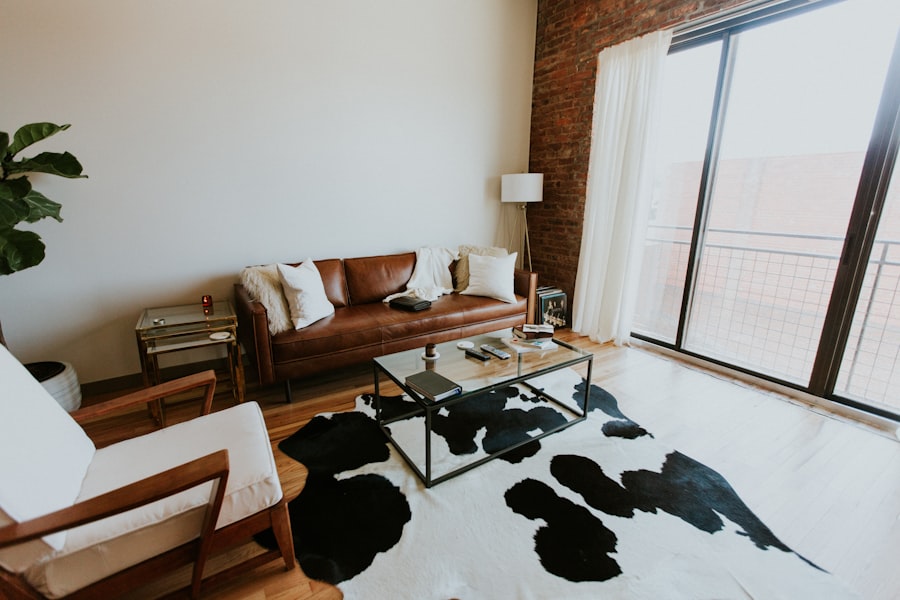
At the heart of Scandinavian interior design lies a commitment to minimalism, characterized by clean lines, uncluttered spaces, and an overall sense of order. This design philosophy emphasizes the importance of functionality, ensuring that each element within a space serves a distinct purpose. Furniture is often designed with practicality in mind, featuring multi-functional pieces that can adapt to various needs without compromising on style.
For instance, a coffee table may double as a storage unit, while a sofa can transform into a bed for guests. This focus on utility not only maximizes space but also fosters an environment that feels open and inviting. The use of natural materials such as wood, leather, and textiles further enhances this aesthetic, creating a warm and welcoming atmosphere that encourages relaxation and comfort.
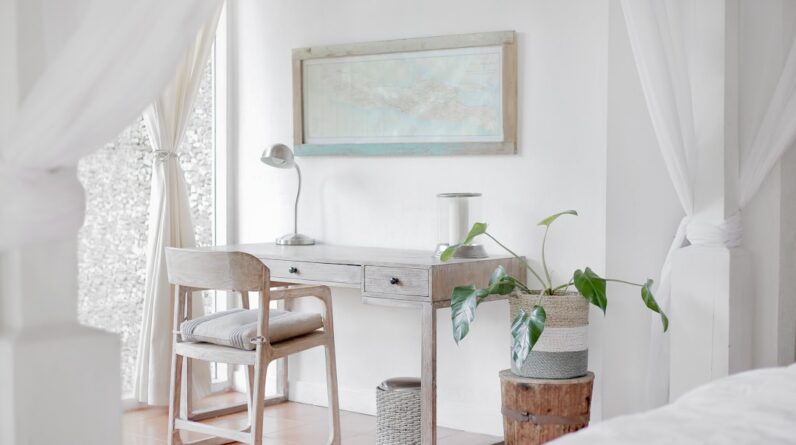
Another defining characteristic of Scandinavian design is its emphasis on light. Given the long winters and limited daylight hours experienced in many Nordic countries, designers have ingeniously incorporated elements that enhance natural light within interiors. Large windows are common, allowing sunlight to flood into living spaces and create an airy ambiance.
Additionally, light-colored walls and furnishings are prevalent, reflecting light and making rooms feel more expansive. The strategic use of mirrors can also amplify brightness while adding depth to a space. Furthermore, lighting fixtures play a crucial role in Scandinavian interiors; pendant lights, floor lamps, and wall sconces are often designed with simplicity in mind yet serve as striking focal points that contribute to the overall aesthetic.
This harmonious interplay between light and space is essential in creating an inviting environment that embodies the essence of Scandinavian living.
Color Palette and Textures in Scandinavian Interior Design
| Aspect | Description |
|---|---|
| Color Palette | Neutral colors such as white, beige, and light grey are commonly used in Scandinavian interior design to create a clean and airy atmosphere. |
| Textures | Natural textures like wood, leather, and wool are often incorporated to add warmth and coziness to the space. |
| Accent Colors | Subtle pops of color such as soft pastels or muted tones are used sparingly to add visual interest without overwhelming the space. |
| Minimalism | Scandinavian design embraces minimalism, with a focus on simplicity and functionality in furniture and decor. |
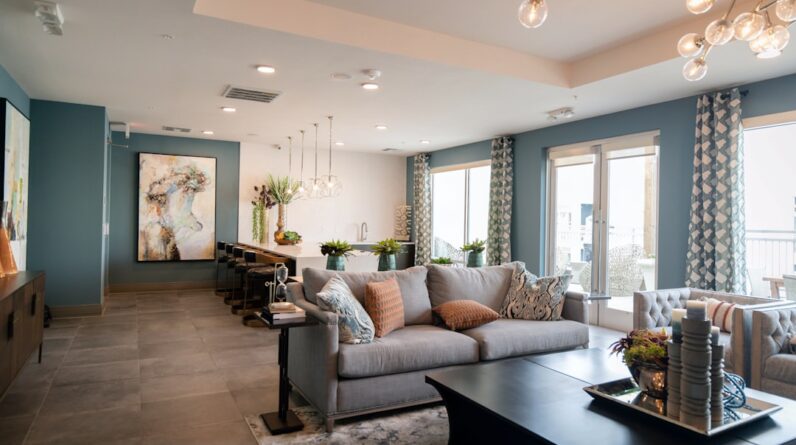
The color palette in Scandinavian interior design is typically characterized by soft, muted tones that evoke a sense of calm and tranquility. Whites, grays, beiges, and pastels dominate the landscape, creating a serene backdrop that allows for flexibility in decor choices. These neutral shades not only reflect the natural light that is so vital in Nordic countries but also serve as a canvas for bolder accents.
Bright colors may be introduced through accessories such as cushions, artwork, or decorative items, providing visual interest without overwhelming the space. This thoughtful approach to color ensures that interiors remain cohesive while allowing for personal expression through carefully curated accents. Textures play an equally important role in achieving the quintessential Scandinavian aesthetic.
The juxtaposition of various materials adds depth and warmth to interiors that might otherwise feel stark due to their minimalist nature. Soft textiles such as wool throws, linen curtains, and plush rugs are commonly used to create layers within a space, inviting touch and comfort. Natural wood finishes are prevalent in furniture and flooring, contributing an organic element that resonates with the region’s connection to nature.
Additionally, ceramics and metals are often incorporated into decor items, providing contrast against softer textures while maintaining an overall sense of harmony. This careful balance between color and texture is essential in crafting spaces that feel both stylish and livable, embodying the Scandinavian ethos of comfort without sacrificing elegance.
Furniture and Decor in Scandinavian Interior Design
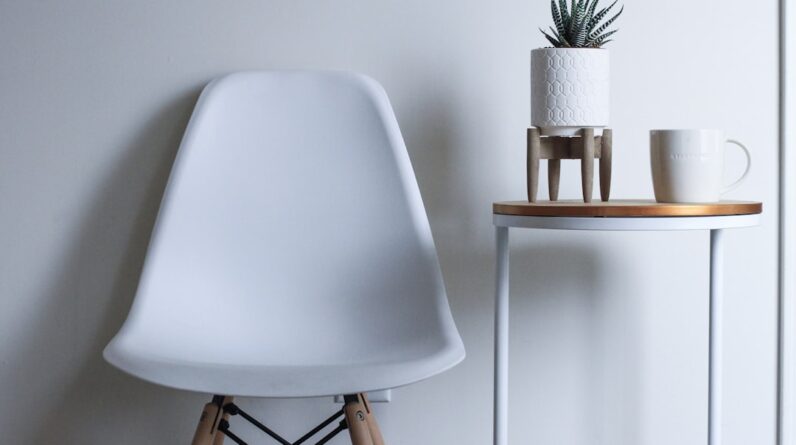
Furniture in Scandinavian interior design is often marked by its simplicity and functionality. Iconic pieces such as the Egg Chair by Arne Jacobsen or the Wishbone Chair by Hans Wegner exemplify this philosophy through their elegant forms and practical designs. These pieces are not merely functional; they are also works of art that contribute to the overall aesthetic of a space.
The emphasis on craftsmanship is evident in the attention to detail found in each piece, with many designers opting for high-quality materials that ensure longevity. This focus on durability aligns with the sustainable practices increasingly embraced by contemporary designers who recognize the importance of creating timeless pieces that withstand changing trends. Decorative elements within Scandinavian interiors tend to follow suit with a similar ethos of simplicity and purpose.
Accessories are often chosen for their ability to enhance the overall design without cluttering the space. Natural elements such as plants or floral arrangements are frequently incorporated to bring life into interiors while reinforcing the connection to nature that is central to Scandinavian design principles. Artwork is typically minimalistic yet impactful; abstract pieces or black-and-white photography can serve as striking focal points without overwhelming the senses.
Additionally, functional decor items such as stylish storage solutions or decorative trays are commonly used to maintain organization while adding visual interest. This careful curation of furniture and decor ensures that each element contributes meaningfully to the overall aesthetic while fostering an environment that feels both inviting and sophisticated.
Incorporating Nature into Scandinavian Interior Design
Natural Materials and Inspiration
The Nordic landscape, characterized by vast forests, serene lakes, and rugged mountains, serves as a constant source of inspiration for designers who seek to bring elements of the outdoors inside. Natural materials such as wood are favored not only for their durability but also for their ability to evoke warmth and comfort within living spaces.
Bringing the Outdoors In
Whether it’s through exposed wooden beams or furniture crafted from sustainably sourced timber, these elements create an organic feel that resonates with the natural world outside. In addition to material choices, incorporating greenery into interiors is another way to celebrate nature within Scandinavian design. Houseplants are often strategically placed throughout spaces to enhance air quality while adding vibrant pops of color against neutral backdrops.
Large Windows and Framing Nature
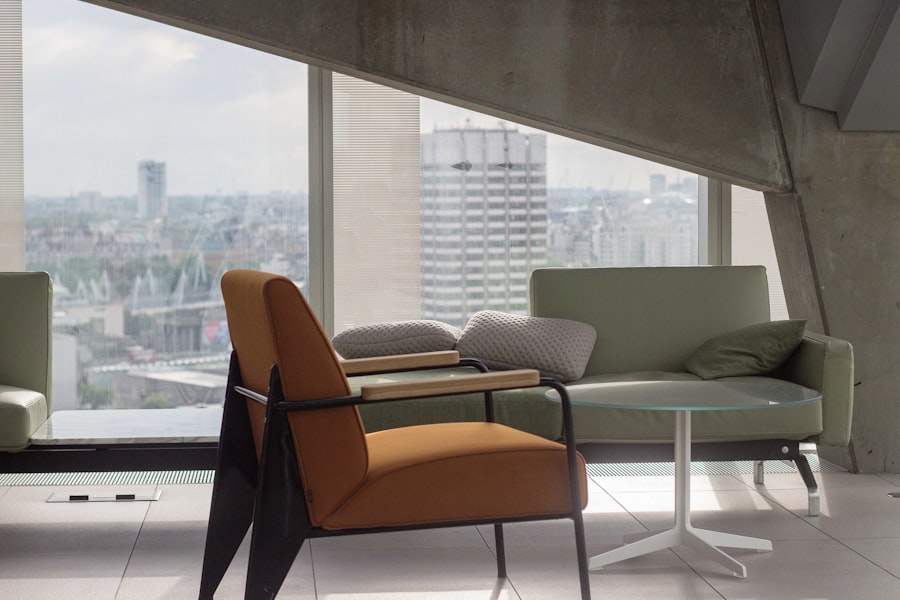
Popular choices include hardy plants like succulents or ferns that thrive indoors with minimal care. Furthermore, large windows are utilized not just for light but also for framing views of nature outside—turning landscapes into living art pieces that change with the seasons. This seamless integration of natural elements fosters a sense of tranquility within homes while reinforcing the idea that our living environments should reflect our connection to the world around us.
Tips for Achieving a Scandinavian Interior Design Aesthetic
To achieve a Scandinavian interior design aesthetic in your own home, start by embracing minimalism as a guiding principle. Begin decluttering your space by removing unnecessary items that do not serve a purpose or bring you joy; this will create an open environment conducive to relaxation and creativity. Once you have established a clean slate, focus on selecting furniture pieces that embody simplicity while offering functionality—think multi-purpose items that maximize space without compromising style.
Opt for light-colored woods or painted finishes for larger furniture pieces to maintain an airy feel throughout your home. Next, pay attention to your color palette by incorporating soft neutrals as your base while allowing for occasional bursts of color through accessories or artwork. Layering textures is also essential; mix materials such as wool throws with linen cushions or leather accents to create depth within your space.
Finally, don’t forget about lighting—invest in quality fixtures that not only illuminate your home but also serve as statement pieces reflecting your personal style. By thoughtfully curating each element within your space according to these principles, you can successfully create an inviting atmosphere that embodies the essence of Scandinavian design.
How to Mix Scandinavian Design with Other Styles
While Scandinavian design stands out for its unique characteristics, it can also be beautifully integrated with other styles to create eclectic yet harmonious interiors. One effective approach is to blend Scandinavian minimalism with bohemian elements; this can be achieved by incorporating vibrant textiles or artisanal decor alongside sleek furniture pieces. For instance, layering patterned rugs over light wooden floors can add warmth while maintaining an open feel typical of Scandinavian aesthetics.
Similarly, introducing plants or handmade pottery can infuse personality into your space without overwhelming its simplicity. Another way to mix styles is by combining Scandinavian design with industrial elements—think raw materials like exposed brick or metal accents paired with clean-lined furniture. This juxtaposition creates an intriguing contrast that highlights both styles’ strengths while fostering an environment rich in character.
Additionally, consider incorporating vintage or mid-century modern pieces alongside contemporary Scandinavian designs; this blend can add depth and history to your interiors while celebrating timeless craftsmanship across eras. By thoughtfully curating elements from various styles while remaining true to core principles of functionality and simplicity inherent in Scandinavian design, you can create spaces that feel uniquely yours yet resonate with broader design philosophies.
FAQs
What is interior design style?
Interior design style refers to a specific aesthetic and atmosphere that is created within a space through the use of furniture, decor, color schemes, and other design elements. Different interior design styles can evoke different moods and reflect different cultural influences.
What are some popular interior design styles?
Some popular interior design styles include modern, minimalist, traditional, farmhouse, industrial, Scandinavian, bohemian, and mid-century modern. Each style has its own unique characteristics and design elements.
How do I choose the right interior design style for my space?
When choosing an interior design style for your space, consider your personal preferences, the architectural style of your home, and the function of the space. It’s also helpful to gather inspiration from interior design magazines, websites, and social media platforms to help you determine which style resonates with you.
What are some key elements of interior design styles?
Key elements of interior design styles can include specific furniture pieces, color palettes, patterns, textures, and decorative accents. For example, a modern style may feature clean lines and minimalistic furniture, while a traditional style may include ornate furniture and rich, warm colors.
Can I mix different interior design styles in one space?
Yes, it is possible to mix different interior design styles in one space to create a unique and eclectic look. However, it’s important to ensure that the different styles complement each other and create a cohesive overall aesthetic. This can be achieved through careful selection of design elements and a thoughtful approach to blending different styles.