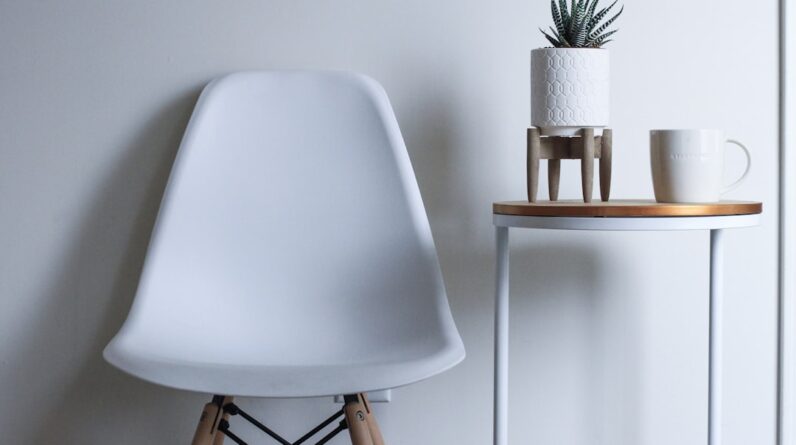
The Interior Design Hall serves as a vibrant nexus for creativity, innovation, and inspiration in the world of interior design. This space is not merely a physical location; it embodies the essence of design philosophy, showcasing the latest trends, techniques, and materials that shape our living environments. Visitors to the hall are greeted with an array of exhibits that highlight the transformative power of design, where every corner tells a story and every piece of furniture has a purpose.
The hall acts as a melting pot for designers, architects, and enthusiasts alike, fostering a community that thrives on collaboration and the exchange of ideas. It is here that one can witness the evolution of design concepts, from traditional aesthetics to contemporary interpretations, all while appreciating the artistry involved in creating functional yet beautiful spaces. As one navigates through the hall, it becomes evident that interior design is not just about aesthetics; it is a reflection of cultural values, personal identities, and societal trends.
The exhibits often feature a diverse range of styles and influences, showcasing how global perspectives can converge to create unique environments. From luxurious residential spaces to innovative commercial designs, the Interior Design Hall encapsulates the breadth of the discipline. It invites attendees to engage with the work of established designers and emerging talents alike, encouraging a dialogue about the future of interior spaces.
This dynamic atmosphere not only inspires creativity but also challenges conventional notions of design, pushing boundaries and inviting new interpretations that resonate with contemporary lifestyles.
Key Takeaways
- The Interior Design Hall showcases the latest trends and innovations in interior design.
- Sustainable and eco-friendly designs are becoming increasingly popular in interior design, with a focus on using environmentally friendly materials and practices.
- Technology integration is revolutionizing interior design, with smart home systems and innovative lighting solutions becoming more prevalent.
- Minimalist and Scandinavian influences are shaping modern interior design, with a focus on clean lines, simplicity, and functionality.
- Artisanal and handcrafted pieces are adding a unique and personal touch to interior spaces, with a growing appreciation for craftsmanship and authenticity.
- Bold and vibrant color palettes are making a statement in interior design, adding energy and personality to living spaces.
- Multifunctional and flexible furniture solutions are becoming essential in interior design, offering versatility and practicality for modern living spaces.
Sustainable and Eco-Friendly Designs
Sustainable Materials and Practices
Eco-friendly designs often incorporate materials that are renewable, recycled, or sourced from sustainable practices, minimizing environmental impact. Bamboo flooring and reclaimed wood furniture are gaining popularity due to their low ecological footprint and aesthetic appeal. Designers are also exploring innovative ways to reduce energy consumption through smart lighting solutions and energy-efficient appliances, creating spaces that are both beautiful and responsible.
A Holistic Approach to Sustainability
Sustainable design extends beyond material selection, encompassing the entire lifecycle of a product. Designers are now considering how their choices affect not only the environment but also the health and well-being of occupants. This approach includes using non-toxic paints and finishes, ensuring proper ventilation, and maximizing natural light to create healthier indoor environments.
Biophilic Design and Well-being
The integration of biophilic design principles, which bring nature indoors through plants and natural elements, further enhances the focus on well-being. By fostering a connection with nature, these designs promote mental health and overall quality of life. As sustainability becomes a core value in interior design, it challenges professionals to innovate continuously while remaining mindful of their ecological responsibilities.
Technology Integration in Interior Design
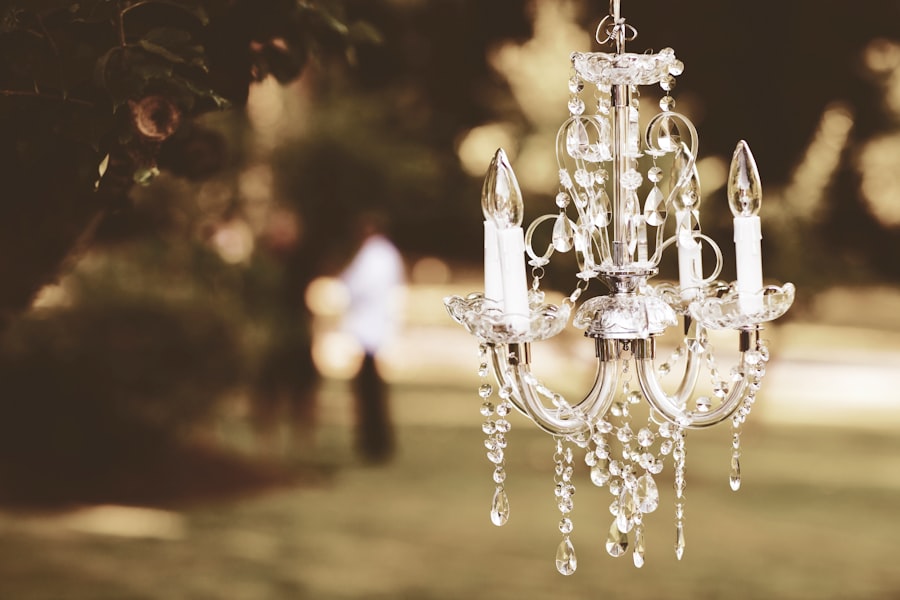
The integration of technology into interior design has revolutionized how spaces are conceived and experienced. With advancements in smart home technology, designers now have an array of tools at their disposal to create environments that are not only aesthetically pleasing but also highly functional. From automated lighting systems to smart thermostats and security features, technology enhances convenience and efficiency in everyday living.
Designers are increasingly incorporating these elements into their plans, allowing homeowners to control various aspects of their environment with ease. This seamless integration creates a harmonious balance between form and function, where technology enhances rather than detracts from the overall design aesthetic. Furthermore, technology has also transformed the way designers visualize and present their ideas.
Virtual reality (VR) and augmented reality (AR) tools enable clients to experience spaces before they are built, providing an immersive glimpse into the final product. This capability allows for more informed decision-making and fosters collaboration between designers and clients. Additionally, 3D modeling software has become an essential part of the design process, allowing for precise planning and execution.
As technology continues to evolve, it opens up new possibilities for creativity in interior design, encouraging professionals to think outside traditional boundaries. The future promises even more integration of technology into our living spaces, paving the way for innovative solutions that enhance our daily lives.
Minimalist and Scandinavian Influences
| Category | Minimalist and Scandinavian Influences |
|---|---|
| Color Palette | Neutral colors such as white, grey, and beige |
| Materials | Wood, metal, and natural fabrics |
| Furniture | Clean lines, functional, and simple designs |
| Decor | Minimalist artwork, plants, and functional decor items |
| Lighting | Natural light emphasized, simple and modern light fixtures |
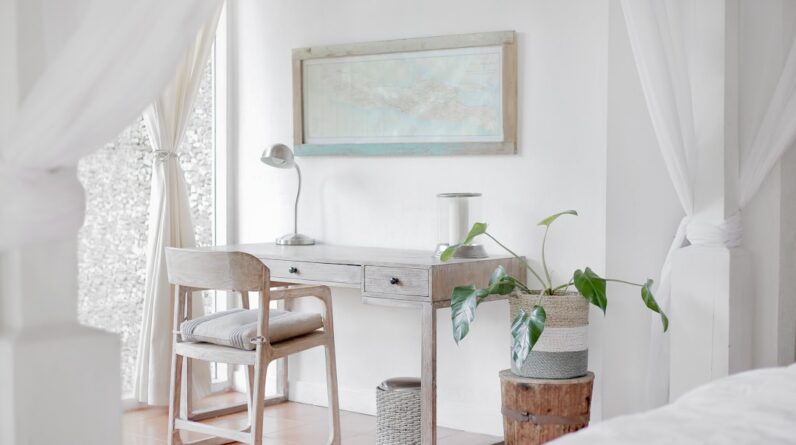
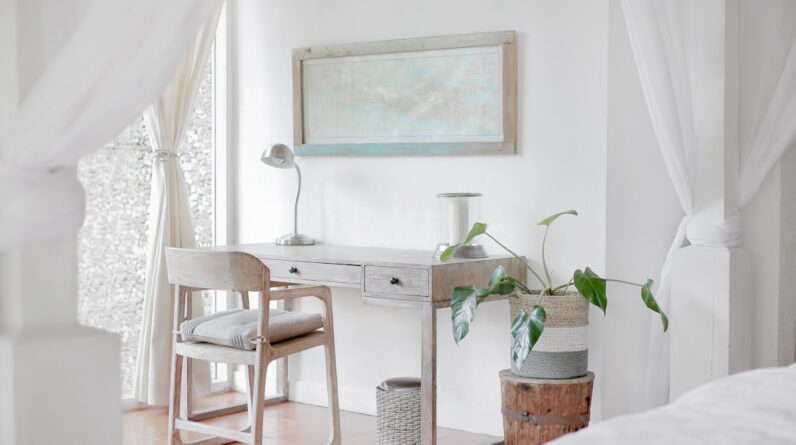
Minimalism and Scandinavian design have emerged as dominant influences in contemporary interior design, celebrated for their simplicity, functionality, and elegance. Rooted in the principles of “less is more,” minimalist design emphasizes clean lines, uncluttered spaces, and a restrained color palette. This approach creates an atmosphere of tranquility and order, allowing individuals to focus on what truly matters in their living environments.
Scandinavian design complements this ethos by incorporating natural materials such as wood and textiles that evoke warmth and comfort. The combination of these two styles results in spaces that feel both inviting and serene, promoting a sense of well-being amidst the chaos of modern life. The appeal of minimalist and Scandinavian influences lies in their versatility; they can be adapted to suit various tastes while maintaining a cohesive aesthetic.
Designers often play with textures and layers to add depth without overwhelming the senses. For instance, a minimalist living room may feature a neutral color scheme punctuated by a single statement piece—a vibrant artwork or an intricately designed chair—that draws the eye without cluttering the space. Additionally, functionality is paramount in these designs; furniture is often multi-purpose, serving both practical needs and aesthetic desires.
This focus on utility ensures that every element within a space contributes to its overall harmony. As more individuals seek refuge from the complexities of contemporary life, minimalist and Scandinavian influences continue to resonate deeply within interior design.
Artisanal and Handcrafted Pieces
In an age dominated by mass production and fast fashion, there is a growing appreciation for artisanal and handcrafted pieces within interior design. These unique items tell stories through their craftsmanship, embodying the skill and dedication of artisans who pour their heart into each creation. From handwoven textiles to custom-made furniture, these pieces add character and authenticity to any space.
The resurgence of interest in artisanal work reflects a broader cultural shift towards valuing individuality over uniformity—a desire for homes that reflect personal stories rather than cookie-cutter aesthetics. Moreover, incorporating handcrafted elements into interior design fosters a connection between people and their environments. Each piece carries its own narrative, often rooted in cultural traditions or local craftsmanship techniques.
This emphasis on storytelling enriches the overall design experience, inviting occupants to engage with their surroundings on a deeper level. Designers are increasingly collaborating with local artisans to source unique items that resonate with their vision while supporting sustainable practices within their communities. By prioritizing artisanal craftsmanship over mass-produced alternatives, interior designers contribute to preserving cultural heritage while creating spaces that feel genuinely personal and meaningful.
Bold and Vibrant Color Palettes

The Power of Color in Interior Design
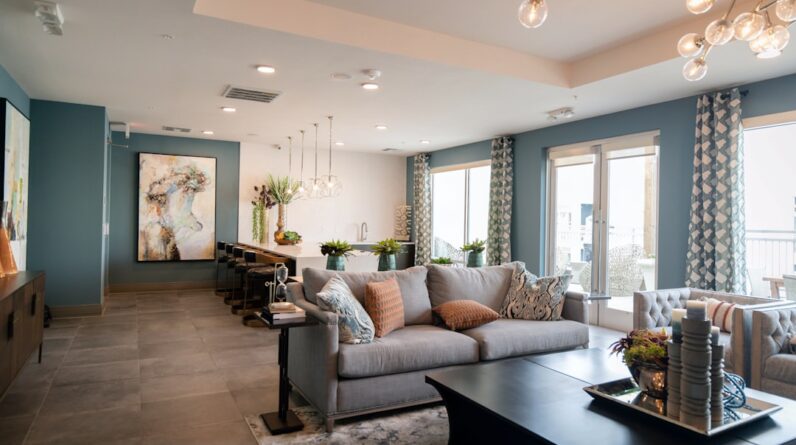
Color plays a pivotal role in shaping our emotional responses to spaces, making bold and vibrant color palettes an essential aspect of contemporary interior design. Designers are increasingly embracing daring hues that evoke energy and excitement while challenging traditional notions of color usage within interiors. From rich jewel tones to bright primary colors, these palettes can transform an ordinary room into an extraordinary experience.
Strategic Color Usage in Interior Spaces
The strategic use of color can create focal points within a space or establish a cohesive theme that ties various elements together seamlessly. In addition to enhancing aesthetics, bold colors can also influence mood and behavior within a space. For instance, warm colors like reds and oranges can stimulate conversation and creativity, making them ideal choices for social areas such as living rooms or kitchens.
Color Psychology in Interior Design
Conversely, cooler tones like blues and greens promote calmness and relaxation—perfect for bedrooms or meditation spaces. Designers often experiment with color blocking techniques or accent walls to create visual interest without overwhelming occupants. By understanding the psychological impact of different colors, designers can create spaces that not only look beautiful but also promote well-being and comfort.
The Future of Bold Color Palettes in Interior Design
As society becomes more open to self-expression through design choices, bold color palettes are likely to remain at the forefront of interior trends. With the increasing popularity of bold and vibrant colors, designers will continue to push the boundaries of color usage in interior design, creating unique and captivating spaces that reflect the personality and style of their occupants.
Multifunctional and Flexible Furniture Solutions
As urban living spaces become increasingly compact, the demand for multifunctional and flexible furniture solutions has surged within interior design circles. Designers are rising to this challenge by creating innovative pieces that serve multiple purposes without sacrificing style or comfort. For example, sofas that convert into beds or coffee tables with hidden storage compartments exemplify how furniture can adapt to various needs throughout the day.
This versatility not only maximizes space but also enhances functionality—allowing individuals to make the most out of their living environments. Moreover, flexible furniture solutions encourage a more dynamic approach to interior design by allowing spaces to evolve alongside changing lifestyles. As remote work becomes more prevalent or family dynamics shift over time, having adaptable furniture enables homeowners to reconfigure their spaces effortlessly.
Designers are increasingly incorporating modular systems that can be rearranged according to specific needs—whether hosting guests or creating dedicated workspaces at home. This trend reflects a broader understanding of how our environments impact our daily lives; by prioritizing flexibility in design choices, we can cultivate spaces that truly support our evolving needs while maintaining aesthetic appeal.
FAQs
What is interior design hall?
Interior design hall refers to the process of designing and decorating the entrance hall or foyer of a building or home. It involves creating a welcoming and aesthetically pleasing space that sets the tone for the rest of the interior.
What are the key elements of interior design hall?
Key elements of interior design hall include the use of appropriate lighting, furniture, decor, color schemes, and layout to create a visually appealing and functional space.
What are some popular interior design hall styles?
Popular interior design hall styles include modern, minimalist, traditional, contemporary, and eclectic. Each style has its own unique characteristics and design elements.
What are some tips for designing an interior design hall?
Some tips for designing an interior design hall include considering the scale and proportion of furniture and decor, using lighting to create ambiance, incorporating storage solutions, and adding personal touches to reflect the homeowner’s personality.
Why is interior design hall important?
Interior design hall is important as it sets the tone for the rest of the interior and creates a welcoming and functional space for residents and guests. It also adds to the overall aesthetic appeal of the home or building.