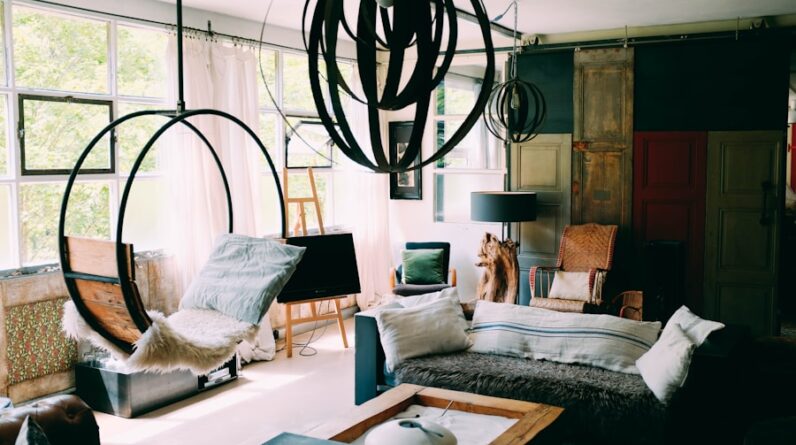
Cohesive interior design is more than just a visual treat; it’s a fundamental aspect of creating a space that feels harmonious and inviting. When you walk into a room where the design elements work together seamlessly, you experience a sense of comfort and tranquility. This is because cohesive design fosters an environment that reflects your personality and lifestyle while also promoting functionality.
It’s essential to recognize that every choice you make, from the color of the walls to the style of the furniture, contributes to the overall atmosphere of your home. By understanding this importance, you can create spaces that not only look good but also feel good. Moreover, cohesive interior design can significantly impact your mood and well-being.
A well-designed space can inspire creativity, enhance productivity, and even promote relaxation. When your home is thoughtfully arranged, it can serve as a sanctuary from the chaos of the outside world. You may find that a cohesive design helps you feel more organized and at peace, allowing you to focus on what truly matters in your life.
Therefore, investing time and effort into achieving a cohesive look is not just about aesthetics; it’s about crafting an environment that nurtures your spirit and supports your daily activities.
Key Takeaways
- Cohesive interior design creates a harmonious and visually appealing space.
- Finding your design style and vision is crucial for achieving a cohesive look.
- Creating a color scheme and palette sets the tone for the entire space.
- Balancing different textures and materials adds depth and interest to the design.
- Selecting furniture and decor that complement each other is essential for a cohesive look.
Finding Your Design Style and Vision
Exploring Design Styles
You might start by exploring various design styles—such as modern, rustic, industrial, or bohemian—and identifying which resonates with you the most. Consider what elements draw your attention in magazines, online platforms, or even in friends’ homes. By gathering inspiration from different sources, you can begin to form a clearer picture of what you want your space to convey.
Articulating Your Vision
Once you have a sense of your preferred style, it’s essential to articulate your vision. Think about how you want each room to function and what emotions you want to evoke when you enter them. Do you envision a cozy reading nook filled with soft textures and warm colors? Or perhaps a sleek, minimalist kitchen that promotes efficiency?
Creating a Roadmap for Your Design Journey
By defining your vision, you create a roadmap for your design journey, ensuring that every decision aligns with your overarching goals. This clarity will guide you as you make choices about colors, materials, and furnishings, ultimately leading to a cohesive and satisfying result.
Creating a Color Scheme and Palette
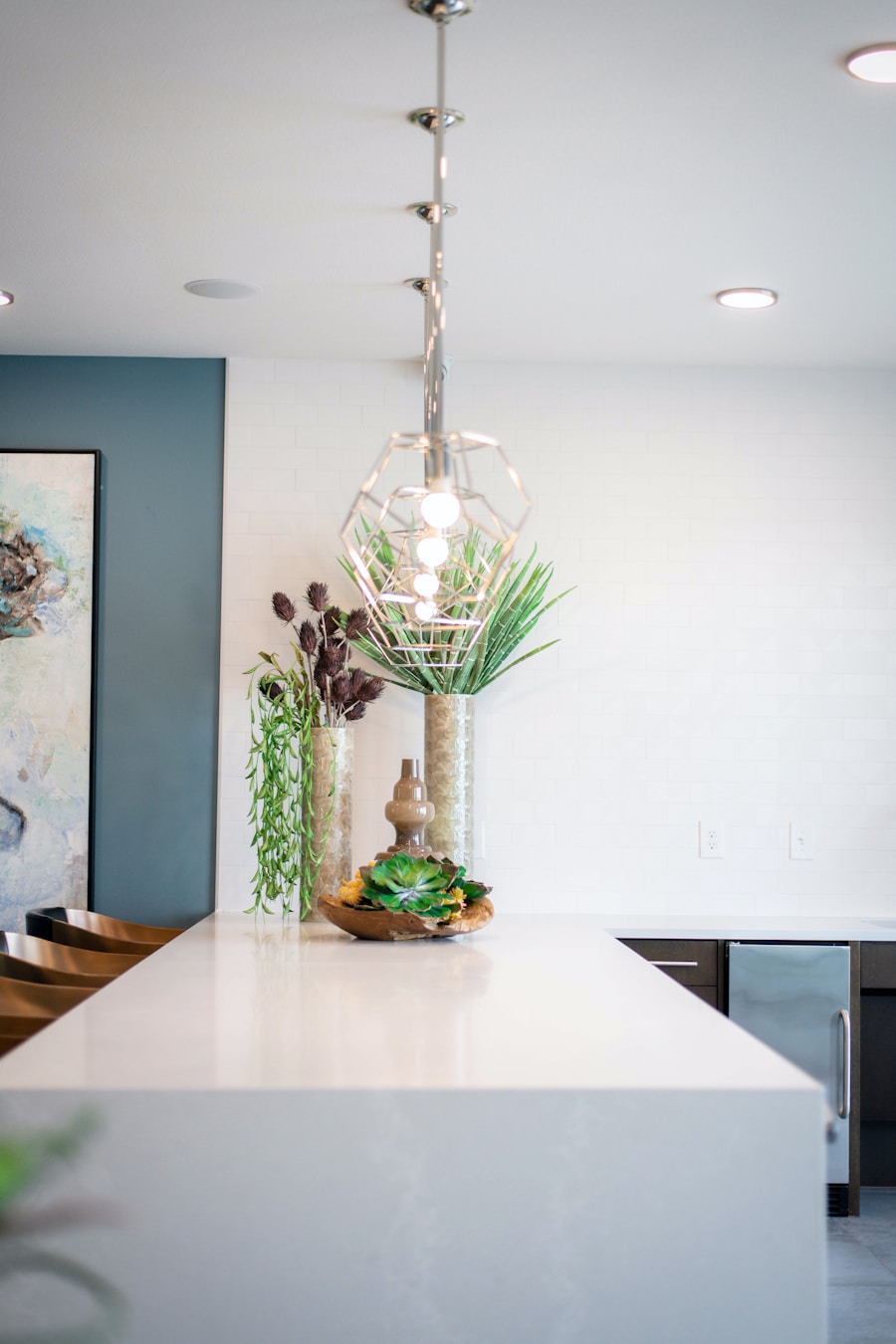
The color scheme you choose plays a pivotal role in establishing the mood and character of your space. Colors have the power to influence emotions; for instance, warm tones like reds and oranges can evoke energy and warmth, while cool tones like blues and greens can promote calmness and serenity. As you embark on creating your color palette, consider how different shades interact with one another and how they will affect the overall ambiance of your home.
To create a cohesive color scheme, start by selecting a primary color that resonates with your vision. From there, choose complementary colors that enhance and support this primary hue. You might opt for a monochromatic scheme, where variations of a single color create depth and interest, or a complementary scheme that pairs contrasting colors for a vibrant effect.
Additionally, don’t forget about neutrals; they can serve as a grounding element in your design, providing balance amidst bolder colors. By thoughtfully curating your color palette, you set the stage for a harmonious interior that reflects your personal style.
Balancing Different Textures and Materials
Incorporating various textures and materials into your interior design adds depth and dimension to your space. A room filled with only smooth surfaces can feel sterile or uninviting; however, by mixing textures—such as soft fabrics, rough woods, shiny metals, and cool ceramics—you create visual interest that draws the eye. As you consider how to balance these elements, think about how they interact with one another and contribute to the overall feel of the room.
When selecting materials, consider their tactile qualities as well as their visual appeal. For instance, pairing a plush velvet sofa with a sleek glass coffee table creates an engaging contrast that invites touch while maintaining elegance. Similarly, combining natural wood elements with metal accents can evoke a sense of warmth while still feeling modern.
As you experiment with different textures, remember to maintain cohesion by ensuring that all elements align with your chosen color palette and design style. This thoughtful approach will help you achieve a well-rounded aesthetic that feels both inviting and sophisticated.
Selecting Furniture and Decor that Complement Each Other
Choosing furniture and decor that complement one another is crucial for achieving a cohesive interior design. Each piece should not only serve its functional purpose but also contribute to the overall aesthetic of the space. When selecting furniture, consider its scale in relation to the room; oversized pieces can overwhelm smaller spaces, while tiny furniture may get lost in larger areas.
Striking the right balance ensures that each item feels intentional and well-placed. In addition to scale, pay attention to the style of each piece. Mixing too many different styles can create visual chaos; instead, aim for harmony by selecting items that share common characteristics—such as color, material, or form.
For example, if you have a mid-century modern sofa, consider pairing it with minimalist decor or accessories that echo its clean lines. This approach not only enhances the cohesiveness of your design but also allows each piece to shine without competing for attention.
Utilizing Lighting to Enhance the Space
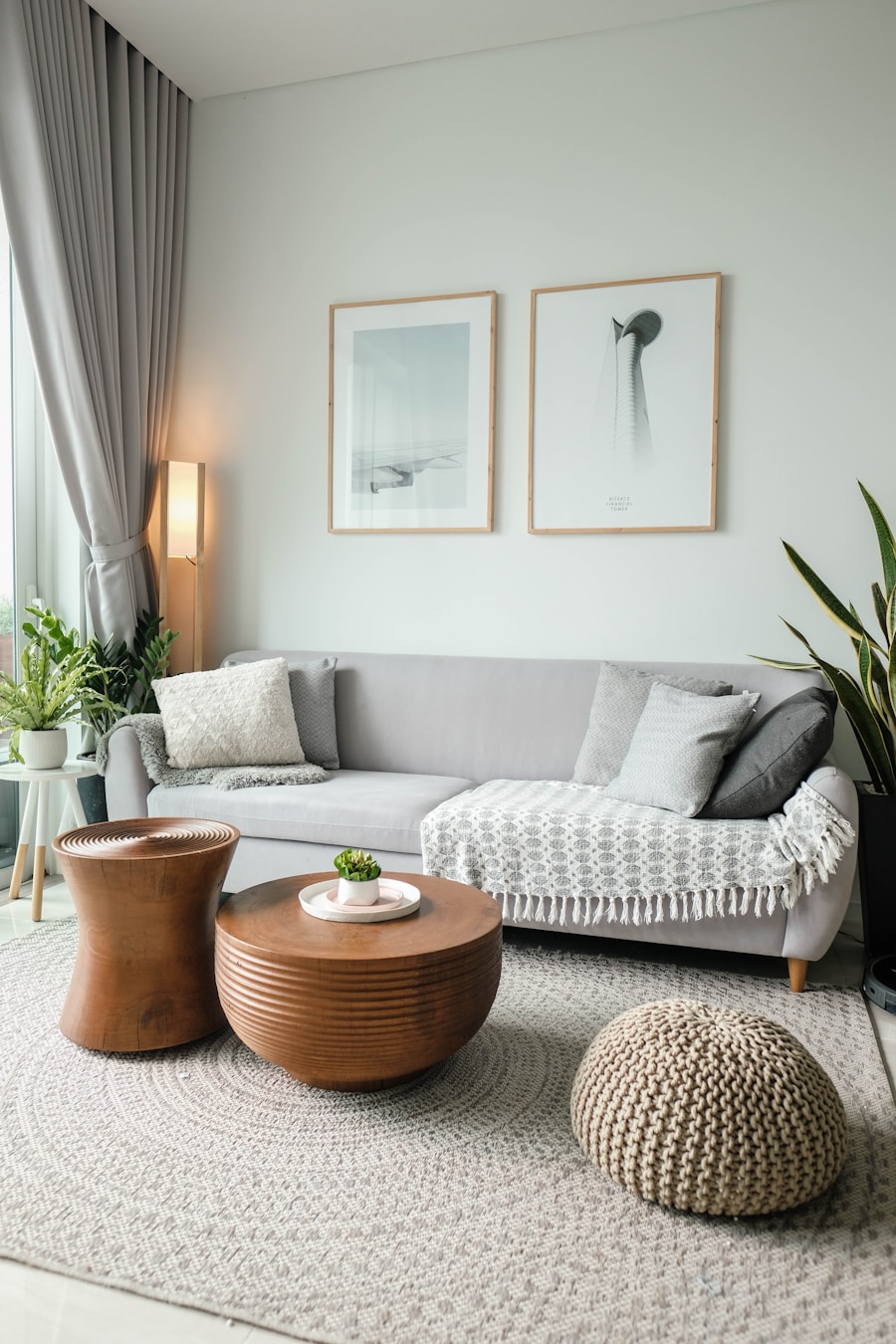
Layering Lighting for a Well-Rounded Effect
As you plan your lighting scheme, consider layering different types of lighting—ambient, task, and accent—to achieve a well-rounded effect. Ambient lighting provides overall illumination, while task lighting focuses on specific areas where activities take place, such as reading or cooking.
Creating Depth with Various Light Sources
Incorporating various light sources—such as ceiling fixtures, floor lamps, table lamps, and wall sconces—allows you to create depth within the space. Additionally, consider the color temperature of your light bulbs; warmer tones can create a cozy ambiance while cooler tones may feel more energizing.
Enhancing Interior Design with Thoughtful Lighting
By thoughtfully selecting and positioning your lighting fixtures, you can enhance the beauty of your interior design while ensuring that each area serves its intended purpose effectively.
Incorporating Personal Touches and Statement Pieces
While cohesive design is essential for creating an inviting atmosphere, personal touches are what truly make a space feel like home. Incorporating items that reflect your personality—such as artwork, family photos, or travel souvenirs—adds character and warmth to your interiors. These personal elements tell your story and create connections between you and your space.
Statement pieces are another way to infuse individuality into your design. Whether it’s an oversized piece of art that serves as a focal point or an eye-catching piece of furniture that sparks conversation, these items can elevate your interior while maintaining cohesion with the overall design theme. When selecting statement pieces, ensure they align with your color palette and style vision so they enhance rather than disrupt the flow of the space.
Maintaining Cohesiveness Through Organization and Maintenance
Achieving cohesive interior design is not just about initial choices; it also involves ongoing organization and maintenance. A cluttered space can detract from even the most beautifully designed interiors. To maintain cohesiveness, develop organizational systems that work for your lifestyle—whether it’s utilizing stylish storage solutions or implementing regular decluttering routines.
Additionally, regular maintenance ensures that your space continues to reflect your vision over time. This may involve updating decor seasonally or refreshing paint colors as needed. By staying proactive in maintaining both organization and aesthetics, you ensure that your home remains a true reflection of who you are—a harmonious blend of style, comfort, and personal expression.
In conclusion, cohesive interior design is an art form that requires careful consideration of various elements—from color schemes to personal touches. By understanding its importance and following these guiding principles, you can create spaces that not only look beautiful but also feel like home. Embrace the journey of designing your interiors with intention and creativity; after all, it’s about crafting an environment where you can thrive and find joy in every moment spent within its walls.
FAQs
What is cohesive and balanced interior design?
Cohesive and balanced interior design refers to the harmonious arrangement of elements within a space to create a sense of unity and visual equilibrium. This involves coordinating colors, patterns, textures, and furniture to create a cohesive and balanced look.
How can I create a cohesive and balanced interior design in my home?
To create a cohesive and balanced interior design in your home, you can start by choosing a consistent color palette, incorporating a variety of textures, arranging furniture in a balanced way, and adding elements of symmetry and proportion to the space.
What are some tips for achieving a cohesive and balanced interior design?
Some tips for achieving a cohesive and balanced interior design include selecting a focal point for each room, using a mix of furniture styles and sizes, incorporating elements of contrast, and paying attention to the flow and function of the space.
Why is cohesive and balanced interior design important?
Cohesive and balanced interior design is important because it creates a sense of harmony and visual appeal within a space. It can also contribute to the overall comfort and functionality of a home.