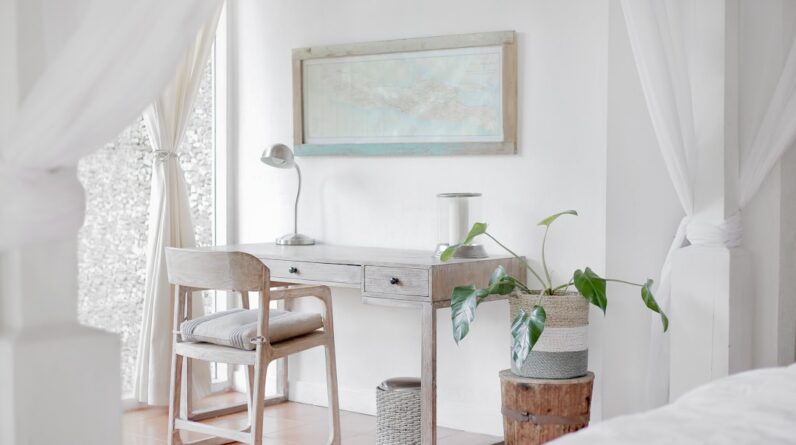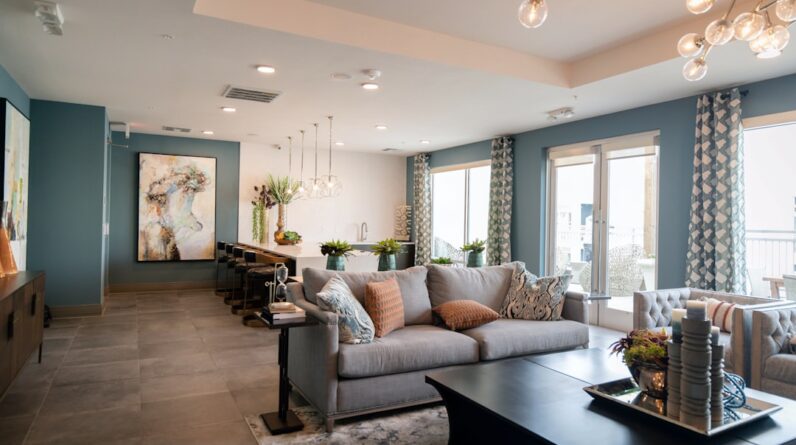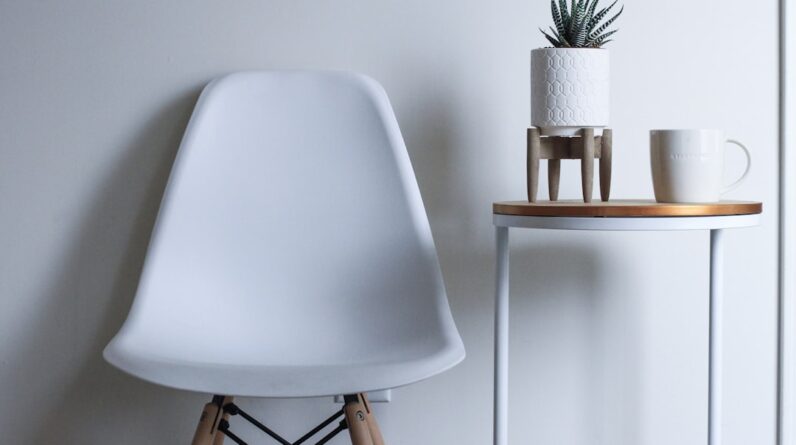
When you think about contemporary design, it’s essential to grasp its core elements. This style is not just a fleeting trend; it embodies a philosophy that emphasizes simplicity, functionality, and a connection to the present. You’ll find that contemporary design often features open spaces, clean lines, and a neutral color palette, which together create an inviting atmosphere.
The beauty of this design approach lies in its ability to adapt and evolve, reflecting the current cultural and technological landscape. As you delve deeper into contemporary design, you’ll discover how it harmonizes aesthetics with practicality, making it a popular choice for modern living. In your journey to embrace contemporary design, consider how light plays a pivotal role.
Natural light is a key element that enhances the overall ambiance of a space. Large windows, skylights, and open floor plans are common features that allow light to flow freely throughout your home. This not only makes the space feel larger but also creates a sense of warmth and comfort.
Additionally, the use of geometric shapes and asymmetrical designs can add visual interest without overwhelming the senses. By understanding these elements, you can create a contemporary space that feels both stylish and functional.
Key Takeaways
- Contemporary design emphasizes clean lines, minimalism, and functionality
- Timeless materials like wood, stone, and metal can add longevity to the design
- Innovative storage solutions can maximize space and enhance functionality
- High-quality appliances with modern features can elevate the design and functionality of the space
- Embracing minimalist and clean lines can create a sleek and modern look in the design
- Sustainable and eco-friendly practices can contribute to a healthier and more environmentally conscious design
- Personalized touches and accents can add character and uniqueness to the space
- Seeking professional advice and collaboration with design experts can ensure a successful and well-executed contemporary design.
Choosing Timeless Materials and Finishes
Selecting the right materials and finishes is crucial in achieving a contemporary design that stands the test of time. You might want to consider materials such as wood, metal, glass, and stone, which not only offer durability but also bring a sense of warmth and texture to your space. For instance, hardwood floors can provide a classic foundation that complements various design elements, while sleek metal accents can add a modern touch.
When you choose materials that are both aesthetically pleasing and practical, you create an environment that feels cohesive and inviting. In addition to the choice of materials, the finishes you select can significantly impact the overall look of your space. Opting for matte or satin finishes can enhance the contemporary feel, as they tend to reflect less light and create a more subdued atmosphere.
You may also want to explore eco-friendly finishes that align with sustainable practices, ensuring that your design choices are not only beautiful but also responsible. By carefully considering your materials and finishes, you can create a timeless aesthetic that resonates with contemporary design principles while remaining functional for everyday living.
Incorporating Functional and Innovative Storage Solutions

In contemporary design, functionality is paramount, especially when it comes to storage solutions. You may find that innovative storage options can help you maintain a clutter-free environment while maximizing your space. Think about built-in shelving units or multi-functional furniture pieces that serve dual purposes.
For example, a coffee table with hidden storage can keep your living area tidy while providing a stylish focal point. By integrating these solutions into your design, you can enhance both the aesthetic appeal and practicality of your home. Moreover, consider vertical storage options that draw the eye upward and create an illusion of height in smaller spaces.
Wall-mounted shelves or tall cabinets can help you utilize every inch of your home effectively. You might also explore modular storage systems that can be customized to fit your specific needs and preferences. By prioritizing functional storage solutions in your contemporary design, you ensure that your space remains organized and visually appealing, allowing you to enjoy your home to its fullest potential.
Selecting High-Quality Appliances with Modern Features
When it comes to contemporary design, high-quality appliances play a significant role in enhancing both functionality and style. As you select appliances for your kitchen or laundry area, consider those that offer modern features while seamlessly integrating into your overall design scheme. Stainless steel appliances are often favored for their sleek appearance and durability, making them an excellent choice for contemporary spaces.
Additionally, look for energy-efficient models that not only reduce your carbon footprint but also save you money on utility bills. Incorporating smart technology into your appliances can further elevate your contemporary design. Features such as Wi-Fi connectivity, touch controls, and energy monitoring systems can make your daily routines more convenient and efficient.
Imagine being able to preheat your oven from your smartphone or receive alerts when your laundry is done—these modern conveniences can significantly enhance your lifestyle. By selecting high-quality appliances with innovative features, you not only improve the functionality of your home but also contribute to a contemporary aesthetic that reflects modern living.
Embracing Minimalist and Clean Lines in the Design
Minimalism is at the heart of contemporary design, emphasizing simplicity and clean lines. As you embark on your design journey, consider how embracing this philosophy can transform your space into a serene oasis. Start by decluttering your environment; remove unnecessary items and focus on keeping only what truly matters to you.
This approach not only creates a more visually appealing space but also promotes a sense of calm and tranquility in your home. Incorporating clean lines into your furniture and architectural elements is another way to achieve a minimalist aesthetic. Look for furniture pieces with sleek silhouettes and geometric shapes that contribute to an uncluttered look.
You might also want to explore open shelving or floating vanities that create an airy feel while maintaining functionality. By prioritizing minimalism in your design choices, you cultivate an environment that feels spacious and inviting, allowing you to enjoy the beauty of simplicity.
Incorporating Sustainable and Eco-Friendly Practices

Choose Sustainable Materials
As you navigate the world of contemporary design, it’s essential to consider sustainable practices that align with modern values. Eco-friendly design not only benefits the environment but also enhances the overall quality of life in your home. Start by selecting sustainable materials such as reclaimed wood or bamboo, which are both stylish and environmentally responsible. These materials not only reduce waste but also add character and warmth to your space.
Energy Efficiency for a Healthier Home
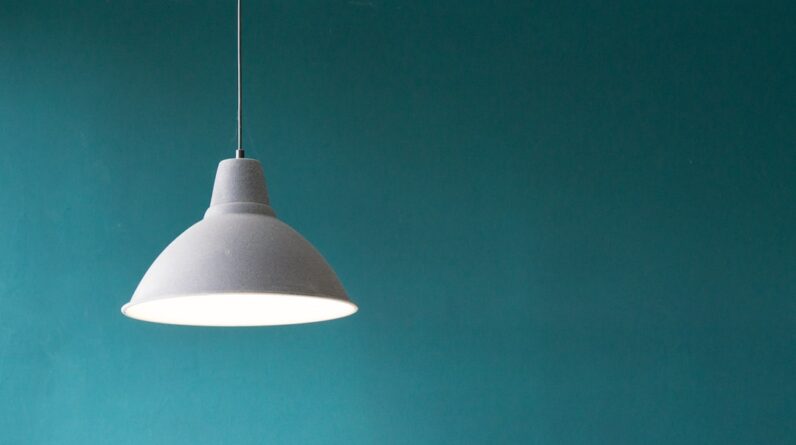
Additionally, consider incorporating energy-efficient lighting solutions such as LED bulbs or solar-powered fixtures. These options not only lower energy consumption but also contribute to a healthier indoor environment by reducing harmful emissions.
Water-Saving Solutions
You might also explore water-saving fixtures in kitchens and bathrooms to further enhance your eco-friendly approach. By embracing sustainable practices in your contemporary design, you create a home that reflects your values while promoting a healthier planet for future generations.
Adding Personalized Touches and Accents
While contemporary design often leans towards minimalism and neutrality, adding personalized touches can infuse warmth and character into your space. As you curate your home’s decor, think about incorporating artwork or decorative items that resonate with you personally. Whether it’s a striking piece of abstract art or family photographs displayed in sleek frames, these accents can tell your story and make your space feel uniquely yours.
You might also consider incorporating textiles such as throw pillows or area rugs that add color and texture without overwhelming the overall design. Choose patterns or colors that reflect your personality while still aligning with the contemporary aesthetic. By thoughtfully adding personalized touches to your home, you create an inviting atmosphere that feels both stylish and comfortable—a true reflection of who you are.
Seeking Professional Advice and Collaboration with Design Experts
Finally, as you embark on your contemporary design journey, don’t hesitate to seek professional advice from design experts. Collaborating with interior designers or architects can provide valuable insights and help you navigate the complexities of creating a cohesive space. These professionals bring experience and knowledge that can elevate your design vision while ensuring functionality meets aesthetics.
When working with a designer, be open about your preferences and lifestyle needs. This collaboration allows them to tailor their recommendations to suit your unique requirements while maintaining the principles of contemporary design. Whether it’s selecting color palettes or optimizing layouts, their expertise can help you achieve a harmonious balance between style and practicality.
By seeking professional guidance, you empower yourself to create a contemporary space that truly reflects your vision while enhancing your everyday living experience.
FAQs
What are the key elements of a contemporary kitchen design?
A contemporary kitchen design typically includes clean lines, sleek surfaces, and a minimalist aesthetic. It often features modern materials such as stainless steel, glass, and concrete, as well as neutral color palettes and high-tech appliances.
How can I create a contemporary kitchen that stands the test of time?
To create a contemporary kitchen that stands the test of time, focus on timeless design elements such as quality materials, simple and functional layouts, and neutral color schemes. Avoid trendy or overly stylized features that may quickly become outdated.
What are some popular materials for contemporary kitchen design?
Popular materials for contemporary kitchen design include stainless steel, quartz, marble, concrete, and glass. These materials are known for their durability, sleek appearance, and ability to complement a modern aesthetic.
What are some key considerations for creating a functional contemporary kitchen?
Key considerations for creating a functional contemporary kitchen include optimizing storage space, incorporating efficient work areas, and selecting high-quality, easy-to-clean materials. It’s also important to prioritize functionality and practicality in the design and layout of the kitchen.
How can I incorporate sustainable and eco-friendly elements into a contemporary kitchen design?
To incorporate sustainable and eco-friendly elements into a contemporary kitchen design, consider using energy-efficient appliances, eco-friendly materials such as bamboo or recycled glass, and incorporating natural light and ventilation to reduce energy consumption. Additionally, choosing durable, long-lasting materials can help reduce the need for frequent replacements and minimize environmental impact.